

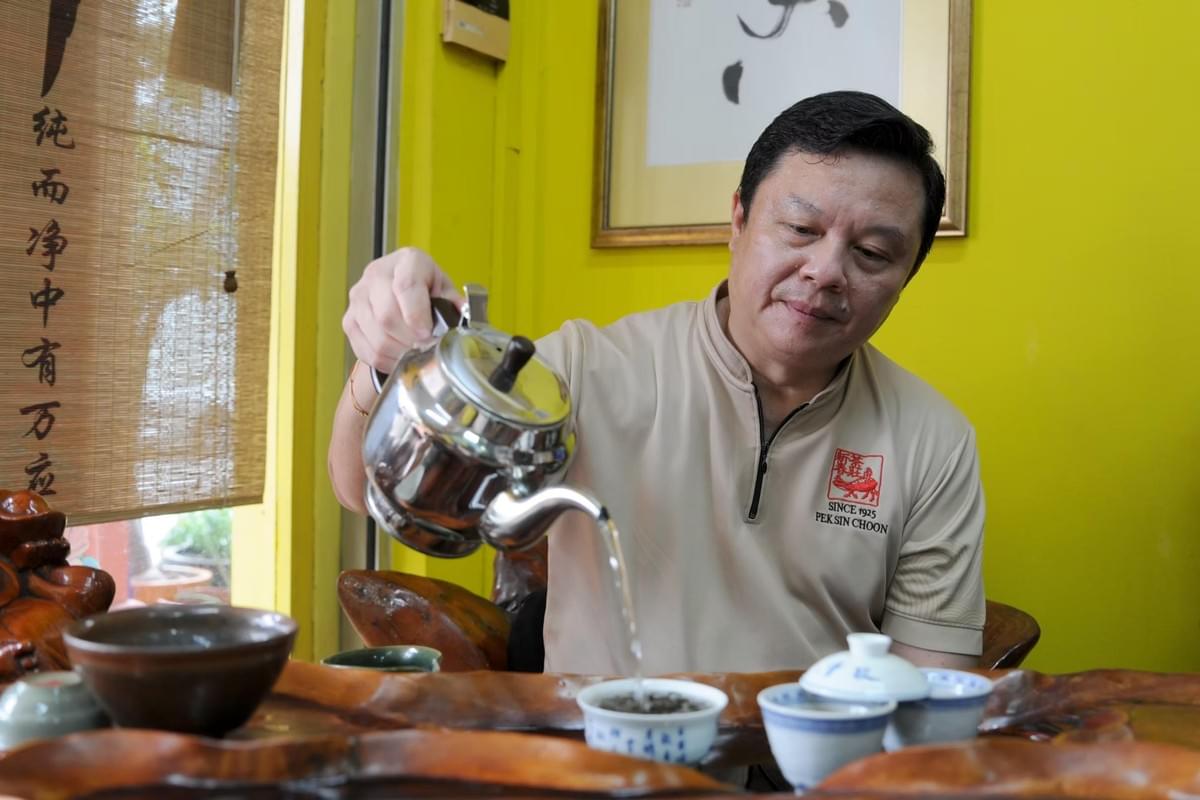
The first thing I noticed was the smell.
Not the shop, not the shelves, not the pink packets stacked like small parcels waiting to be sent somewhere. Just the deep, roasted scent of tea leaves that reached me before I even stepped fully through the door on Mosque Street.
I had come to Chinatown that morning expecting something like a modern teahouse. Soft music, minimalist counters, a menu propped on a wooden board. Pek Sin Choon is not that. It looks and feels like a working family business, because it is one.
I did not come for the single goal of sipping Chinese tea. I came to understand how a shop like this survives across generations, and how it still finds a way to speak to people my age and younger.
While it lives through decades of history, I found myself fascinated with how it faces modern teaware in Singapore from https://tea-manor.com.sg/pek-sin-choon-vs-teaware-shops/.
Pek Sin Choon on Mosque Street: A Tea Store That Still Feels Lived In
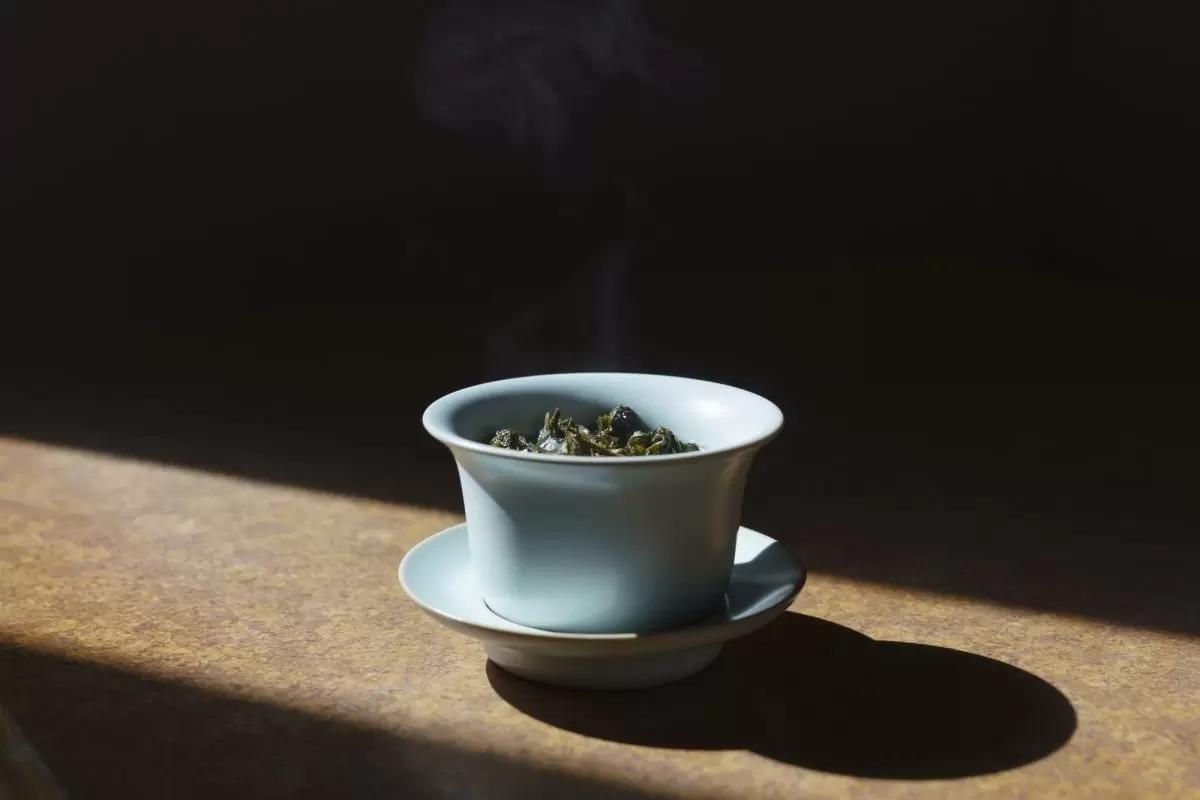
Inside, the space is narrow and full. Shelves climb the walls, packed with tins, boxes, and paper packets. There is a brewing area where staff move with the ease of people who have done this thousands of times.
Someone was wrapping tea by hand near the counter. The white paper folded quickly, then the recognisable pink outer layer, sealed and stacked. It was quiet work, the kind you stop noticing after a while but that never really stops.
This is not a staged heritage display. It is a store that fills orders, serves walk-ins, and supplies businesses across the island. The conversation stays low. No loud playlist, just the sound of leaves being measured and the occasional kettle.
Pek Kim Aw, a Shoulder Pole and the Roots of Pek Sin
Every long-standing business starts somewhere small. Pek Sin Choon began with founder Pek Kim Aw and a shoulder pole.
Picture that for a moment. Tea in the city was carried through the streets on a pole balanced across the shoulders, sold directly to whoever needed it. No storefront, no fixed address at first. Just leaves, labour, and the trust built one delivery at a time.
Those humble beginnings say a lot about how small family businesses took root here. Before branding and packaging, there were relationships. The mobile trade eventually became a permanent store, and the Pek Sin Choon name settled into Chinatown for good.
From George Street to Mosque Street: Pek Sin Choon Through World War II
The business did not stay in one place. Its early home was on George Street before it later found its footing on Mosque Street, where it remains today.
Surviving as a heritage business means living through hard periods, and World War II was one of them. I want to be careful here, because I would rather not dress up history with drama that was not mine to witness. What I can say is that continuity through those years was never guaranteed for any small trader.
Survival, I suspect, came from more than the quality of the tea. It came from steady relationships with wholesale buyers, families, and food businesses who kept ordering, kept trusting, kept coming back.
That is the quiet truth about heritage. It is not built in a single grand moment. It is built through repetition, through the grandfather's generation showing up day after day, keeping supply moving and promises kept.
Nanyang Tea
So what exactly is Nanyang tea?
When Chinese tea traditions travelled south into Southeast Asia, they changed. Leaves sourced from China were blended locally and given extra roasting, shaped to suit a different climate and a different palate. Singapore's humidity, the way people drank tea with heavier food, all of it pushed the profile toward something fuller and stronger.
That is the heart of Nanyang tea. Tradition did not vanish. It adapted.
The Tea Blend That Became Renowned Unknown Fragrance
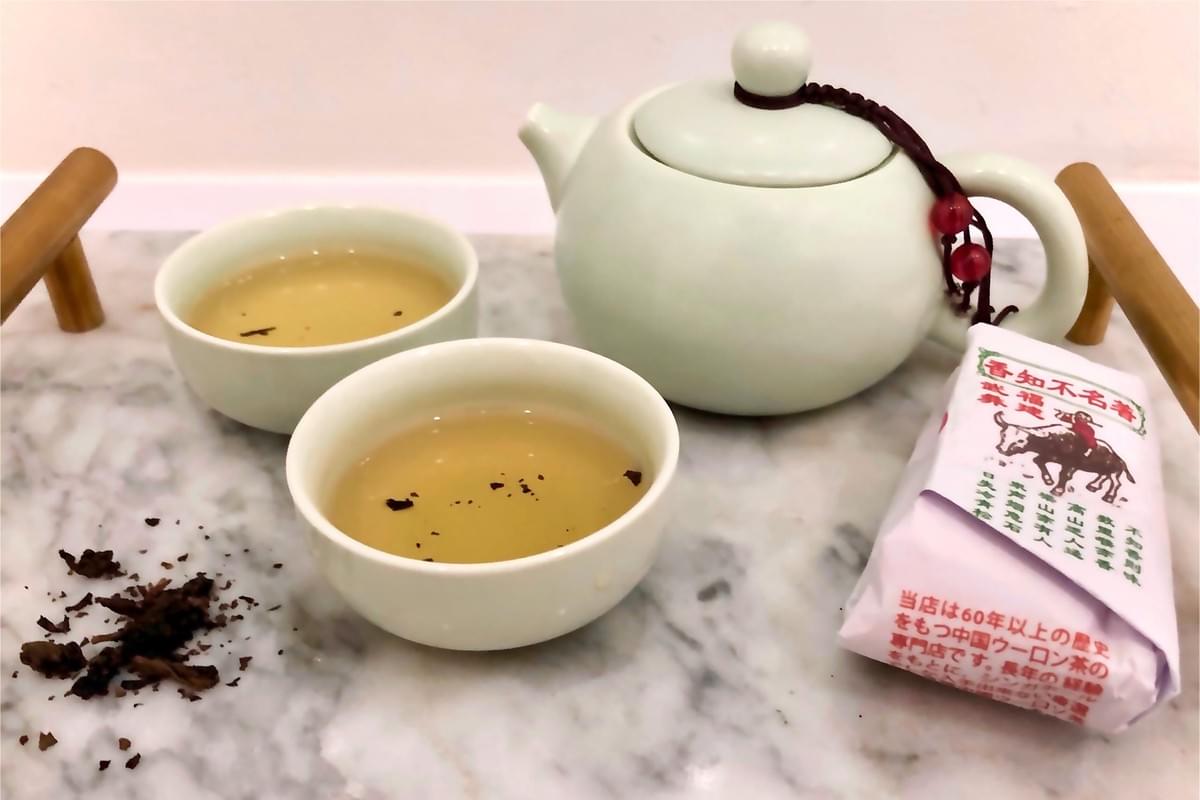
One of Pek Sin Choon's defining blends carries the wonderful name Renowned Unknown Fragrance. I love that contradiction, and I think the name is part of why it stays in people's memories. It sounds like a small riddle you want to solve.
The tea itself leans roasted and full-bodied, with a fragrance that lingers after the cup is empty. It holds up across repeated infusions, which matters when you are drinking through a long meal rather than a single ceremonial pour.
Chinese Tea and Bak Kut Teh: Why the Beverage Belongs Beside the Food
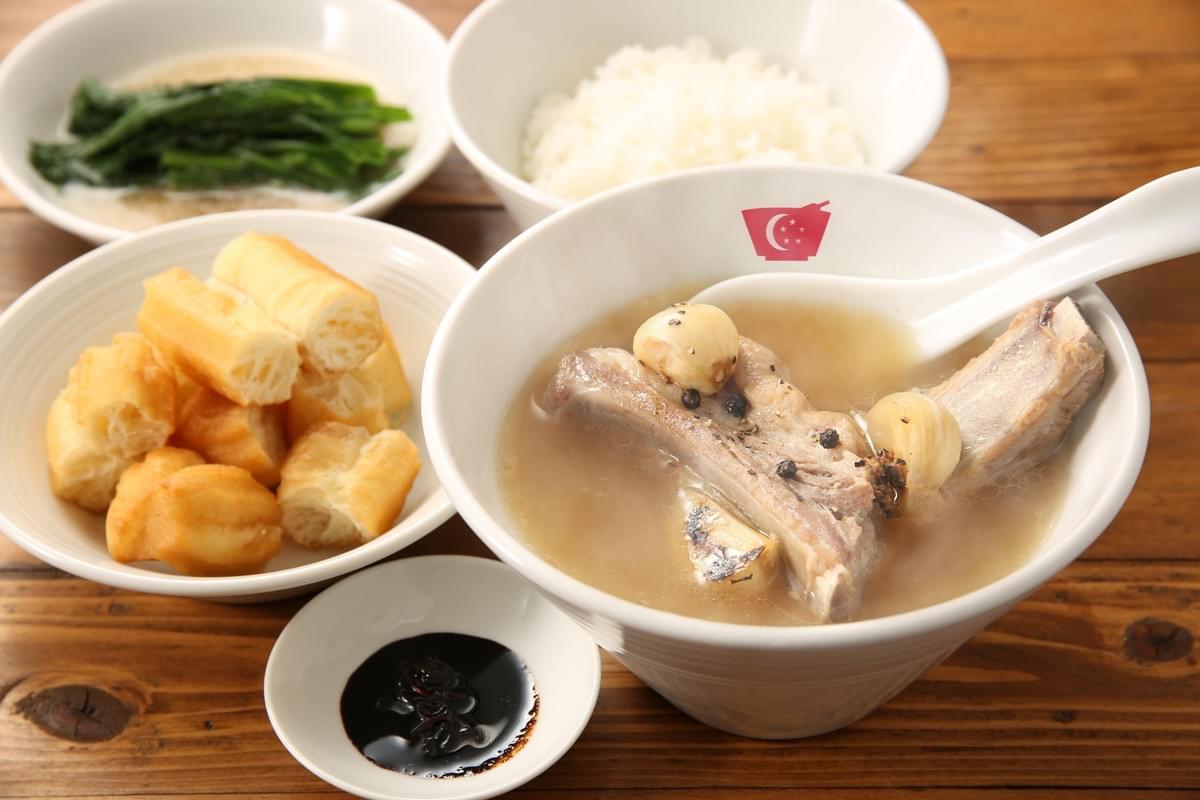
If you have eaten bak kut teh in Singapore, you have almost certainly drunk Chinese tea beside it. There is a reason.
In this traditional food, the broth is peppery, garlicky, rich with pork and herbs. A roasted tea does not overpower that. Instead it offers a contrast that refreshes the palate between spoonfuls. I want to be clear that tea does not scientifically scrub fat away, whatever the old sayings suggest. What it does is reset your mouth, so the next bite tastes as good as the first.
The pot gets topped up again and again through the meal. Tea here is practical, not ceremonial. It belongs to the table the way rice does.
This is where Pek Sin Choon's reach becomes clear. The business has long supplied bak kut teh stalls and other commercial clients across the city. So even people who have never set foot in the Mosque Street shop have probably tasted its tea, poured from a chipped pot at a hawker table on a warm evening.
Premium Tea at Pek Sin Choon: What I Tasted and What Beginners Should Try
The range here runs from everyday packets to premium tea leaves and teaware that collectors take seriously.
1. Renowned Unknown Fragrance
For anyone wanting to understand the company's Nanyang character, this is where I would begin. The roasted aroma, the steady body, the way it pairs with food rather than demanding a quiet room. It is the most meaningful introduction to what makes this store what it is.
2. Wuyi Rock Tea and Premium Tea Leaves
For drinkers who already know their preferences, the Wuyi rock teas are worth asking about. Names like Rou Gui, Shui Jin Gui, and Qi Dan carry mineral, roasted, aromatic profiles that reward attention. These lean toward the experienced palate, so I would not push a first-timer straight to them.
3. White Dragon Pearl, Dragon Well and Pu'er
For contrast, three useful directions. White Dragon Pearl offers a gentler, more fragrant welcome. Dragon Well brings a fresher, chestnut-like brightness. Pu'er goes deeper and earthier, with that aged character some people fall for and others find takes time.
My honest advice is simple. Do not walk in asking for the best or the most expensive tea. Tell the staff whether you like floral, roasted, fresh, aged, light, or full-bodied, and let them guide you. Prices start affordable, so there is room to explore without spending much.
The Nanyang Tea Challenge and Tea Appreciation for a Younger Generation
Retail alone does not keep a tea culture alive. Teaching does.
Pek Sin Choon runs things like the Nanyang Tea Challenge and various tea appreciation activities, from brewing demonstrations to hands-on wrapping. These sometimes connect to wider cultural programming such as the Singapore Heritage Festival, and the shop shares updates through channels like its Facebook page.
That is education at its best, and it is how a younger generation stops observing from a distance and starts taking part. Most of these programmes need arranging in advance, so a walk-in visitor should not expect a workshop on the spot.
Kenry Peh, Fourth Generation Owner
Carrying all of this forward is Kenry Peh, the fourth generation owner.
Inheriting an established name is not a small thing. You hold the standards of everyone who came before while facing customers whose habits keep shifting. That means balancing traditional roasting and blending with fresh presentation, reaching younger buyers without abandoning the older ones.
Keeping the Tea Business in Motion
The work is practical, not glamorous. Maintaining production, supplying hospitality and commercial clients, handling wholesale orders and customised packaging for corporate gifts, and still finding time for public education. Stewardship, really. Knowing the difference between preserving a method worth keeping and clinging to a habit for its own sake.
Pek Sin Choon Hopes to Keep Tradition Relevant, Not Untouched
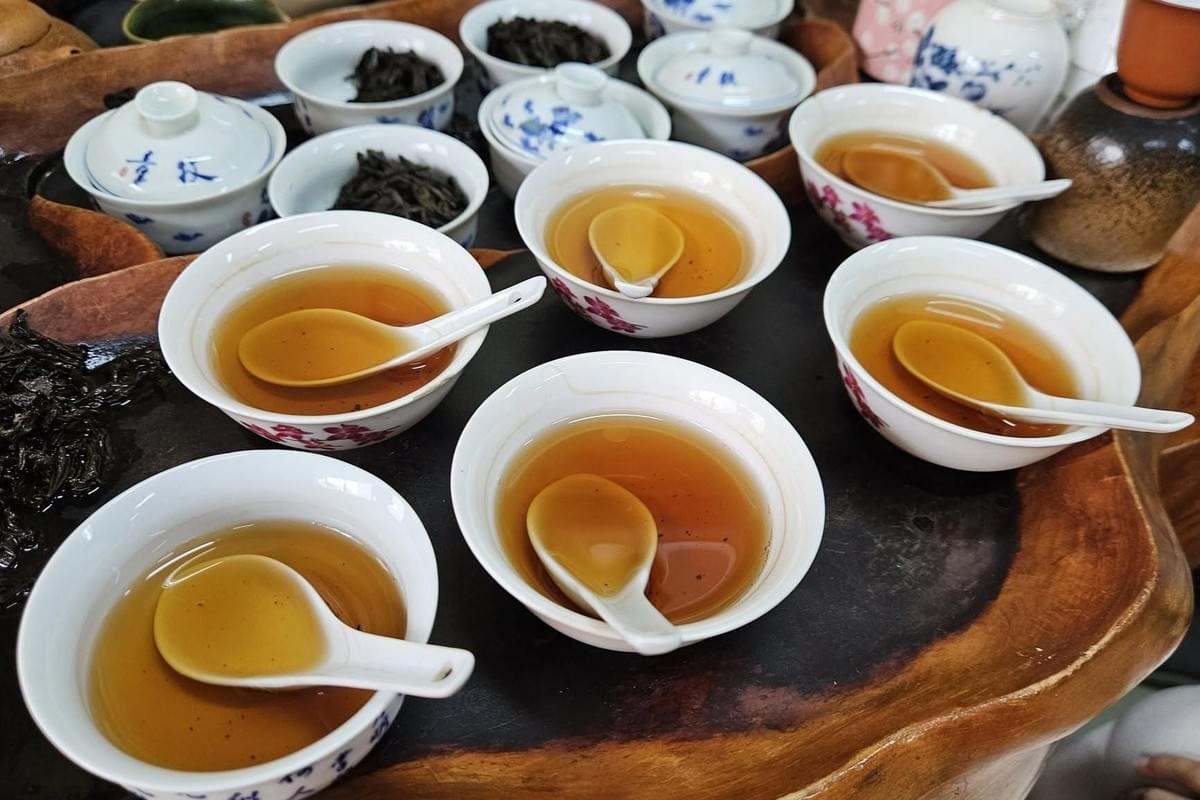
What struck me most is that Pek Sin Choon hopes to stay part of modern life, not sealed behind glass.
That means making Chinese tea easier to understand, protecting the roasting and blending that define it, updating how it is presented, and continuing to cater to commercial clients and wholesale partners. Heritage and reinvention pulling against each other, gently.
You see it in the packaging. The pink outer layer, the white paper, each parcel packed and wrapped by hand. It is easy to treat that as pretty branding for a display shelf. But the wrapping is labour and repetition, a visual identity people recognise instantly. Function first, memory second. Both matter to enjoy.
Final Thoughts: Pek Sin Choon, Tea and the Culture of Sharing
I finished my cup near the door, watching another parcel get wrapped.
What stays with me is not simply that this business is old. It is that its history is still moving. The roasting, the blending, the packing, the teaching, the tea sent out to hawker stalls across Singapore. All of it alive, all of it working.
A local blend tells a story of migration and adaptation. The bond with bak kut teh shows how a drink becomes part of a meal, part of an ordinary evening. Hand-wrapped paper ties production to memory. And the workshops let a younger generation join in rather than just look on.
Some places sell you something. This one hands you a little history, folded in white paper.
