

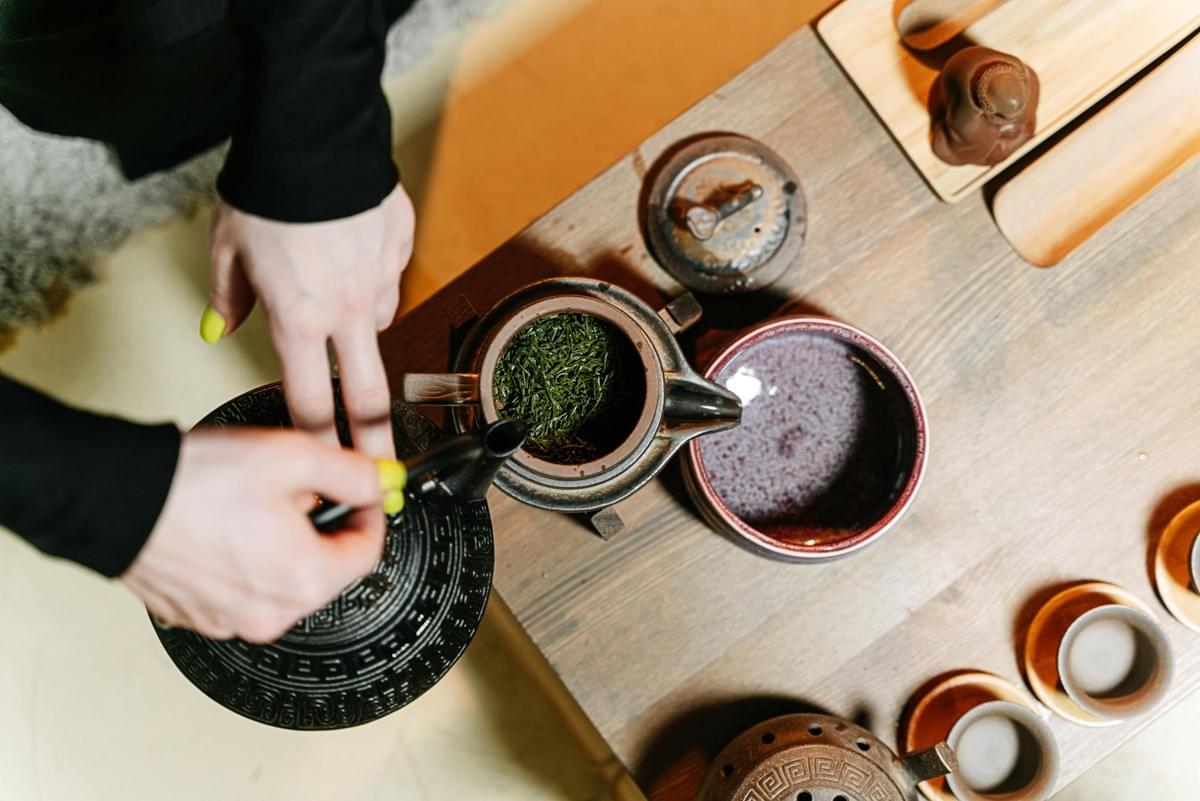
From the elegant afternoon tea spreads in grand hotels to the humble cup of teh pulled at a bustling hawker centre, tea is deeply woven into the fabric of Singaporean life. For any discerning SG foodie, understanding the story behind these brews reveals a fascinating tale of colonial history, local innovation, and cultural fusion. The rich and diverse world of tea in Singapore owes much of its character to the island's British colonial past, a legacy that continues to pour into our cups today.
This guide will take you on a journey through time, exploring how the British introduced their beloved ritual and how resourceful locals made it uniquely their own. We will uncover the origins of elegant high teas and the beloved kopi tiam culture, visit heritage spots, and discover how this history shapes the modern Singapore tea scene. It is a story that proves a simple cup of tea is never just a simple cup of tea.
A Colonial Brew: The British Arrival and Tea Trade
The story of tea in Singapore begins with the arrival of the British in the 19th century. When Sir Stamford Raffles established Singapore as a trading post in 1819, he set in motion a chain of events that would forever change the island’s destiny. Along with commerce and colonial administration, the British brought with them their cultural customs, chief among them being the ritual of drinking tea.
Tea was more than just a beverage; it was a symbol of British identity and a cornerstone of their social life. As Singapore grew into a vital hub of the British Empire, it became a key point in the global tea trade routes connecting India and China with the West. The British established tea plantations in neighboring Malaya, and Singapore served as the processing and shipping center. This cemented tea’s physical presence and economic importance in the region.
The Tradition of Afternoon Tea Takes Root
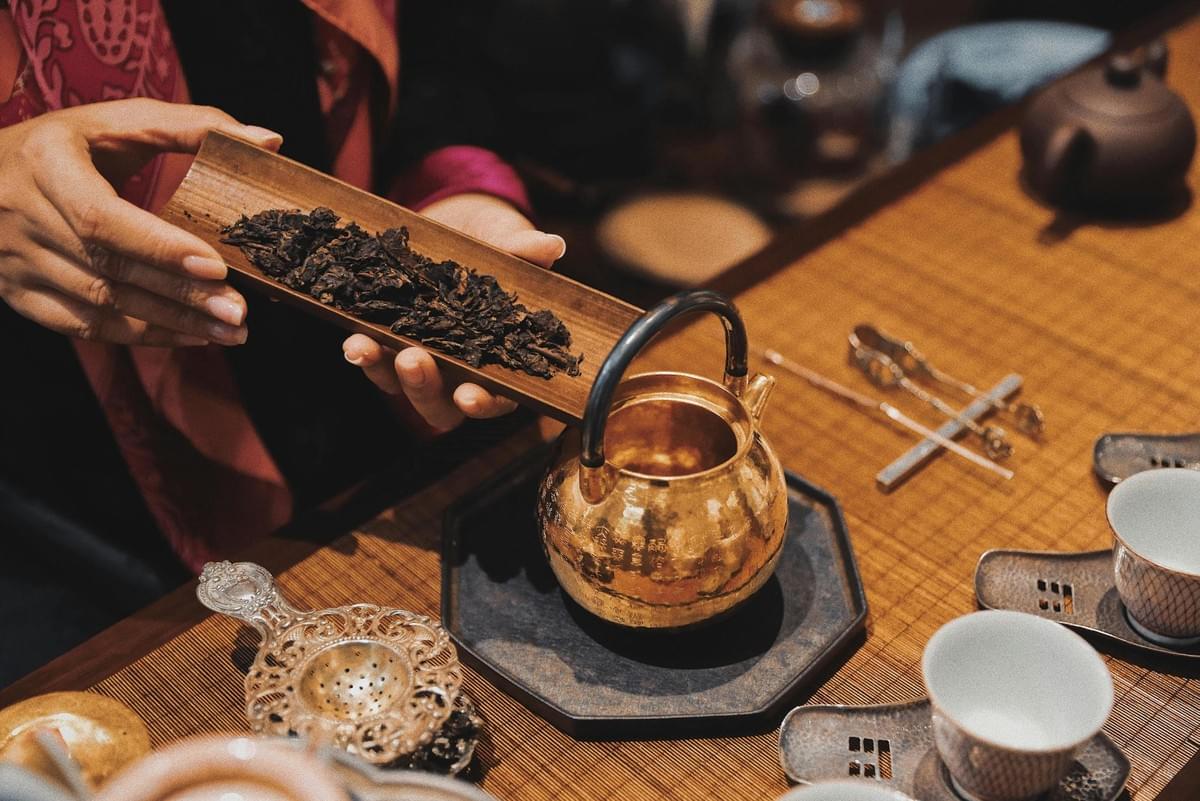
With the British came the sophisticated tradition of afternoon tea. This ritual, introduced in the 1840s in England, was quickly adopted by the colonial elite in Singapore. It was a formal affair, a way to socialize and display social standing. Grand hotels along the waterfront and the lavish homes of colonial administrators would host these events, complete with fine porcelain, starched linens, and a specific etiquette.
This classic afternoon tea consisted of a selection of black teas, often from India or Ceylon, served with milk and sugar. The tea was accompanied by a tiered stand of delicate finger sandwiches, freshly baked scones with clotted cream and jam, and an assortment of miniature cakes and pastries. This elegant custom was a world away from the local street food culture, but it laid the foundation for a new appreciation for tea as a social beverage.
Local Adaptations: From High Tea to Teh Tarik
While the British enjoyed their refined afternoon teas, the local population began to create their own versions of this tea-drinking culture. This is where the story of tea in Singapore gets truly interesting. Resourceful and creative, locals adapted the British custom to suit their own tastes, ingredients, and budgets, adding a unique touch that reflects the vibrant local flavor.
The Birth of the Kopitiam
The most significant local adaptation was the rise of the kopitiam (coffee shop). These humble establishments, often run by Hainanese immigrants, became the social heart of local communities where people come to relax and indulge in a variety of affordable drinks and snacks. Here, tea was prepared in a completely different way. Instead of delicate brewing, strong black tea dust was strained through a cloth "sock" filter, resulting in a thick, robust infusion full of memories and character.
Teh and its Variations
This locally brewed tea, known as teh, was mixed with sweetened condensed or evaporated milk and sugar, creating a creamy and affordable beverage that provided a much-needed energy boost and a moment to unwind. This led to a whole new tea vocabulary:
- Teh: Black tea with condensed milk and sugar.
- Teh C: Black tea with evaporated milk and sugar.
- Teh O: Black tea with sugar but no milk.
- Teh Tarik: The famous "pulled tea," where hot tea is poured back and forth between two vessels to create a frothy, perfectly mixed drink.
This kopitiam culture transformed the British tea ritual from an exclusive, formal event into an accessible, everyday pleasure for everyone, keeping the tradition alive and vibrant across the week. For any SG foodie on the search for authentic local flavors, experiencing teh tarik at a kopitiam is a must-add to your culinary journey.
Experience the Legacy: Heritage Tea Spots in Singapore
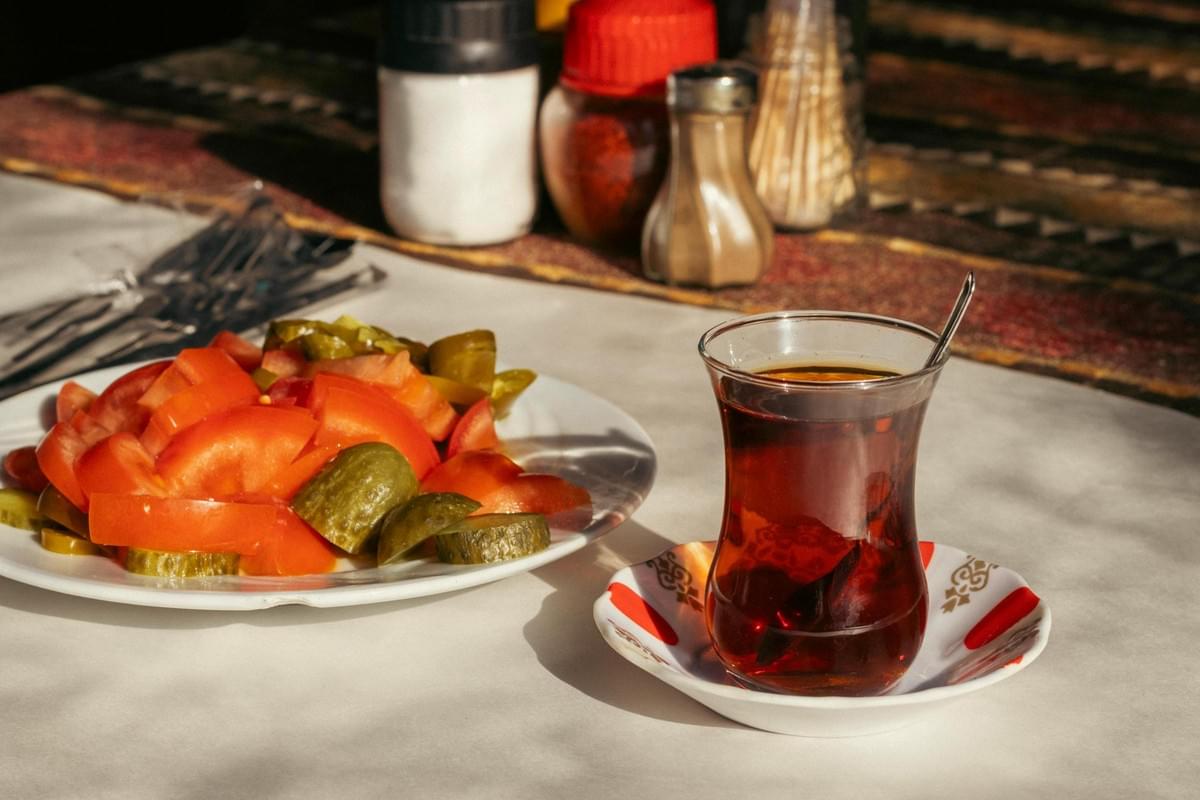
For Singapore foodies looking to taste this history, Singapore offers several venues that beautifully preserve the colonial tea experience, allowing you to indulge in both beauty and tradition.
- Raffles Hotel Singapore: The Tiffin Room at Raffles Hotel is perhaps the most iconic spot for a traditional British afternoon tea. Established in 1892, it offers an experience adorned with colonial elegance, complete with a classic tiered stand featuring delicate flowers and impeccable service.
- The Clifford Pier: Located at The Fullerton Bay Hotel, this venue offers an afternoon tea that pays homage to Singapore's hawker culture. Alongside classic scones, you will find savory items inspired by local dishes, perfectly blending heritage with modern luxury. Be sure to check their menu for seasonal specials that add a unique touch to your tea experience.
- Goodwood Park Hotel: L'Espresso at Goodwood Park Hotel has been a destination for afternoon tea since the 1970s. It is famous for its lavish buffet spread, combining English classics with a wide variety of sandwiches, pastries, and hot savories, making it a perfect place to relax and enjoy a day of indulgence.
- Ya Kun Kaya Toast: For an authentic local experience, head to any branch of Ya Kun. This classic kopitiam chain, founded in the 1940s, serves the quintessential Singaporean breakfast of kaya toast, soft-boiled eggs, and a strong cup of teh or kopi. It’s a must-visit spot to dine like a true local and savor the flavors that have become a part of Singapore’s culinary memories.
Where to Find Authentic Singapore Rojak
For those looking to try an authentic plate of this iconic dish, here are a few highly-regarded spots in Singapore:
- Toa Payoh Rojak: Located at Old Airport Road Food Centre, this legendary stall is famous for its exceptionally thick and flavorful shrimp paste dressing and the consistent quality of its ingredients. The long queues are a testament to its popularity.
- Lau Hong Ser Rojak: Situated at Dunman Food Centre, this stall is known for grilling its youtiao and tau pok over a charcoal fire before mixing them into the salad. This adds a wonderful smoky aroma (wok hei) to the dish.
- Soon Heng Rojak: Found at Toa Payoh Lorong 4 Food Centre, this stall is another local favorite, praised for its well-balanced dressing and generous sprinkle of peanuts.
The Modern Tea Scene: A Blend of Old and New
The colonial influence continues to shape the contemporary Singapore tea scene. The classic afternoon tea remains a popular indulgence, with luxury hotels constantly innovating their menus. At the same time, the kopitiam tradition is thriving, serving as the bedrock of Singapore's beverage culture.
In recent years, a third wave of tea culture has emerged. Specialty tea houses and modern cafes are putting a new spin on the classic brew. You will find everything from artisanal single-origin teas and creative tea-infused cocktails to trendy bubble teas with gourmet ingredients. This modern movement, with its focus on quality and craftsmanship, can be seen as a new interpretation of the reverence for tea that the British first introduced.
SG Foodie Tips for Exploring Singapore's Tea Culture
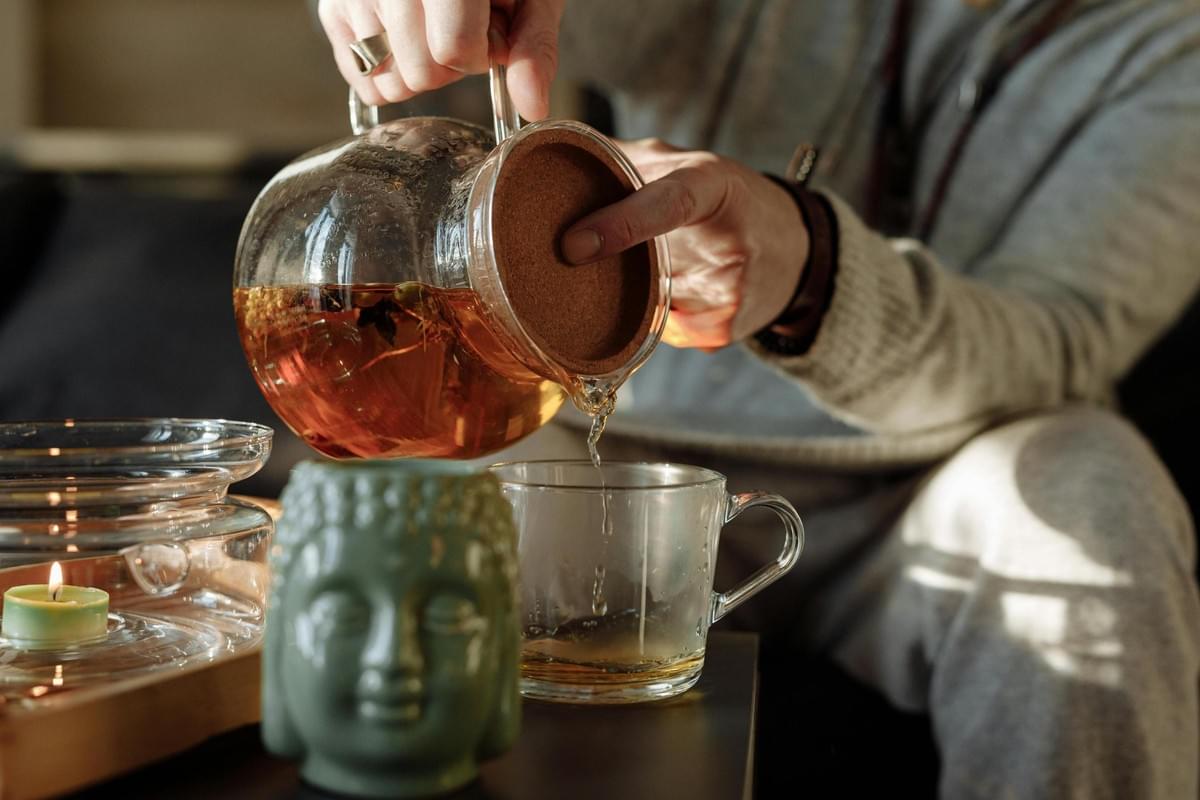
Ready to dive into the world of tea in Singapore? Here are a few tips for the ultimate experience:
- Learn the Lingo: To order tea like a local at a kopitiam, learn some basic terms. For example, "Teh C Kosong" means tea with evaporated milk and no sugar.
- Experience Both Worlds: Dedicate one afternoon to a classic high tea at a hotel and another morning to a simple breakfast at a traditional kopitiam. This will give you a full appreciation of the diverse tea culture.
- Watch a Teh Tarik Master: Find a hawker stall where they make teh tarik. Watching the "pulling" process is a performance in itself and a must-see for any food enthusiast.
- Explore Different Neighborhoods: Different neighborhoods offer different tea experiences. Enjoy a traditional brew in a historic area like Chinatown, then head to a trendy district like Tiong Bahru to explore modern tea cafes.
A Heritage Poured into Every Cup
The story of tea in Singapore is a perfect reflection of the nation’s identity: a blend of external influences and strong local character. The British brought the teapot, but Singaporeans created their own unique brew. From the clinking of fine china in a grand hotel to the familiar chatter of a neighborhood kopitiam, the legacy of this shared history is all around us.
So, the next time you take a sip of your favorite tea, whether it is an Earl Grey or a Teh Tarik, take a moment to savor its story. I encourage Singapore foodies to explore this rich heritage. You will find that every cup tells a tale of how Singapore absorbed a foreign tradition and transformed it into something wonderfully and uniquely its own.
