

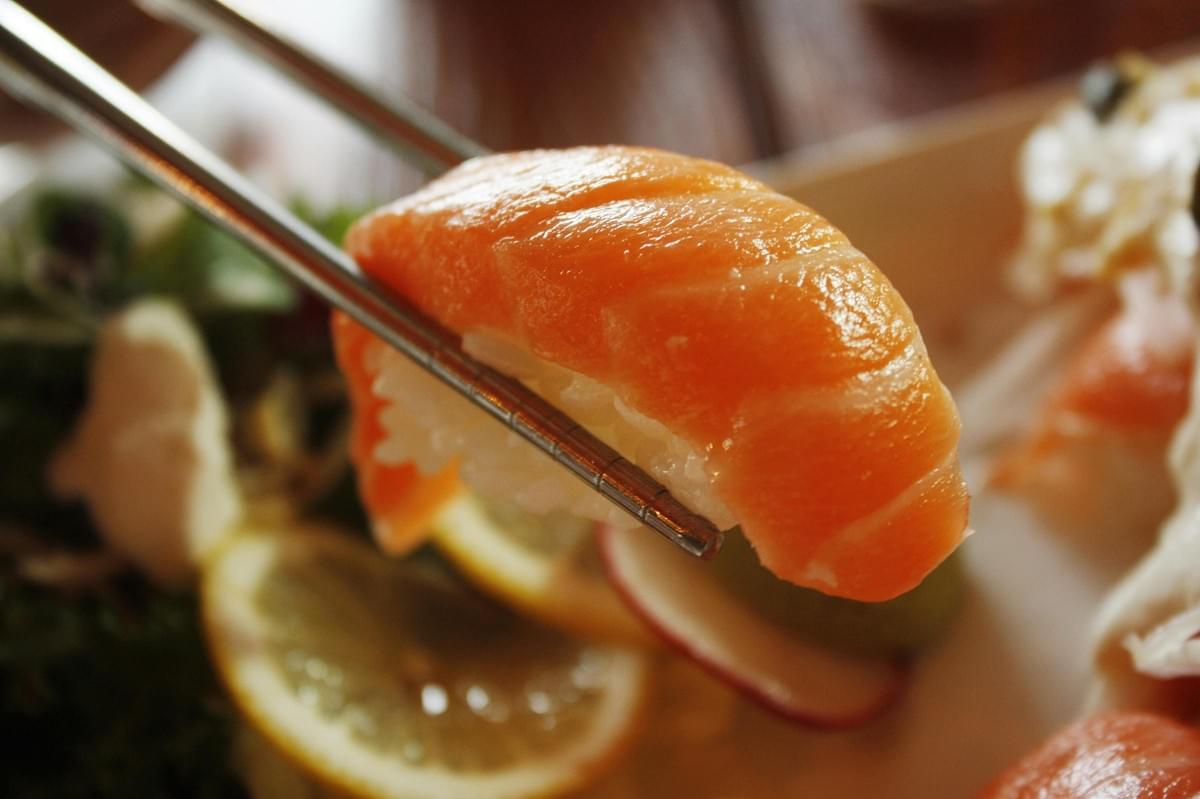
Walking into the second floor of Chinatown Complex is an experience that engages every sense immediately. You are greeted by a symphony of sounds: the rhythmic chopping of cleavers, the roar of high-pressure gas stoves, and the lively chatter of Cantonese and Hokkien across crowded tables. The air is thick with the mouthwatering aromas of braising soy sauce, smoky charcoal, and frying aromatics. This is not just a place to eat; it is a vibrant showcase of traditional food in Singapore, where culinary history is served steaming hot on a melamine plate.
A Sanctuary of Culinary Heritage
Chinatown Complex Food Centre stands as Singapore's largest hawker centre and a vibrant repository preserving culinary treasures passed down through generations. Established in the early 1980s to consolidate street hawkers from nearby areas, it embodies Singapore's rich immigrant heritage and the diverse Chinese culture shaping the local food scene.
For food lovers, navigating the labyrinth of over 260 stalls is like embarking on a flavorful journey through time. From comforting bowls of beef noodles and fragrant Hainanese chicken rice to stir fried noodles featuring yellow egg noodles and flat rice noodles, every turn reveals dishes steeped in history. Traditional offerings such as yong tau foo with freshly made stuffed tofu and fish paste, or smoky claypot rice topped with pork belly, Chinese sausage, and salted fish, highlight the depth of culinary tradition here.
The hawker stalls also showcase the art of stir frying, where wok hei elevates simple ingredients like bean sprouts and minced pork into unforgettable meals. Iconic Singaporean favorites like chili sauce-spiked char kway teow and creamy coconut milk-infused laksa exemplify the fusion of Southeast Asia's culinary influences.
Beyond savory dishes, the centre offers dim sum, fried xiao long bao, and traditional Chinese desserts such as chendol (made with finely shaved ice, coconut cream, and gula melaka) capturing the heart of Singapore’s food culture and its authentic tastes.
Taste the Tradition From Claypot Rice to Dim Sums
Among the many stalls, several stand out as pillars of Singapore’s culinary heritage. Lian He Ben Ji Claypot Rice exemplifies traditional cooking methods, with hawkers preparing rice over charcoal stoves, infusing it with a smoky aroma (or wok hei) impossible to replicate with gas. Though waits can reach an hour, the reward is crispy, scorched rice at the pot’s base, paired with tender meat, pork belly, Chinese sausage, and salted fish.
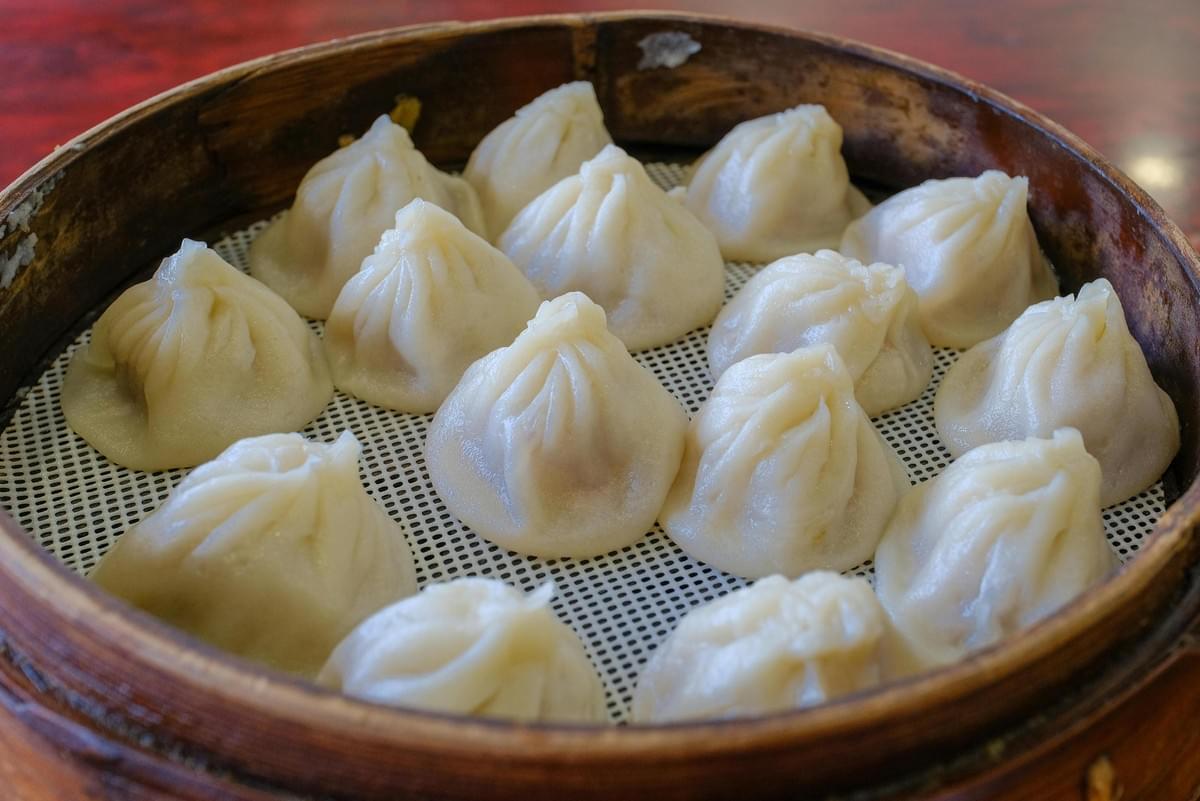
Zhong Guo La Mian Xiao Long Bao offers a glimpse into culinary craftsmanship, with chefs expertly rolling dough and pleating dumplings. Their Xiao Long Bao (soup dumplings) are delicate parcels of rich broth encased in translucent skins, demonstrating restaurant-quality technique at hawker prices.
Xiu Ji Ikan Bilis Yong Tau Foo preserves tradition by hand-making fish paste daily from fresh yellowtail fish, resulting in a bouncy, naturally sweet texture. Served with crunchy fried ikan bilis and local vegetables, this simple dish reflects the care invested in heritage food.
The original Liao Fan Hawker Chan remains a pilgrimage site for its famed Soya Sauce Chicken, glazed to a mahogany sheen and tender from a secret blend of herbs and spicy sauce perfected over decades. Served with steamed rice and sides like braised tofu or preserved mustard greens, it showcases the depth of traditional Chinese cooking.
To finish on a sweet note, Old Amoy Chendol offers a nostalgic dessert made with freshly prepared pandan jelly and rich gula melaka sourced for its caramel complexity. Topped with red beans and crushed peanuts over finely shaved ice and creamy coconut milk, this refreshing treat cools visitors in the humid hawker environment.
These stalls are more than food vendors; they are living custodians of Singapore’s multicultural heritage, preserving authentic flavors with every dish.
The Hands That Feed Us
Behind every great dish at Chinatown Complex is a hawker whose resilience and dedication keep culinary traditions alive. Many are second or third-generation cooks who have inherited family recipes rather than corporate careers. Their passion ensures that dishes like braised duck, duck rice bento, and claypot rice with pork ribs continue to delight.
Stories abound, such as an elderly uncle who has been stirring peanut soup for forty years, hand-shelling peanuts each dawn to preserve the dessert’s authentic texture. These narratives highlight the human element behind the food, emphasizing the care taken to blend ingredients like fermented shrimp paste, dried shrimp, and chili paste into rich sauces defining the local palate.
From yong tau foo stuffed with minced meat and fish paste to fragrant kaya toast paired with soft boiled egg, every dish tells a story of heritage and culinary mastery. The use of dark soy sauce, chili oil, and fermented shrimp in traditional recipes underscores the deep cultural influences shaping Singapore’s food scene.
These hawkers do more than sell meals; they sustain family legacies and serve traditional food in Singapore with every carefully prepared plate.
More Than Just a Meal
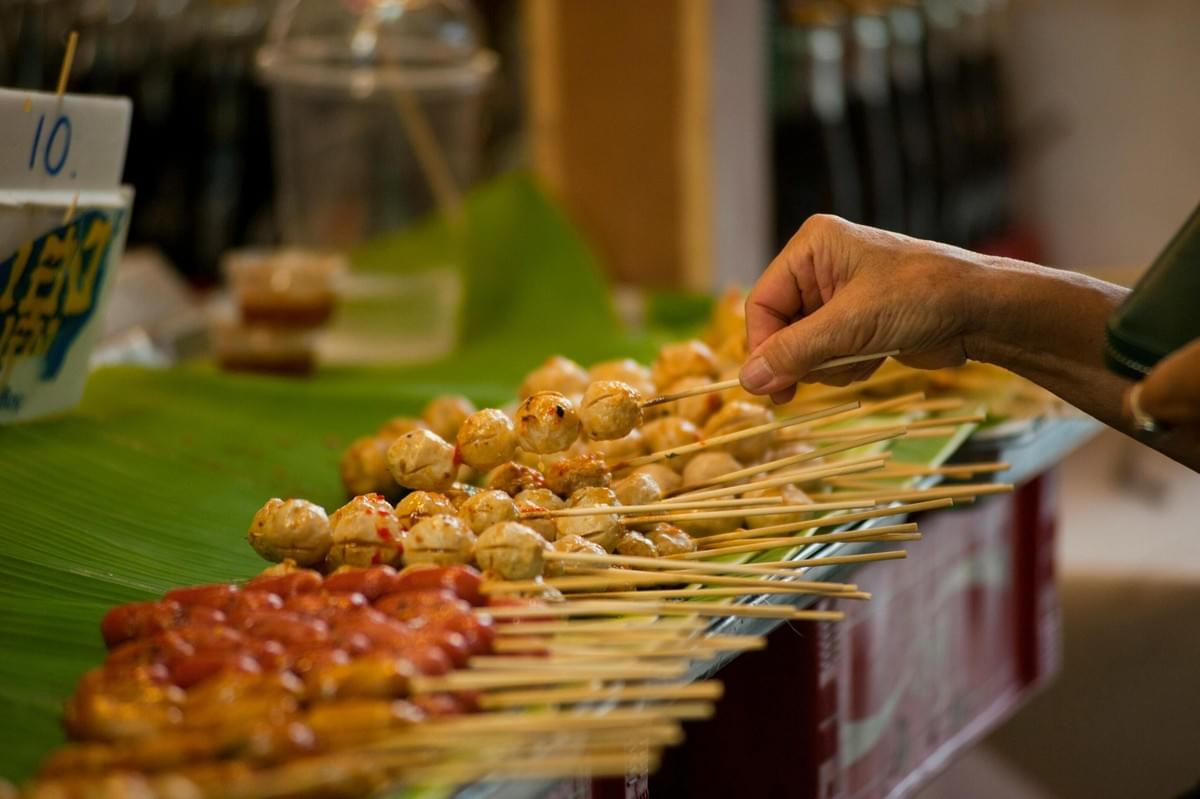
The dishes here reflect Singapore’s rich cultural tapestry. Many originate from distinct Chinese dialect groups (Cantonese soups, Teochew braises, Hokkien noodles) each representing unique culinary facets. Specialties like chee cheong fun rice rolls and savory rice cakes showcase artistry passed through generations.
Festivals such as Lunar New Year and the Dragon Boat Festival bring seasonal delicacies like glutinous rice dumplings and yam rice, connecting younger generations to ancestral rituals. Food serves as a bridge across time, uniting families through shared traditions.
Dining at Chinatown Complex is an immersive experience in Singapore’s culinary heritage. Aromas of roast duck mingle with the comforting warmth of pork ribs simmered in broth. Ingredients like fermented shrimp paste, minced garlic, and fish cake enrich many dishes, exemplifying the depth of local flavor. Whether savoring bee hoon with chili sauce or Chinese rojak at bustling food courts, each bite offers a taste of history.
Practical Tips for Chinatown Complex Food Centre
To enjoy Chinatown Complex fully, timing matters. The lunch rush (12 PM–2 PM) is bustling, so visiting at 2:30 PM or early evening offers a more leisurely experience.
Bring cash, as many veteran hawkers still prefer it, though digital payments are growing. Sharing tables is common and a great way to connect with locals who may recommend your next favorite dish: be it stir fried noodles, claypot rice, or fried chicken.
Prices remain affordable, with most mains between $3 and $6, making traditional food in Singapore accessible to all. Don’t miss staples like Chinese dumplings, yong tau foo stuffed with minced meat, and pork belly or pork ribs simmered to perfection. The smoky flavor of dishes infused with fermented shrimp paste and dark soy sauce, alongside spicy sauces and chili paste, captures the essence of local tastes.
Chinatown Complex Food Centre is more than a food centre; it is a living museum where each bite tells a story of Chinese culture and culinary heritage.
Experience the Living History of Chinese Cooking
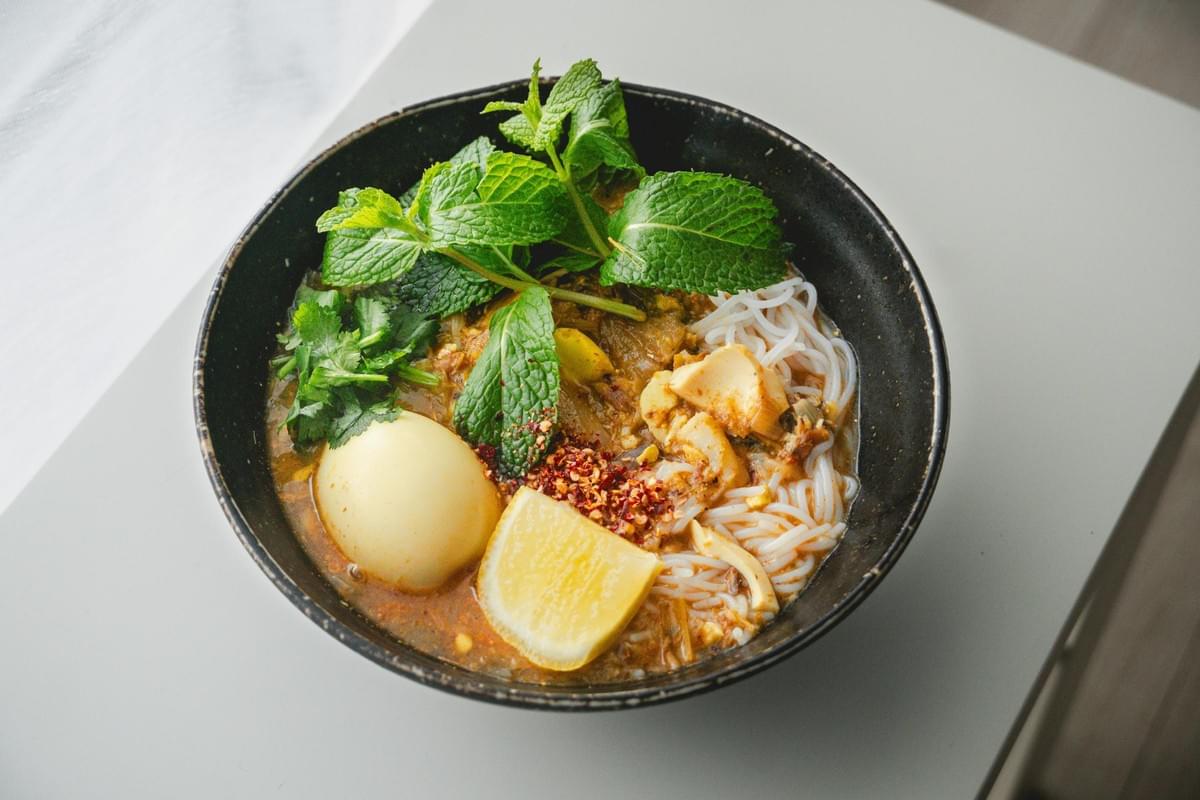
Chinatown Complex reconnects diners with the roots of Singapore’s cuisine. Every plate served carries the weight of history and the warmth of human hands.
Step into this bustling culinary maze. Follow your nose, join a queue, and savor the heritage thriving at its heart. When you find that perfect bowl of noodles or unforgettable claypot rice, share your discovery; after all, good food tastes best when shared.
For those curious about other culinary delights in Singapore, learn more about what makes the nigiri at Sushi Masa by Ki-setsu the most sought-after bite in the city.
