

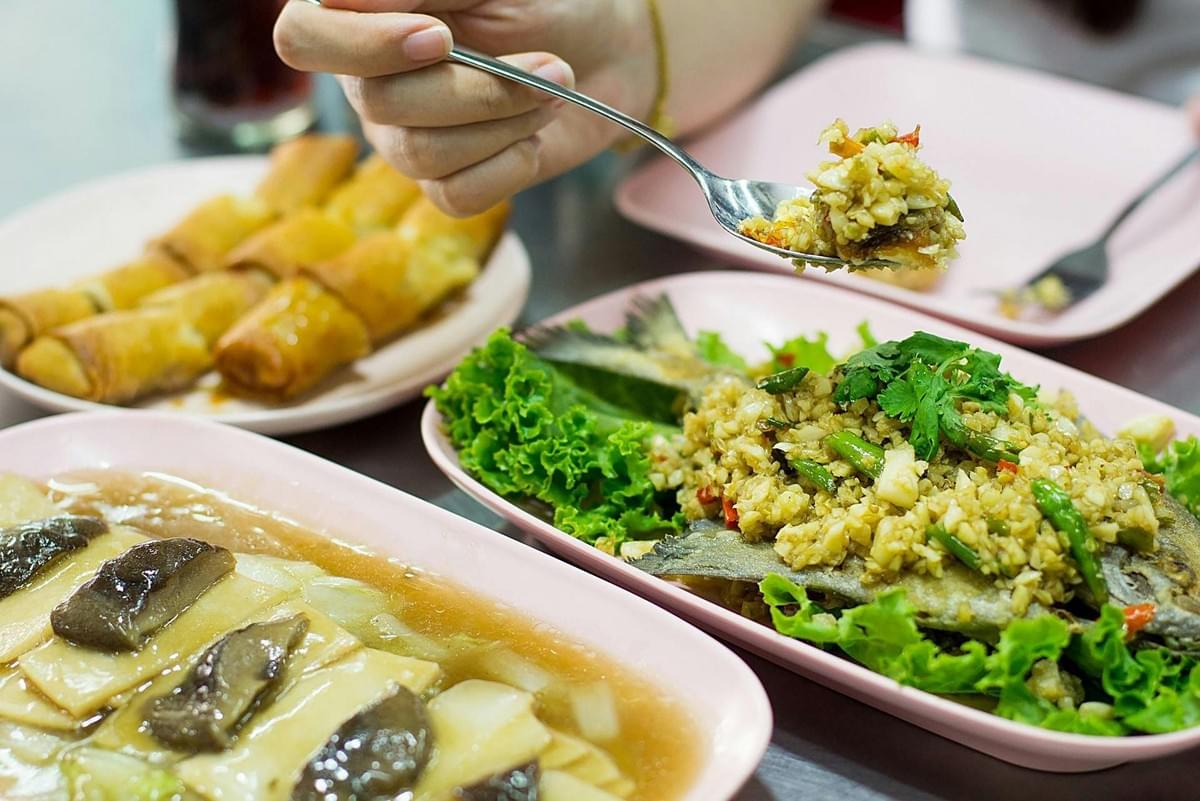
Singapore is often called a food lover's paradise, a place where flavors from around the world meet on a single plate. But what truly defines Singapore food cuisine is not just the variety; it is the beautiful, harmonious story of how different cultures have shared their culinary traditions to create something entirely new and uniquely our own. This is food that tells the story of our nation.
A Melting Pot of Flavors
At its heart, our cuisine is a reflection of our multicultural society. The food on our tables is a delicious dialogue between Chinese, Malay, Indian, and Peranakan communities, blending Chinese and Malay influences seamlessly. This is where you see the magic happen. Think of a bowl of laksa, one of our most iconic Singaporean dishes. It combines rice noodles and flat rice noodles with a rich, spicy coconut milk-based gravy that has Malay and Peranakan roots, creating a flavor profile that is completely distinct.
This fusion is evident everywhere you look. Hainanese chicken rice, considered Singapore's national dish, evolved from the simple food of Chinese immigrants from southern China and Hainan Island into the fragrant rice and poached chicken served meal it is today, often accompanied by chicken broth and chilli sauce. Then there is rojak, a vibrant salad that perfectly embodies our diversity. It tosses together Chinese fried dough fritters, Malay tofu puffs (fried bean curd), and Indian-style shrimp paste dressing, creating a sweet, savory, and spicy sauce mixed with crushed peanuts that shouldn't work, but absolutely does. This is the essence of multicultural food Singapore proudly shares with the world.
History Served on a Plate
To understand our food, you have to understand our history as a bustling port city. For centuries, Singapore was a crossroads of trade, bringing together people, ideas, and ingredients from all over Southeast Asia and beyond. British colonial influence, for example, introduced us to things like toasted bread, which we adapted into our beloved kaya toast: a traditional breakfast item featuring toasted bread spread with coconut egg jam (kaya) and often served with soft boiled eggs and local coffee or tea in kopitiams (traditional coffee shops).
Our strategic location also meant we had access to a rich variety of spices, rice flour, and ingredients from the Malay Archipelago and neighboring regions. This allowed our culinary traditions to grow and evolve, borrowing techniques and flavors from one another. The use of coconut cream in desserts like chendol and the incorporation of sambal chili sauce in many dishes showcase this blend of influences.
On Your Plate: Char Kway teow, Fish Head Curry, & Bak Kut Teh
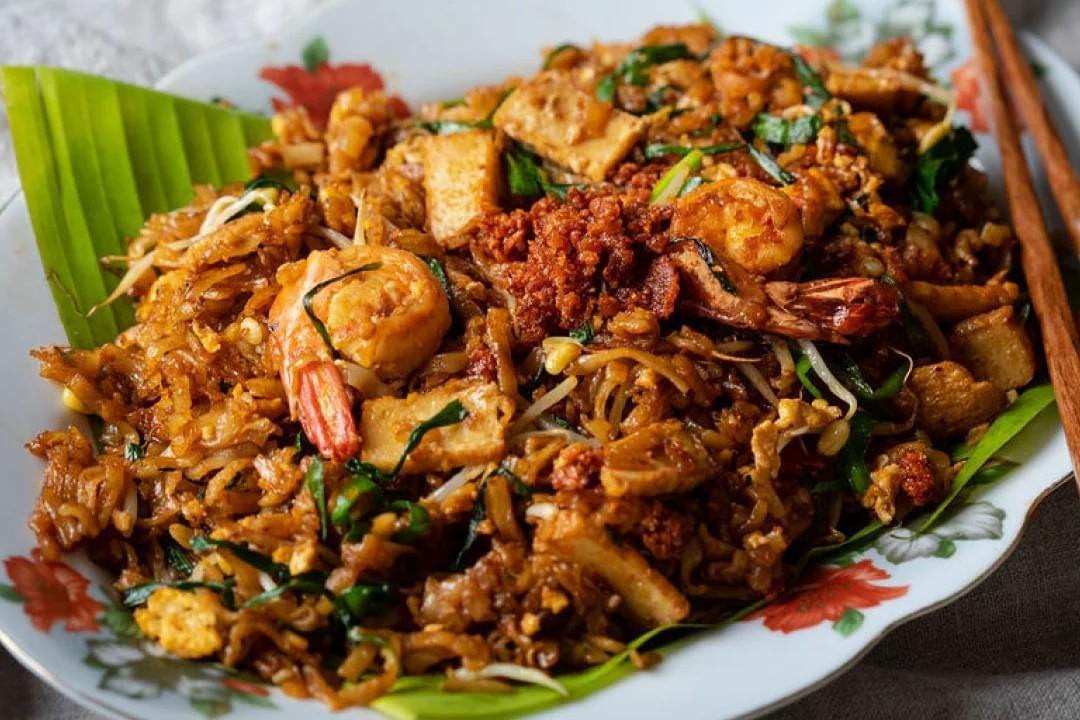
This history of constant exchange and adaptation is a key ingredient in the unique recipe of Singapore food cuisine. It has given rise to a vibrant food culture where popular noodle dishes like Hokkien mee: made with yellow egg noodles and rich prawn stock, and char kway teow: stir fried flat rice noodles with Chinese sausage, fish cake, and bean sprouts, are enjoyed alongside local specialties such as bak chor mee (minced meat noodles), fish head curry, and nasi lemak served on banana leaf with fried chicken and rice cakes.
The diverse flavors and ingredients, from pork ribs in bak kut teh (pork rib soup) to the use of dark soy sauce in many stir fried dishes, reflect the multicultural fabric of Singaporean cuisine. This fusion of Malay cuisine, Indian food, Chinese influences, and Peranakan heritage continues to define our local dishes and keeps Singapore food culture dynamic and evolving.
Hawker Culture: The Heartbeat of Our Nation
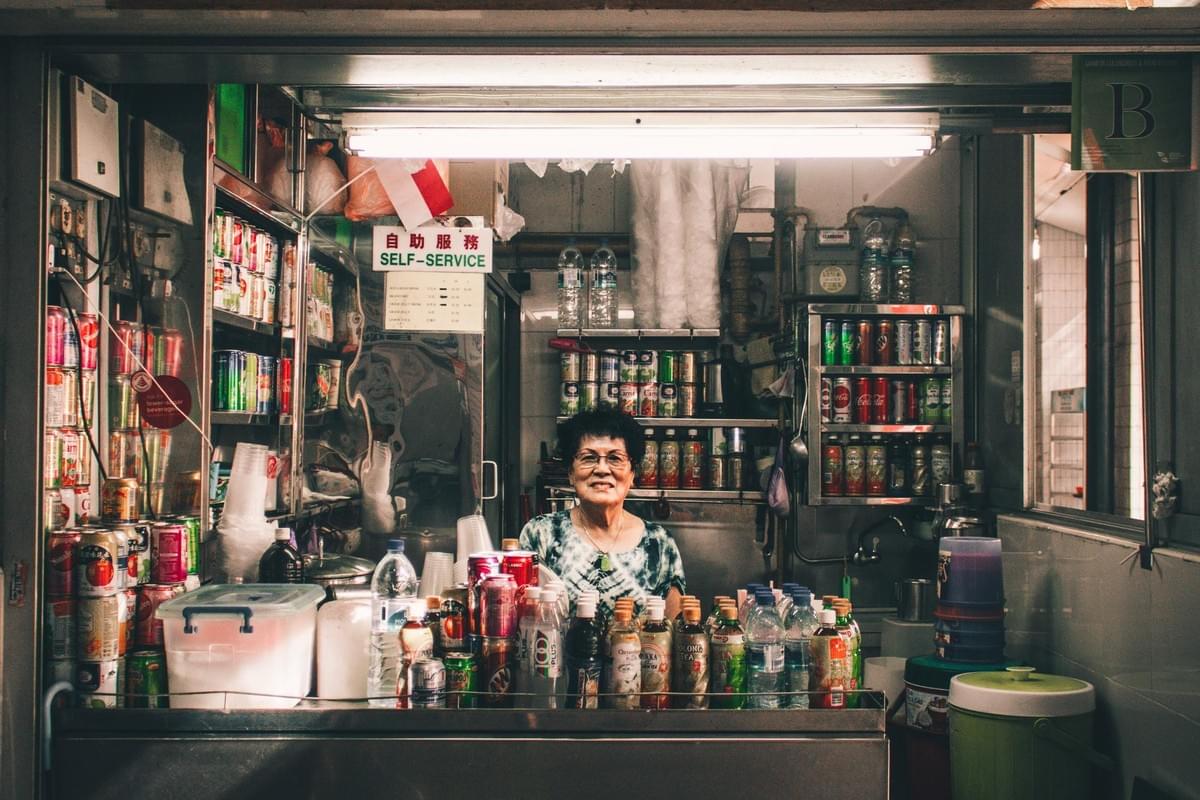
You cannot talk about food in Singapore without celebrating our hawker centres. These bustling food courts are more than just places to eat; they are the heart and soul of our communities and the cornerstone of Singaporean food culture. Here, people from all walks of life come together to share a meal, making it a true melting pot in every sense of the word.
The hawker culture Singapore has nurtured is so significant that it has been recognized by UNESCO as an Intangible Cultural Heritage of Humanity. This honor acknowledges that our hawker stalls are crucial for preserving our Singapore food heritage. They are living museums where hawkers, many of whom are second or third-generation, act as guardians of recipes passed down through their families.
At these hawker centres, you can find an incredible variety of local food, from the fragrant steamed rice served alongside dishes like roasted duck rice and the famous chilli crab to popular snacks like carrot cake and fish balls. The stalls offer everything from minced pork dishes like bak chor mee to sweet treats topped with condensed milk. The vibrant mix of spicy food, sweet sauce, and chilli paste reflects the complex flavors that define Singapore food cuisine.
Iconic locations such as the Airport Road Food Centre are renowned for their diverse offerings, including noodles stir fried to perfection and traditional desserts made with palm sugar and coconut milk. Whether you crave fried tofu, steamed chicken, or refreshing shaved ice desserts like chendol and ice kacang, the hawker centres provide an authentic taste of Singapore’s culinary heritage.
These bustling food courts are the lifeblood of Singapore’s food culture, where tradition meets innovation, and every dish tells a story of the island’s rich multicultural history.
The Unique Flavors of Singapore
So, what distinguishes our food from that of our neighbors in Malaysia or Thailand? While we share many similarities, Singaporean food cuisine often boasts its own unique balance of flavors. Our chefs are masters of layering sweet, savory, spicy, and umami tastes to create a complex and satisfying whole.
Our version of Bak Kut Teh, for instance, is typically a clear, peppery Teochew-style pork rib soup, quite different from the darker, herbal Klang-style popular in Malaysia. Similarly, our Singapore chili crab features a sweet and tangy tomato-based sauce that is distinctly Singaporean, making it a must-try local dish. A special mention must go to Peranakan cuisine, which is arguably the original fusion food of this region, blending Chinese and Malay influences with coconut milk and sambal chili sauce to create dishes with a depth of flavor that is truly remarkable.
Additionally, dishes like nasi lemak showcase fragrant rice cooked in coconut milk, served with fried chicken and compressed rice cakes wrapped in banana leaf, highlighting the rich variety of local food. The use of chicken fat in cooking, especially in iconic dishes like hainanese chicken rice, adds to the rich aroma and taste that define Singaporean cuisine.
These subtle but important differences, along with the vibrant hawker culture and diverse ingredients, give Singapore food cuisine its own unique identity and enduring appeal.
Beyond traditional local dishes, modern culinary gems like the exquisite nigiri at Sushi Masa by Ki-setsu are also gaining acclaim, becoming some of the most sought-after bites in Singapore’s dynamic food scene.
A Celebration of Our Shared Identity
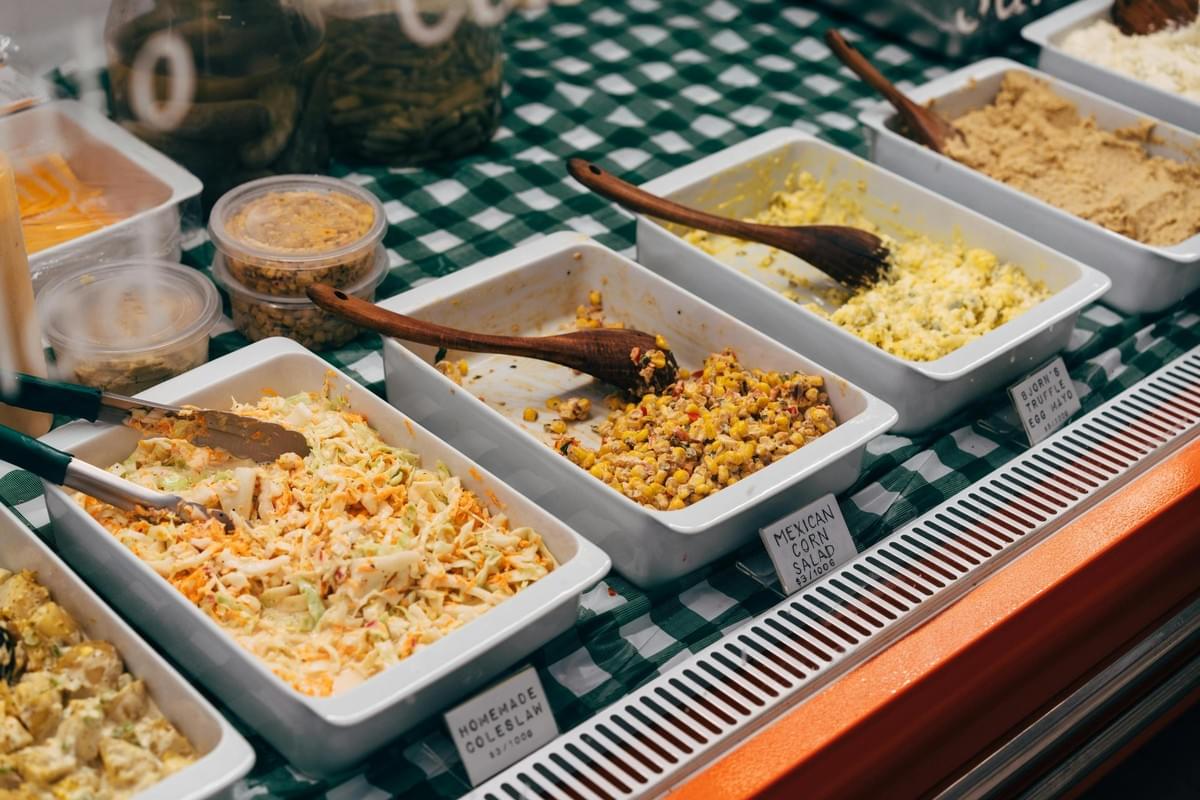
Ultimately, Singapore food cuisine is a celebration of unity in diversity. It is a testament to how different cultures can come together to create something that is greater than the sum of its parts. Every meal is a reminder of our shared history and our collective identity.
What makes Singaporean food special to you? Is it a childhood memory of a favorite hawker dish, or the joy of sharing a meal with loved ones from different backgrounds? We invite you to share your stories with us and celebrate the incredible food that brings us all together.
