

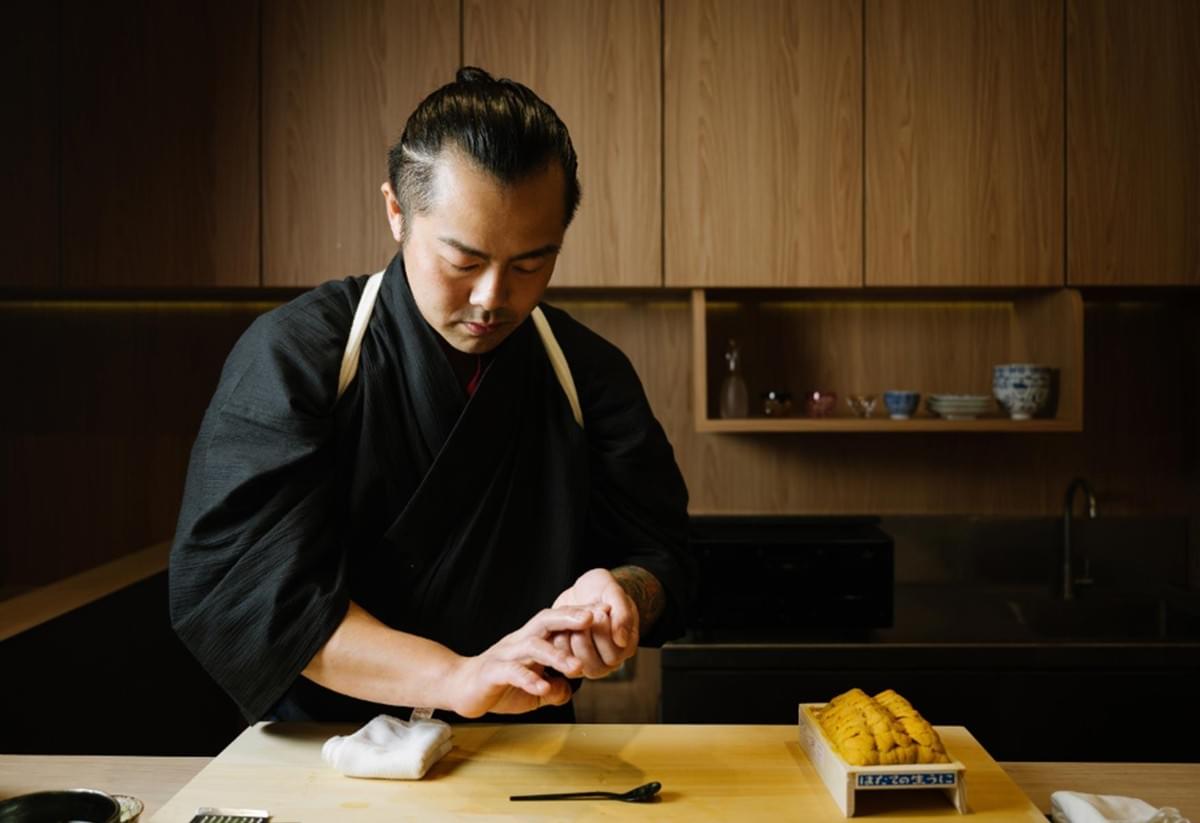
If there is one thing Singapore knows how to do, it is how to wait for good food. It’s in the queue that snakes past three stalls on a Saturday morning, a silent, collective agreement that patience is the price of excellence. We understand that the best flavors cannot be rushed, and we know mastery when we taste it.
This same instinct—that deep, cultural appreciation for dedication—is exactly what draws Singapore’s most discerning diners to a quiet corridor in Cuppage Plaza. Here, at Sushi Masa by Ki-setsu, an intimate 8-seat counter awaits, serving nigiri Singapore diners are willing to wait weeks to experience. It isn't just dinner; it is a testament to the belief that a single bite, executed perfectly, is worth everything.
Singapore Knows How to Queue — And How to Recognise Mastery
We often joke about our national hobby of queuing, but it reveals something profound about our relationship with food. Whether it's a $5 bowl of bak chor mee or a $300 omakase experience, the principle remains the same: we respect the craft. At Sushi Masa by Ki-setsu, that craft is elevated to a level that defies easy comparison.
Located on Level 6 of Cuppage Plaza, this isn't a place you stumble upon by accident. It is a destination for those who understand that true omakase Singapore experiences are not about gold flakes or theatrical smoke, but about the relentless pursuit of perfection on a plate. It is about trusting a chef who treats every grain of rice with the same reverence a hawker treats their master stock.
Understanding Nigiri: The Simplest Dish That Demands the Most

Before we dive into the experience, let’s talk about the dish itself. Nigiri is deceptively simple: a hand-formed mound of seasoned shari (sushi rice) topped with a single slice of neta (fish or seafood). There is no complex sauce to hide behind, no elaborate garnish to distract the eye.
This simplicity is precisely what makes nigiri so unforgiving. It is the most technically demanding expression of Japanese culinary craft because there are no safety nets. The temperature of the rice, the compression of the hand, the fat content of the fish, and the ratio of vinegar—all of it is visible in a single bite. When it is done right, it is a symphony of texture and flavor. When it is done wrong, there is nowhere to hide.
The Shari: Why the Rice Matters as Much as the Fish
In great nigiri, the shari rice matters just as much—if not more—than the fish. At Sushi Masa, the rice is not a silent canvas; it is an active ingredient. Chef Masa shapes every single piece of shari himself, ensuring the grains are loosely packed enough to fall apart gently on the tongue, yet firm enough to hold the neta.
The rice must be served at body temperature, a warmth that unlocks the fats in the fish and creates that magical, melt-in-your-mouth sensation. This is a game of seconds, not minutes. It is a level of detail that requires the chef’s full attention, ensuring that the vinegar balance cuts through the richness of the seafood perfectly.
Why Nigiri at Sushi Masa by Ki-setsu Is Different from Other Omakase Singapore
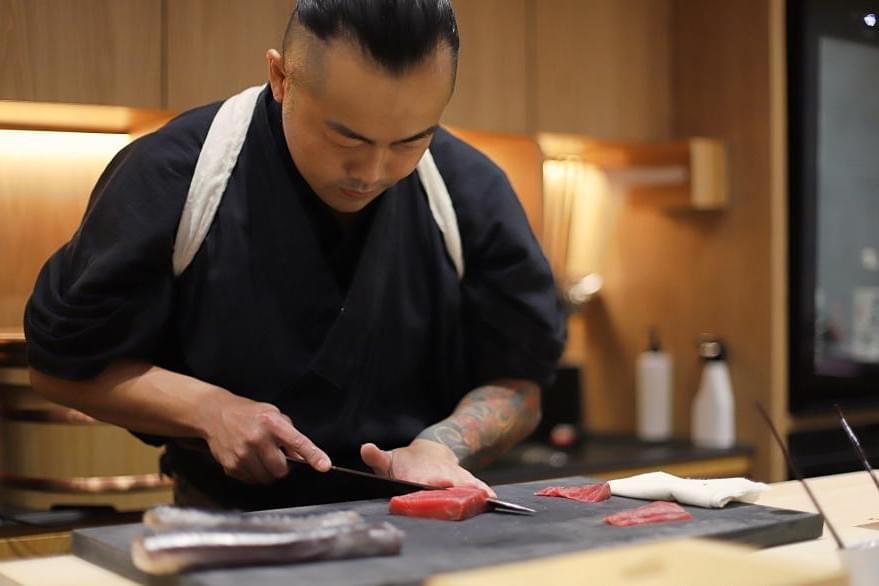
So, what sets this counter apart in a city filled with Japanese fine dining options? It comes down to a few hard truths about how the restaurant operates. Most restaurants run on a fixed menu or a standard supply chain. Sushi Masa by Ki-setsu operates on a different philosophy entirely: the menu serves the ingredients, not the other way around.
Daily Sourcing from Toyosu Market: What Arrives Each Morning
The fish topping your nigiri tonight was not sitting in a freezer last week. In fact, the menu for the evening wasn't even decided until this morning. Ingredients arrive daily from Toyosu Market in Japan, meaning the morning’s catch determines the evening’s meal.
There is no fixed script here. If the market offers a pristine batch of Hokkaido uni or a rare seasonal white fish, that is what appears on your plate. This commitment to daily sourcing means the neta is served at its absolute peak. It is selected hours before service, ensuring a freshness that separates the nigiri here from the majority of omakase Singapore has to offer. You are tasting the season in real-time.
When the Catch Determines the Counter
This dedication to quality also explains why getting a seat can be a challenge. The best ingredients often come in limited quantities. Just like a hawker stall that closes when the soup runs out, Chef Masa sources micro-seasonal seafood in amounts so small that larger restaurants simply cannot access them.
The 8-Seat Counter at Cuppage Plaza: What Precision Actually Looks Like
A specific fish from a specific region of Japan might yield exactly enough slices for eight people—no more. The 8-seat limit at Sushi Masa by Ki-setsu is not a marketing gimmick to create exclusivity. It is an honest arithmetic: this is the precise number of guests the day's finest ingredients can serve perfectly.
Furthermore, serving only eight guests allows Chef Masa to monitor each diner's pace. He can ensure that every piece of nigiri reaches you at the exact moment the rice and fish temperatures align. At twenty seats, this level of calibration becomes impossible—the shari cools, the neta warms up, and the magic moment passes. Here, precision is the priority.
The Seasonal Omakase Menu: 16+ Courses, No Two Nights the Same

When you sit down for dinner, you are embarking on a seasonal omakase journey of 16+ courses. Because the menu is built from scratch each day, no two nights are exactly the same. One evening might feature a progression of tuna cuts that mimics the fatty richness of wagyu; the next might highlight the delicate sweetness of spring shellfish.
The dinner omakase, priced at $230+ or $320+ per person, is a comprehensive tour of Japanese seasonality. For the $230+ omakase menu, you’ll have seasonal appetisers, sashimi, cooked dishes, nigiri sushi, soup, and dessert within 16+ seasonal courses. For the $320+ menu on the other hand, you’ll be served with seasonal appetisers, sashimi, cooked dishes, nigiri sushi, soup, dessert and Chef Masa’s signatures and specials for 18+ seasonal courses.It typically spans 2 to 3 hours, allowing you to settle in and let the chef guide you through flavors that range from delicate and floral to bold and savory. It is a rhythm of eating that feels both luxurious and intimately personal.
Tips for First-Timers: What to Know Before You Book
If you are planning to experience this for yourself, a little preparation goes a long way. Here is what you need to know to make the most of your visit:
- Book Well in Advance: Reservations are essential and often fill up weeks to months ahead. Do not expect to walk in or book a table for tomorrow night.
- Dinner Service Only: The restaurant opens for dinner only, Tuesday to Saturday. They are closed on Mondays.
- Private Bookings: Sundays are reserved for private group bookings, which can be a fantastic way to celebrate a special occasion.
- Arrive with an Open Palate: Remember, there is no menu to preview. The evening is guided entirely by Chef Masa and the ingredients he has secured that day.
- Communicate Early: Since the menu is created daily, it is crucial to communicate any dietary restrictions at the time of booking so the chef can prepare alternatives.
- Allow Time: The experience runs approximately 2–3 hours. Clear your schedule and allow yourself to fully enjoy the pacing of the meal.
If you're planning to explore the city's culinary scene further, A One-Day Itinerary for Singapore Foodies that pairs perfectly with a high-end lunch like the one at Sushi Masa could be what you need.
The Bite That Justifies the Wait
Singapore diners have always known that the best food requires patience. We wait for the seasonal durian, we queue for the legendary hawker, and we book weeks in advance for a seat at the chef’s table. At Sushi Masa by Ki-setsu, the wait is simply the honest price of eating something made by someone who has given their craft everything.
It is a reminder that in a fast-paced city, slowing down to appreciate a single, perfect bite of nigiri Singapore style is a luxury worth seeking out. Whether you are a seasoned connoisseur or just beginning your journey into fine Japanese dining, this is a bite that justifies the anticipation.
Sushi Masa by Ki-setsu
Level 6, Cuppage Plaza, Singapore
Website: www.kisetsu.com.sg
Dinner: Tuesday to Saturday
Private Bookings: Sundays
Closed: Mondays
Price: $230+ or $320+ per person
Advance reservation essential.
