

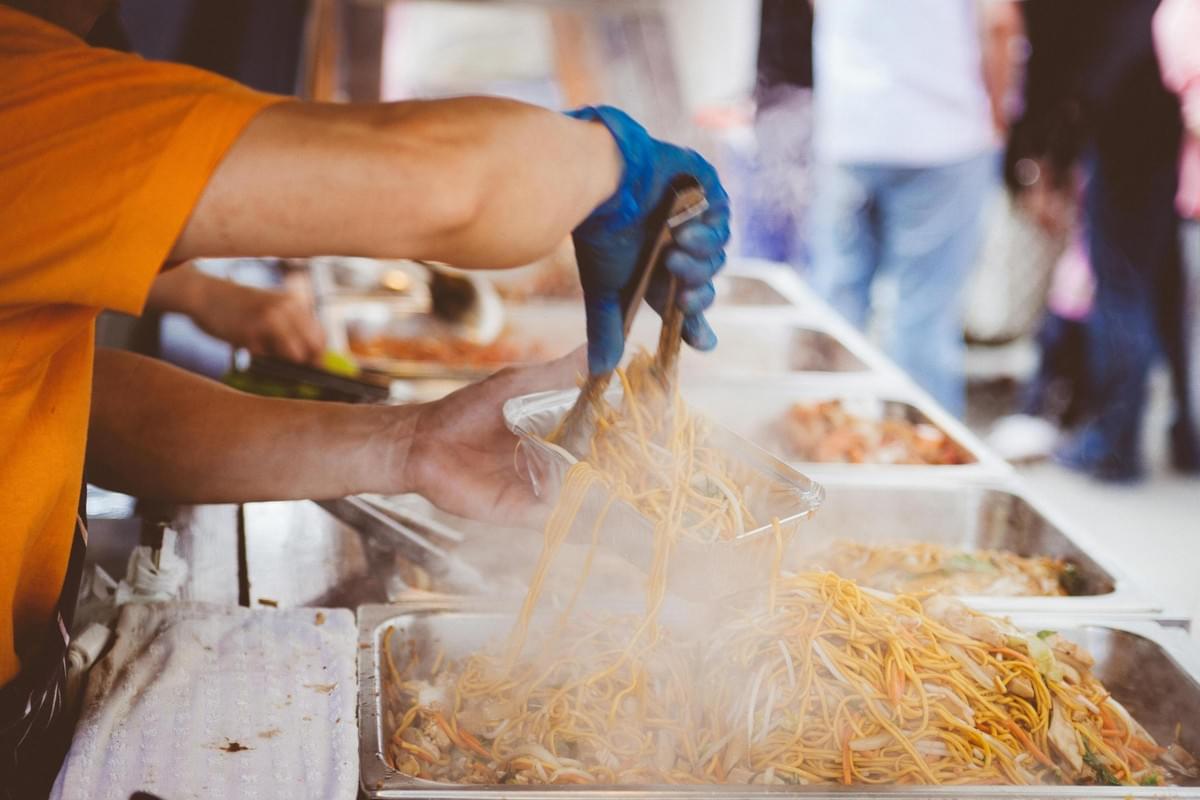
When the sun sets and the woks start blazing, magic happens. Whether it is the rhythmic chopping of garlic or the irresistible aroma of roasted meats, the heartbeat of any great city is found in its food. As a local who spends most days exploring our neighborhoods for the perfect bite, I feel an immense sense of pride in our culinary heritage.
In 2020, our hawker culture was officially recognized by UNESCO, cementing our status on the world stage. But what exactly makes Singapore street food so special? Let us take a flavor-filled journey to see how our little red dot stacks up against the heavyweights of the global culinary scene.
What Defines Great Street Food Cities Globally
Before we look at our own backyard, we need to understand what makes a city a true street food capital. Globally, the best street food destinations share a few common traits. They offer incredible accessibility, meaning delicious food is available at almost any hour. They boast immense cultural representation, where recipes are passed down through generations.
Singapore's Street Food Identity: The Hawker Centre Model
Unlike many other countries where vendors push carts along busy sidewalks, our identity is built around the hawker centre. A street food market Singapore style is highly organized, sheltered from our unpredictable tropical rain, and packed with communal seating.
This setup transforms eating into a shared community event. You can easily "chope" (reserve) a table with a packet of tissues, wander around to order from five different stalls, and bring everything back to share. This organized brilliance makes our hawker centre food incredibly accessible for both locals and tourists alike, without sacrificing an ounce of authenticity.
How Singapore Compares to Other Street Food Capitals
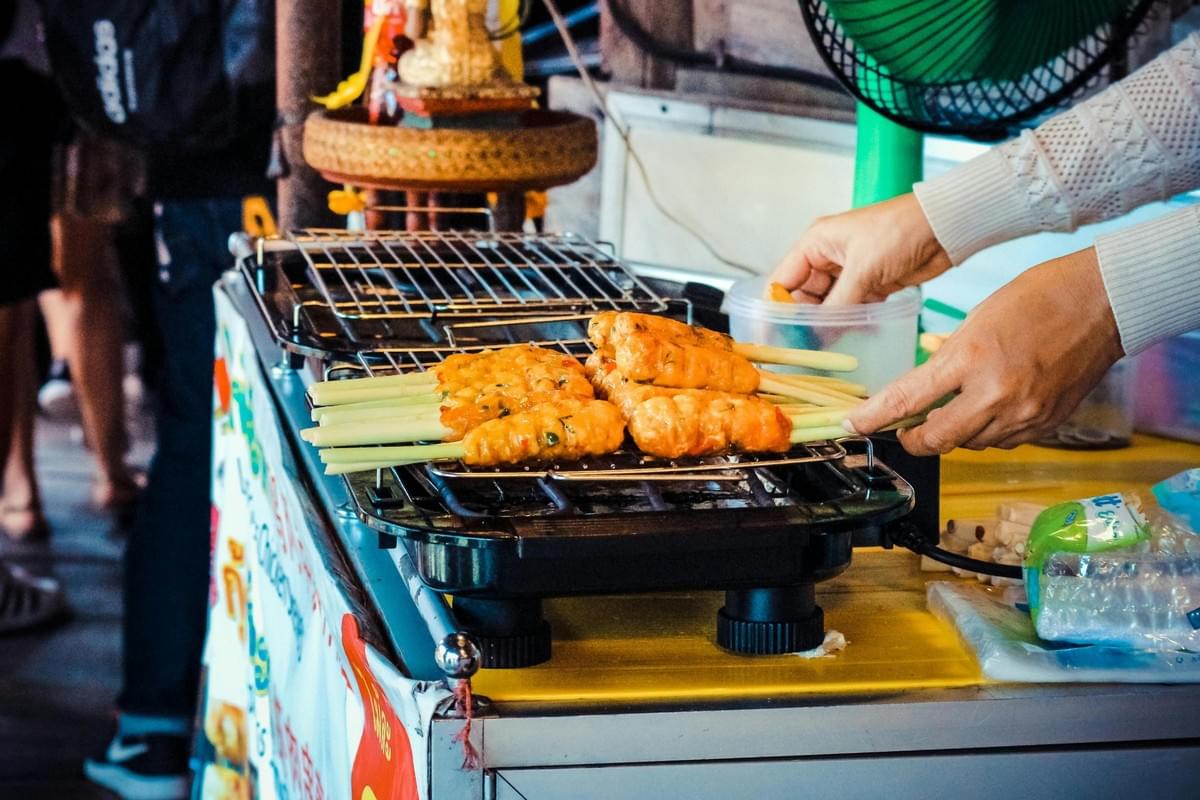
To truly appreciate where we stand, we have to look at the broader Global Street Food Culture (https://globaldiningtrends.com/global-street-food-culture/). How do we compare to other legendary food capitals?
- Bangkok: Known for its fiery, spontaneous sidewalk woks and bustling alleyways, Bangkok offers an exciting, chaotic energy.
- In contrast, Singapore’s hawker centres are open air food courts with permanent food stalls, providing a more seated, comfortable, and highly regulated dining environment that highlights the visit Singapore street food culture.
- Taipei: Famous for its vibrant, neon-lit night markets packed with crispy chicken wings and stinky tofu, Taipei’s street food scene is lively and nocturnal.
- Meanwhile, Singapore’s hawker centres operate all day (typically more crowds during lunch hours), serving as communal dining rooms where locals enjoy affordable food and a wide variety of dishes, from fragrant rice cooked with chicken fat to spicy laksa with a rich coconut milk base.
- Mexico City: The undisputed king of the street taco stand, where eating standing up is an art form.
- In Singapore, the focus is on shared meals at hawker centres featuring dishes like char kway teow made with flat rice noodles and egg noodles stir fried with Chinese sausage and minced pork, encouraging long conversations around food stalls.
- Istanbul: Renowned for mobile carts selling fresh simit and roasted chestnuts, Istanbul’s street vendors are mobile and casual.
- Singapore’s hawker culture, as stated before, revolves around permanent stalls in food centres (such as Maxwell Food Centre and Golden Mile Food Centre) where you can savor iconic Singapore street food like chilli crab, kaya toast with coconut cream and condensed milk, and soft boiled eggs alongside your kopi in a traditional coffee shop setting.
What Makes Singapore Cuisine Unique on the World Stage
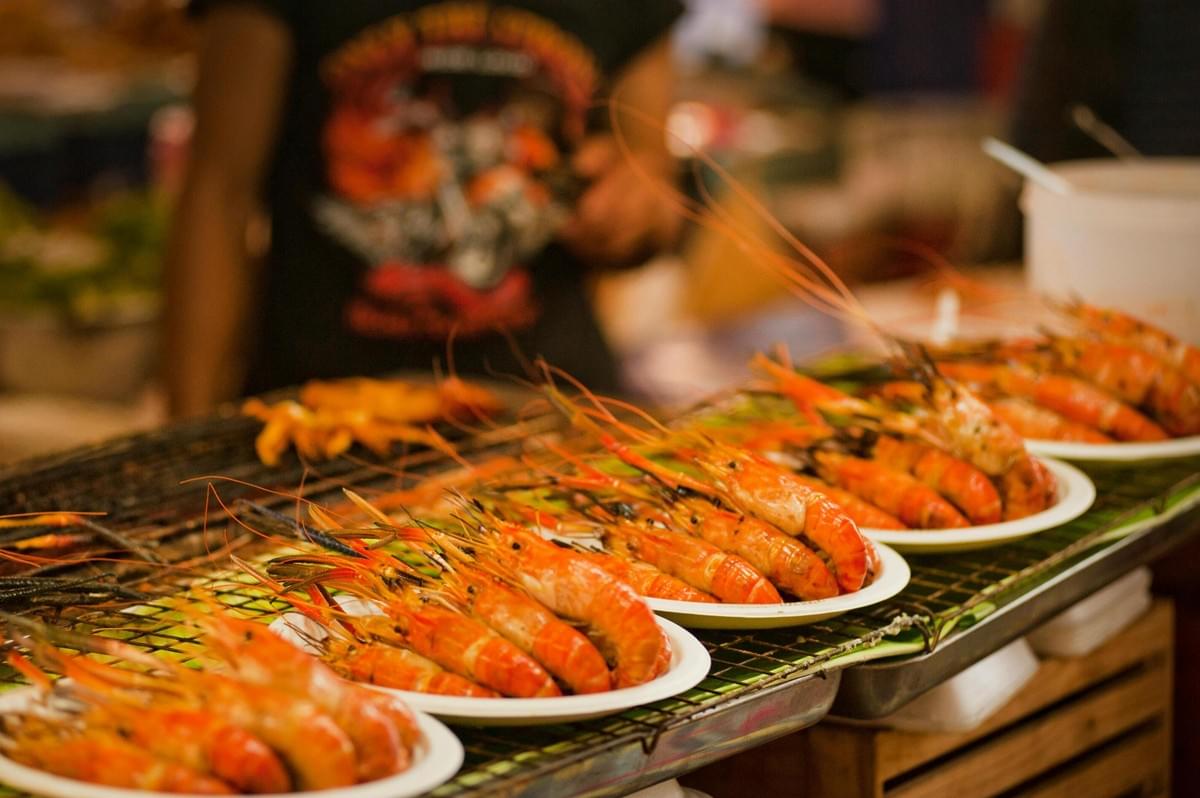
The true superpower of Singapore cuisine is our multicultural heritage. We are a beautiful collision of Chinese, Malay, Indian, and Peranakan cultures. This diversity creates an Asian street food ecosystem that is practically unmatched.
My Hawker Center Routine
Within a single hawker centre, you can feast on a stunning variety of iconic Singapore food dishes that truly showcase the city’s rich multicultural heritage, here's my personal step by step foodie guide when it comes to tasting our cuisine:
- Step 1: I start almost instantly with a delicate, fragrant plate of Hainanese chicken rice, featuring tender poached chicken served over steamed rice cooked in chicken fat, accompanied by chili sauce, dark soy sauce, and ginger paste.
- Or maybe if I'm feeling more of a soup; a slurp of bak chor mee with its perfectly seasoned noodles and tender minced pork. And if I wanted something more rich, I'll dive into a bowl of a spicy coconut laksa, a peranakan dish that blends Chinese and Malay influences with a creamy coconut milk base and rice noodles.
- Step 2: Then for something more easily chewed, I'd go for skewers of smoky, charcoal-grilled mutton satay, served with a sweet and mildly spicy peanut sauce. Maybe even a classic crispy fried chicken, or seasoned chicken, paired with traditional sides like hard boiled eggs if I'm with my friends.
- Step 3: After that, I'd feel more into a plate of char kway teow, stir fried with flat rice noodles (or yellow egg noodles), Chinese sausage, minced pork, and sambal chili, bursting with the breath of the wok (wok hei). Much better if it has fish balls or sweet corn.
- Step 4: One of my favorites as well is the white carrot cake, made from rice flour and shredded orange carrots, pan-fried to crispy perfection, and the irresistible oyster omelette, my savory hawker favourite.
- Step 6: Lastly, I beat the heat and push it all down with a pineapple juice. Or even a dessert like dish like the kaya toast slathered with coconut jam infused with palm sugar’s rich sweetness and red beans.
Now that I'm writing this, I have realized something. That Singaporean food culture at its best is why the best hawker stalls in Singapore feel like a culinary tour of Asia, all under one roof. That's why it makes sense to me that we are visited around the world just for our street food alone.
Singapore's Evolution: Where Tradition Meets Modernity
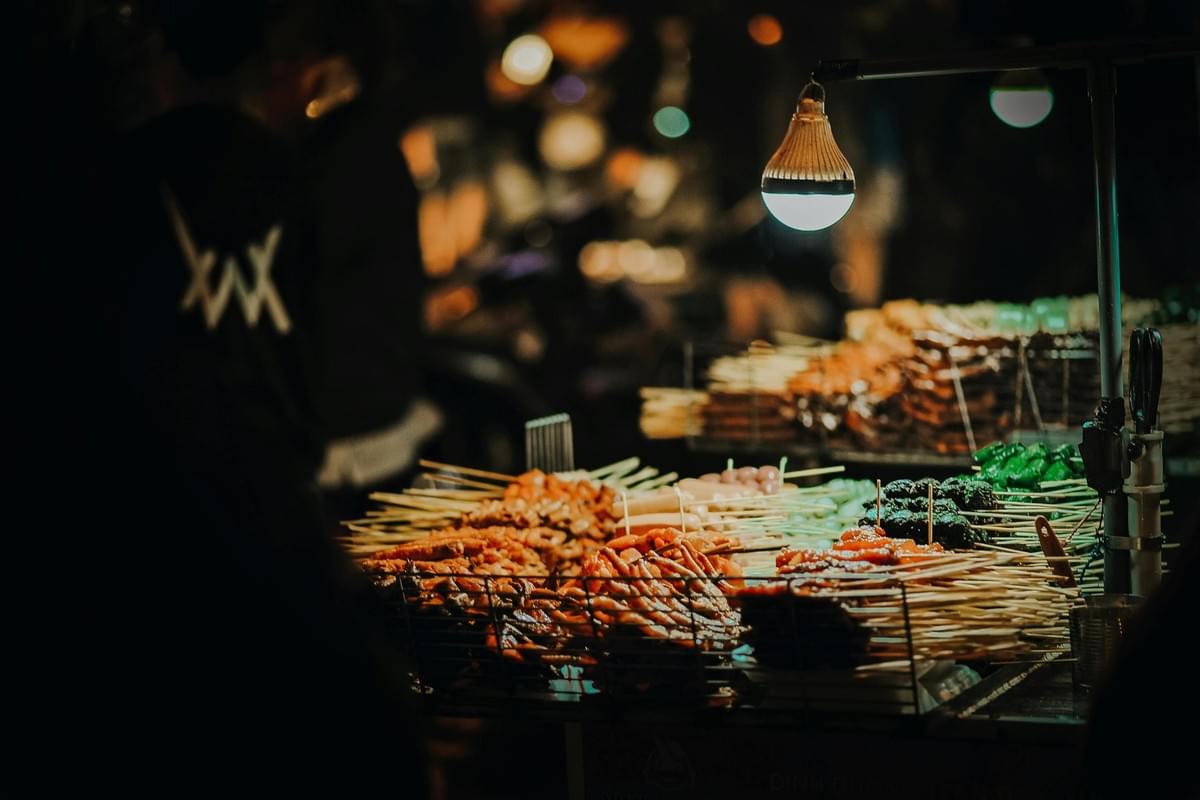
Our street food scene is not just a museum of the past; it is a living, breathing ecosystem. Today, we are seeing a thrilling wave of young "hawkerpreneurs" stepping up to the stove. These young chefs are innovating within traditional frameworks, blending classic recipes with fresh produce and bold new ideas. At iconic spots like Maxwell Food Center and Airport Road Food Centre, you can find everything from traditional dishes to exciting reinterpretations.
Modern Techniques and Our Future in the Culinary Atmosphere
They are taking classic recipes (think chili crab served with perfectly balanced chilli sauce, or hearty broths simmered with pork bones) and infusing them with modern techniques. Imagine truffle-infused wonton noodles right next to uncles who have been selling traditional fishball noodles for fifty years. You might also find peranakan food with a contemporary twist, or Indian food stalls that highlight vibrant Indian flavors alongside crispy roast duck and fluffy rice cakes.
Building Respect and Innovation in Food Centres
This blend of deep respect for tradition and bold modern innovation keeps our food scene incredibly exciting. Whether it’s the comforting aroma of flat rice noodles stir-fried with fish paste or the simple pleasure of kaya spread on toasted bread, Singapore’s hawker centres (from the bustling Newton Food Centre to lively food courts across the city) continue to celebrate what has been traditionally eaten while embracing the new.
Food Markets of Pride and a World to Explore
When I look at where Singapore stands in the global food scene, I feel an overwhelming sense of gratitude. Our hawker centres are more than just places to eat; they are the communal dining rooms of our nation. They represent our history, our diversity, and our shared love for an amazing meal.
While we hold a top-tier spot on the world stage, the global street food landscape is vast and wonderful. I encourage you to keep exploring, keep tasting, and keep celebrating the incredible flavors that our world has to offer; starting right here at home.
