

By Simon Lee for My Taste of Singapore
There is a sound I know before I know the smell. It’s the melody of the pull before the slurp that Asia Food Fanatic has taught so well.
The knock of a metal ladle against the side of a pot. Then the hiss of noodles dropping into boiling water at a stall in Chinatown, steam rising into a fan that clacks overhead. I was seven when I first noticed it, tugging my grandfather's sleeve, waiting for wonton noodles.
I still wait for that sound.
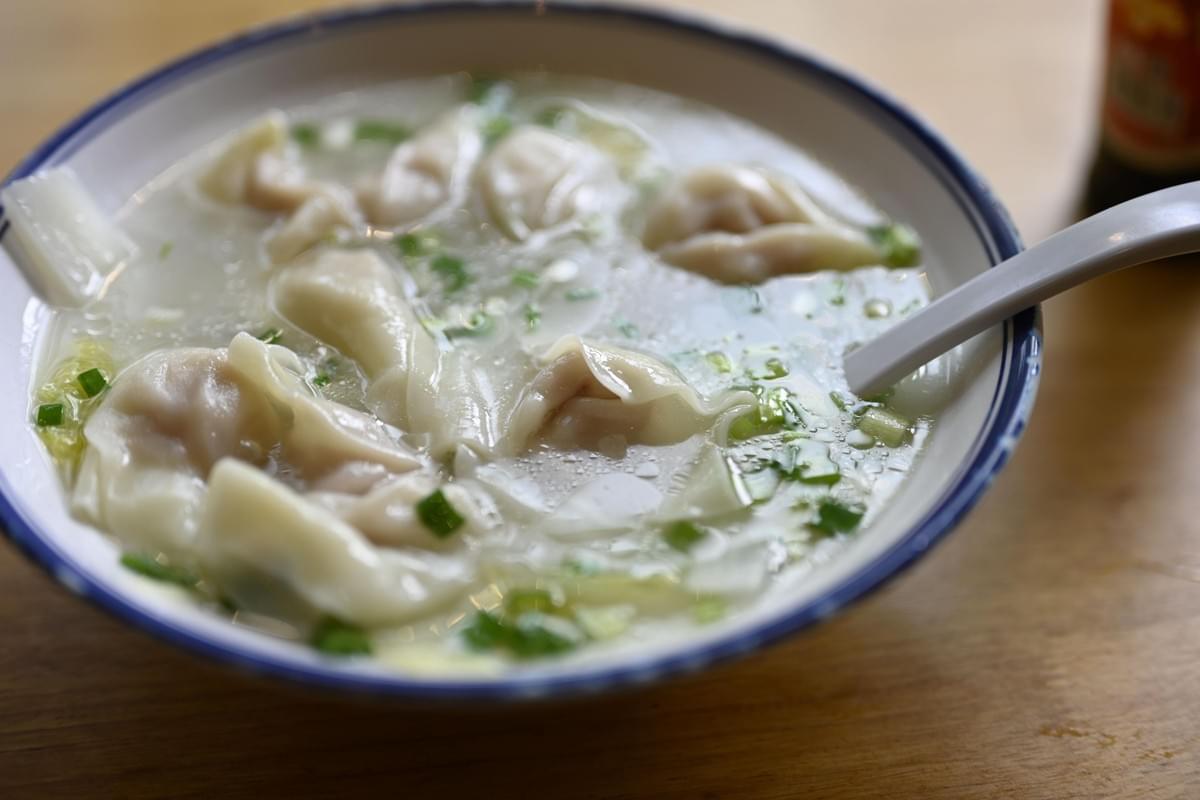
The uncle works fast. A basket of egg noodles plunged, lifted, shaken. Water flicked off in a quick arc. A slick of dark sauce at the bottom of the bowl, then the noodles tumbled in and tossed by hand. Char siu fanned on top. Wontons floating in a small side bowl of clear soup.
At the next stall, mee pok gets the same rhythm but a different soul. Flat, wide, chewy, tossed with chilli and vinegar and pork lard. Beside it, bee hoon waits patiently, thin as thread, soaking up whatever broth it is given.
Here is what took me years to understand. The noodle is never really the point. The timing is.
Char kway teow slides best when it is barely cooked, still holding its bite. La mian, pulled and folded by hand, carries the memory of the arms that stretched it. Tang hoon, those glass strands, vanish into a soup and reappear only when you lift the spoon. Each one asks the cook to know the exact second to stop.
That knowing is not written down. It is passed, stall to stall, generation to generation, from a Hokkien grandmother to a Teochew son to a young hawker who now takes cashless payment and still tosses noodles the old way.
That is Singapore, I think. Old hands, new tables.
I watch a family share a table with strangers. A mother portions kway teow onto a child's plate. Two office workers debate mee pok dry or soup, the way people here have debated it for decades. Someone reaches across for the chilli.
Nobody says much. The soy sauce bottle has a chip on its cap. The plastic stools are the same red as the ones from my childhood.
I finish my wonton noodles slowly. The last mouthful is always a little cold by then, the sauce gone sticky at the bottom. I do not mind.
A bowl of noodles tells you where a community came from and where it is quietly going. The dialects fade. The recipes soften and shift. But the knock of the ladle stays.
And I keep coming back for it.
💌 With curious taste buds,
Simon Lee
