

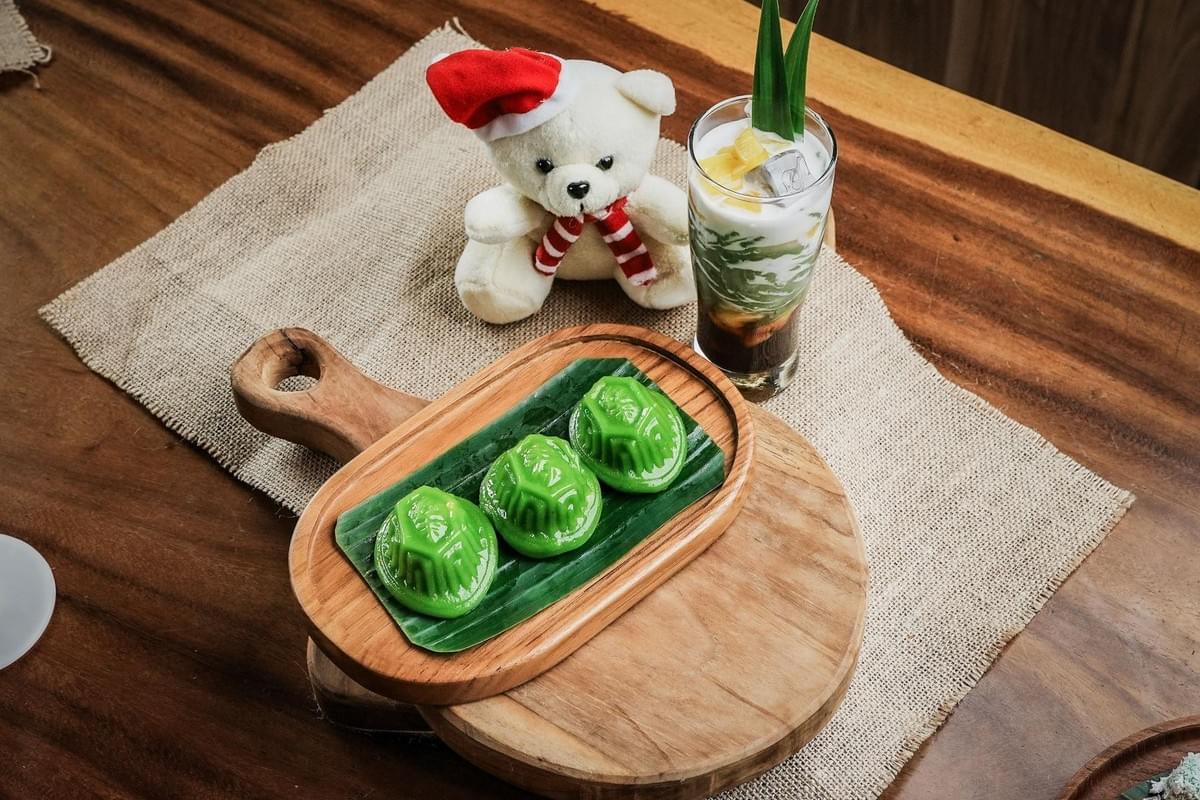
The home with five green things.
I remember standing at the counter, dazzled by the little trays of colour, pointing at whatever looked prettiest. Green, green, more green. I thought I was being adventurous. I was really just buying the same flavour five times over.
That afternoon taught me something. Kueh is not about colour. It never was.
If you have ever felt that same quiet confusion at a kueh stall, this guide is for you. Let me save you from my mistakes.
What Is Nyonya Kueh? Understanding Nyonya Kueh and Its Origins
Here is the first thing worth unlearning. Kueh is not simply a category of sweet cakes or desserts.
It is a whole family of foods. Some are steamed, some boiled, some baked, some rolled by hand or pressed into little wooden moulds. Some are wrapped in banana leaves. And not all of them are sweet.
Nyonya kueh, specifically, comes from Peranakan culture, born from centuries of mixing between Southern Chinese settlers and the Malay world around them in Southeast Asia. You can taste that integral part of their history. Chinese technique meets traditional Malay kuih ingredients, and the result is something neither one nor the other.
The National Heritage Board recognises kueh as part of Singapore's intangible cultural heritage, with real emphasis on preserving the handmade ways of making it. That matters more than it might sound. We will come back to it.
For now, hold onto this. Nyonya kueh is less a box of mysterious cakes and more a collection of textures, aromas, and quiet flavours built on rice flour, glutinous rice flour, and tapioca flour.
The Ingredients Worth Knowing First: Glutinous Rice and Gula Melaka
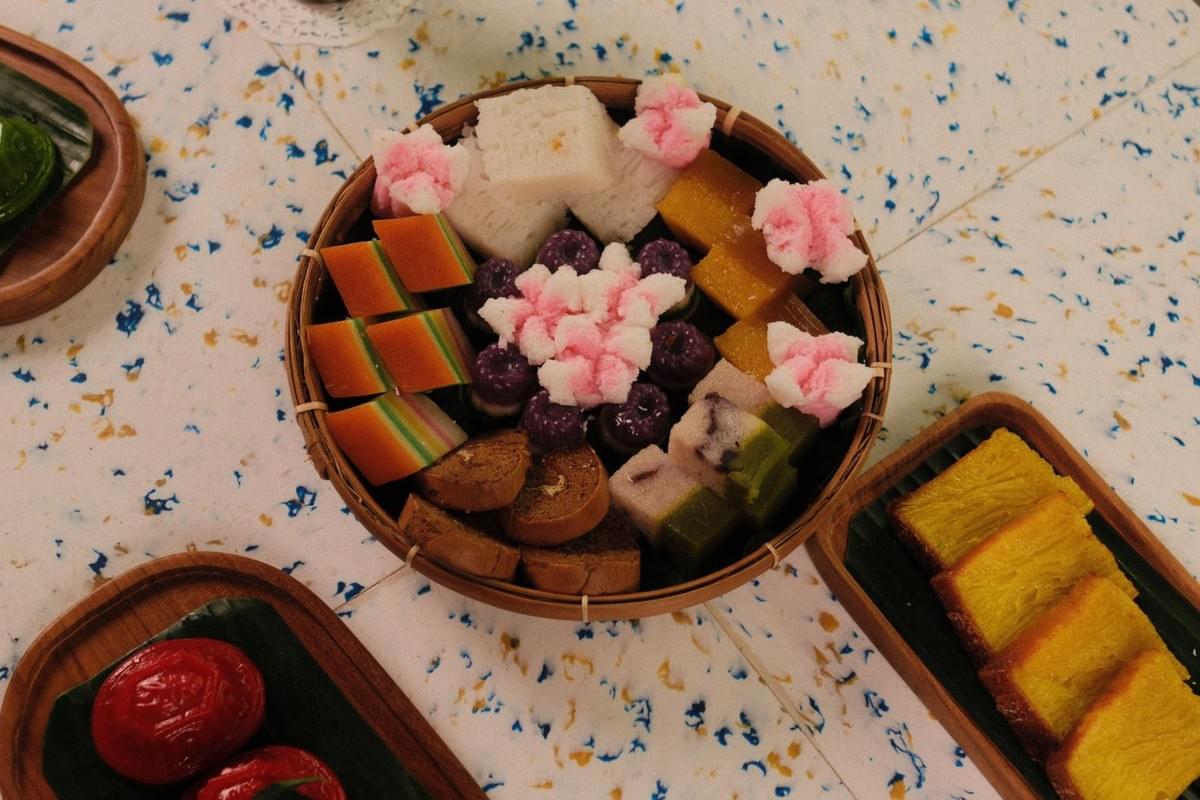
Once I understood the ingredients, the names stopped feeling like a foreign language. So let me hand you the building blocks.
- Pandan leaves and pandan juice give many kueh their green colour and that sweet, grassy fragrance you probably already recognise. It comes as juice, extract, or whole leaves for steaming.
- Coconut is everywhere. Coconut milk, freshly grated coconut flesh, coconut shavings, cream, cooked fillings. It brings richness and chew. Fresh makes a real difference here, something I only noticed once I tasted the two side by side.
- Gula melaka, or palm sugar, is the deep, caramel-like sweetness behind so many kueh. Good gula melaka tastes smoky and earthy, not flat like white sugar.
- Glutinous rice gives that sticky, chewy, substantial bite. Rice flour does something gentler, soft and slightly firm. Tapioca flour adds bounce and a pronounced chew.
- Mung bean and green bean (sometimes called green pea flour in certain recipes) are common flavouring ingredients used in sweet fillings. And butterfly pea flower, or bunga telang, is where that natural blue comes from. Not food dye. A flower.
Insider knowledge: You don't need to memorise thirty kueh names. Learn these six or seven ingredients, and the names start to explain themselves. Pandan means fragrance. Coconut means richness. Gula melaka means depth.
A Beginner's Tasting Guide:
Kueh Lapis, Ang Ku Kueh, Kueh Salat, and More
- Ondeh-ondeh. A pandan glutinous-rice ball, coated in freshly grated coconut, with a molten palm sugar centre. The skin should be soft and chewy. When you bite through, the palm sugar bursts.
- Kueh dadar. A thin green pandan crepe rolled around sweet coconut filling. Soft, a little springy, and never overwhelmingly sweet.
- Kueh salat, sometimes called seri muka, is a traditional nonya kueh with steamed glutinous rice as the bottom layer and a smooth pandan custard white layer above. This is the best lesson in contrast you can eat: chewy to creamy in one bite.
- Kueh lapis. The layered one. Half the joy is peeling it apart. It should be tender and elastic, moist rather than dry, with two layers alternating colours.
- Pulut inti. Coconut glutinous rice topped with grated coconut and palm sugar sweet filling. The rice should hold together, chewy, not mushy.
- Kueh kosui. A small, soft, bouncy rice-flour cake, deep with gula melaka.
- Kueh bingka ubi or sweet potato kueh. A baked tapioca cake, dense and moist with a pleasant chew. Completely different from all the steamed ones above.
How Each One Should Feel: Texture and Freshness in Nyonya Kueh
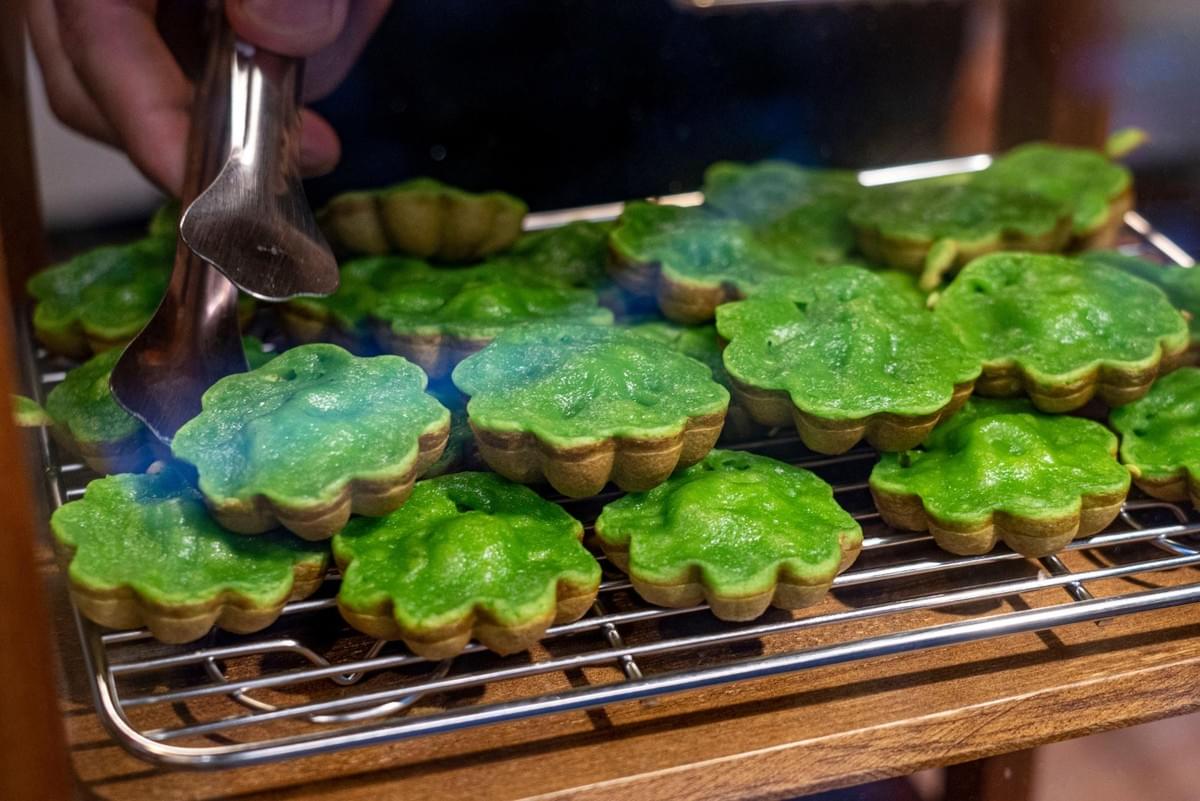
Texture is the easiest way to tell whether a kueh is well made. Honestly, it tells you more than the taste does.
A good ondeh-ondeh feels soft, never hard or crumbly. Kueh lapis should pull apart in tender layers, not snap like western cakes. Kueh salat should move from sticky to silky. Pulut inti's steamed glutinous rice should be cohesive, its coconut moist and fragrant.
Pro tip: Before you judge sweetness, notice the texture and the aroma first. I've found the best kueh reveals itself slowly. Sweetness comes last, and it's rarely the loudest thing.
One honest warning about ondeh-ondeh. Don't bite it timidly, and don't bite it aggressively either. Somewhere in between. The molten centre has caught more than a few people off guard, myself included, in a nice shirt.
How to Order a Mixed Box: Tips from Mrs Kueh and HarriAnns Nonya Table
Choose by texture, not by colour. A good beginner box might look like this:
- Ondeh-ondeh, for the chewy skin and molten middle
- Kueh salat, for sticky rice against creamy custard
- Kueh dadar, for the soft crepe and coconut
- Kueh lapis, for the elastic layers
- Kueh bingka ubi, for a dense, baked contrast
Five genuinely different experiences. That is the whole point. Kueh is small and made for sharing, so a mixed box lets you taste widely without waste. Mrs Kueh and HarriAnns Nonya Table are great places to start exploring these delicious treats.
What You'll Pay for Kueh in Singapore: Prices and Value
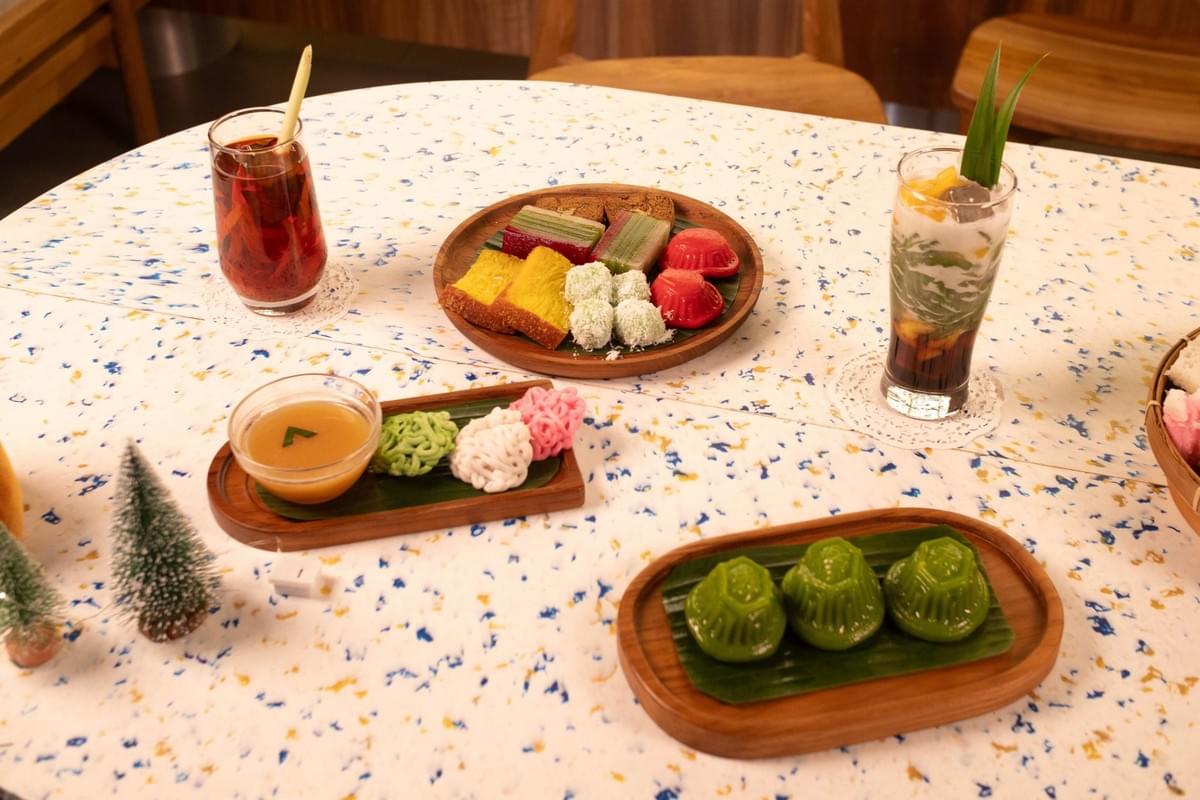
Prices vary a lot depending on where you buy.
At many traditional shops, individual pieces sit around S$2. Harrianns Nonya Table, for instance, has listed kueh salat, rainbow lapis, and kueh talam at S$2 each, with an assorted box of six around S$5.
As a rough guide:
- A small mixed box: about S$5 to S$15
- Premium or artisanal pieces: S$2 to S$6 or more each
- Large celebration kueh: can climb to S$30 to S$70 and beyond
Treat these as working ranges. Outlets and ingredients shift the numbers.
Where to Buy Kueh in Singapore: Shops and Recommendations
- Tiong Bahru Galicier Pastry is a long-running family business, wonderful for old-school kueh and pastries in one of the city's older neighbourhoods.
- Kim Choo Kueh Chang in Joo Chiat sits right in the heart of Peranakan Singapore. It pairs traditional kueh and dumplings with a real sense of cultural place. They also have a variety of peranakan cuisine in Singapore.
- Lek Lim Nyonya Cake Confectionery in Bedok is another old-school specialist, quietly known for its handmade range.
Common Mistakes and Misconceptions About Nyonya Kueh
Let me clear up a few things I once believed.
- "All kueh are desserts." No. There are savoury kueh too. Nyonya kueh is just one part of a much larger Singapore kueh culture.
- "The brighter, the better." Colour tells you very little. Natural pandan and butterfly pea give colour, but so does food dye. Judge texture, fragrance, and freshness instead.
- "It should be very sweet." The best kueh depends on balance. Coconut richness, pandan fragrance, gula melaka depth, a touch of salt. A kueh that tastes only of sugar is usually the least interesting one on the tray.
- "All green kueh tastes like pandan." Not always. Green and pandan aren't automatically the same thing.
What Fresh Kueh Looks Like:
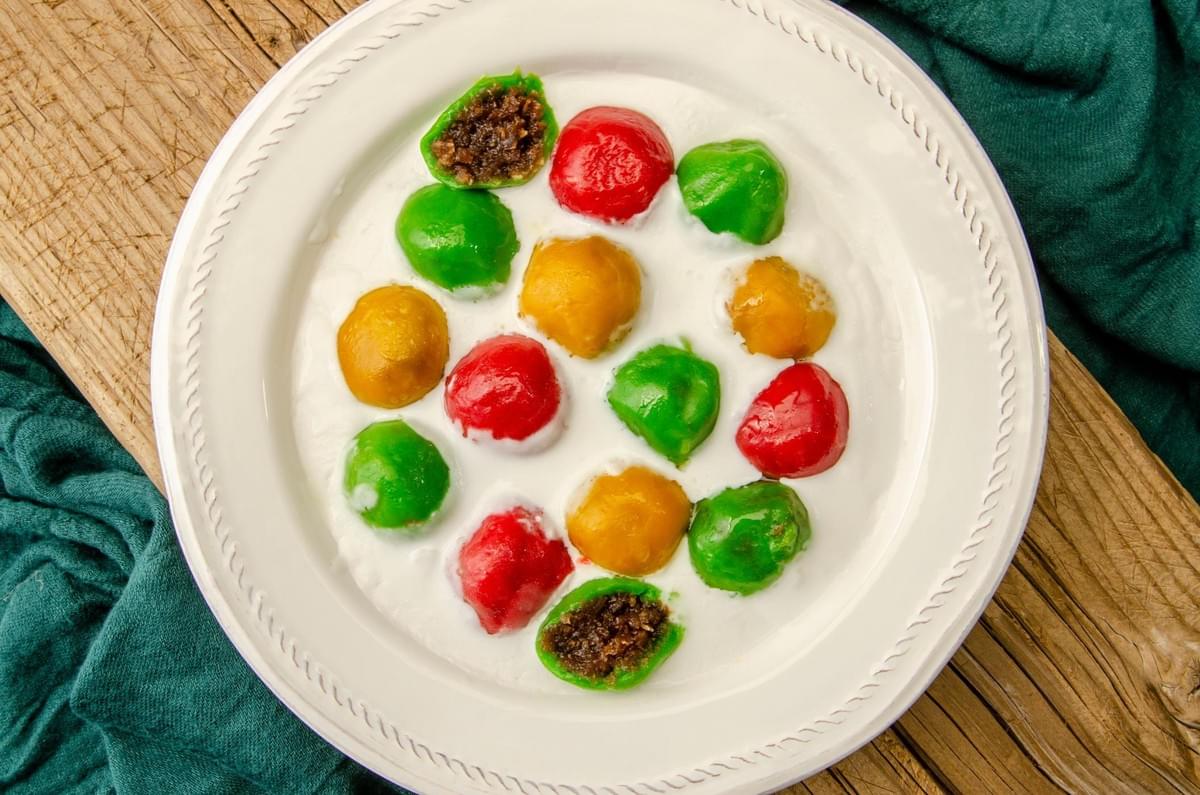
Signs of Quality and Freshness
Fresh kueh is moist without being soggy. Layers stay distinct. You can smell pandan or coconut when you lean in. It holds its shape but still yields to a gentle press.
Walk away from kueh that looks dry or cracked, smells sour, has dried-out shredded coconut, or tastes sweet with no aroma behind it.
One caveat worth remembering. Different kueh have different ideal textures. Firm texture isn't always bad. Distinctive soft isn't always good.
Pro tip: Buy in the morning. Handmade kueh is far more perishable than packaged cake, popular varieties sell out fast, and weekends go quickest. Don't leave a specific kueh for the last hour of your day and expect it to be waiting.
Frequently Asked Questions About Nyonya Kueh and Huat Kueh
- Is kueh always sweet?
No. There are savoury kueh too. This guide focuses on the sweeter Nyonya varieties, but they're only one branch of a much bigger family. - Why does mine feel so sticky?
That's often completely normal. Glutinous rice and tapioca kueh are meant to be chewy or sticky. The question is whether it feels pleasant and structured, or wet and gummy. - My kueh wasn't as sweet as I expected. Is that bad?
Not at all. Traditional flavours lean on coconut, pandan, gula melaka, and salt working together, rather than piling on sugar. - It looked beautiful but tasted flat. Why?
Freshness. A pretty piece with dried-out coconut shavings or stale texture isn't a good piece. Looks can mislead. - I still don't know where to begin.
Try them in this order: ondeh-ondeh, then kueh salat, then kueh dadar, then kueh lapis, then pulut inti. Together they cover most of the textures and flavours that define Nyonya kueh.
Handmade Kueh and Cultural Heritage, More Than Michelin
There's a reason the handmade part matters.
Traditional recipe and making kuih ask for slow, repetitive work. Grating coconut by hand. Extracting pandan juice. Steaming layers one by one. The heritage documentation even recalls the old wooden steamers and the patience they demanded.
So when a piece of kueh looks a little rustic, that's not a flaw. It's someone's knowledge, worked by hand.
I still remember my five green things. I laugh about it now, but I'm also glad it happened. It sent me back, curious, to learn what I was actually eating.
Go slowly. Smell before you bite. Choose by texture, not colour. And when a kueh makes you pause, quietly, before the second bite, you'll understand why so many of us keep coming back.
That pause is the whole point.
To know more about Singapore's cuisine and local flavors, you can read this.
