

I've eaten a lot of sad desk lunches in Singapore, whether it's Somerset Food or in CBD.
For a couple of years now, I've worked and wandered around Raffles Place, and somewhere between the meetings and the queues, I started paying attention. Not to the fanciest spots. To the ones that told me something about where we are, and who we've become.
Raffles Place food isn't just convenient. It's a quiet record of migration, adaptation and everyday cravings. You can eat Hunan chilli, torched wagyu, famous roast meat, and coconut rice within a few minutes of each other, and nobody blinks. That, to me, is the real story.
So here are five places near One Raffles Place that stayed with me. Not a ranking. Just food that means something, with honest notes on where each one wins and where it stumbles.
1. Sushi To Sumi: Tokyo's Standing-Sushi Habit Finds a Home in Raffles Place
Nearest MRT: Raffles Place MRT (about 2 to 3 minutes) Price: $$$
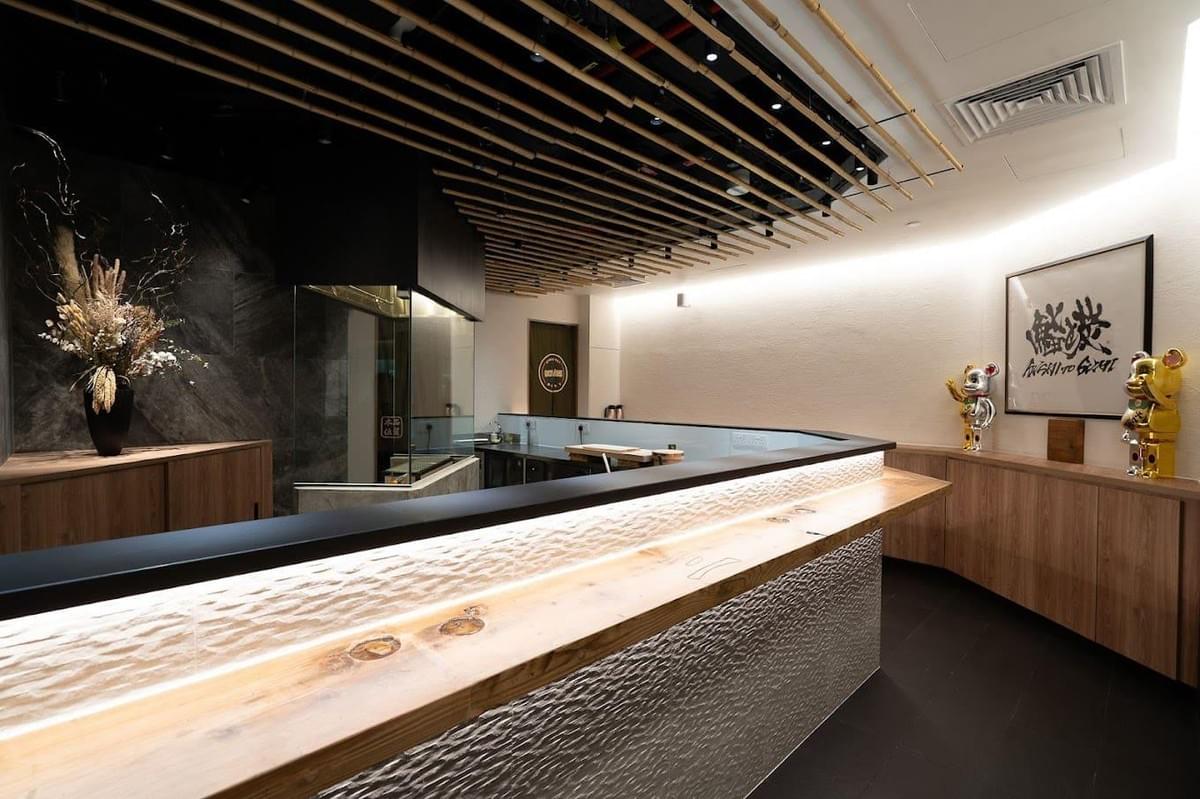
The first thing Sushi to Sumi removes is the chair. In another neighbourhood, that might feel like a concept trying hard to be different. In Raffles Place, where half the lunch crowd is checking the time between meetings, it feels strangely logical.
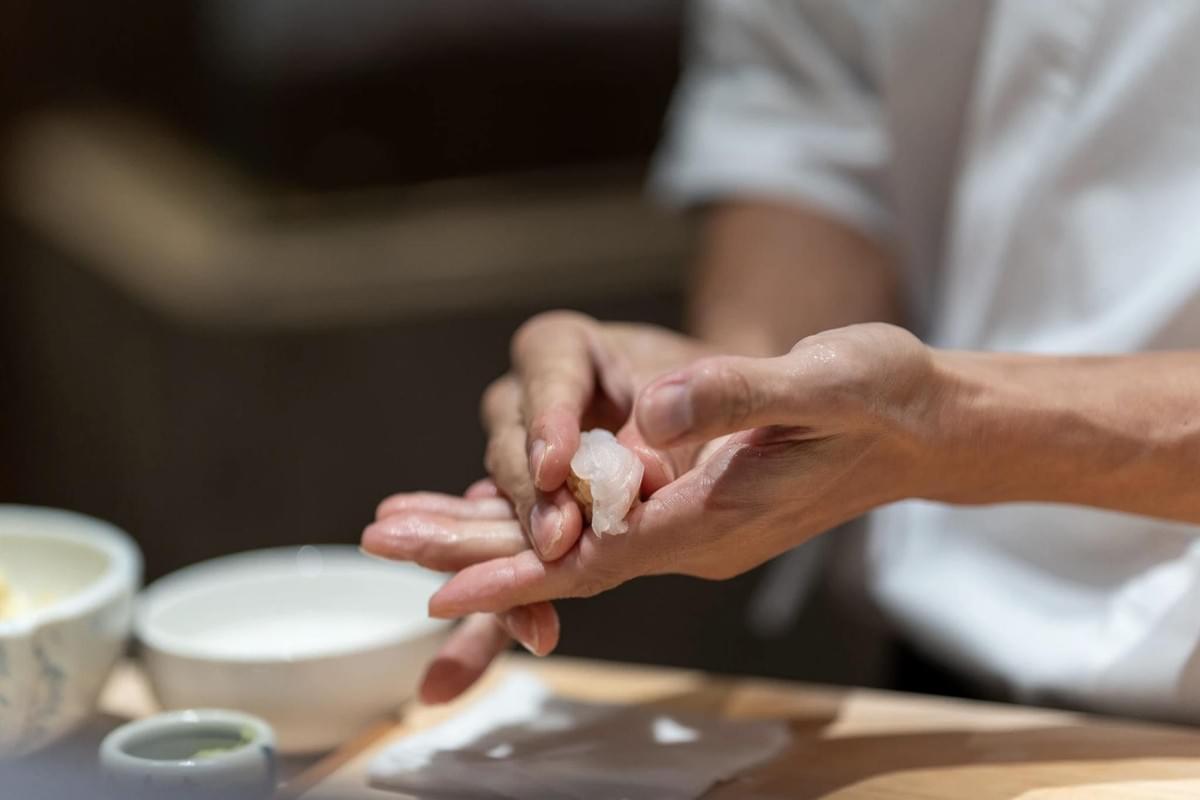
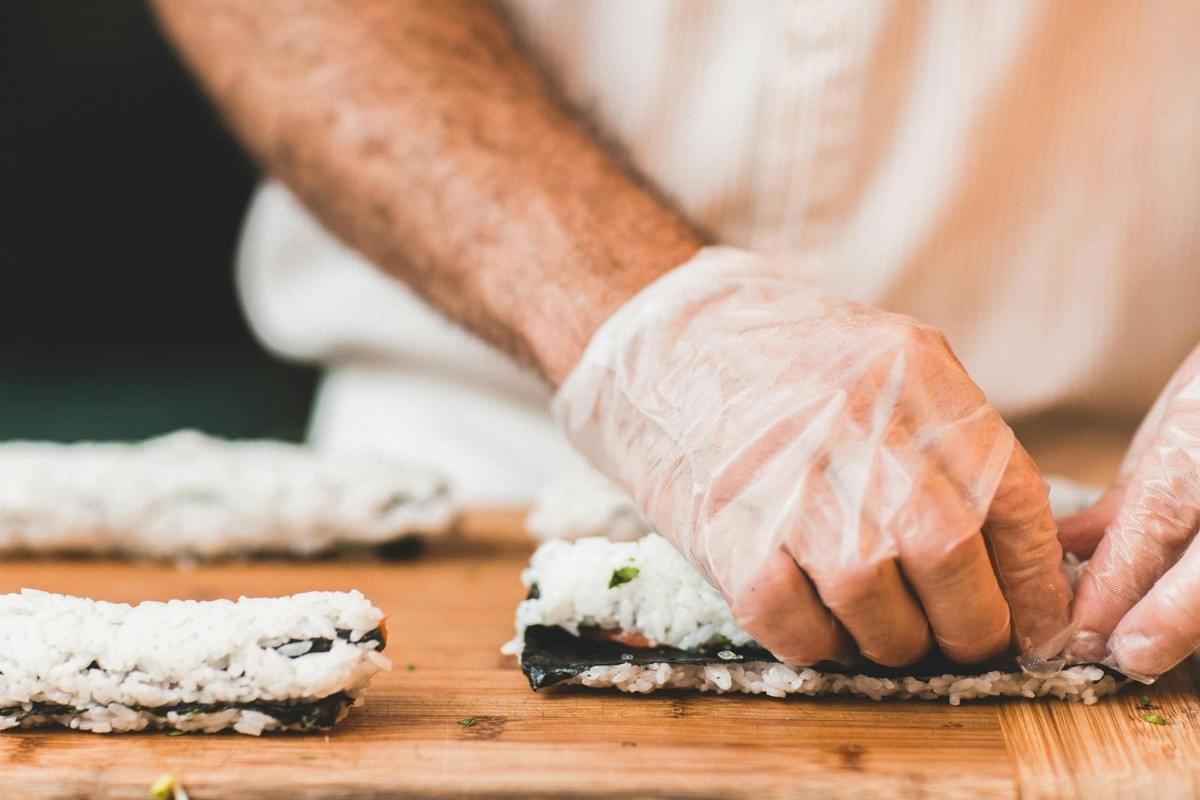
Lunch here follows tachigui, Japan's standing-sushi tradition. You stay at the counter, the chef works directly in front of you, and the meal is designed to fit into roughly 30 to 45 minutes. What keeps it from feeling like rushed food is the way the sushi arrives piece by piece. The current line-up includes nishin and hotate: the herring is richer and oilier, while the scallop brings a softer texture and a more natural sweetness over warm seasoned rice.
I like the other half of the idea just as much. Not every piece of seafood is treated as though raw must automatically be better. Fish that suits nigiri stays cool over rice; other cuts meet binchotan charcoal. Even the kama, or fish collar, is grilled rather than wasted, while fish bones go into soup. It is Japanese cuisine built around fresh ingredients, but also around knowing when to leave something alone and when heat will make it better.
What makes this belong in a Raffles Place food guide is not that the sushi has been made Singaporean. It hasn't. The interesting part is that a Tokyo office-worker habit has landed in Singapore's financial district and barely needs translating. If your picture of the best sushi restaurant in Singapore for an authentic Japanese dining experience involves a long seated ceremony, this is a useful reminder that Japanese food culture has always had faster rhythms too.
A few honest notes: Standing through lunch will not suit some diners who want to settle in and linger, and the seafood changes with supply, so a favourite piece is never something to assume. For dinner, it is seated and slower, so choose the time of day according to the experience you actually want.
Best for: CBD workers and sushi diners who want serious seafood without turning lunch into a two-hour event.
Avoid if: You want a relaxed seated lunch or need a large, fixed menu with the same dishes every visit.
Insider tip: Go at lunch for the standing experience, and stay flexible about the fish. The changing selection is part of the point.
2. Nong Geng Ji: Daily Cut of Chinese Food
Nearest MRT: Raffles Place MRT (about 3 to 4 minutes) Price: $
I used to say "let's get Chinese" like it meant something specific. Nong Geng Ji cured me of that.
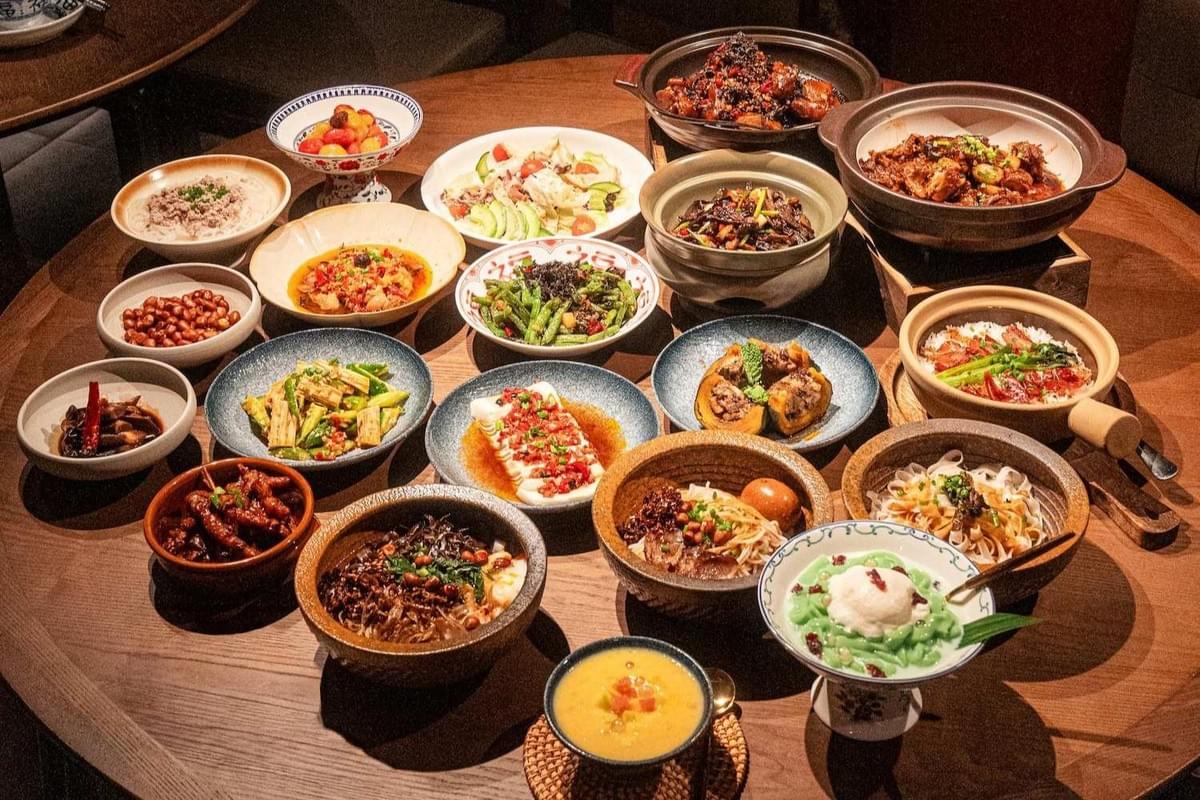
This is Hunan cooking, and Hunan doesn't do subtle. Chilli, preserved vegetables, deep savoury heat. The suan cai yu, pickled vegetable fish, arrives generous and bracingly sour-spicy, the kind of dish that wakes you up mid-week. The spicy marinated pork trotters get singled out by regulars, and I understand why. The spicy marinated pork trotters with preserved vegetables go richer and heavier, with tender meat that really wants a bowl of rice beside it.
The menu is broader than that first wall of chilli suggests. The big shrimp with vermicelli and garlic is a useful change of pace, fragrant rather than aggressively spicy, with the noodles catching the savoury juices underneath. Even the Wuchang steamed rice with sweet potato and red dates earns its place on the table; that little bit of natural sweetness does more work against the heat than I expected. It makes the whole meal feel more balanced and satisfying.
What I love here is the reminder that China isn't one flavour. In a district where "Chinese food" once meant safe Cantonese, a Hunan restaurant this proud feels like the city growing up a little. It's built for sharing, so bring friends and order across the table. One fish dish, one pork dish, something garlicky, then rice to pull everything back together.
A few honest notes. The mapo tofu has run salty for some, and lunch service can drag when the room fills. Rice and water are chargeable too, which surprised me the first time. Come knowing that, and the food more than earns it.
Best for: Groups sharing several dishes, and anyone who loves chilli-forward regional Chinese cooking.
Avoid if: You dislike spice or you're racing a one-hour lunch break.
Insider tip: Order the suan cai yu for the table first, then build around its heat with something milder.
3. Nasi Lemak Ayam Taliwang: Two Cultures on One Plate at Lau Pa Sat Food Place
Nearest MRT: Raffles Place MRT (about 5 to 7 minutes) Price: $
Nasi Lemak Ayam Taliwang is the plate that made me want to write this list.
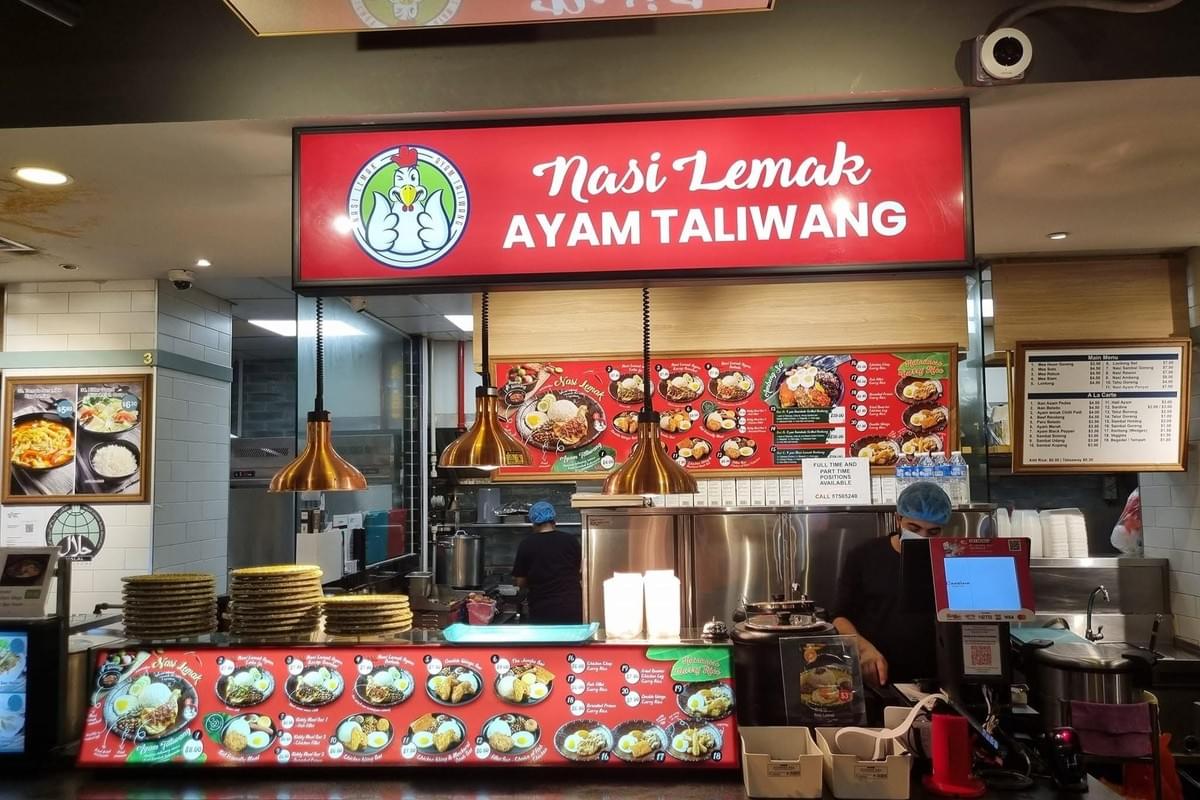
I discovered this one inside Lau Pa Sat, this stall does something quietly clever. It takes nasi lemak, a dish Malays and Singaporeans have loved for generations, and pairs it with ayam taliwang, the fiery grilled chicken from Lombok in Indonesia.
For around S$8.50 at the stall, it still feels like a lot of meal for the money. The chicken leg comes coated in that sweet-spicy Taliwang sauce, with coconut rice, a fried egg, crunchy peanuts, anchovies, cucumber and sambal around it. The chicken is at its best when the meat stays juicy beneath the sauce, while the rice brings a gentler, almost creamy sweetness that gives your mouth somewhere to rest between spoonfuls of chilli.
That contrast is my favourite part. One bite is smoky and hot, the next is coconut-rich and familiar, then a crispy anchovy or peanut changes the texture again. It is a delightful mix rather than a neat, composed restaurant dish, and that suits Lau Pa Sat. I remember the auntie explaining each element without rushing, one hand already reaching for the next portion.
There are other versions if Taliwang heat is not what you want that day, including ayam balado and ayam cabe ijo, but I would still start with the signature. Be honest with yourself about spice, though. The sambal does not play, and if the chicken comes out a little dry, the whole plate loses some of its balance. When everything lands properly, it is a small, satisfying lesson in how food crosses borders and settles into something familiar.
Best for: A compact, affordable introduction to Malay and Indonesian flavours.
Avoid if: You're sensitive to chilli.
Insider tip: Ask which sauces go with what. The staff will happily walk you through the plate if you let them.
4. Lau Pa Sat: The Raffles Place Food Court That Holds Everything
Nearest MRT: Raffles Place MRT (about 5 to 7 minutes) Price: $
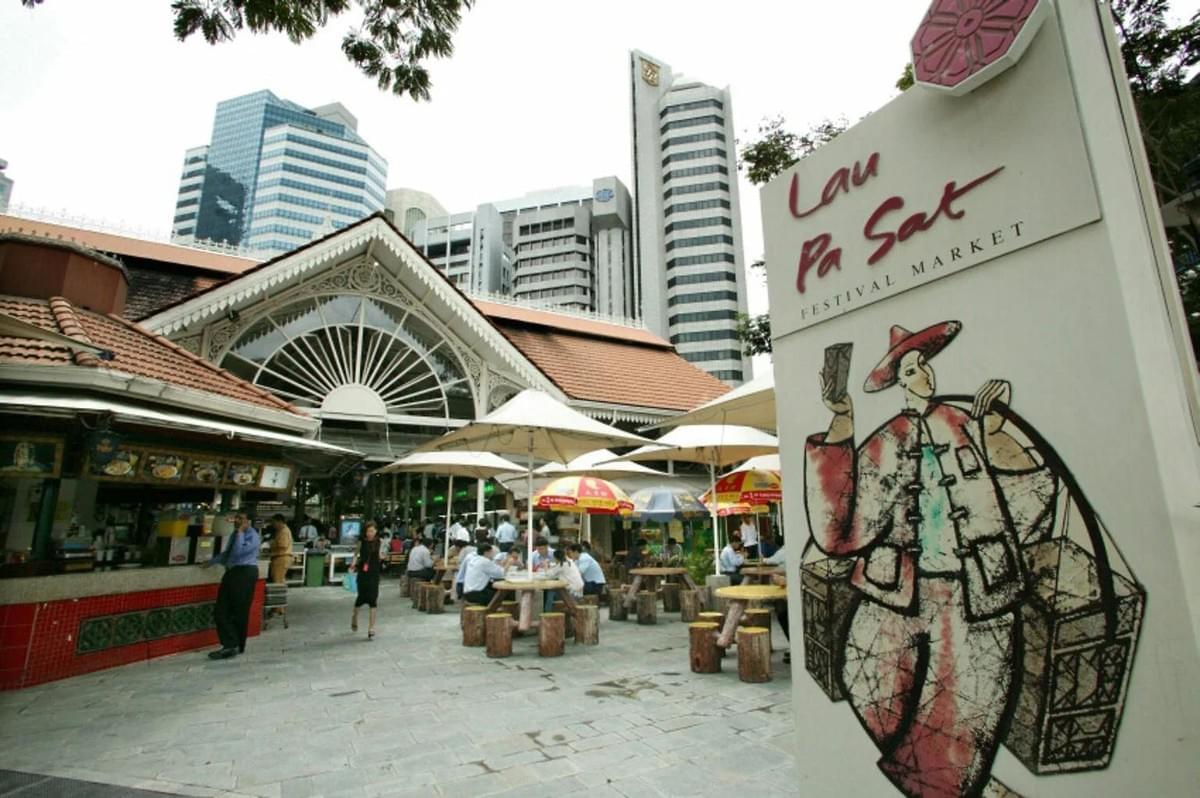
If one place proves the whole point of this food guide, it's Lau Pa Sat.
A Victorian-era cast-iron structure, more than 130 years old, now packed with over 80 stalls. Under one roof, you'll find authentic Chinese noodles, Malay nasi lemak, Indian food, satay, Korean food like korean cai png, and a dozen things in between. It isn't a restaurant. It's a food court that behaves like a map of Singapore. Day and night, chefs served healthy salads, sweet avocado dishes, authentic broth, protein food.
I've come here alone with a book and left with three friends I bumped into. In the evening, Boon Tat Street closes off and the satay smoke rises, and the whole place hums. Satay skewers run a few dollars each, and yes, the vendors can be pushy. But there's something honest about eating shoulder to shoulder with strangers, everyone chasing a different craving.
It gets crowded. Queues form but the waiting is worth it. Some drinks feel overpriced for what they are. Treat it as a food place to explore, not a single meal to perfect, and it rarely disappoints.
Best for: Groups who can't agree, first-timers, and anyone wanting to taste several cultures in one sitting.
Avoid if: You want a quiet, curated meal.
Insider tip: Come after 7pm for the satay street. Don't fill up at the first stall. Walk a full loop before you commit.
5. Waa Cow!: Torched Wagyu and a Very Singaporean Take on Korean Food and Japanese Food
Nearest MRT: Raffles Place MRT (about 3 to 4 minutes) Price: $
I came here expecting a standard rice bowl. I left thinking about how we make foreign food our own.
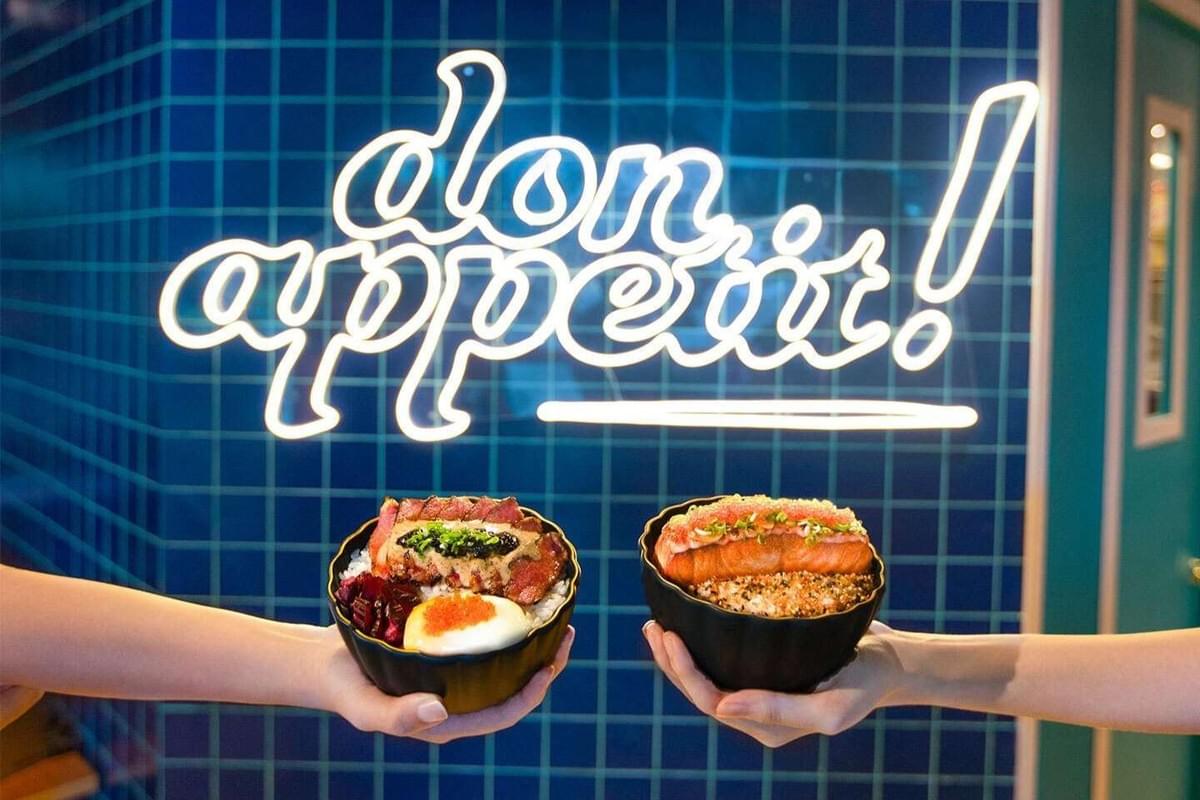
Waa Cow! calls itself Singapore's first flame-torched donburi restaurant, and the theatre is real. It's delicious, tasty, and I could use a lot of synonyms as someone who loves Korean and Japanese food. Japanese rice bowls, premium meat, torched right there so the fat catches and softens. The Spicy Mentaiko Wagyu Beef ($24.90) is the one to get, tender beef under torched mentaiko, rich and a little smoky. The Japanese bowl toppings are to die for.
What makes it belong here isn't the Japanese roots. It's the adaptation. This is Japan's donburi reshaped for a Singapore weekday, hearty and quick and tuned to how we actually eat lunch. Familiar enough to trust, different enough to remember. The chirashi and mentaiko salmon get steady love too.
The seating is tight, especially the two-person tables, and it's weekdays only. Come for lunch as a walk-in, or book ahead to dine as a group. Just don't expect a traditional Japanese room. That's not what this is, and it's better for knowing it.
Best for: Japanese food lovers wanting something familiar but unmistakably local.
Avoid if: You're after a traditional, formal Japanese experience.
Insider tip: Go early for lunch. The torched wagyu bowls are worth beating the noon rush for.
6. Bibi: Korean Cai Png With an Onsen Egg
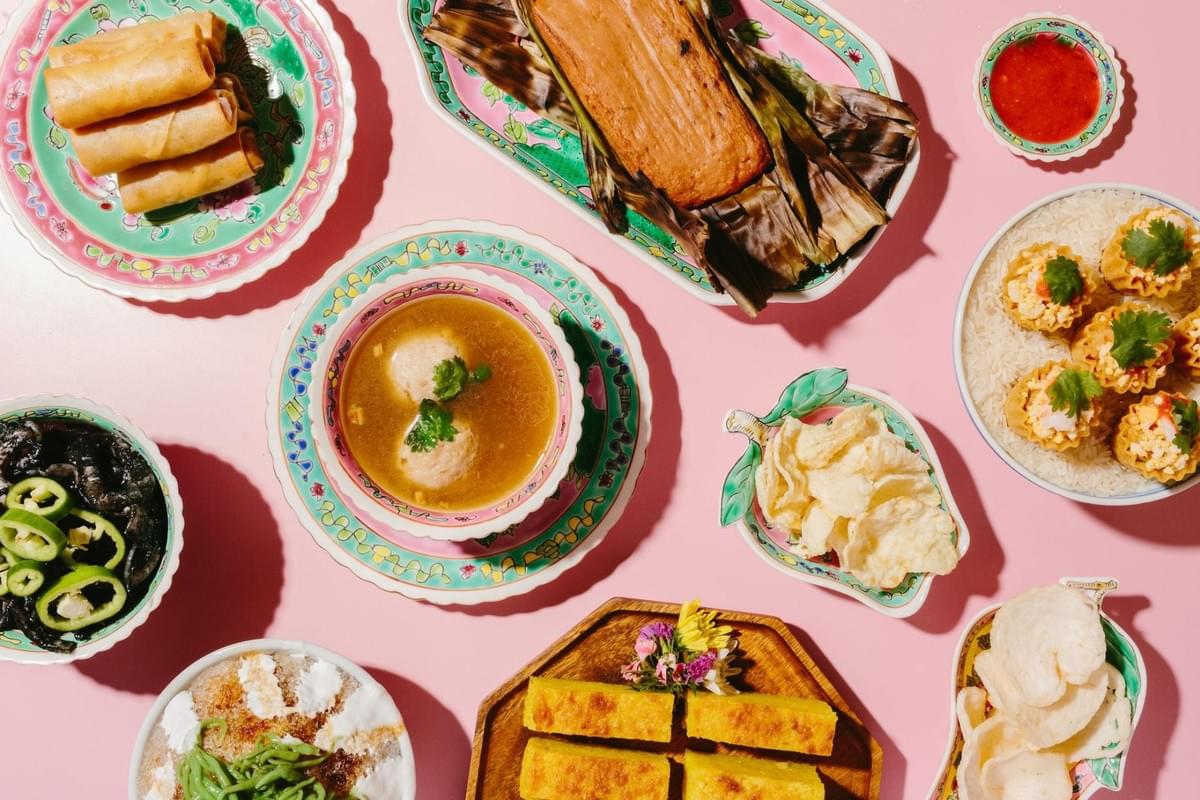
Bibi sits at 5 Raffles Place, tucked into Raffles Xchange, which means you can be at a Korean cai png counter before you've fully left the station. Their menu's concept is modern bibimbap built around the familiar logic of our own mixed rice culture: you pick your base, your protein, your sides such as sweet potatoes, kimchi. Signature, Performance, Non-Meat or Indulgence bowls, or build your own if you'd rather choose. And sitting right on top, the onsen egg, soft-yolked and warm, doing what it always does when you break it and let it coat everything below. They have many ingredients to choose from.
What I find interesting isn't the food on its own. It's the translation. Cai png is deeply Singaporean, the idea of choosing your dishes, pointing at what you want, eating from a shared economy of portions. Bibi takes that instinct and runs it through a Korean lens. The result feels familiar in a way that has nothing to do with Korea and everything to do with how we eat here.
This is a quick-service concept, not a sit-down Korean restaurant. No banchan spread, no table service, no barbecue smoke. Come for a fast, filling weekday lunch, not an evening out.
Best for: Office workers wanting a Korean-inspired lunch that moves quickly and doesn't require a full hour.
Avoid if: You're looking for a traditional Korean barbecue or a banchan-heavy dining experience.
Insider tip: Build your own bowl and add the onsen egg. Breaking the yolk over the rice is half the point, and it ties the whole thing together. One bowl brings such good value.
A Short Detour to Raffles City Singapore
I know, Raffles City isn't Raffles Place. But when the CBD lunch rotation starts feeling too familiar, The Food Place by Food Republic is an easy change of scenery, with everything from chicken rice, roast meats and Teochew fishball noodles to Penang Jiak, burgers and breakfast toast under one roof.
Kam's Roast Express: Roast Duck Rice Without the Fuss
Kam's Roast Express is the straightforward choice when you want roast meat over rice without turning lunch into a full restaurant meal. The roast duck rice and BBQ pork rice are both around S$8.90, with the duck leaning richer and the char siu sweeter and stickier. If duck rice already sounds like the answer to lunch, this is an easy one.
Best for: A quick, satisfying roast-meat lunch.
LiXin Teochew Fishball Noodles: A Lighter Bowl
For something lighter, LiXin Teochew Fishball Noodles goes in the opposite direction with springy yellowtail fishballs and a simpler bowl of noodles. The Raffles City outlet also has Sambal Mushroom Meat Dumpling Noodles if you want something with more punch.
Best for: A quicker, lighter meal when roast duck or burgers feel too heavy.
Penang Jiak: Char Kway Teow When the Craving Hits
Penang Jiak is where I'd head when the craving is specifically for char kway teow. The version here comes with prawns and that richer, wok-fried style that makes the whole plate feel more indulgent than the lighter noodle options nearby.
Best for: Anyone after a smoky, satisfying plate of Penang-style noodles.
What This Little Food Guide Around One Raffles Place Taught Me
Here's what stayed with me after all these visits.
Raffles Place may be Singapore's Central Business District financial core, but lunch here tells a much more interesting story than the glass towers suggest. Within a few minutes, you can stand at a counter for Japanese sushi, share Hunan fish around a table, eat Indonesian grilled chicken over coconut rice, build a Korean-inspired bowl, or wander through Lau Pa Sat deciding what smells best. There are affordable hawker meals and more polished dining experiences, but both are feeding the same crowd of office workers looking for something worth leaving the desk for.
None of these places are flawless. Sushi To Sumi asks you to stand through lunch. Nong Geng Ji can get busy and fiery. The sambal at Nasi Lemak Ayam Taliwang will test you. That is part of what makes choosing a personal favourite difficult. The right answer changes depending on whether I want something quick, comforting, spicy, refreshing, or simply different from yesterday.
And when the Raffles Place routine starts feeling a little too familiar, the short detour to Raffles City opens things up again. A roast duck rice at Kam's Roast Express, Teochew fishball noodles, or a plate of char kway teow at Penang Jiak is enough to reset the lunch rotation without turning it into an afternoon expedition.
So next time you're near One Raffles Place with an hour to spare, skip the safe sandwich. Pick the place that matches your mood, then pay a little attention to what is on the plate and where it came from. The food here has travelled through countries, families and traditions before reaching this small part of Singapore.
That's what makes Raffles Place food interesting to me. You can eat quickly without eating thoughtlessly.
Then come tell me which one stayed with you.
If you're in for a different food adventure, check our seafood buffet recommendations.
