

There is a moment at every seafood table that nobody talks about.
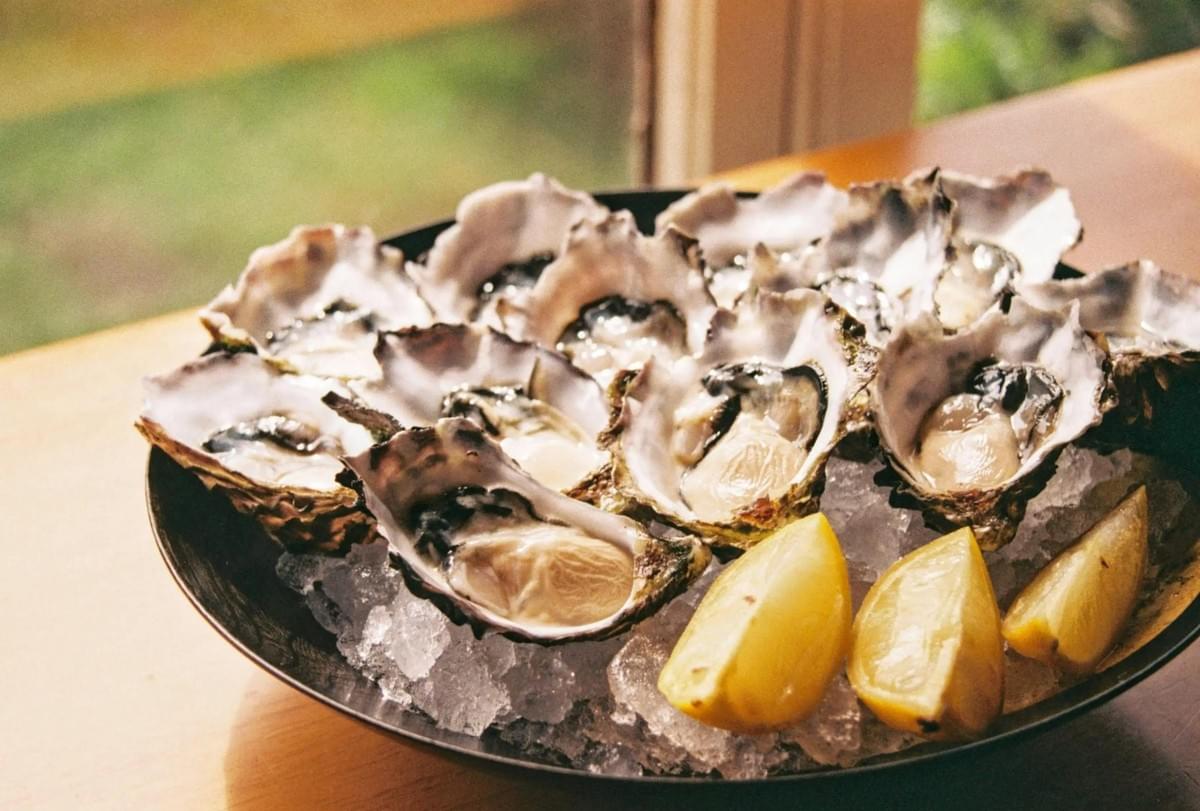
The platter has thinned. The crushed ice has begun to melt. Lemon wedges sit squeezed and forgotten. Conversation slows just enough for every pair of eyes to notice the same thing.
One oyster remains.
No one reaches for it immediately. Not because they no longer want it, but because everyone knows what taking the last oyster quietly says. It is confidence. It is hunger. It is permission.
Strange, isn't it? The last oyster costs exactly what the first one did, yet it somehow feels more expensive.
Perhaps value has never been about money. It has always been about scarcity.
The first oyster introduces the meal. The last one concludes it. By then, stories have been exchanged, jokes have landed, and glasses have been topped up more than once. That final shell carries everything that happened around the table. You are no longer tasting only the sea. You are tasting the evening itself.
Singapore understands this better than most places. We celebrate seafood as something meant to be shared. Chilli crab demands extra napkins and patience. Steamed fish waits at the centre until everyone has taken a piece. Oysters arrive not as individual indulgences but as invitations for someone else to enjoy one too.
At My Taste of Singapore, we often discover that the best dining memories are rarely about the most luxurious ingredients. They come from the tiny rituals we repeat without thinking—the friend insisting you take the bigger piece, someone ordering another round "for the table," or the silent negotiation over that final oyster.
It reminds me of another story we explored in The Rise of Modern Peranakan Dining, where food becomes more than a recipe. It becomes inheritance, conversation, and a way of gathering people around something worth remembering. Whether it's an heirloom curry or a freshly shucked oyster, the meal only feels complete when it is shared.
Maybe that's why the last oyster always feels more expensive.
It isn't because it is the rarest thing on the platter. It is because it asks a quiet question: do you take it, or do you offer it to someone else?
Sometimes generosity tastes better than the oyster ever could. And on the rare occasions someone insists you have the last one, you realise the greatest luxury was never the seafood.
It was the company sitting around it.
💌 With curious taste buds,
Simon Lee's Flavor Notebook
