

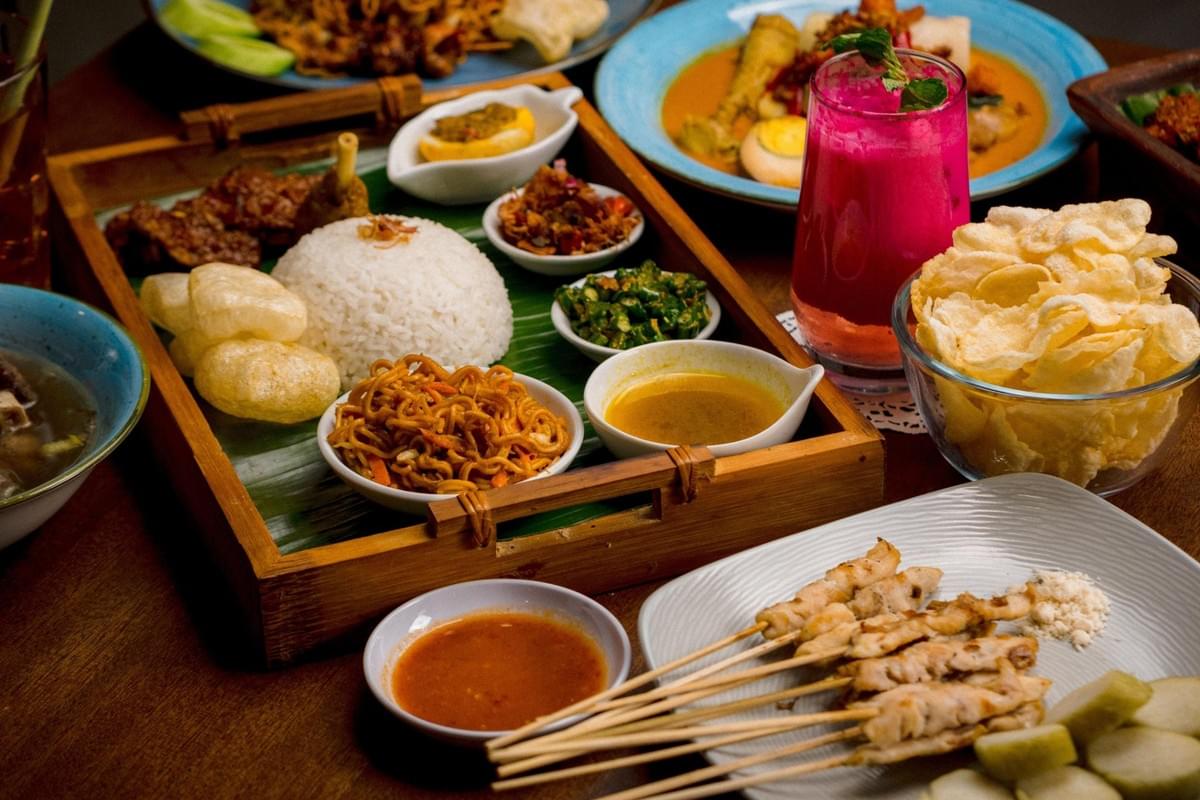
A few years ago, if someone asked me where to experience Peranakan food in Singapore, I would have pointed them towards a family-run restaurant with lace tablecloths, porcelain bowls, and recipes passed down through generations.
Today, I might still do that.
But I might also send them somewhere serving buah keluak espuma, blue pea flower cocktails, or dry-aged fish with a rempah glaze.
And honestly? I find that fascinating.
Peranakan food has always been about adaptation.
Long before chefs began talking about innovation, Peranakan cooking itself was born from cultural exchange. Chinese migrants settled in the Malay Archipelago, married into local communities, and created something entirely new. The food that emerged carried influences from Chinese, Malay, Indonesian, Indian, and even European traditions.
Fusion, in other words, was there from the beginning.
Perhaps that's why modern Peranakan dining feels less like a disruption and more like a continuation of the story.
I remember visiting a contemporary Peranakan restaurant where ayam buah keluak arrived looking almost too elegant to eat. The plating was minimalist. The presentation belonged in a fine dining magazine.
Yet the moment I tasted it, the familiar earthy richness of the buah keluak came through.
Underneath the modern techniques, the soul of the dish remained intact.
That seems to be the balancing act many chefs are attempting today.
How do you respect tradition while keeping it alive?
Because preserving food culture doesn't necessarily mean freezing it in time.
Singapore's food scene has always evolved. Hawker dishes adapt to changing tastes. Family recipes shift depending on available ingredients. New generations reinterpret old traditions through their own experiences.
Peranakan food is no exception.
You can see it in the growing number of younger chefs revisiting dishes they grew up eating. Some are refining presentation. Others are experimenting with ingredients. Some are introducing tasting menus that guide diners through familiar flavours in unfamiliar ways.
Not every experiment works.
I've had modern versions of classic dishes that felt more interested in impressing diners than honoring the original recipe. Sometimes the plating becomes the main event while the flavour gets left behind.
But when it works, it can be remarkable.
A beautifully executed modern Peranakan dish doesn't replace tradition. It invites people to become curious about it.
A diner who first encounters buah keluak in a contemporary restaurant may later seek out a family-run Peranakan eatery. Someone who discovers rempah through a tasting menu may begin exploring the stories behind the spices, techniques, and communities that shaped the cuisine.
In that sense, modern Peranakan dining can serve as a bridge.
What excites me most is seeing younger Singaporeans engage with these flavours.
For years, there was a concern that certain heritage cuisines might struggle to remain relevant as dining habits changed. Yet many contemporary Peranakan restaurants are attracting diners who may never have otherwise explored the cuisine.
They're introducing conversations about heritage through food.
And every conversation matters.
Of course, there is something irreplaceable about eating a dish prepared exactly the way someone's grandmother made it. The slow-cooked stews. The labor-intensive spice pastes. The recipes that exist more in memory than measurement.
Those experiences deserve protection.
But I don't think tradition and innovation need to compete with each other.
One preserves.
The other introduces.
Together, they help a cuisine survive.
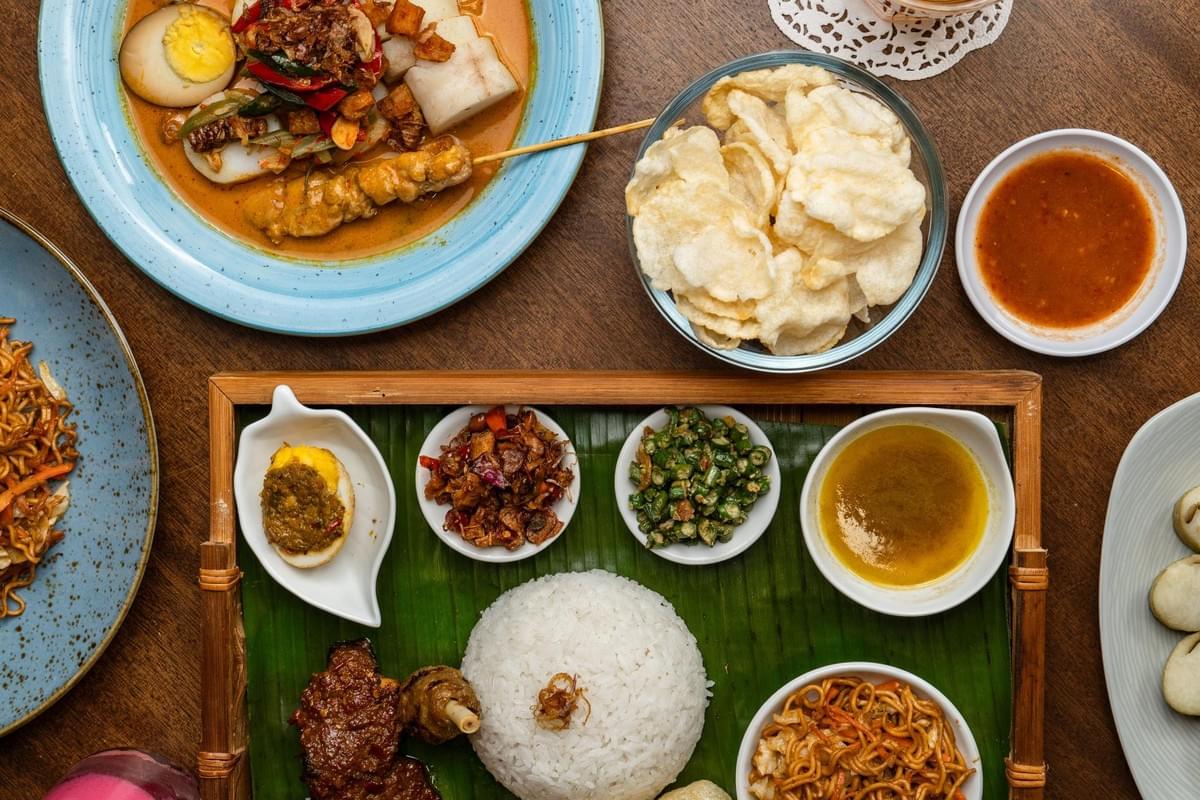
Singapore has always been a city that embraces both heritage and reinvention. We restore shophouses while building skyscrapers beside them. We treasure hawker culture while welcoming new dining concepts.
Perhaps modern Peranakan dining reflects that same spirit.
A willingness to look forward without forgetting where we came from.
The next time you encounter a Peranakan dish presented in an unexpected way, it may be tempting to ask whether it's authentic.
Maybe a better question is whether it still tells the story.
Because authenticity isn't only about appearance.
It's about respect.
It's about understanding the ingredients, techniques, and cultural memories that shaped the dish in the first place.
And if a new generation of chefs can preserve those stories while inviting more people to the table, then perhaps the rise of modern Peranakan dining isn't a departure from tradition at all.
Perhaps it's simply the next chapter.
💌 With curious taste buds,
Maia Tan
