

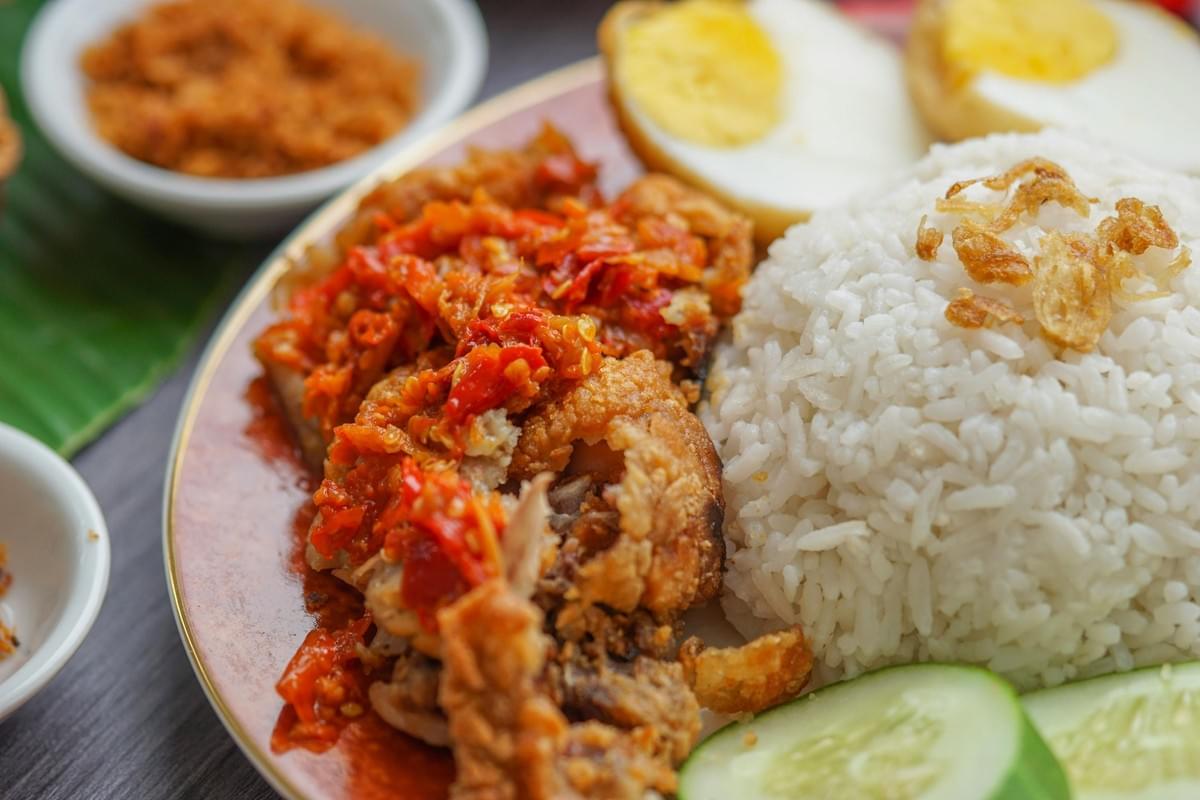
The first nasi lemak I truly remember wasn't anything fancy. It came wrapped in a neat banana leaf parcel, slightly warm against my palm, handed to me by my grandmother before a long bus ride to visit relatives. I peeled it open on my lap, breathed in the coconut rice, rich steam, and dabbed a tiny bit of sambal onto the fatty rice. That single bite of the beloved dish is sewn into my memory like a photograph I can taste.
Years later, I understand why that humble parcel mattered so much. Nasi lemak or Malay food in Singapore, in general, isn't just a dish. It's a memory marker, quietly shaped by migration, neighborhood pride, and the ordinary rhythms of daily life. Almost every Singaporean carries a nasi lemak story, and no two stories are quite the same.
That's exactly what makes this dish so fascinating to write about. So let me walk you through why your favorite plate of coconut rice probably means something completely different from mine, especially when you eat nasi lemak here.
Why Every Singaporean Has a Different Favorite Nasi Lemak in Singapore
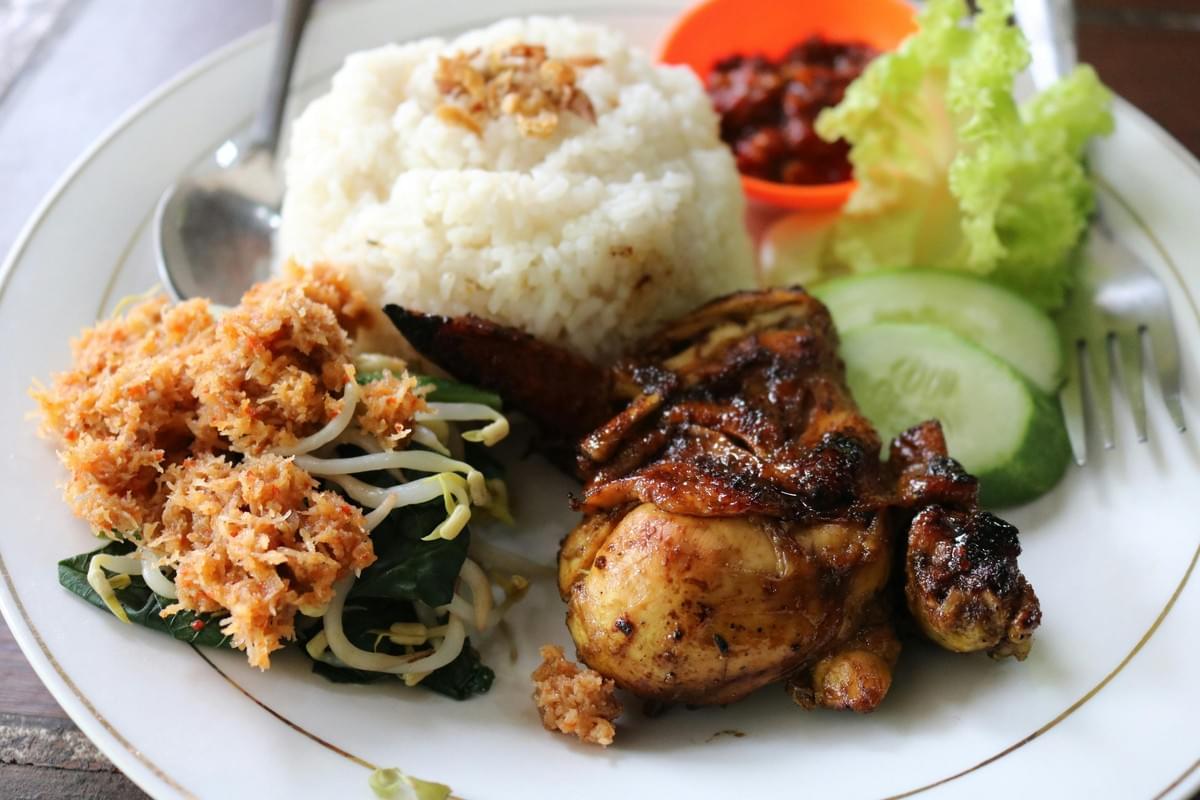
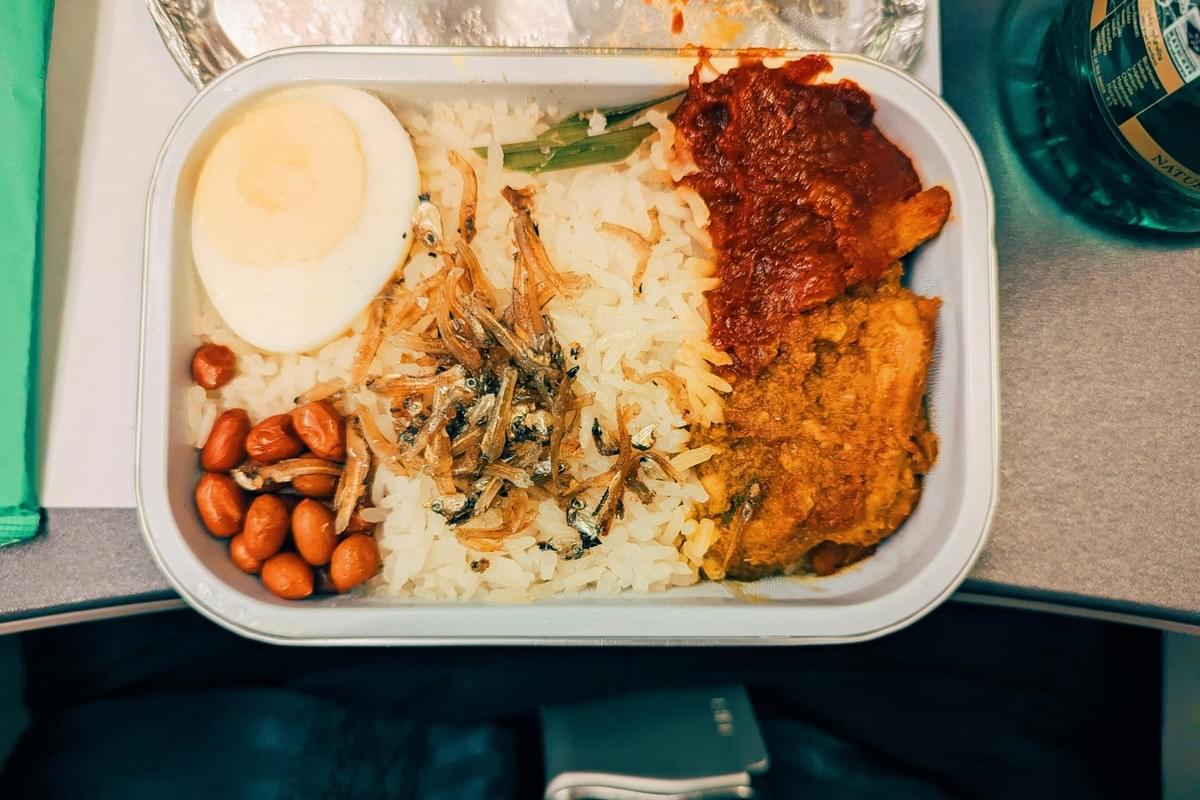
At its heart, nasi lemak is Malay. The original foundation is beautifully simple: rice cooked in coconut milk, a spoonful of sambal, crispy ikan bilis (fried anchovies), roasted peanuts, and a slice of fried egg. That's the soul of the dish, a local dish that has fed generations across Southeast Asia. It shares roots with similar dishes like Indonesia's nasi uduk and nasi gurih.
But Singapore being Singapore, the dish didn't stay still. It absorbed influences from every community that touched it, creating countless nasi lemak dishes.
- Chinese-run stalls at hawker centers added deep fried luncheon meat, otah, curry vegetables, and those famous crispy fried chicken wings.
- Indian Muslim cuisine influences shaped certain sambal styles and introduced different side dishes like beef rendang or curry chicken.
- Modern cafes and restaurants like The Coconut Club reimagined it into premium versions, sometimes plated like fine dining.
That layering is why the debate gets so personal. Many of us grew up with one specific neighborhood stall, eaten every Sunday morning. Think of the loyalty around Selera Rasa Nasi Lemak in the East, Boon Lay Power Nasi Lemak in the West, Ponggol Nasi Lemak in the Northeast, or the famous Dickson Nasi Lemak near Bugis.
I've found that your favorite nasi lemak in Singapore usually says more about where you grew up than about any objective measure of quality. The stall closest to your childhood becomes the standard everything else gets measured against.
What Actually Makes the Best Nasi Lemak? A Breakdown
Once you start paying attention, you'll notice the difference between a forgettable plate and a brilliant one. Here's what I look for, in order of importance, to find the best nasi lemak.
The rice comes first. This is the part people underestimate. Great coconut rice, sometimes made with basmati rice and infused with pandan leaves, should:
- Smell fragrant the moment it reaches you
- Taste distinctly of coconut milk, not just plain rice
- Stay fluffy and separate, never clumped
- Feel light, never greasy
I think mediocre protein can be forgiven, but poor rice cannot. If the nasi lemak rice is bland or oily, the whole plate collapses. Some premium places, like Husk Nasi Lemak, focus intensely on getting this foundation right.
The sambal defines the stall's identity. A truly good sambal, or chilli sauce, balances sweetness, heat, umami, and a little acidity. The red flag I always watch for is chili paste that's just spicy with no depth. Heat without soul isn't enough.
The fried components should be fresh. The best stalls fry continuously, so you get crisp, golden chicken wings and ikan bilis without that stale-oil aftertaste. The nasi lemak fried chicken, often a style known as ayam goreng berempah (spiced fried chicken), should have crispy skin and tender meat.
Harmony ties it all together. When the sweet, salty, spicy, and rich notes sit in balance with the fresh cucumber slices, you understand why people queue for an hour.
As for what you'll pay:
- Basic hawker set: S$3–5
- With a chicken wing set: S$5–8
- Famous specialist stalls (famous nasi lemak): S$6–12
- Premium restaurant versions (premium nasi lemak): S$15–30+
Pro tip: Taste the rice on its own before mixing anything in. If it's fragrant and satisfying plain, you've found a keeper. If it needs the sambal to be interesting, the stall is leaning on shortcuts.
A Beginner's Guide: How to Eat Nasi Lemak at Hawker Centres
If you're visiting Singapore and have never ordered at a traditional stall like those at Amoy Street Food Centre or Yishun Park Hawker Centre, the mixed-item counter can feel intimidating. Here's the simple flow.
- Start with the rice. Most stalls assume you want the coconut rice base, so this part is easy.
- Point at your side dishes. Look at the display and indicate what you want: a fried chicken wing, otah, begedil (potato patty), fried fish like ikan selar kuning, luncheon meat, long beans, or curry vegetables. Some offer sambal sotong (squid) or even nasi lemak ayam taliwang.
- Let the staff total it up. Prices are calculated based on the common dishes you choose.
- Decide on sambal. You can usually ask for more or less sambal ikan bilis.
Here's the most freeing thing I can tell you: there is no single correct order. Some people swear by just rice, sambal, and a fried wing. Others pile on five sides. Both are completely valid.
If you're nervous about spice, start small. Ask for a little sambal first, taste it, then add more.
Common Mistakes to Avoid When You Eat Nasi Lemak
I've made every one of these mistakes, so learn from my stumbles.
- Underestimating the sambal. Early on, I dumped an entire spoonful onto my rice. The chili completely buried the delicate coconut fragrance. Now I add it gradually.
- Obsessing over the fried chicken. For a long time, I judged stalls purely on their wings. Then I realized I was ignoring the rice. Don't let a crispy signature chicken cutlet distract you from a weak base.
- Arriving too late. Some of the best stalls sell out of signature dishes by mid-morning. I once trekked across the island for a famous nasi lemak ayam, only to find it gone by 11am. Go early.
- Getting flustered at the counter. During peak hours, popular stalls like Aliff Nasi Lemak move fast. Decide what you want before you reach the front.
Insider knowledge: Many famous stalls move slowly because everything is freshly fried to order. The wait isn't bad service; it's a sign of quality from fresh ingredients. Locals accept it happily.
Why Debates Over Famous Nasi Lemak (Like Dickson and Aliff) Feel So Personal
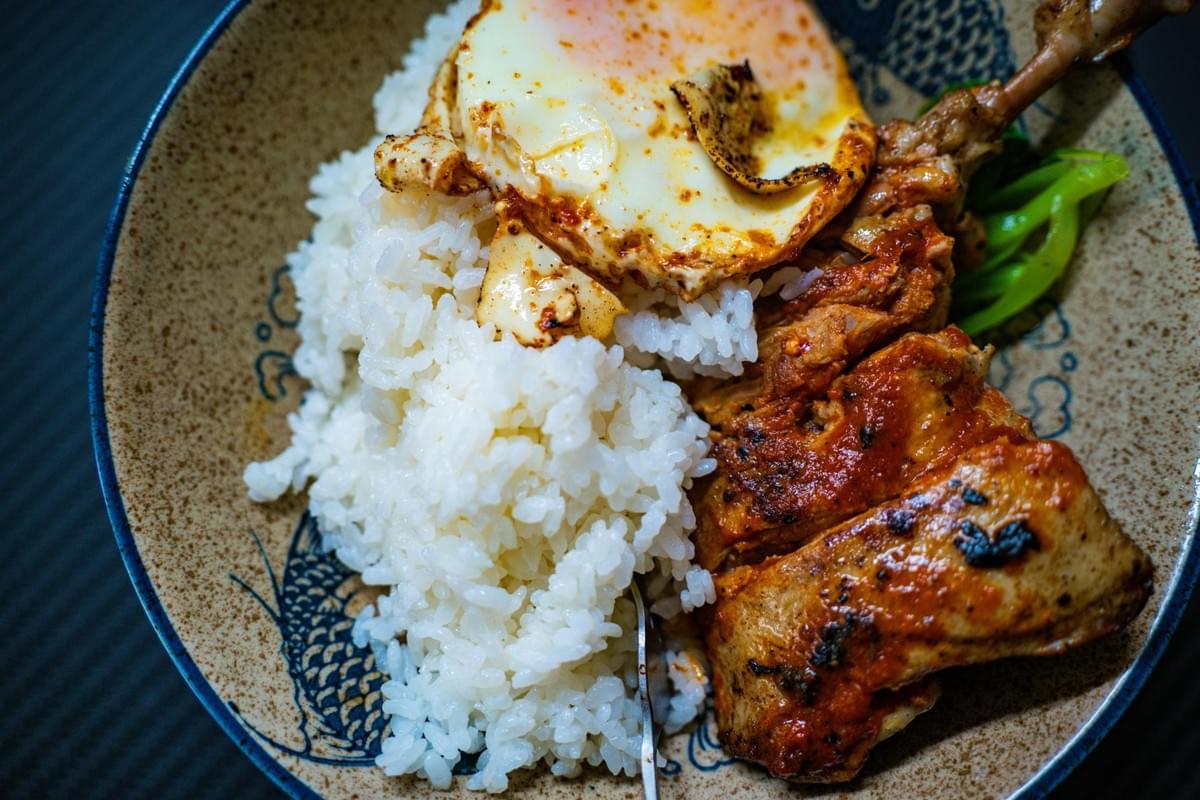
Here's where things get emotional. Ask two Singaporeans about the best nasi lemak in Singapore and you might start an argument.
Take the classic East versus West standoff. Someone from the East will defend Selera Rasa Nasi Lemak at Tanjong Katong, while someone from the West insists Boon Lay Power Nasi Lemak is unbeatable. They're defending their childhood.
Then there's the premium versus traditional divide. I've tried beautifully plated S$22 versions and enjoyed them. Yet I still find myself craving a S$5 hawker hearty plate. That craving is pure nostalgia.
And there's the childhood stall phenomenon. Years later, the rice might not be objectively the best, but it stays your favorite because it represents family rituals. In Serangoon Garden Market, for instance, there are two stalls that locals have debated for years.
When Singaporeans debate nasi lemak, they're really discussing memory and identity. That's why the conversation gets so heated.
Frequently Asked Questions About Nasi Lemak
Is nasi lemak only a breakfast food?
Historically, yes. But today we eat it all day. Some famous stalls draw queues from morning until night.
Is there a right combination to order?
No, and that's the joy of it. Unlike other dishes like chicken rice, mee siam, or mee rebus, the combination is entirely up to you.
How spicy is the sambal usually?
It varies a lot. Some sambal dishes are mildly sweet, while others carry a slow heat. First-timers should taste a little before committing.
Why do famous stalls have such long queues?
Usually a mix of family recipes, famous fried wings, and distinctive sambal. The wait is part of the ritual for a beloved dish.
Is premium nasi lemak from places like Husk Nasi Lemak or The Coconut Club worth it?
It depends. A S$22 version can be delicious. But if you're chasing nostalgia, no premium plate will ever replace the neighborhood stall you grew up with. I'd suggest trying both and deciding for yourself.
A Final Thought on Lemak in Singapore
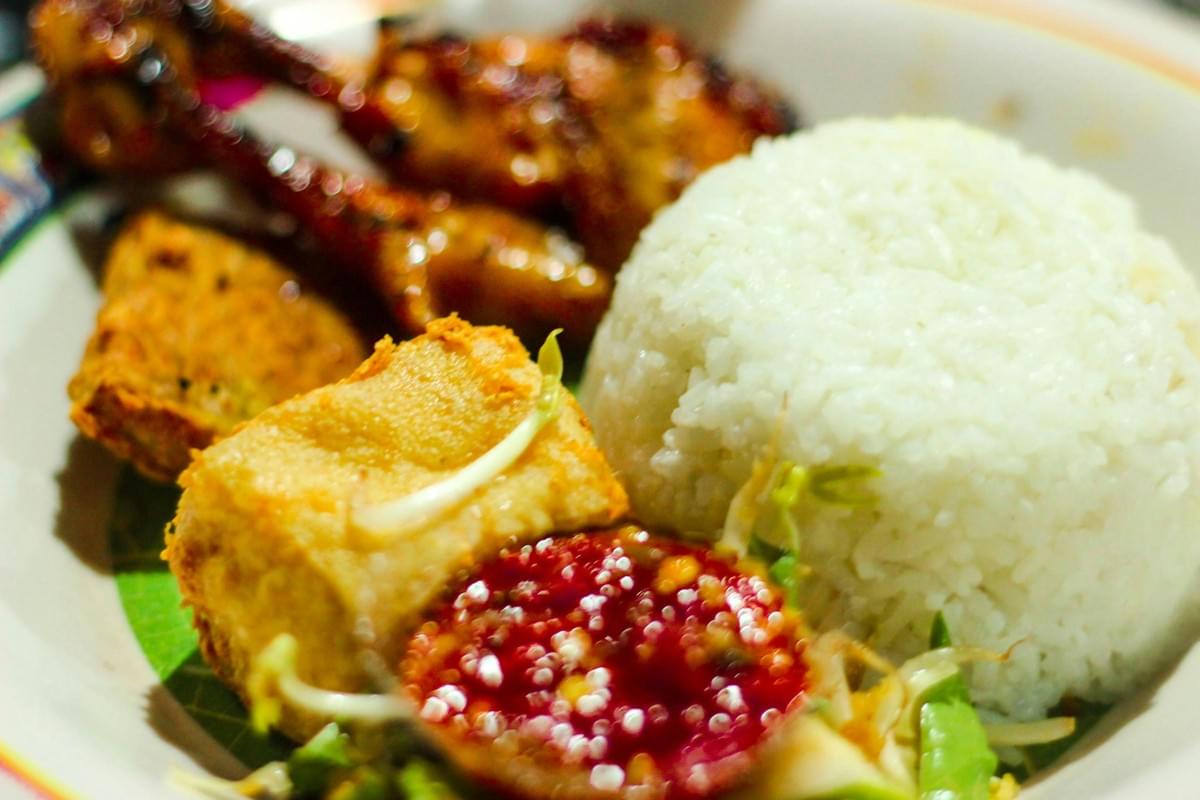
The more I eat lemak in Singapore, the more I realize the disagreements are the whole point. We argue about rice texture and sambal heat, but we're really telling each other where we come from.
Nasi lemak sits at the intersection of memory, migration, and neighborhood identity. That's why it means something different to every single one of us. So go find your version. Queue at the stall your friend swears by, then visit the one you grew up with, and taste the difference for yourself.
You might not settle the debate. But I promise you'll understand Singapore a little better with every bite.
