

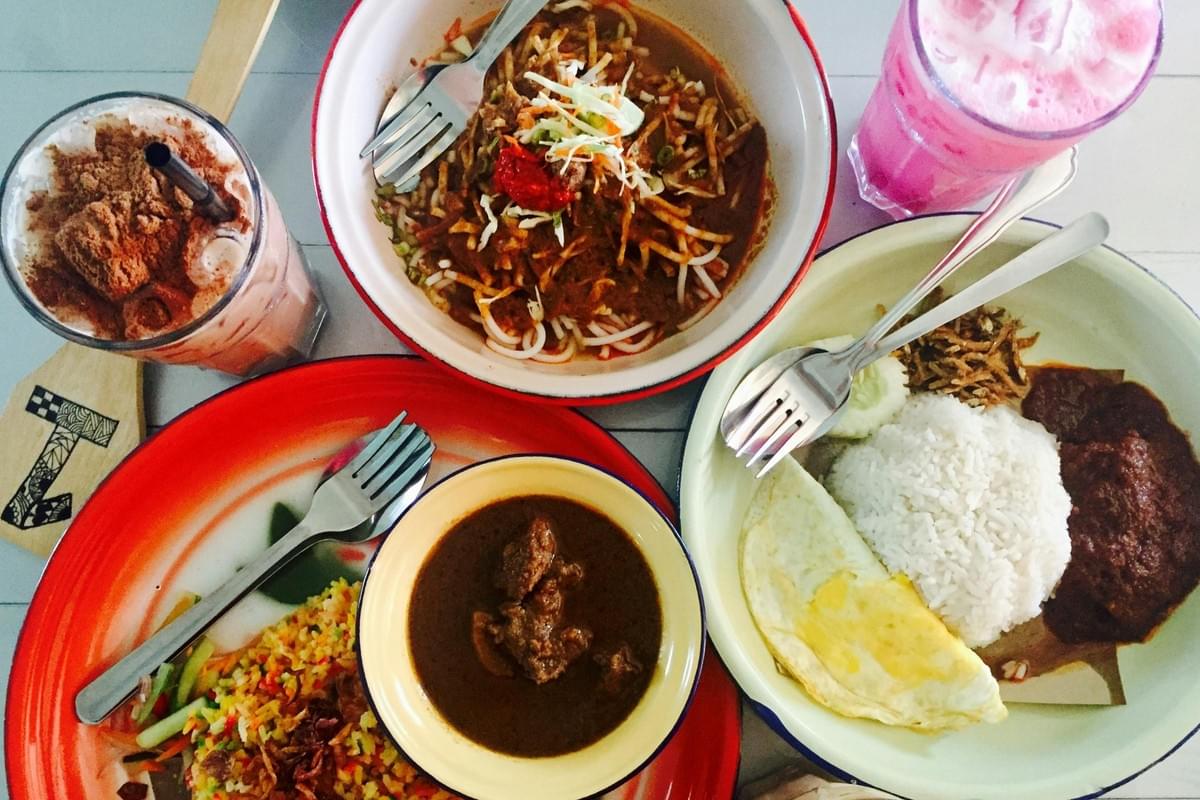
There was this moment, maybe six months after I'd moved here, it's obvious there's no extravagant special occasion, I just found myself sitting at a wobbly plastic table under the morning sun. At first, I really wanted to get tamil food, but as the banana leaf conveniently located in front of me held what someone had called nasi lemak, and as the fragrant steam rose up, coconut milk and something green and sweet I'd later learn was pandan leaf, I realized I'd been approaching Malay food in Singapore all wrong... I could do better.
I'd been treating Malay cuisine like another checkbox to tick, something to try between the chicken rice and fishball noodles (and yellow egg noodles) that everyone talks about. But sitting there, breathing in those gentle aromas, I began to understand that this wasn't just another option. This was something deeper, something that had been here long before the rest of us arrived, quietly shaping the way this island thinks about comfort and home.
Those early kampong kitchens, grinding fresh spice paste by hand and pressing coconut milk in the soft morning light, created something that still lives in every corner of our food scene today. When I watch someone stare uncertainly at a hawker stall's glass, I remember that same feeling of gentle overwhelm, and I want to share what I've learned about finding your way into this beautiful, aromatic world of Malay cooking.
What Makes Malay Cuisine Unique in Singapore?
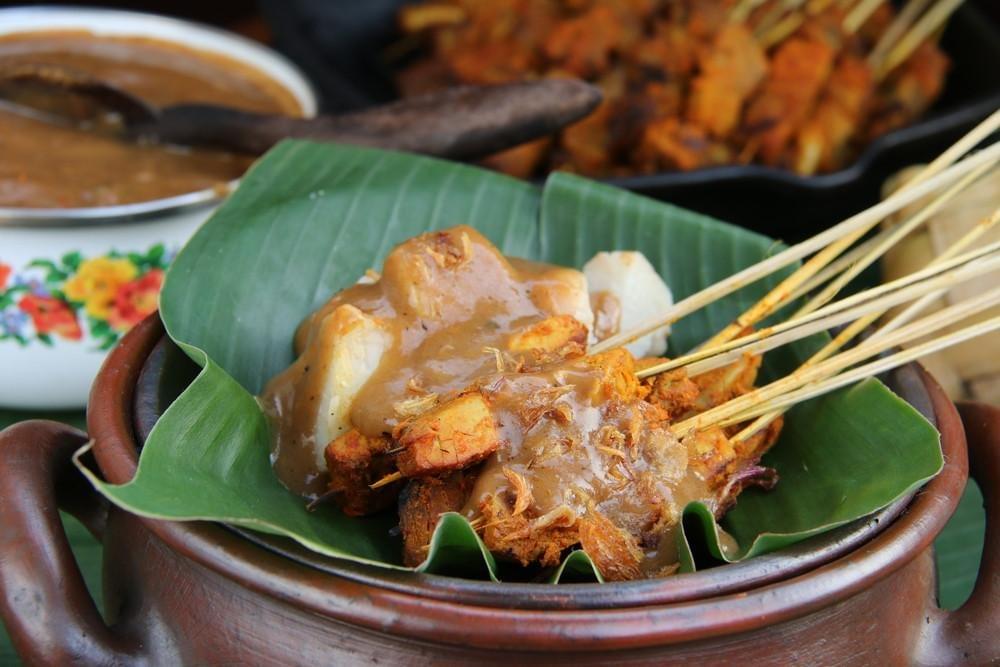
There's something about the way the aromas drift and settle, carrying stories from across the Malay Archipelago, whispered traditions from Indonesia and the Minangkabau cuisine regions that somehow found their way here and made themselves at home.
At the heart of it all is something called rempah, a word I stumbled over for weeks before understanding what it meant. It's this carefully pounded paste of shallots and garlic, lemongrass and chilies, galangal that speaks in earthy tones. Almost every curry, every rich stew starts here, with someone's hands working these ingredients into something that will become the soul of the dish. Add freshly squeezed coconut milk, and you have flavours that wrap around you like a warm conversation. It kind of reminds me of nasi padang dishes, and even thai food sometimes.
- It brings people together: I've learned that these meals were never meant to be eaten alone. There's something beautiful about the way multiple dishes gather around a central bowl of fragrant rice dish, each one offering something different, meant to be shared and discovered together.
- It speaks in aromas: The spices here don't just add heat, they tell stories. Fried anchovies and ikan bilis, turmeric and star anise, dark soy sauce and fish sauce, each one adding its voice to create something that perfumes the air and draws you in.
- It takes its time: Some of my favorite signature dishes, like the award-winning beef rendang that still makes my mouth water, can't be rushed. Hours of slow cooked gentle simmering, letting the meat absorb every note of coconut and spice until it becomes something tender and profound.
Quick Guide to Must Try Malay Dishes: Chicken Curry, Beef Rendang, Nasi Ambeng, and More
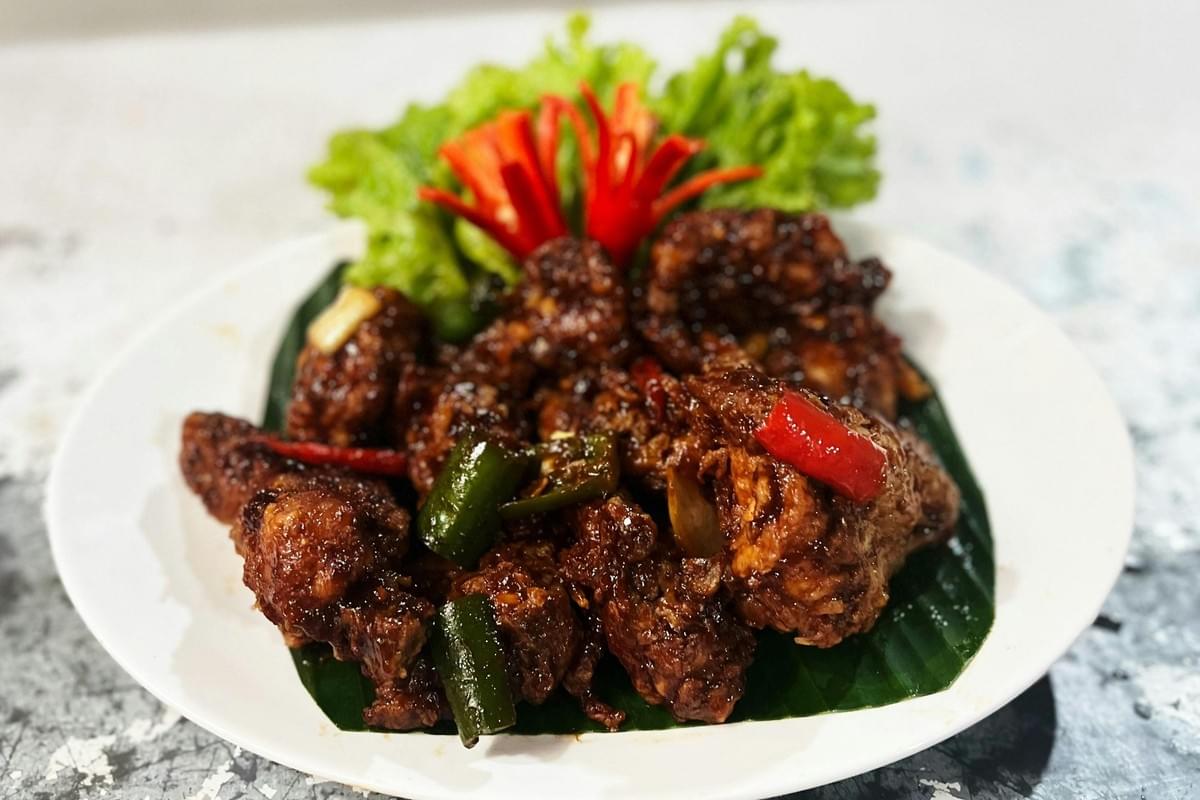
I still remember my first time at a Malay hawker stall, overwhelmed by the colorful array behind the glass. The auntie patiently waited as I figured out what to order. Over time, I learned to let curiosity lead.
Step 1: Start with comforting classics like chicken curry
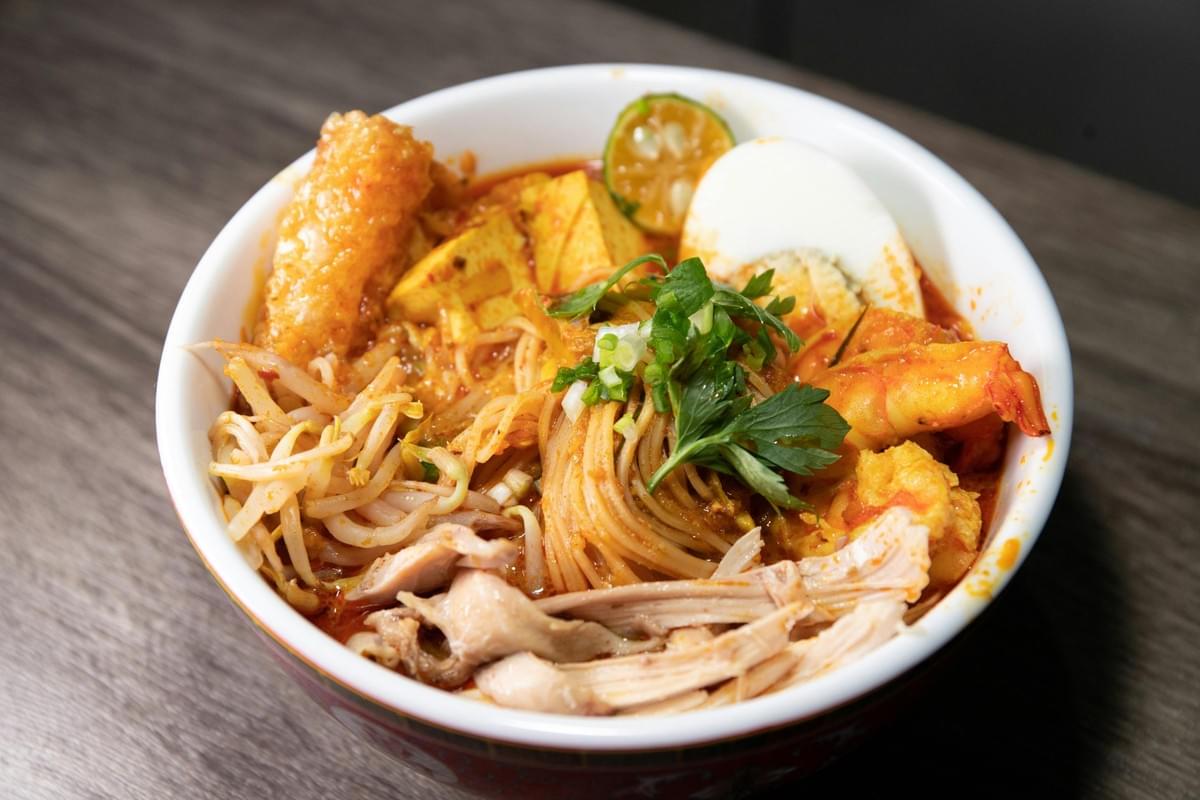
Nasi lemak was my gentle introduction. It is coconut rice with hard boiled egg, sambal goreng, and fried chicken, letting me ease into the flavors. Mee rebus, with its thick gravy and yellow egg noodles, was another early favourite.
Step 2: Learn the nasi padang stall rhythm
Pick your rice or rice cakes, choose a protein like golden fried chicken or simmered chicken curry, then add vegetable salad and finish with a spoonful of sambal. It’s a meal that tells a story with so many variations and other dishes to explore.
Step 3: Customize your spice level
You can always ask for less spicy or have chilli paste on the side. The aunties and uncles understand and want you to enjoy your meal.
My Taste of Tip: Master the spoon and fork dance. Use the fork to guide rice and meat onto the spoon for the perfect bite.
What to Look for in Good Stuff: Quality in Malay Food
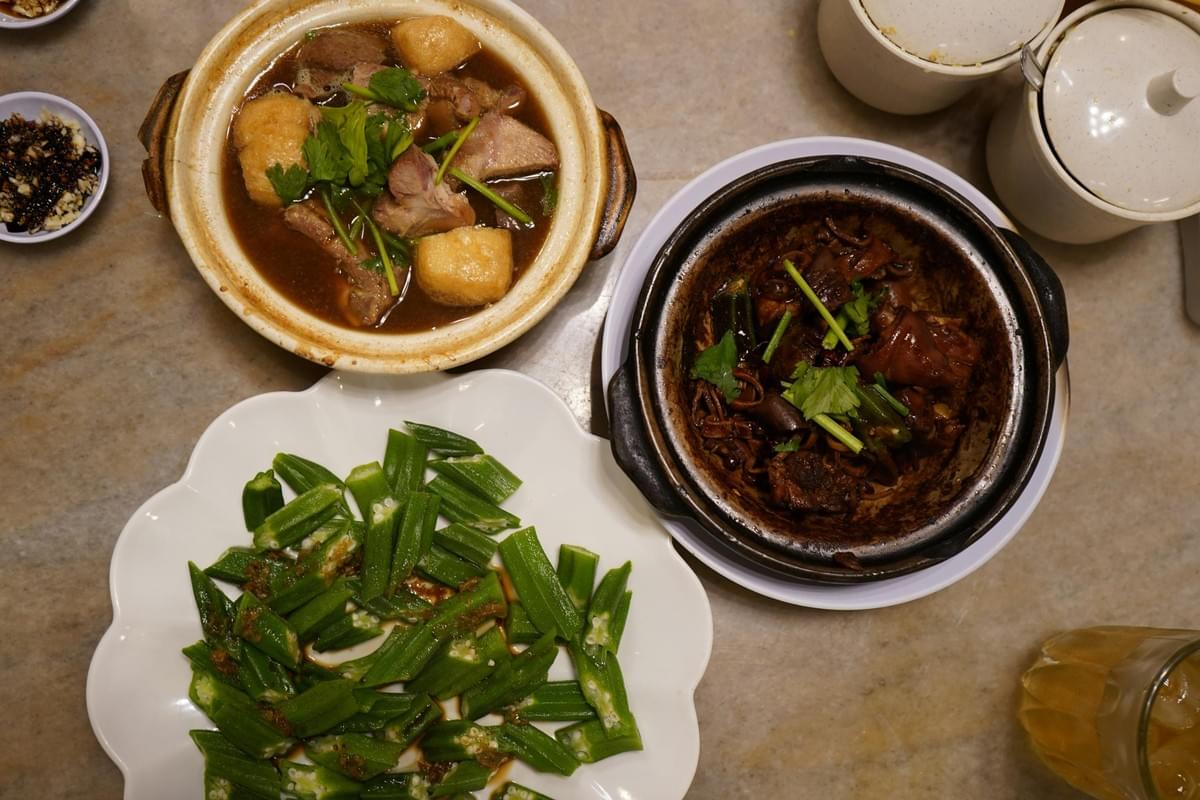
After countless meals and gentle mistakes, I've started to recognize the quiet signs that tell you when someone really cares about what they're serving. It's less about perfection and more about love and the kind of attention that shows up in small details.
- The Sambal Quality: A beautiful sambal feels like a conversation between sweet and savory, with that deep umami from fermented shrimp paste and prawn paste and a heat that builds slowly rather than shocking you. When I taste one that's too sweet or swimming in cheap oil, it feels like a missed opportunity.
- The Rice Texture: Good coconut rice should feel light and separate, carrying that gentle pandan leaf perfume that makes you lean in for another spoonful. When it clumps together into something heavy and wet, you know the cook was thinking about speed instead of tenderness.
- The Depth of the Spice Paste: This is where you taste the difference between someone who grinds their spices fresh each morning and someone who opens a jar. Fresh rempah gives curries this vibrant complexity that stays with you, textures and aromas that seem to unfold as you eat.
I've learned to trust my instincts about fried tofu that looks tired, sitting too long under harsh lights or swimming in oil that's seen better days. Those moments when something doesn't feel right usually mean it's time to look elsewhere.
Where to Find the Best Malay Food in Singapore: Kampong Gelam, Beach Road, and More

The most memorable meals I've had haven't come from fancy restaurants, though those have their place. They've come from aunties and uncles in humble stalls, people who've been making the same Malay dishes for decades with the kind of care that can't be taught.
Geylang Serai Market
Saturday mornings here feel like stepping into the heart of something essential. Long queues form around stalls known for consistent quality. Watching asam pedas being prepared or kueh shaped, you find simple plates costing $5 to $8 that carry rich memories and satisfaction.
Kampong Gelam
Around Sultan Mosque, heritage meets accessibility. Rumah Makan Minang on Jalan Pisang is a favorite for tender beef rendang and sambal goreng. A full meal costs $12 to $18, offering a meaningful taste of home.
Beach Road
This vibrant area hosts many beloved stalls serving authentic Malay dishes with care and variety, from award-winning nasi padang to humble chicken curry and lemak siput sedut.
Heartland Food Courts
In Tampines, Jurong, and north Singapore, neighborhood stalls offer cherished comfort foods like mee rebus for $3.50, made with decades of care and expertise.
Something I've discovered: Timing creates its own magic. Early morning nasi lemak, traditionally served during that breakfast rush between 7:00 AM and 10:00 AM, tastes like it carries the promise of the whole day. Late afternoon mixed rice can feel tired, like it's been waiting too long for someone to appreciate it.
Common Mistakes and How to Avoid Them When Exploring Malay Food
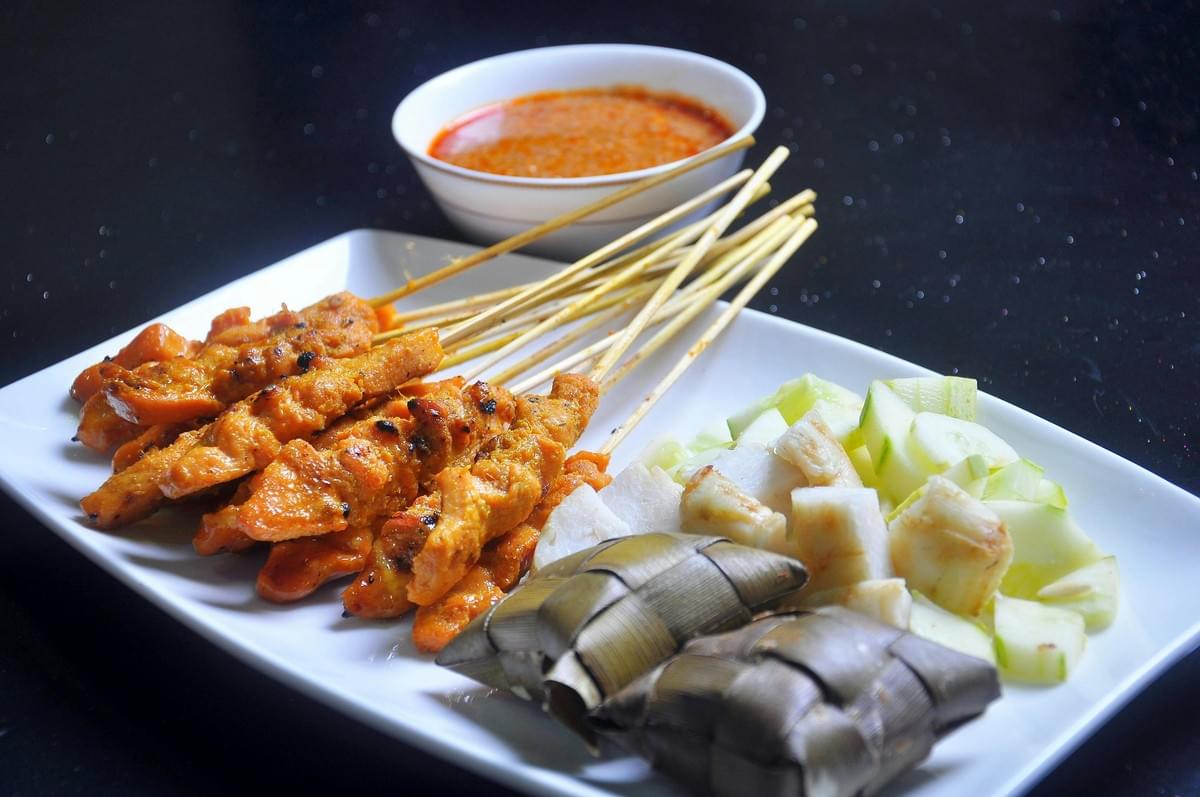
Reflecting on my early encounters with Malay food in Singapore, I realize my assumptions often clouded my appreciation. These lessons taught me to approach each meal with openness.
Not all Malay food is fiery spicy
Dishes like lontong, with soft rice cakes in sweet coconut broth, showed me that comfort can be subtle.
Avoid dumping sambal all at once
My first nasi lemak was overwhelmed by too much sambal. Now, I add it gradually to enhance, not overpower.
Order promptly at busy stalls
Observing the display while in line helps me order smoothly, respecting the hawker culture’s pace.
Frequently Asked Questions
Is halal certification required to eat Malay food?
The beautiful thing about Malay food culture here is how naturally it aligns with halal requirements, since the Malay community is predominantly Muslim. When dining with Muslim friends, that green MUIS halal logo displayed at the stall provides the reassurance everyone needs to relax and enjoy the meal together.
What if I have a low spice tolerance?
This worry used to keep me from exploring, but I've discovered so many gentle options. Ayam penyet without the chilli paste, soto ayam with its warm turmeric embrace rather than chili heat—there are ways to experience these flavors that welcome rather than challenge your comfort level.
How much should I expect to pay?
- Hawker meals usually fall between $3.50 to $6.50
- Prices rise to $8 to $10 if you're drawn to multiple dishes or visiting a particularly renowned stall
- Sit-down restaurants generally ask for $15 to $25 per person, offering their own kind of experience and comfort
Conclusion: A Seat at the Malay Food Table in Singapore
Understanding Malay food has taught me something about belonging in this melting pot we call home. These dishes carry stories of migration and adaptation, of families preserving traditions while creating new ones. They were designed for sharing, for gathering around tables where conversations flow as freely as the fragrant curries and fluffy white rice.
I hope you'll find time this week to wander into a Malay hawker stall, to point at something unfamiliar and let it surprise you. There's something magical about letting those warm, complex spices guide you toward new understanding. Whether it's the gentle richness of chicken curry, the satisfying crunch of fried tofu, or the morning comfort of roti canai with teh tarik, each dish offers its own small invitation to see this island through different eyes.
The melting pot of Asian flavours that lives in these stalls in multiple locations, whether it's an expensive Japanese Izakaya Singapore or a tasty Indian food, I learned that it isn't just about food, it's about finding your place at a table that's been set for generations, waiting for the next person to pull up a chair and stay a while.
