

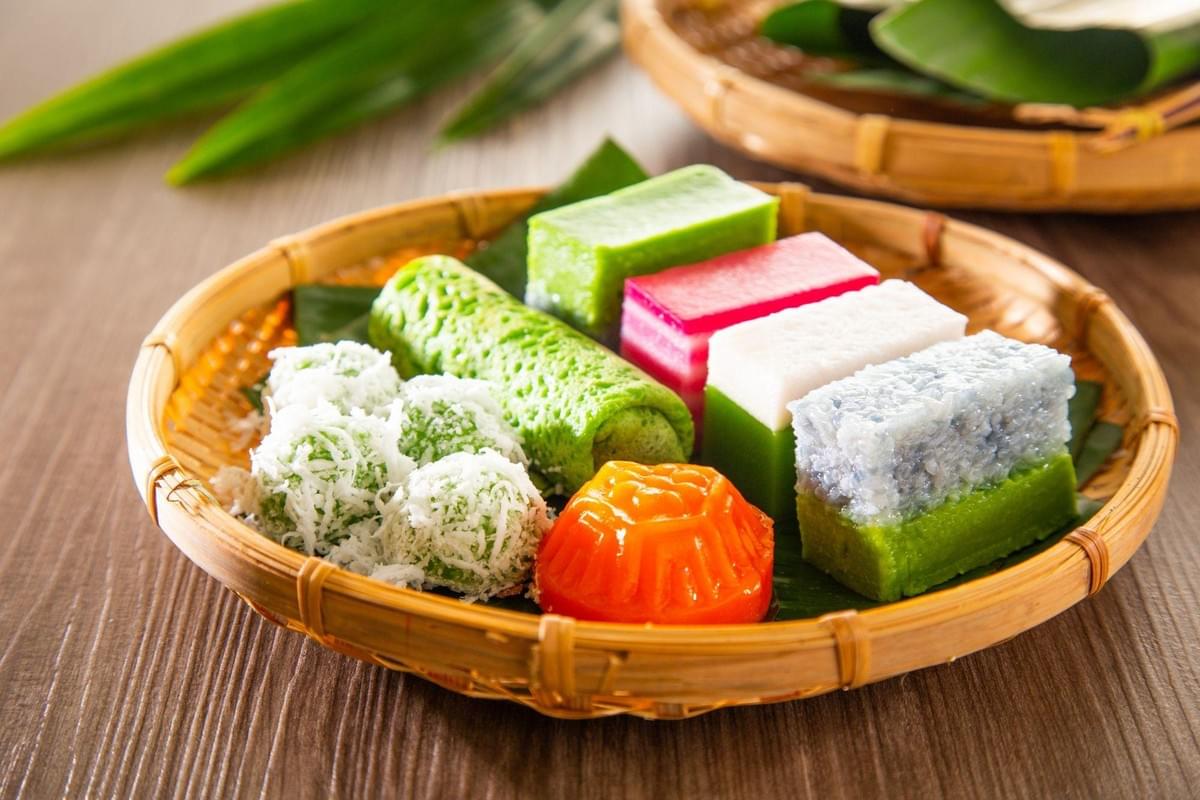
The first time I really paid attention to traditional kuih, I was nine years old and completely confused. My auntie had brought home a tray of these tiny, jewel-coloured bite sized snacks, and I grabbed the brightest green one assuming it would taste like candy. Instead, I bit into a soft, springy mouthful that burst with warm, salty-sweet palm sugar and the unmistakable fragrance of pandan leaves. That was my first ondeh-ondeh, a classic traditional malay kuih filled with coconut filling, and I've been hooked ever since.
Here's what took me years to understand: kuih is so much more than a colourful snack tray like a butterfly pea flower. It's a living record of heritage, texture, timing, and shared food culture in Singapore. Every piece carries a story about migration, family recipes, special occasion, and the markets that still keep these traditions alive today. These traditional malay food and desserts singapore reflect the rich culinary history of southeast asia, blending influences from malay, nyonya kuih, and chinese traditions.
So let me walk you through everything I've learned about exploring kuih confidently. Trust me, once you understand it, you'll never look at that rainbow tray the same way again.
What Malay Kuih Actually Is in Singapore
Let's clear up the biggest misconception right away. Kuih, also spelled kueh, does not belong to just one culture. This is something I got wrong for the longest time.
Kuih is a broad regional malay word for bite-sized snacks, sweets, and even some savoury kuih treats found across Singapore, Malaysia, Indonesia, and Brunei. In Singapore specifically, it's woven into everyday eating: breakfast, tea time, festive gatherings, or just a small afternoon treat.
What makes our kuih scene so rich is the overlap. Malay kuih, Nyonya kueh, Indonesian kueh lapis (also known as the nine layer cake), kueh dadar, and Chinese ang ku kueh all sit side by side here. Here are a few you'll bump into constantly:
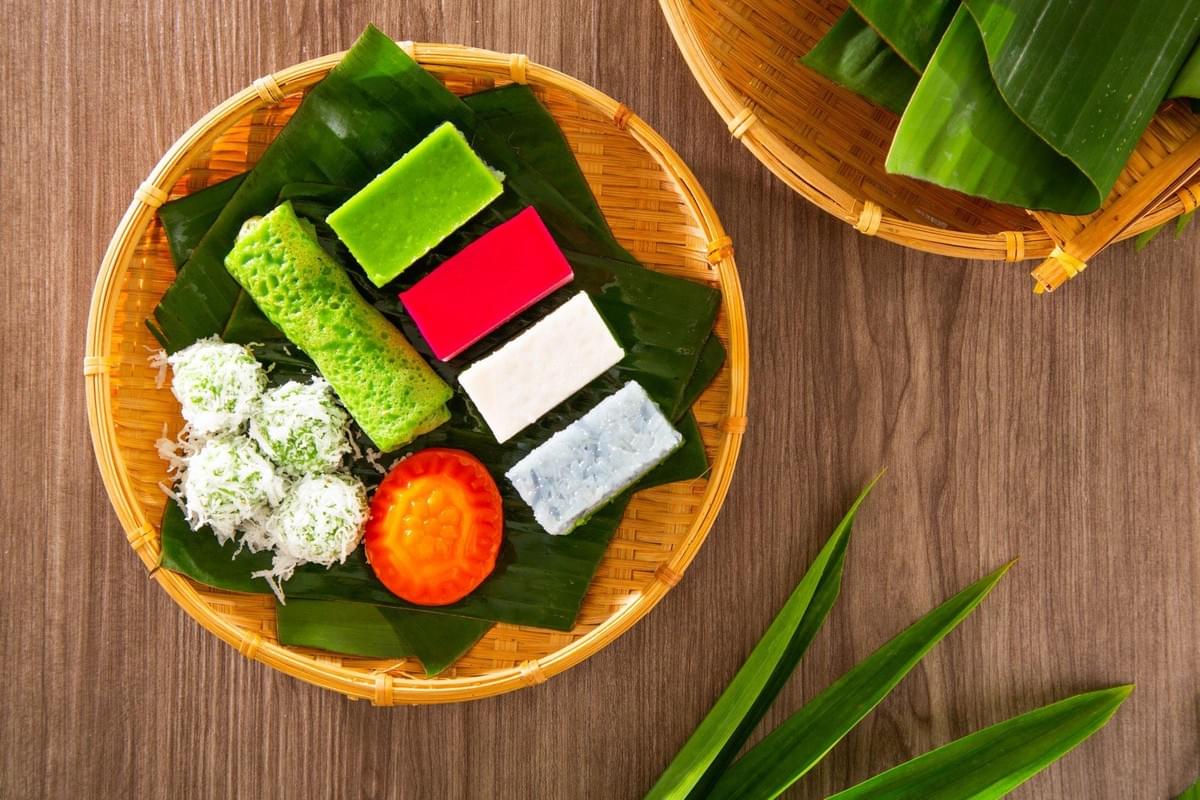
- Ondeh-ondeh — chewy steamed glutinous rice balls in combination with a gula melaka burst inside, rolled in grated coconut.
- Kuih lapis — served as soft, peelable layers that beg to be pulled apart, typically cooked with rice flour and coconut milk.
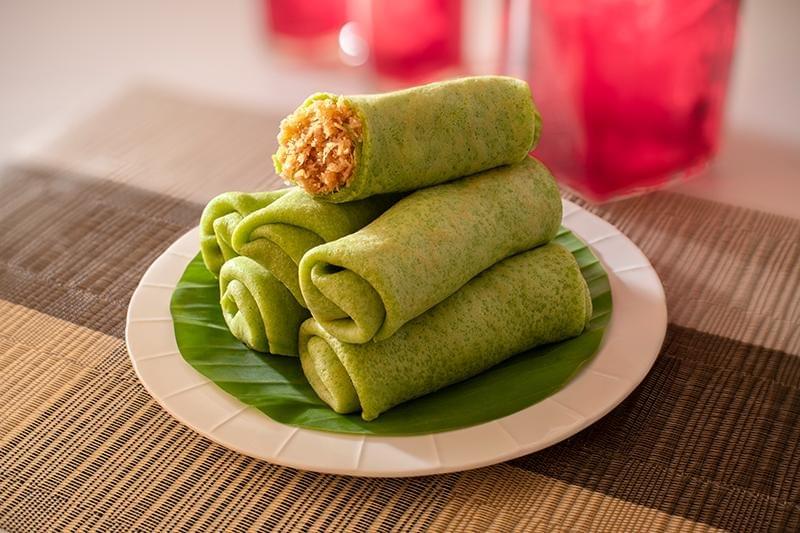
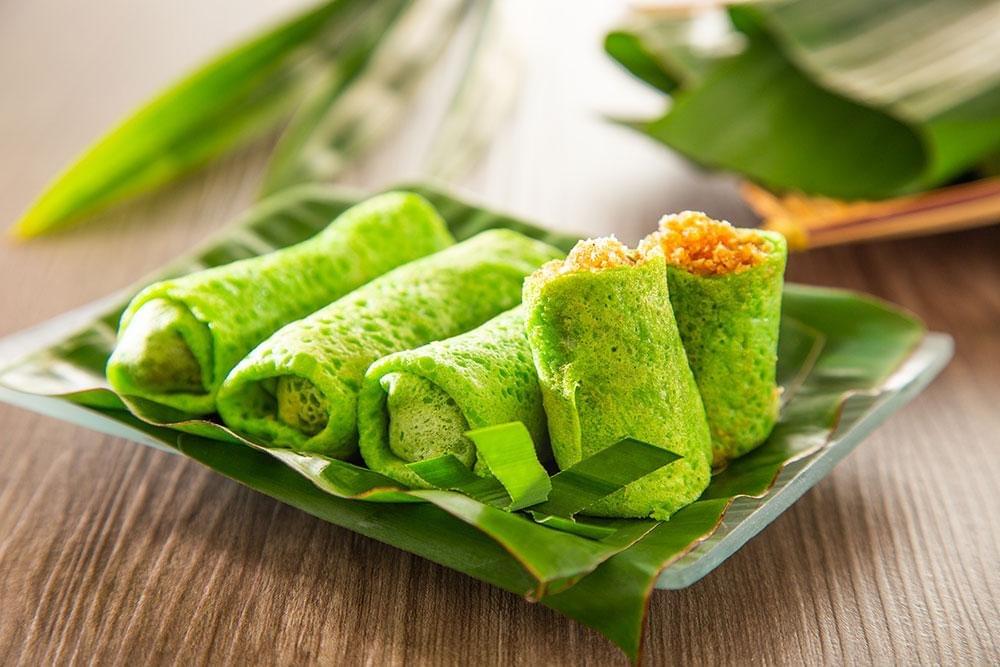
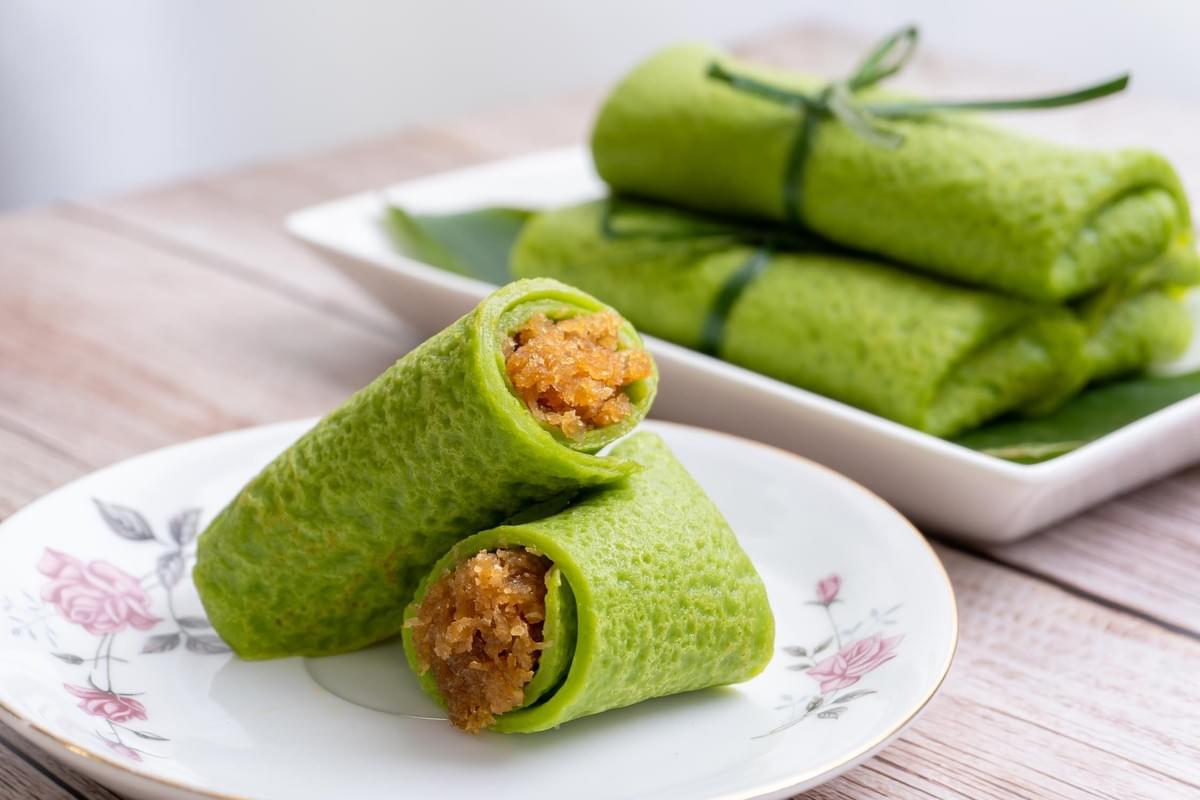
- Kuih dadar / kuih ketayap — a pandan crepe wrapped around sweet grated coconut and palm sugar filling.
- Kuih salat / kuih talam / seri muka — pandan custard on a thick glutinous rice bottom layer.
- Putu piring — warm steamed rice flour cakes filled with palm sugar.
- Pulut panggang — savoury glutinous rice with sambal, grilled in banana leaf over open fire.
- Ang ku kueh — a chewy red Chinese kueh, often filled with mung bean as a flavour.
And no, kuih isn't always sweet. That pulut panggang I mentioned? Pure savoury comfort, stuffed with spiced dried shrimp sambal belacan and wrapped in banana leaves like a whole meal. The variety genuinely surprised me when I started exploring properly.
How to Start If You Are New to Malay Desserts
Standing in front of a packed kuih tray for the first time is genuinely overwhelming. I've watched plenty of friends freeze up, then panic-buy by colour alone. Don't do that. Here's the approach I'd suggest instead.
- Choose by texture, not colour. Decide what you're in the mood for. Want something soft like butter and creamy with coconut milk? Go for kuih salat or kuih talam. Craving chewy and bouncy? Ondeh-ondeh is your friend. Fancy something layered and playful like the nine layer cake? Kuih lapis every time.
- Ask what's fresh today. This single question changes everything. Kuih is best eaten the same day it's made, and coconut-based kuih especially can dry out or turn oily fast. A good stallholder will happily point you to the morning's freshest batch.
- **Buy a mixed box of 4–8 pieces.**This is hands down the best way to learn. A small box lets you compare pandan, coconut, palm sugar, and banana leaf aromas side by side without committing to a dozen of one thing.
- Eat the delicate ones early. Ondeh-ondeh, putu piring, and steamed coconut kuih are best enjoyed soon after buying. Don't let them sit around all afternoon.
As for cost, here's a realistic guide:
- Hawker or market kuih: around S$0.80–S$2 per piece
- Specialist shops: around S$1.50–S$3.50 per piece
- Mixed boxes: around S$6–S$20+, depending on quantity and brand
- Festive or premium trays: often S$30+
My Taste Tips: When buying a mixed box, ask the stallholder to pack the wet, coconut-heavy kuih separately from the drier ones. It keeps textures intact and stops everything sweating into one soggy pile on a hot day.
What Experienced Kuih Lovers Look For in Nyonya Kuih and Malay Kuih
After years of buying kuih across the island, I've developed a few quick checks. These help me spot the genuinely good stuff from the mass-produced disappointments.
- Fresh coconut milk aroma. Good kuih should smell gently of coconut, pandan leaves, banana leaf, or gula melaka. If it smells like stale oil or fridge odour, walk away.
- Balanced sweetness. The best kuih isn't flatly sugary. I look for layers: a hint of salt in the grated coconut, fragrance from pandan leaves, and real depth from the palm sugar.
- Proper texture for each type. Kuih lapis should peel softly without feeling rubbery. Kuih salat needs a smooth custard top over firm but tender steamed glutinous rice. Ondeh-ondeh should actually burst, not feel dry and sad inside.
- Handmade irregularity. Slight variations in shape or layering usually mean someone made these by hand rather than churning them out industrially. I take that as a good sign.
Now for the red flags I've learned to avoid:
- Dry, shredded coconut that's lost its moisture
- Kuih sweating heavily inside sealed plastic boxes
- Harsh artificial colouring with almost no aroma
- Gula melaka filling that tastes like plain sugar syrup
- A stiff, rubbery bite, or fridge-cold softness when it should be soft and fresh
- Trays sitting uncovered in the heat for hours
Insider knowledge: If a stall has dozens of trays all uncovered and barely moving, that's usually a sign of slow turnover. The fastest-selling stalls keep smaller batches that get replaced often, which means fresher kuih in your hand.
Where to Find Good Traditional Malay Desserts in Singapore and Kuala Lumpur
Half the fun is the hunt. Here are the spots and formats I keep coming back to.
Geylang Serai Market
This is my top recommendation for the full Malay food experience. The kuih variety here is fantastic, and the cultural context makes every visit feel special. Go early for the best selection.
Tekka Market
A brilliant multicultural site for breakfast and snack hunting. You get a wonderful mix of traditional malay kuih, nyonya kuih, and chinese kuih muih under one roof, perfect if you want variety and affordable prices.
Kampong Gelam/ Arab Street area
Great for soaking up Malay heritage alongside your kuih. The neighbourhood vibe makes it an easy half-day wander combined with a coffee stop. Not to mention, there's also a bunch of indian food.
Pasar malam and Ramadan bazaars
This is where festive kuih really shines. During Ramadan especially, the sheer abundance is breathtaking. Just pace yourself (more on that mistake below).
Specialist shops like Ollella and Kueh Ho Jiak
If you want a polished, modern take, these brands preserve traditional recipes in a contemporary retail setting. Ollella, for instance, builds on decades-old family recipes. Expect to pay a bit more, but the consistency is reliable. Some of these places have even earned recognition from the Michelin Guide for their authentic malay desserts singapore.
Common Mistakes to Avoid When Enjoying Kuih Talam, Kuih Ketayap, and Other Malay Kuih
I've made every one of these, so learn from my stumbles instead.
- Buying by colour alone. This was my childhood mistake, and it still trips up first-timers. Bright kuih can look identical but taste and feel completely different. Always ask what's inside.
- Overbuying at Ramadan bazaars. My first proper bazaar visit, I bought far too much because everything looked gorgeous. Half of it went stale before I could finish. Start small, eat fresh, and just come back another day.
- Waiting too long to eat. Fresh kuih doesn't wait for you. I've ruined a perfectly good ondeh-ondeh bowl by leaving them in a bag for hours. Eat the delicate ones soon after buying.
- Assuming all sweet kuih taste the same. They genuinely don't. One might be custardy with eggs and coconut milk, another chewy with glutinous rice, another crumbly with wheat flour and palm sugar. That variety is the whole point.
A Final Thought on Malay Dessert Singapore and the Rich Kuih Tradition
The thing I love most about kuih is how alive it still feels. Singapore's hawker culture earned its place on UNESCO's heritage list in 2020, and everyday market snacks like these are a big part of why. Every handmade piece represents a recipe passed quietly through generations, a market that refuses to disappear, and a small act of sharing.
So here's my encouragement to you: go find a stall this week. Ask what's fresh, buy a small mixed box, and taste the delicious difference between a soft custardy kuih salat and a bouncy ondeh-ondeh. Bring some to share with friends or colleagues, because honestly, kuih tastes even better when it sparks a conversation.
You won't get it all right the first time. I certainly didn't. But that's the joy of it. Every visit teaches you something new about texture, timing, and the beautiful, layered food culture we get to enjoy right here in Singapore.
