

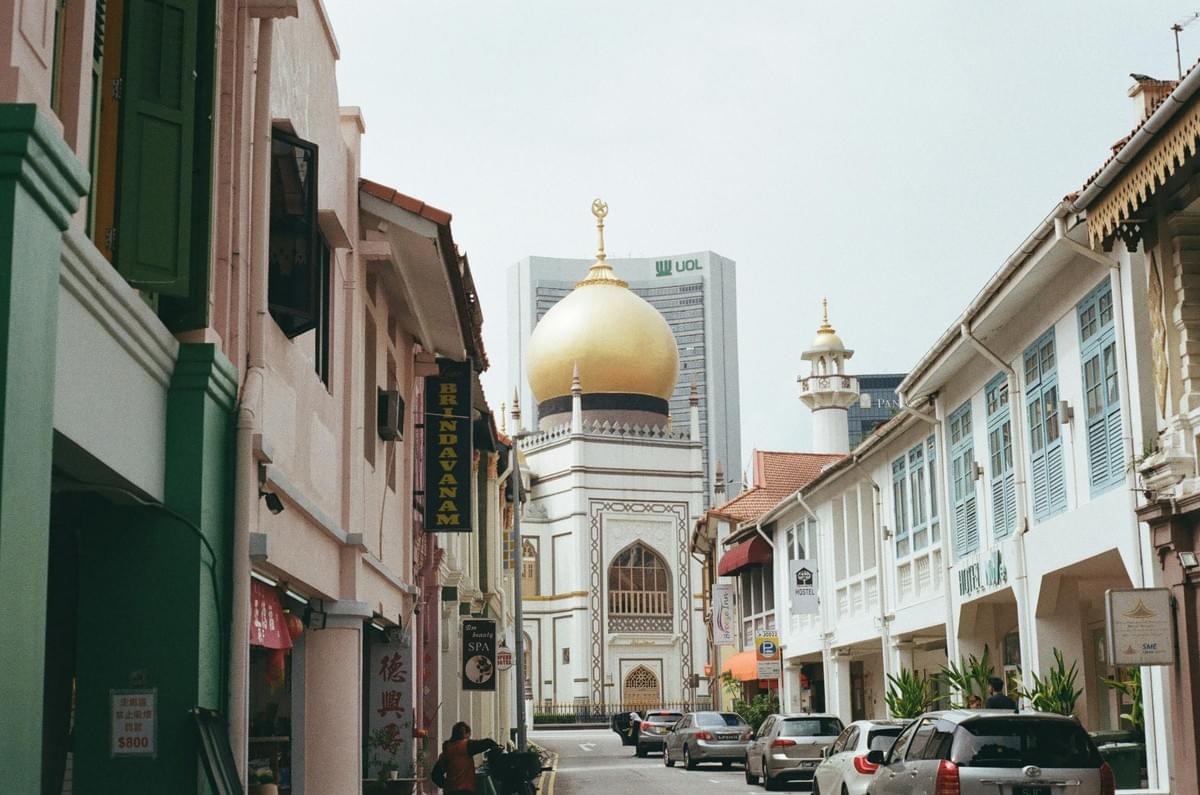
The first time I sat down for a proper plate of nasi padang near the historic Sultan Mosque, I made the classic beginner mistake. I pointed at everything that looked good, and ended up with a tray groaning under six dishes. The uncle behind the counter just laughed and told me to slow down next time, taste one thing at a time, and ask questions. I've been doing exactly that in Kampong Glam ever since.
What I've learned over the years is that this lively neighbourhood rewards curiosity. It isn't just a strip of famous restaurants and cool, photogenic shophouses. Kampong Glam is a layered record of memories: who settled here, who traded here, and who's still cooking the same recipes their grandparents did. If you're willing to look past the vibrant murals and the boutique cafes for a moment, the food alone tells you almost everything about how this pocket of Singapore came to be.
Why Kampong Glam Became a Malay and Muslim Focal Point
Kampong Glam's identity traces back to 1822, when Stamford Raffles drew up a town plan that assigned different communities to different zones of land of the growing settlement. The area quickly grew into a hub for Singapore's Muslim community, composed of traders, scholars, and pilgrims preparing for the journey to Mecca. Nearby kampongs (traditional villages), including Kampong Malacca, Kampong Java, and Kampong Bugis, developed alongside it under the same colonial zoning logic, each named for the communities who settled there and each feeding into the same busy trading network.
What surprised me when I first dug into this history is how multicultural the neighbourhood actually was, and still is. Arab traders were part of the mix, which is why Arab Street exists today, but so were Bugis sailors, Javanese merchants, Boyanese settlers, and Malay families who'd lived in the area long before any formal town plan existed. I think it's a mistake to flatten Kampong Glam into a single-community story. Its real character is created precisely by that overlap.
Simon Says: Here's a question I get asked a lot on food walks: is it "Glam" or "Gelam"? Both are correct; you'll see them used interchangeably on street signs and in official material. I've settled into using "Kampong Glam" in casual conversation simply because that's what most signage uses today, but I'll switch to "Kampong Gelam" when I'm talking about the area's older, more traditional identity. Locals do the same.
Sultan Mosque and the Streets That Grew Around It
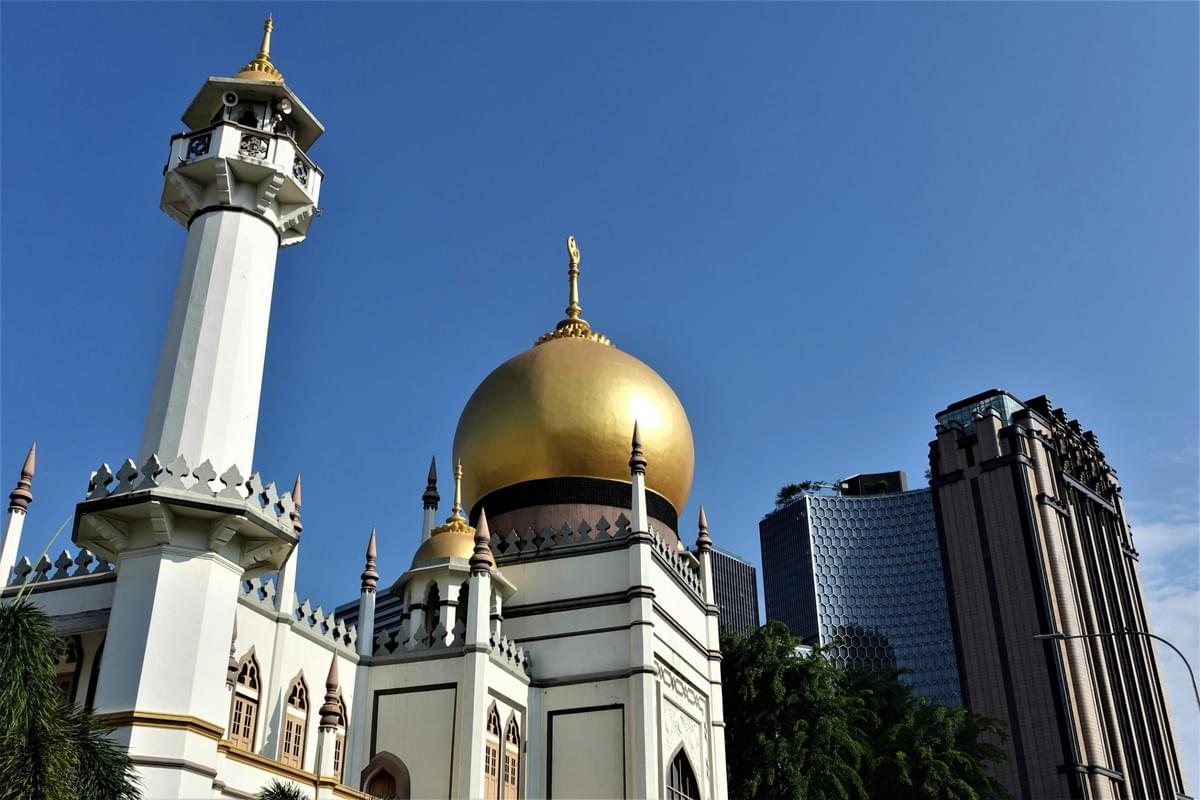
Sultan Mosque, or Masjid Sultan, has anchored this neighbourhood since 1824, with the current golden-domed building dating to a 1932 reconstruction. It's easy to treat it as a photo backdrop, but I'd urge you to remember it's an active place of worship first. That shapes how you should visit.
- Saturday to Thursday. Walk-in visiting hours from 10am–12pm and 2pm–4pm.
- Friday. Closed to walk-in visitors.
I'd suggest planning around these windows rather than showing up whenever you happen to be nearby. The streets radiating outward from the mosque, including Bussorah Street and Kandahar Street, grew up around the flow of worshippers and traders, which is part of why the food scene here still feels so tied to daily community life rather than pure tourism.
What Nasi Padang Reveals About Kampong Gelam
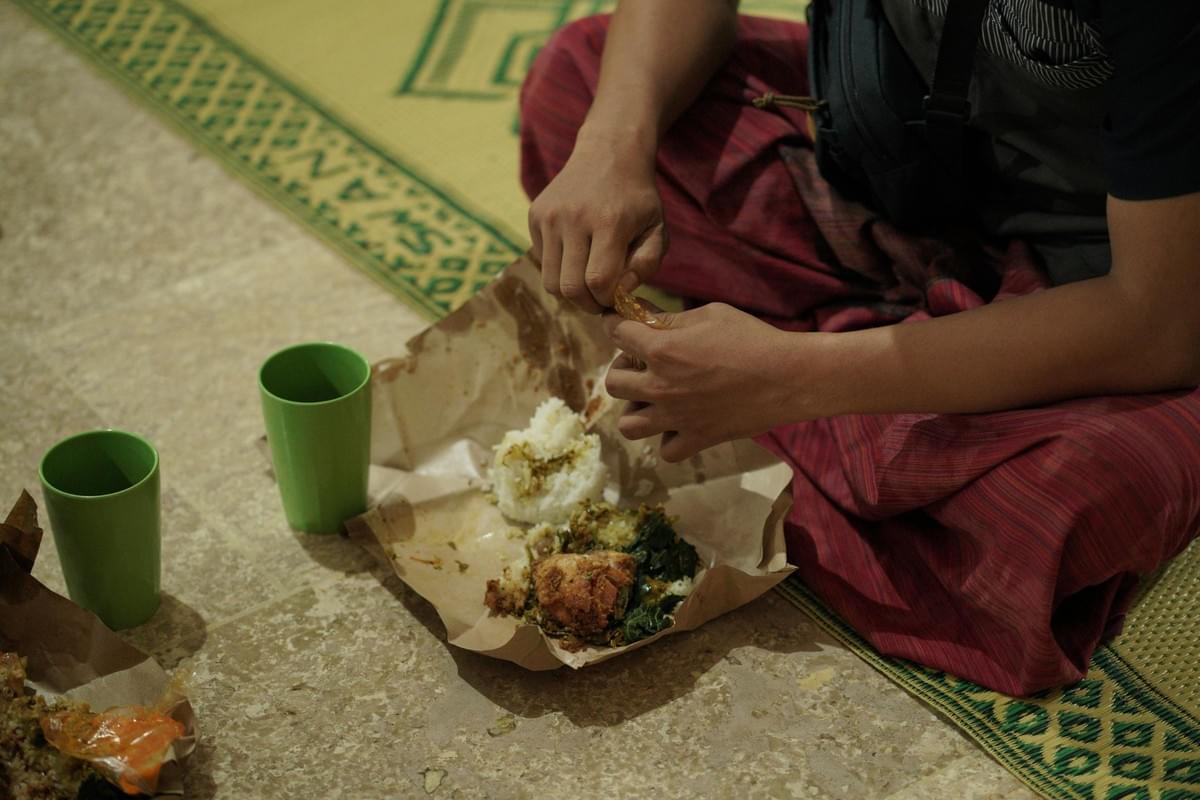
One thing I had wrong for years: I assumed nasi padang was Malay food. It's actually Minangkabau cuisine, originating from West Sumatra, and it arrived in Singapore through the same trading routes that made Kampong Glam a commercial crossroads. That distinction matters, because it explains why the neighbourhood's food scene has always been layered rather than singular.
How Nasi Padang Preserves Minangkabau Food Traditions
Nasi padang remains historically significant in Kampong Glam for how faithfully it carries Minangkabau roots. Rendang, in its original West Sumatran form, is slow-cooked for hours until deeply caramelised, with aromatics including galangal, lemongrass, and kaffir lime leaf. This patience-over-heat approach travelled across the Malacca Strait with Minangkabau families. Other dishes adapted to local tastes and ingredients, showing how food heritage is negotiated between memory and circumstance.
What Family Food Businesses Reveal About Continuity
Kampong Glam's nasi padang culture passes between generations through practice rather than documentation. Recipes were absorbed through years at the stove, learning when rendang had reduced enough, how to balance a belado, and what a good broth smells like. The counter-display format, rooted in the old street-stall tradition, carries its own continuity. When families preserve that format over decades, the method becomes as much a part of the heritage as the recipes.
Nasi Lemak and the Wider Malay Food Tradition
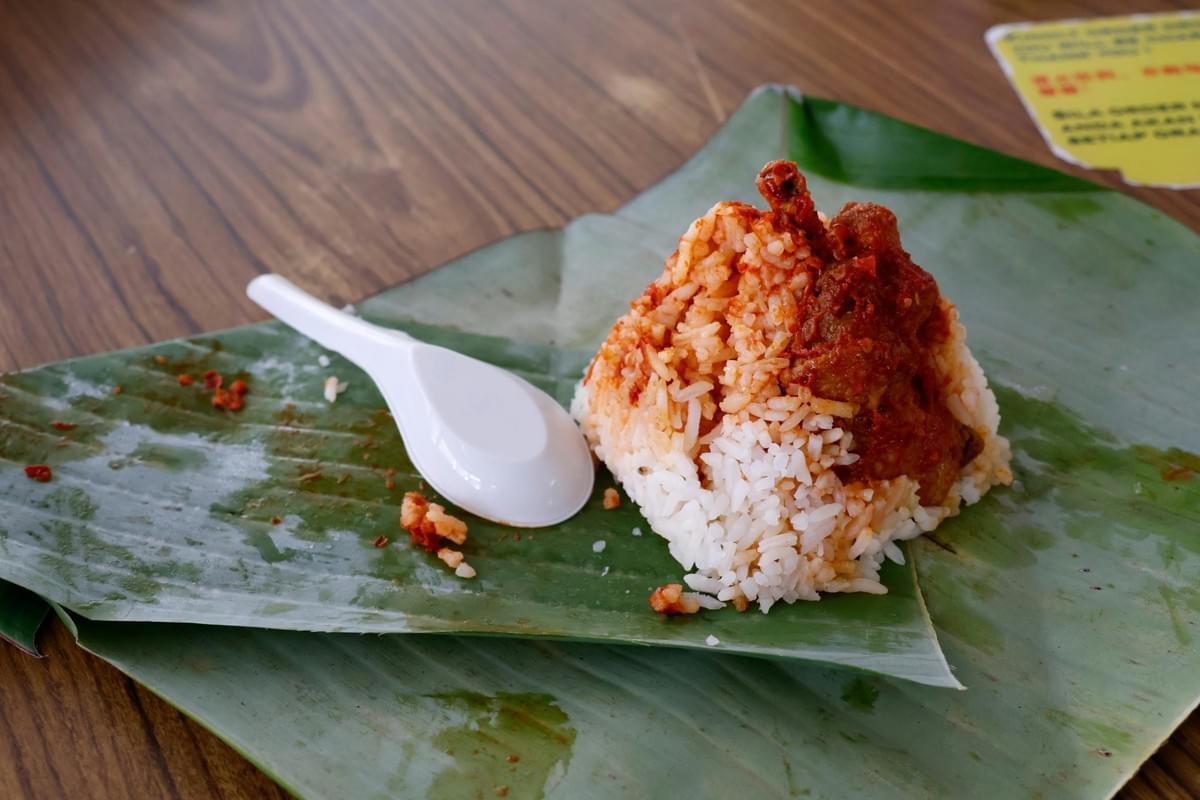
Nasi lemak sits closer to the Malay culinary core, and it's a good dish for understanding how ingredients moved with the people who settled here. Coconut milk, pandan, sambal, and the specific rempah bases used in Malay cooking all reflect a broader web of trade and migration through this port. If you want to go deeper on this, I'd point you toward the rare herbs and spices that define traditional Malay food in Singapore, which travelled here with migrant communities long before Singapore had a name on most maps.
Malay Heritage Centre: Reading the Neighbourhood Beyond Its Restaurants
If you want context for everything you're eating and seeing, the Malay Heritage Centre is the place to go. It reopened on 25 April 2026, so if you've come across older articles describing it as closed, that information is now out of date. I'd recommend visiting before your food stops rather than after; it gives you a framework for understanding why certain dishes and streets exist where they do.
From Arab Street to Haji Lane: How Kampong Glam Changed
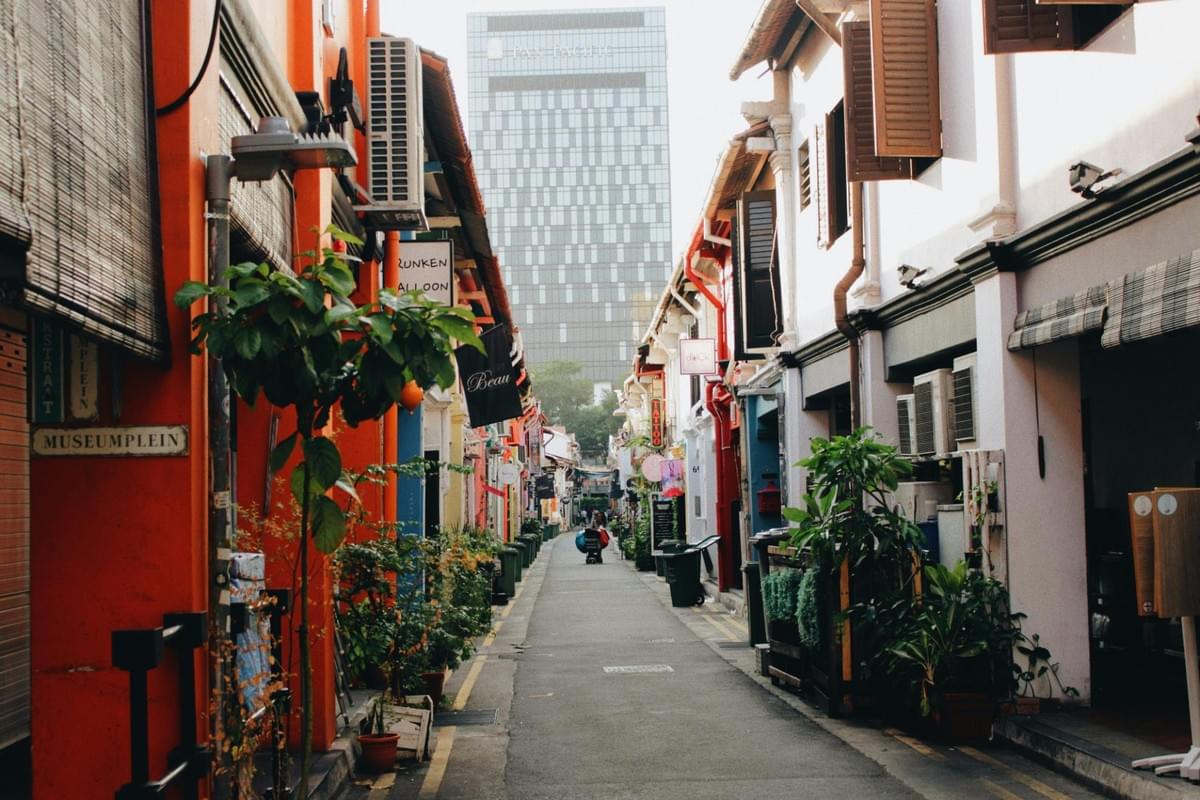
Arab Street still carries textile shops and fabric traders that hint at its original trading purpose, but Haji Lane tells a much newer story. Over the past fifteen years or so, this narrow alley filled up with creative murals, small bars, and independent boutiques, turning it into one of Singapore's most photographed corners. I've had some genuinely good bar stories and conversations on Haji Lane's tucked-away rooftop spots, and the vibrant street art here has become part of the neighbourhood's visual identity in its own right.
Simon Says: I think it's important not to mistake Haji Lane for the whole of Kampong Glam, though. It's one contemporary layer sitting on top of a much older, deeper history. Walk two minutes in any direction and you'll discover you're back among mosque-adjacent shophouses and family-run food stalls that have nothing to do with the bar scene.
How to Explore Kampong Glam Through Food Today
Here's roughly how I'd structure a half-day visit, based on years of trial and error:
- Start at the Malay Heritage Centre for context
- Walk to Sultan Mosque during permitted visiting hours
- Wander through nasi padang at Rumah Makan Minang or Sabar Menanti
- Detour to Hjh Maimunah at 11 Jalan Pisang for Malay comfort food (open Monday–Saturday, 7:30am–7pm, closed Sunday)
- End the night on Haji Lane for a slower afternoon coffee or evening drink
Simon Says: Go on a weekday morning if you can. The mosque's visiting hours line up better with a quieter street scene, and you'll beat the lunch crowds at the nasi padang stalls.
Kampong Glam Is a Starting Point, Not a Museum Piece
I keep coming back to Kampong Glam because it refuses to sit still. The mosque, the old trading streets, and the newer bar scene on Haji Lane all coexist without cancelling each other out, and the food across all of it still tells you something true about how Singapore came together. If this kind of neighbourhood-led food history interests you, I'd also point you toward how Maxwell Food Centre through the decades tells a similarly layered story, just from a completely different corner of the island. Every neighbourhood or city here has its own version of this story. Kampong Glam just happens to wear its history a little more visibly than most.
