

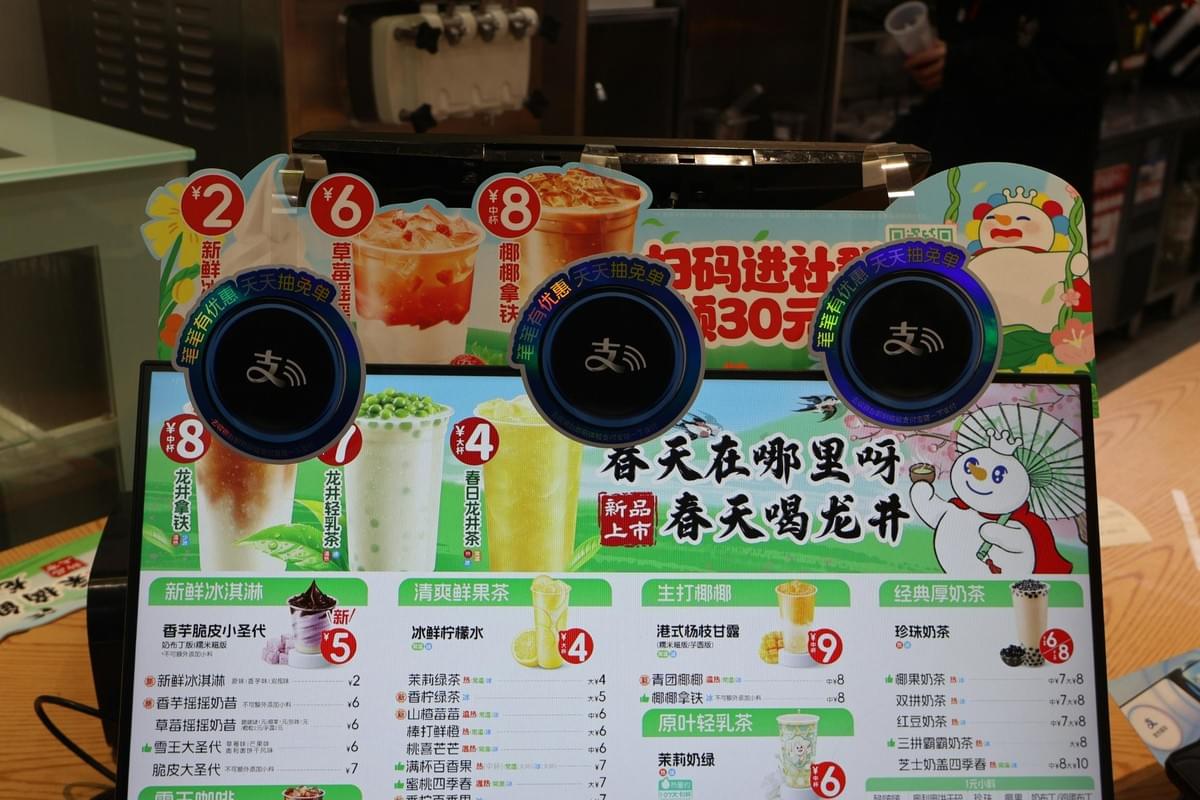
he uncle at the drink stall barely looked up when I said it.
“Teh c, less sweet.”
Then, almost without thinking, I added the phrase I hear everywhere now: “Not too sweet, ah.”
He gave the smallest nod, the kind that says he has heard this a hundred times before. Maybe a thousand.
Around me, spoons knocked against glass. Ice clinked into plastic cups. Someone called for kopi o kosong. Someone else was carrying two kaya toasts across the aisle, butter already melting at the edges. The afternoon was warm enough to make the tables feel slightly sticky under my wrist.
It struck me that “not too sweet” has become one of those tiny Singaporean instructions that carries much more than it seems to.
We say it at bubble tea counters, bakeries, dessert stalls, cafes. We say it over bowls of cheng tng and slices of cake. Sometimes we ask before the first bite. Sometimes we say it afterwards, approvingly: “Nice. Not too sweet.”
For a long time, sweetness meant generosity to me.
It was condensed milk curling into kopi. Syrup over ice kachang. Kaya spread all the way to the corners of toast. At family gatherings, fruit appeared after dinner, but so did something sweeter: kueh, cake, tau huay, maybe a tub of ice cream pulled from the freezer when everyone claimed they were already full.
Nobody needed much persuading.
Now, I notice a different choreography.
My mother scrapes less kaya onto her toast. A friend orders her bubble tea at twenty-five percent sugar. Someone divides one dessert among four spoons. We still want sweetness. We just negotiate with it.
Part of that, of course, is health. Sugar has become something we count, reduce, compare. Labels are read more closely. Drinks come with sweetness levels. The question is no longer simply whether something tastes good, but how much sweetness we are willing to live with afterwards.
But I think there is also a change in how we taste.
“Not too sweet” does not always mean we want less pleasure. Sometimes it means we want to taste everything else.
The bitterness of tea. The fragrance of pandan. Coconut milk with a little salt behind it. The nuttiness of sesame. The soft tartness of fruit. Good sweetness, I have learned, does not need to announce itself first.
Perhaps that is why the phrase feels so Singaporean to me now. We are still attached to the flavours we grew up with, but we keep adjusting them. A little less sugar. A little more balance. Enough sweetness to recognise home, but not so much that it hides everything underneath.
At the drink stall, my teh c arrived pale and cold, with just enough sweetness left to round off the tea.
I took a sip.
“Can,” I thought.
Which might be our highest form of approval.
💌 With curious taste buds,
Maia Tan
