

When I first tried cooking traditional Malay food in my tiny Singapore kitchen, I was terribly overconfident. I gathered some chili, garlic, and powdered spices, thinking I could easily replicate the complex, mouth-watering bowl of Asam Pedas I usually buy at my favorite hawker stall. The result was completely flat. It tasted like spicy water.
I quickly learned that the magic of Malay cuisine doesn’t come from chili heat alone. It comes from a vibrant, living ecosystem of fresh herbs, roots, flowers, and fermented ingredients. When I finally added fresh daun kesum (laksa leaves) to my next batch, the entire pot transformed, filling the room with that unmistakable citrusy, peppery aroma.
If you want to understand traditional Malay food in Singapore, you have to look beyond the basic pantry staples. I’ve spent the last few years exploring wet markets and talking to seasoned home cooks, and I’ve discovered that these "forgotten" ingredients are the true backbone of the cuisine. Here is my practical guide to the rare herbs and spices that define traditional Malay cooking.
What Makes Traditional Malay Food Singapore Unique?
Many people mistakenly assume that Malay food is identical to Indonesian or Thai cuisine. While these regions share a geographical pantry, traditional Malay food Singapore relies on its own distinct flavor structure, deeply rooted in the Malay community’s heritage. It is heavily dependent on rich, coconut milk-based spice pastes and an abundance of highly specific fresh herbs and malay spices.
In my experience with Malay cooking, you cannot simply swap out fresh roots for powdered supermarket spices and expect the same delicious result. Traditional Malay cooks build flavor through careful layering, balancing four key elements: pedas (spicy), masam (sour), lemak (rich coconut flavor), and harum (fragrant herbs).
The goal is absolute harmony. A great dish doesn't just burn your tongue; it hits you with bright citrus notes, a touch of floral sweetness, and a grounding, earthy depth. These complex flavour profiles are only possible when you use the right fresh ingredients, such as turmeric, cinnamon, coriander, and ginger.
Key Malay Spices and Herbs to Know

Walking through a local wet market can be overwhelming if you don't know what you are looking for. Here are the essential, uniquely Malay ingredients you need to recognize to truly satisfy your taste for Malay food.
- Daun Kesum (Laksa Leaf)
This is the soul of signature dishes like laksa and asam pedas. It has a sharp, peppery, and slightly citrusy flavor that cuts through rich coconut broths perfectly. Without it, your laksa will just taste like spicy coconut soup. - Bunga Kantan (Torch Ginger Flower)
Arguably the most beautiful ingredient in the Malay pantry, this tight, pink floral bud adds a stunning, tangy, and floral bite to kerabu salads, laksa, and sambals. Its aroma is unmistakable and brightens up any dish. - Serai (Lemongrass)
A foundational aromatic for almost every curry and beef rendang. The tender, pale lower third of the stalk is bruised and fried to release its lemony oils, infusing the Malay cooking with a fresh, zesty aroma. - Daun Pandan (Pandan Leaf)
Known as the vanilla of Southeast Asia, pandan fragrances savory steamed rice dishes like nasi lemak and countless desserts. Its sweet, grassy aroma is a subtle but essential part of Malay cuisine. - Kunyit (Fresh Turmeric Root)
Forget the yellow powder in the glass jar. Fresh kunyit has an earthy, warm, and slightly bitter flavor that is essential for an authentic spice paste. It stains your fingers bright yellow, a badge of honor for any Malay cook. - Buah Keluak (The Black Nut)
This defining ingredient in Peranakan-Malay cuisine, famously used in ayam buah keluak, yields a deep, earthy, almost truffle-like flavor. It requires careful preparation and fermentation, representing the labor-intensive roots of traditional Malay cooking.
Remember: Always prioritize freshness over quantity. A small handful of freshly plucked daun kesum will deliver far more flavor than a massive bunch of wilted, older leaves.
The Art of Malay Spice Paste (Rempah)
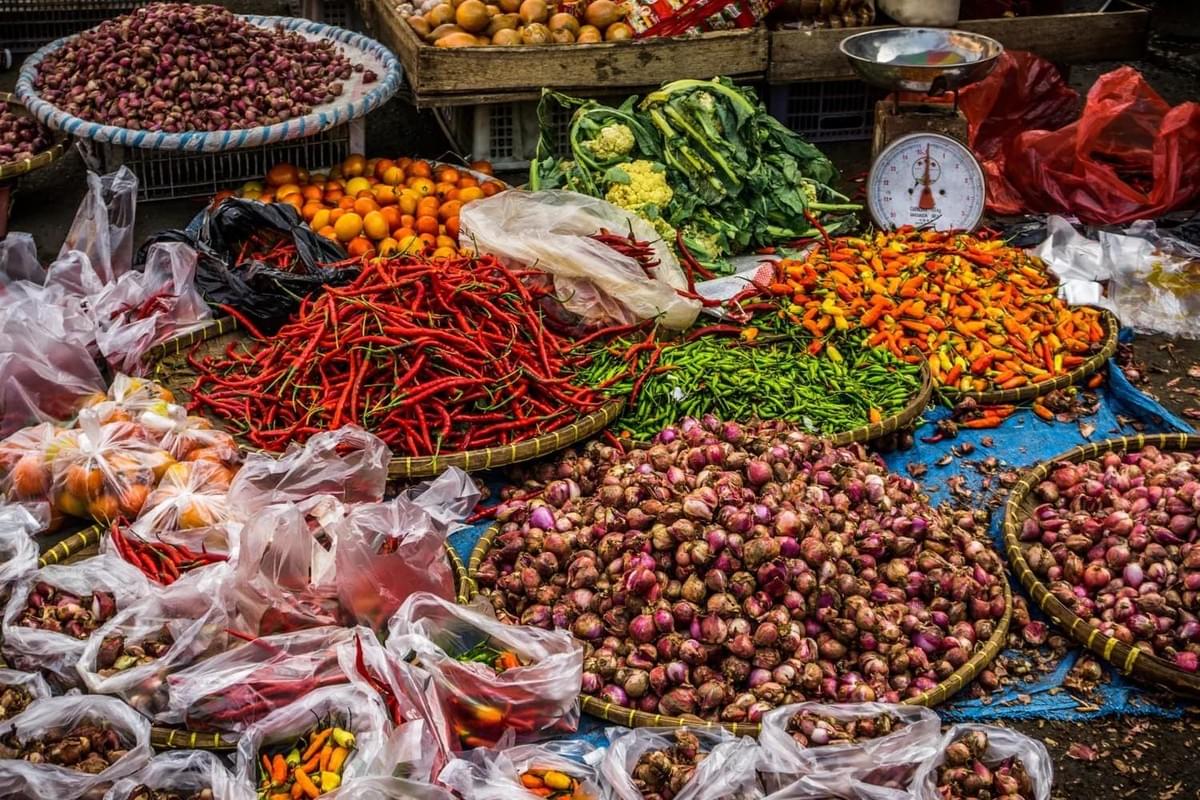
Understanding the ingredients is only half the battle; knowing how to extract their flavor is where the real cooking happens. Most traditional Malay dishes start with a rempah, a foundational spice paste.
Step 1: Prepare the Aromatics
Gather your base aromatics: shallots, garlic, fresh kunyit, galangal, serai, and chilies. Traditional cooks swear by the mortar and pestle. Pounding the ingredients, rather than blitzing them in a blender, prevents overheating and extracts the essential oils much more effectively.
Step 2: Fry the Rempah
This is the most critical step. Fry the pounded paste slowly in hot oil. This process deepens the flavor, cooks out the raw taste of the onions, and reduces any herbal bitterness. You'll know it’s ready when it reaches the pecah minyak stage, when the oil separates from the spice paste and floats to the top, releasing a rich, intoxicating aroma.
Step 3: Add the Fragrant Herbs
Once your base is cooked and you've added liquids like coconut milk or tamarind water, add delicate herbs such as bunga kantan and daun kesum later in the cooking process. Boiling them too long dulls their bright, floral fragrance.
Step 4: Simmer Your Protein
Add your chicken, beef, mutton, or seafood. Let the protein simmer gently in the aromatic broth, soaking up all those complex layers of flavour that define traditional Malay food Singapore.
Where to Find Rare Malay Ingredients in Singapore
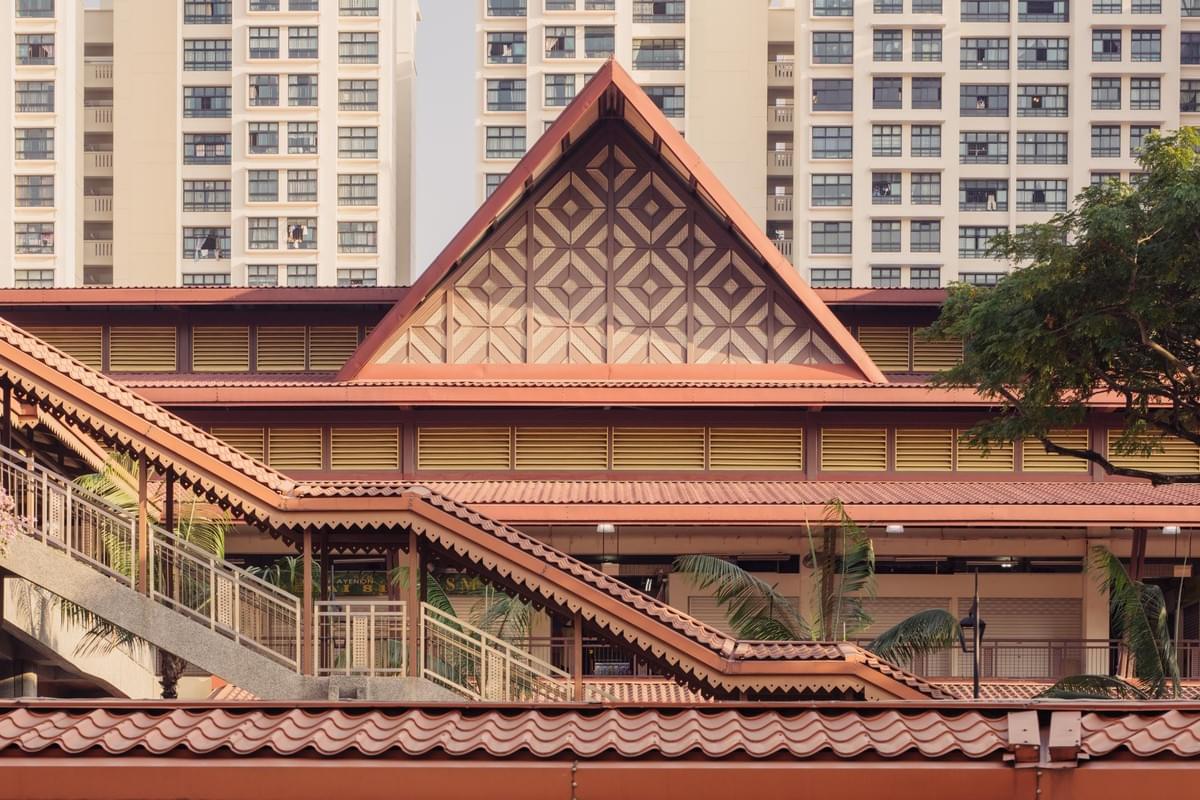
You won’t find many of these specific herbs and spices in standard, air-conditioned supermarkets. To get the real deal, venture into Singapore’s traditional wet markets.
- Geylang Serai Market is the absolute epicenter for Malay ingredients in Singapore. Vendors here carry everything from fresh turmeric to perfectly processed buah keluak.
- Tekka Market in Little India is another fantastic option, boasting an incredible variety of fresh produce and regional herbs.
Timing is everything. Arrive between 7:00 AM and 10:00 AM for the freshest pickings. Late afternoons mean wilted herbs or sold-out stalls. Bring cash and a cooler bag to preserve delicate flowers like bunga kantan from browning in Singapore’s humidity.
Cultural Significance and Communal Eating
Traditional Malay food Singapore is more than just a meal; it is a celebration of family, community, and heritage. Malay cuisine is commonly prepared and shared among loved ones, often without cutlery, using fingers to eat, a practice that connects diners to the food and each other.
Dishes like nasi lemak and nasi ambeng feature fragrant steamed rice served with an array of side dishes such as fried anchovies, peanuts, sambal, and signature dishes like beef rendang and lemang. These meals are designed for sharing, embodying the spirit of togetherness in the Malay community.
The recipes are passed down through generations, reflecting a blend of influences from Malaysia, Brunei, and the wider region, yet always maintaining a distinct identity through the use of traditional Malay spices and cooking techniques.
Examples of Signature Dishes and Their Flavours
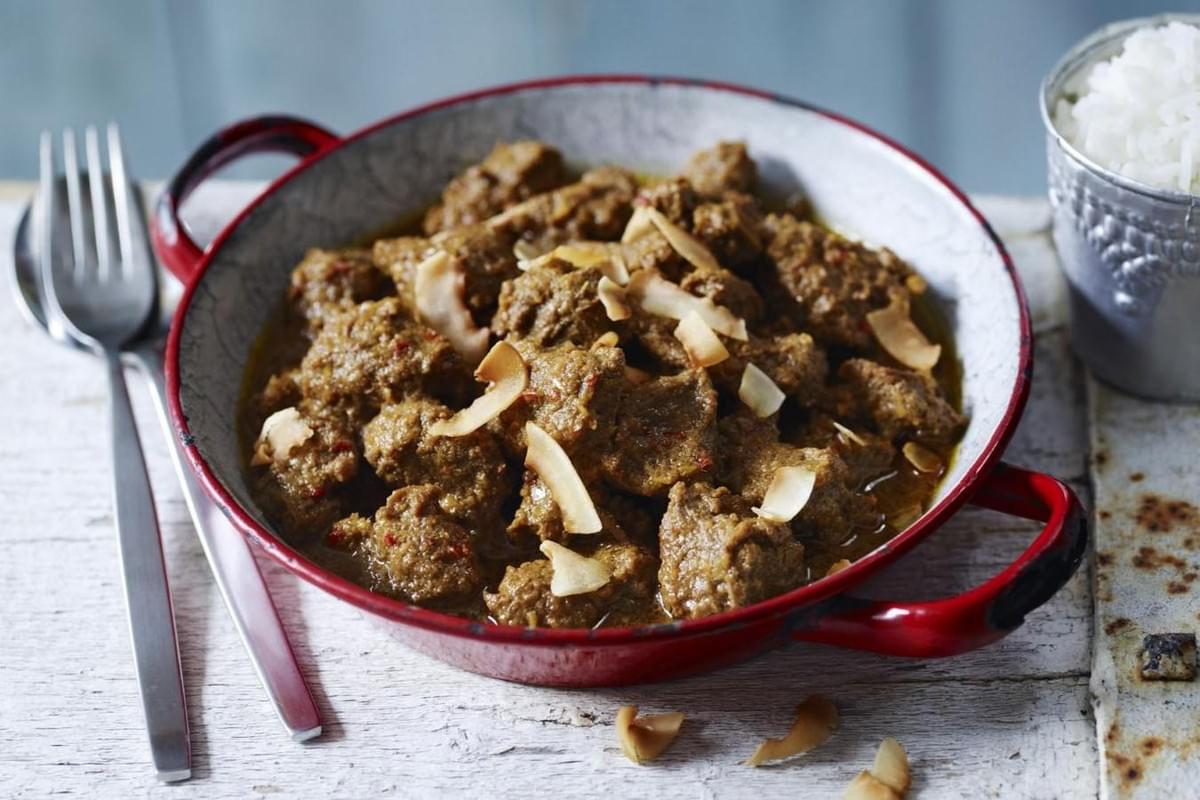
- Beef Rendang: Slow-cooked beef in a rich, spicy coconut milk and rempah blend, infused with cinnamon, coriander, and turmeric, delivering a tender, melt-in-your-mouth texture with a complex, layered flavour.
- Mee Soto and Mee Rebus: Comforting noodle soups with rich broths, aromatic spices, and fresh herbs, commonly enjoyed by Singaporeans as hearty meals.
- Lemak Siput Sedut: A lesser-known but beloved dish featuring snails cooked in a creamy, spicy coconut gravy, a true example of the rich flavours Malay cuisine can offer.
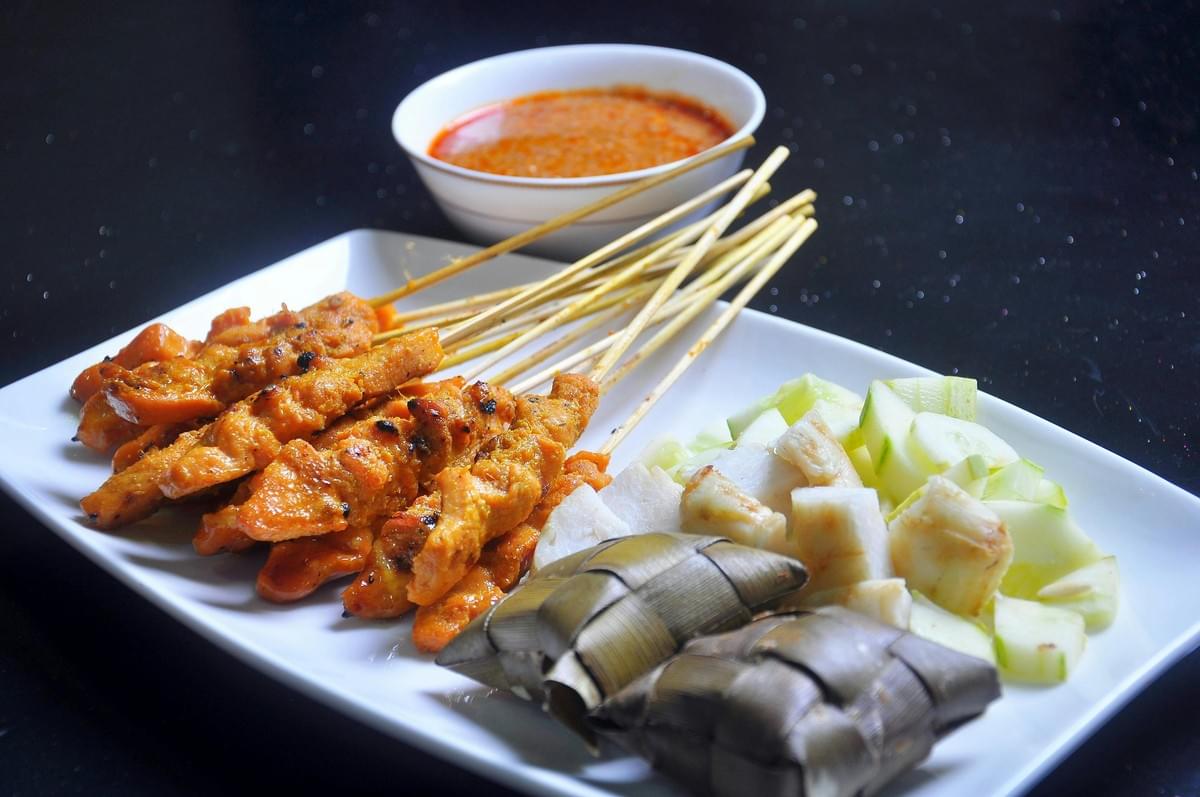
- Satay: Skewered and grilled meat, commonly chicken or beef, marinated in a blend of spices and served with a peanut sauce that’s both spicy and sweet, embodying the balance so central to Malay cooking.
Malay Food in Singapore’s Culinary Scene
From humble hawker stalls to upscale restaurants, traditional Malay food Singapore continues to thrive and evolve. Restaurants like Hjh Maimunah, known for their authentic menu and halal-certified dishes, and newer Michelin-starred establishments highlight the cuisine’s versatility and enduring appeal.
Whether you’re seeking the comforting taste of nasi lemak, the rich depth of beef rendang, or the delicate aroma of freshly made spice paste, Malay cuisine in Singapore offers an absolutely delicious experience that represents the life and culture of the region.
For those craving authentic flavors on the go, SG Street Grub offers a vibrant taste of Malay food in Singapore’s bustling street food scene, bringing traditional dishes to the fast-paced city life.
Taste the Tradition
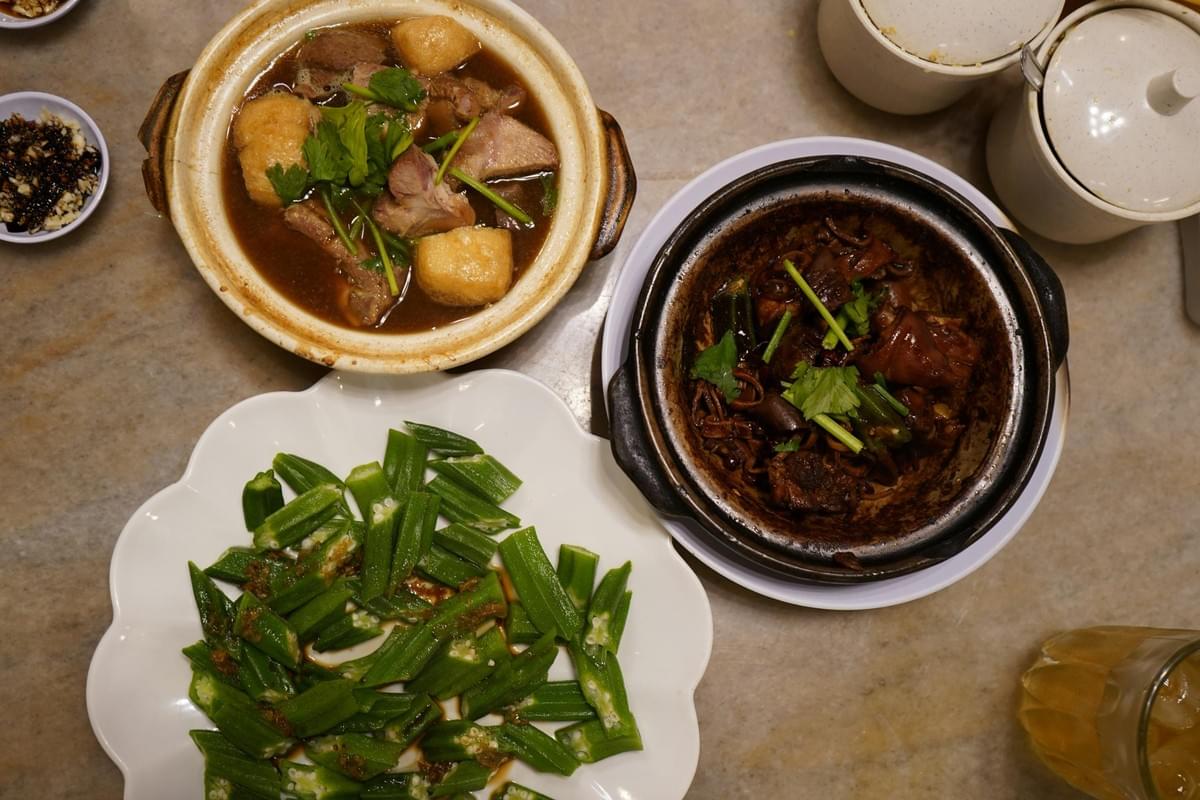
Understanding the rare herbs and spices of traditional Malay food is an incredibly rewarding journey. It completely changes the way you experience dishes like rendang, laksa, and asam pedas. You stop tasting just "spicy curry" and start recognizing the bright punch of daun kesum or the earthy depth of kunyit.
I strongly encourage you to wake up early this weekend, grab some cash, and head to Geylang Serai Market. Talk to the vendors, smell the fresh torch ginger flowers, and try building your own rempah from scratch. It takes a bit of time and patience, but I promise the results are absolutely worth the effort. Happy cooking!
For more details, click here to experience the vibrant and authentic flavors of Singapore, your go-to destination for exploring the rich and diverse street food culture of Singapore.
