

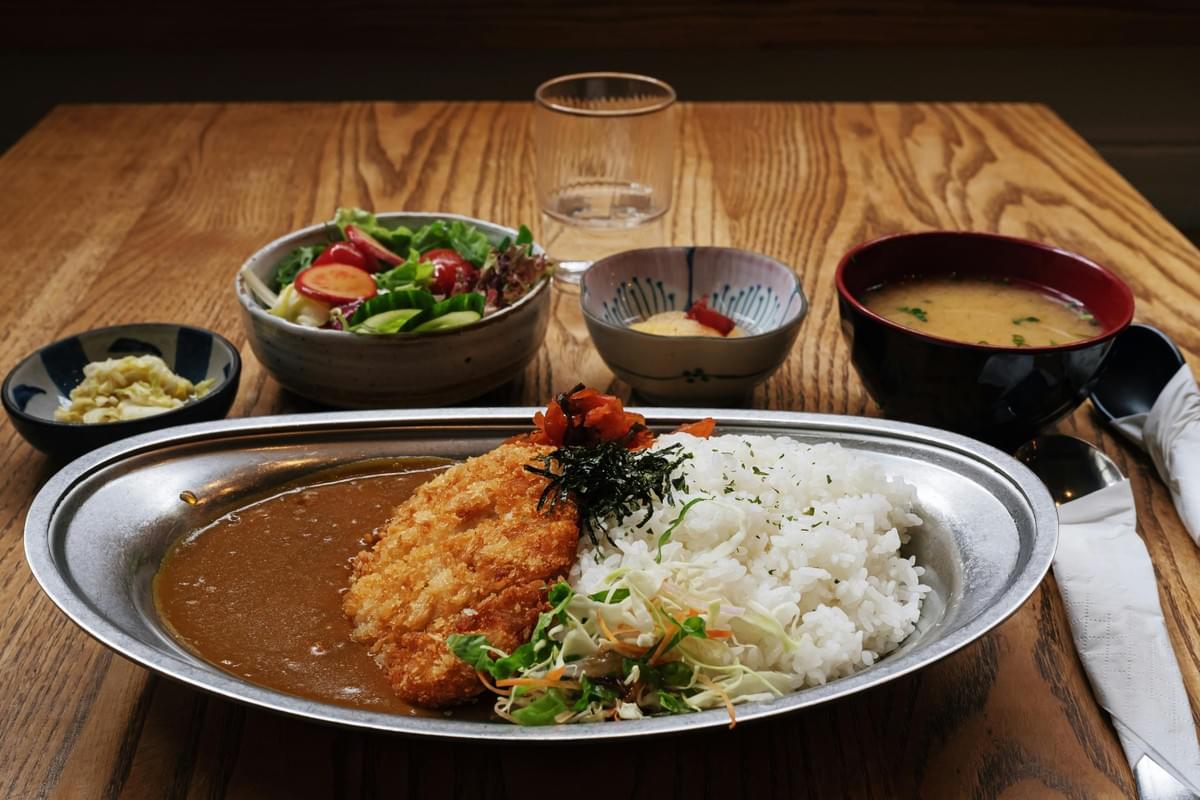
Many Japanese restaurants in Orchard Plaza serve comforting curry rice alongside ramen, donburi, and izakaya favourites, and honestly, the team is used to it. But did you know? The first time we ordered Japanese curry rice, we got it wrong.
Not the curry itself — that part was easy. It was the toppings. We piled on everything the menu offered, thinking more was better. Pork katsu, cheese, an omelette, a sausage on the side. By the time the plate arrived, we couldn't taste the curry sauce underneath any of it. The whole thing felt heavy in a way that had nothing to do with hunger.
That plate taught us something. Japanese curry rice isn't about loading up. It's about balance: one good protein, maybe one thoughtful addition, and a sauce that still has room to speak.
Since then, we've spent a lot of quiet lunches figuring out which toppings actually earn their place. Here's what we've learned, so you can skip the missteps we made.
Here's what's inside:
- How to build a topping combination that works
- The toppings worth your money, with real prices
- The mistakes that quietly ruin a good bowl
How to Choose Your Curry Rice Topping Combination
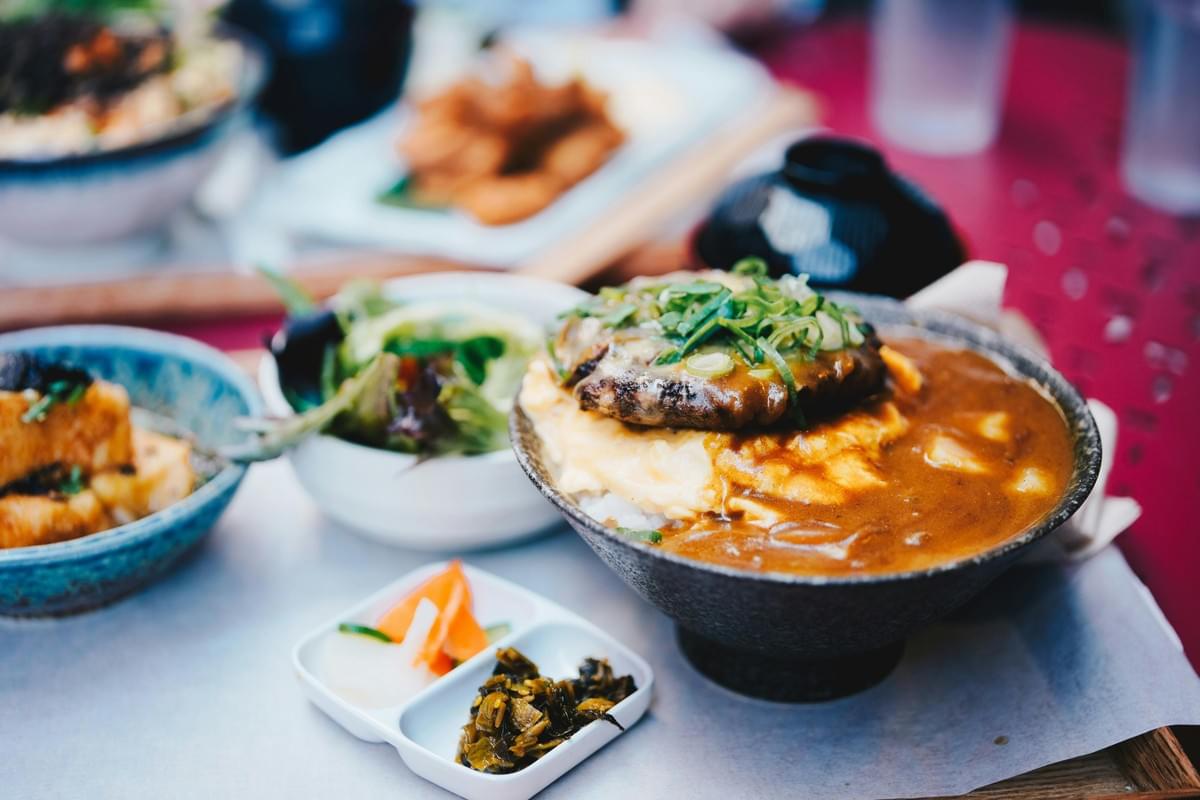
The best approach is simpler than the menu makes it look. We think of it in four small steps.
1. Pick one main protein
Start here, and keep it to one. Your choices usually include:
- Pork katsu (pork cutlet, deep fried and golden)
- Chicken katsu (chicken cutlet, a lighter entry point)
- Hamburg steak
- Beef, in bite-sized chunks
- Ebi fry (fried prawns)
- Fish fry
If this is your first Japanese curry, we'd point you toward pork katsu. It's the classic for a reason: the fat in the pork carries the curry sauce beautifully, and the crust holds its crunch longer than you'd expect.
2. Add one complementary topping (if any)
This is where restraint pays off. A single addition adds texture or richness without burying the dish:
- Cheese
- Soft-boiled egg
- Omelette
- Spinach
- Croquette
One protein, one supporting player. That's the combination most Japanese restaurants quietly recommend, and after enough plates, we understand why.
3. Choose your spice level
Not every place offers this, but chains like CoCo ICHIBANYA do. If you're new, go mild or medium heat. Japanese curry leans sweet and slow-cooked, and a lower spice level lets that natural depth come through. The spice levels at CoCo ICHIBANYA range from zero to ten — most Japanese people tend to stay between one and three.
4. Match your rice portion
Small, regular, or large — fluffy rice, cooked rice with separate distinct grains. Be honest about your appetite, especially if you've added toppings. A large portion of cooked rice with two toppings is more food than most people finish comfortably.
The Japanese Curry Toppings Worth Trying
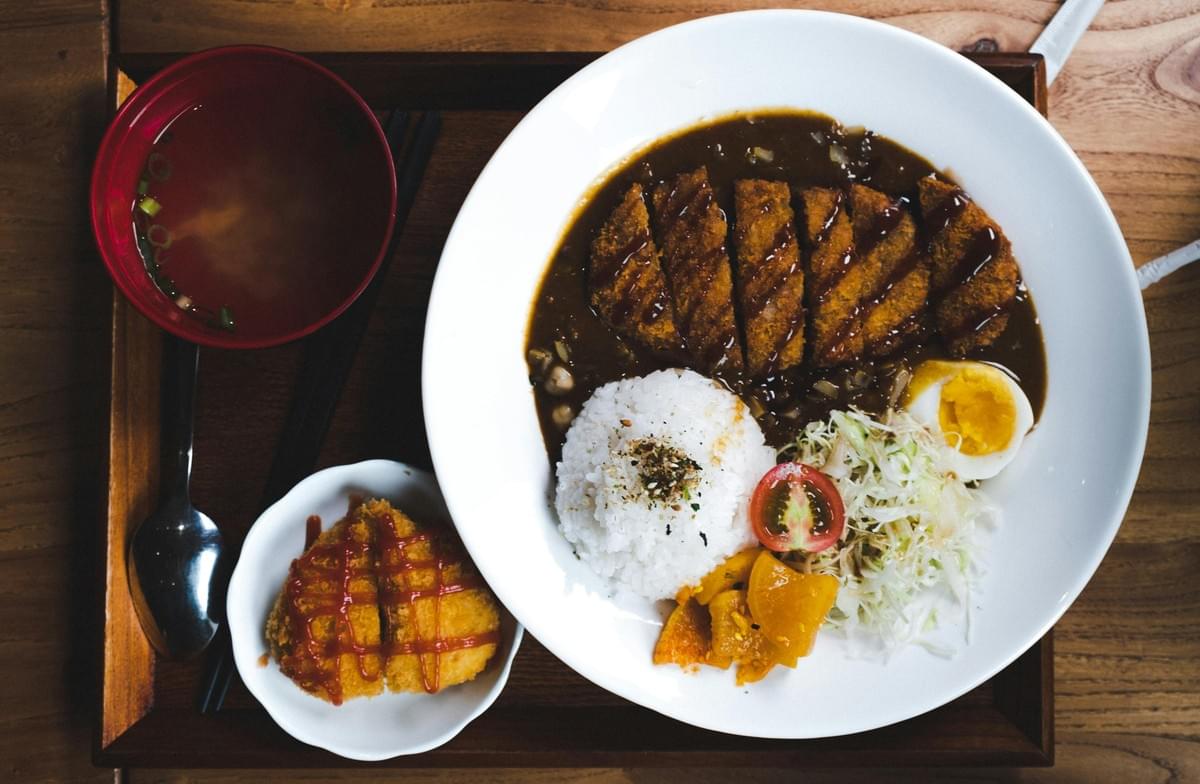
Here's an honest look at the popular options, and what each one actually brings to the plate.
Pork Katsu
Our default, and probably yours too once you try it. A well-made pork cutlet — deep fried, golden, rested — has juicy meat and a coating that stays crisp even under the curry sauce. The richness of pork and the sweetness of Japanese cuisine's most beloved curry belong together. In Japan, this pairing is so established it barely needs explaining.
Chicken Cutlet (Chicken Katsu)
Lighter than pork, and a gentle entry point for newcomers to katsu curry. Many diners in Singapore start here. It's also the topping you'll most often find in halal-friendly form at selected Japanese restaurants, which matters for a lot of tables.
Hamburg Steak
Underrated, in our view. A tender beef patty soaks up the curry sauce differently than a deep fried cutlet does: softer, deeper, more comforting. If you've only ever had katsu curry, the Hamburg Steak Curry is worth a detour.
Cheese
A worry we hear often: won't cheese make it too heavy? Not really. It melts into the curry sauce and turns it creamier rather than heavier. It also softens the spice levels, which makes it a natural pairing if you've ordered a medium or hot curry.
Omelette
Soft, folded, a little sweet. The omelette adds a gentle texture against a crisp katsu, and it's one of the better-value additions on most menus. The Tonkatsu Omelette Curry exists precisely because these three things — pork, egg, curry — work so well together. Big fans of Japanese food will recognise this as a home cooking staple too, something Japanese people have been making in their own version for decades.
Ebi Fry (Fried Prawns)
A treat when you want something different. Crunchy, sweet prawns bring a lighter feel than pork or beef. They cost a little more, but for a change of pace, we think they're worth it now and then.
Understanding the Japanese Curry Roux
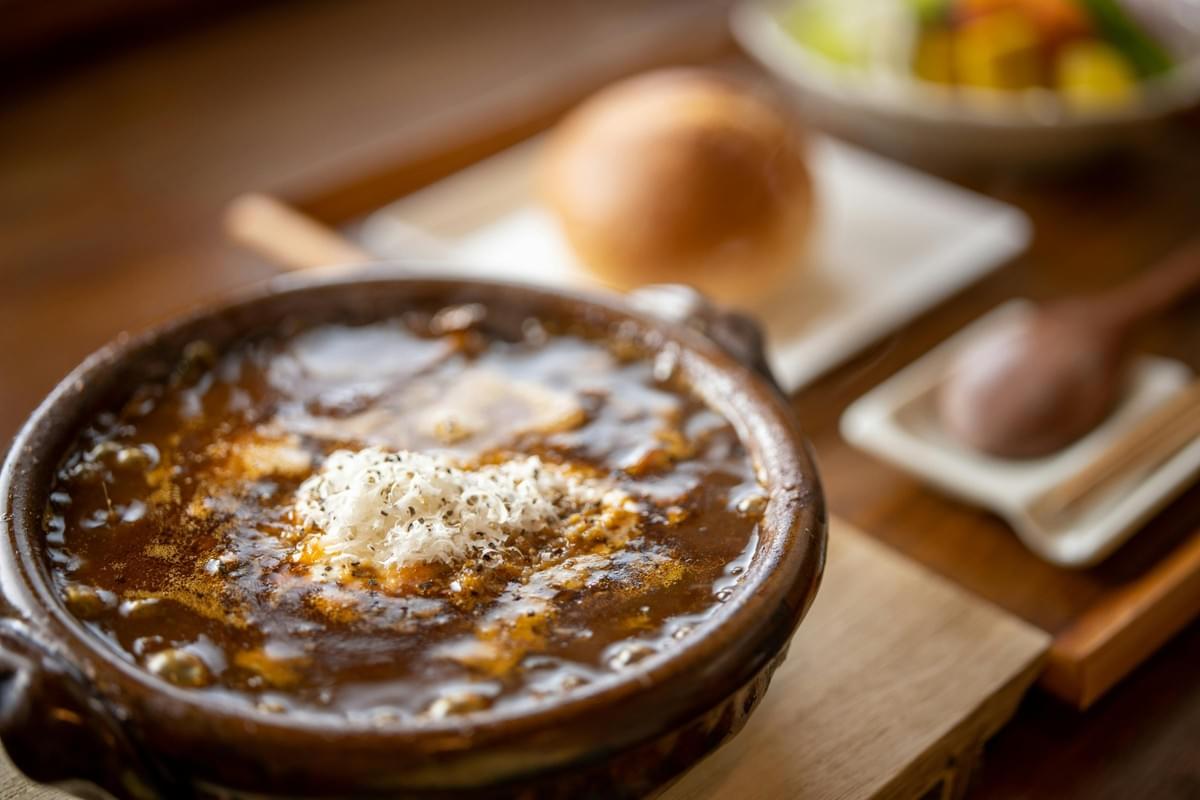
Behind every good bowl is the curry roux — and it's worth understanding, whether you're eating out or trying home cooking.
Homemade Curry Roux: Easier Than You Think
A Japanese curry roux is typically made with a curry powder base, fat, and flour, pressed into a block form and dissolved in water or stock at medium heat. Brands like Vermont Curry and House Foods are staples at any Japanese food store, and they're what most home cooks reach for. Store bought curry roux makes home cooking surprisingly achievable — add onion, carrots, your protein of choice, worcestershire sauce for depth, and sometimes a grated apple for sweetness. That last detail — the grated apple — is one of those secret ingredients that separates a flat curry from one that lingers.
Homemade curry roux is a longer road, but Japanese people who grew up watching a parent make it from scratch tend to be fiercely loyal to their own version. It's the kind of dish that carries memory in its smell.
At restaurants, the Japanese curry roux is often simmered over hours — sometimes days — and you can usually tell. Look for a deep, almost mahogany colour, and a sauce that coats the back of a spoon without being stiff or watery. That's the curry roux doing its work. If you're interested in another style of Japanese curry, try Hokkaido soup curry, which swaps the thick roux for a spiced broth.
What You'll Pay in Singapore
Japanese food in Singapore is a casual, everyday pleasure, and katsu curry is no exception. Here's a realistic guide:
- Basic curry rice: S$10–14
- Chicken katsu curry: S$13–17
- Pork katsu curry: S$14–18
- Hamburg steak curry: S$16–22
- Ebi fry curry: S$18–25
- Wagyu curry: S$28–45
Add-ons are gentle on the wallet too:
- Extra cheese: S$2–4
- Omelette: S$2–5
- Extra katsu: S$5–8
When to Go
Timing shapes the whole experience, especially at popular Japanese restaurants.
- Lunch (11:30 AM–1:30 PM): Freshest food, but the longest queues. Weekend lunch is the busiest stretch of all.
- Late afternoon (2:00–5:00 PM): Our quiet favourite. Shorter waits, calmer room.
- Dinner (6:00–8:00 PM): Popular with families and office workers winding down.
If you can, slip in during that mid-afternoon lull. The katsu often comes fresher when the kitchen isn't slammed, and you'll actually have space to enjoy the meal.
Pro tip: Keep tissues handy if you've ordered a higher spice level, and if you're dining with friends, order different toppings to share. Comparing a pork katsu against a Hamburg steak across the table tells you more than any guide can.
Common Mistakes to Avoid
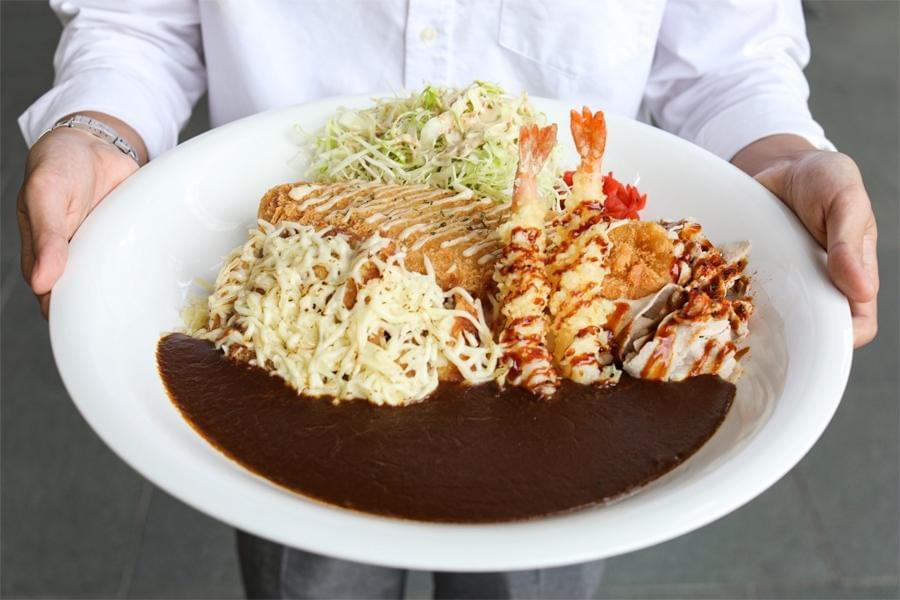
- Over-topping. Our very first mistake. Too many toppings hide the curry sauce's flavour, muddy the textures, and make everything feel too rich. Choose one protein and one supporting topping. Let the curry breathe.
- Choosing the biggest, not the best. A massive cutlet looks impressive and eats worse. Balance beats size every time.
- Assuming it should be spicy. Unlike Indian or Thai curries, Japanese curry is built on sweetness, umami, and slow-cooked depth. The spice levels are optional. Start mild, and add heat later if you want it.
- Ignoring the pickles. That small mound of pickled radish on the side isn't decoration. Its sharp acidity cuts through the richness of the curry sauce and resets your palate between bites. Don't push it aside.
How to Spot a Good Curry Sauce
Good signs:
- Curry sauce served piping hot, thick and smooth
- Freshly deep fried cutlets with a crisp, golden coating
- Fluffy rice with separate, distinct grains
- Visible caramelised onion and a slow-cooked aroma — signs of good curry roux
- House-made pickled radish or condiments made with fresh ingredients
Red flags:
- Watery or lukewarm curry sauce
- Greasy, heavy breading
- Overcooked, dry meat
- Katsu that's already soggy because the curry sat too long before serving
The Best Japanese Restaurants for Curry Rice in Singapore
If you're new to all this, a few Japanese restaurants make a solid introduction — and they're spread across the island, from Tanjong Pagar to Ngee Ann City, Raffles City Shopping Centre to Far East Plaza.
- Maji Curry for award-winning, slow-simmered curry. Their Tonkatsu Omelette Curry (~S$16) is the combination we send first-timers toward. Rich curry sauce, crisp pork, creamy egg, no customisation needed. Worth seeking out at their Millenia Walk and Shaw Centre locations.
- CoCo ICHIBANYA for control. Choose your spice levels, your rice portion, your toppings. The pork katsu with cheese at medium heat is a quiet crowd favourite, and the cheese softens the heat nicely. Their locations at Ngee Ann City and Raffles City Shopping Centre are easy to find.
- Monster Curry for bigger appetites and shared tables. Generous portions and platters made for comparing toppings with friends — good food, no fuss, across multiple locations including East Plaza.
And if you find yourself at Customs House, Palais Renaissance, or anywhere near the freshest catches of the day, don't overlook the Japanese restaurants that pair katsu curry with other dishes — a miso soup on the side, cold soba as a companion, or rice bowls of kaisen chirashi don and salmon belly alongside.
Frequently Asked Questions
Which topping gives the best value?
Chicken katsu, pork katsu, and omelette add the most substance for the least cost. Premium options are worth it occasionally, but they aren't everyday choices.
Can I recreate this at home?
Yes — and more easily than you'd think. Store bought curry roux in block form (Vermont Curry and House Foods are widely available at any Japanese food store) makes home cooking approachable. Add onion, carrots, your choice of meat in bite-sized chunks, worcestershire sauce, and a grated apple for sweetness. Dissolve the curry roux block in boiling water, simmer at medium heat, and serve over fluffy cooked rice. It won't be the same as a restaurant's slow-simmered version — but it'll be yours.
Japanese Food in SG: One Last Plate
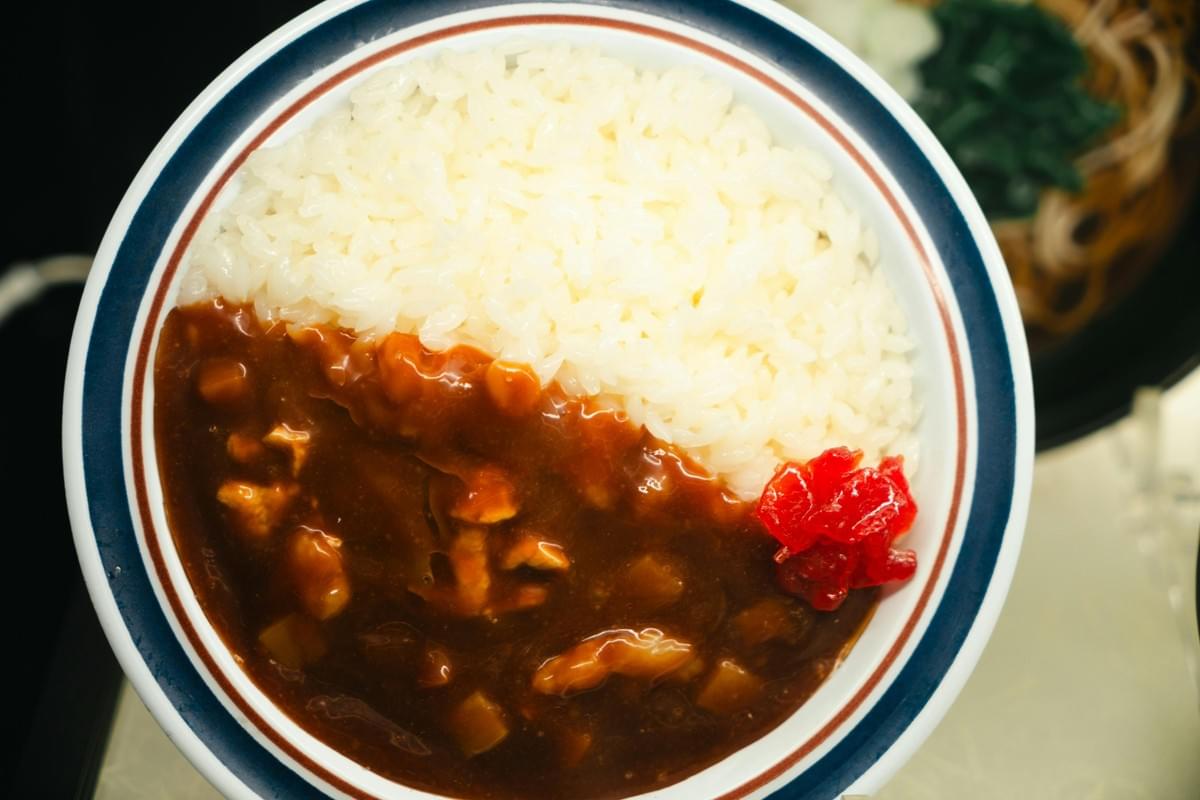
Japanese curry rice rewards a little restraint. One good protein, one thoughtful topping, a curry sauce that still has room to be tasted. That's the whole quiet art of it.
So next time you sit down, resist the urge to pile it high. Order the signature, or build your own with a lighter hand. Drag your katsu through the curry sauce, try a bite of the pickled radish, and notice how the balance holds. Start with a Tonkatsu Omelette Curry at Maji this week. We think you'll taste exactly what we just said.
