

Last Updated: October 8, 2026

At first glance, Hokkaido soup curry seems like a dish shaped entirely by another world. It comes from the snowy winters of Northern Japan, where warmth is survival and meals are designed to push back against long cold evenings. And yet, despite the distance between climates, Hokkaido soup curry feels strangely familiar to many Singaporeans.
Perhaps that is because Singapore's food culture has always embraced dishes built around broth, spice, comfort, and restoration.
In that warmth, you often find steam rising from a deep bowl, revealing a colorful medley of fresh roasted vegetables and a fragrant, spice-laden Hokkaido style soup curry broth. That first encounter with this soup dish is a moment of pure comfort, a dish born from a cold climate.
It's fascinating to think how this very specific regional meal has traveled so far, finding a new home on our humid island, and becoming part of the everyday food stories we share at My Taste of Singapore.
Here are the reasons this authentic soup curry from Hokkaido fits surprisingly naturally into Singapore’s food culture.
1. Singaporeans Already Love Broth-Based Comfort Food Like Curry Soup
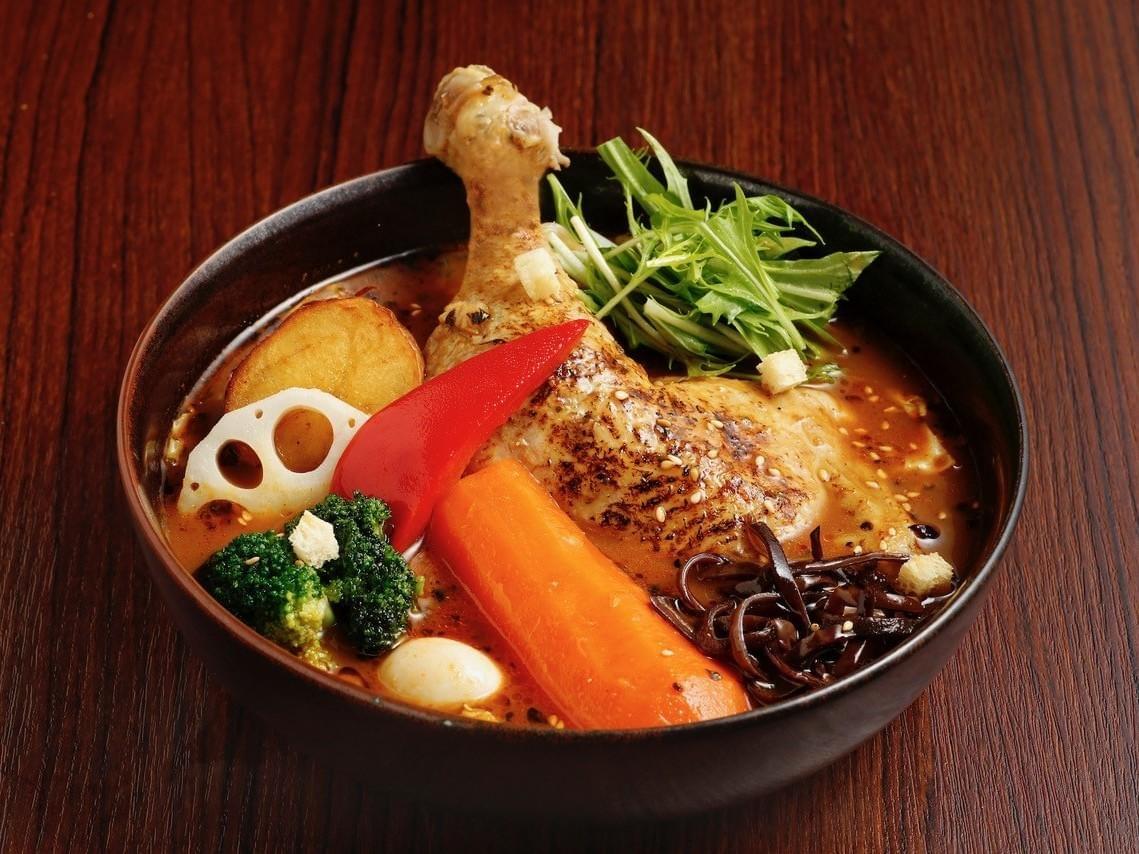
Soup has always held a cherished and central place in Singapore’s vibrant food culture, resonating deeply across generations and dining settings. Whether enjoyed at bustling hawker stalls or lovingly prepared in family kitchens, broth-based dishes offer a sense of warmth and restoration that is uniquely comforting to locals. Some beloved examples include:
Singaporean Broth-Based Comfort Foods
- Bak kut teh: A popular pork rib soup with herbs and spices, widely loved for its comforting qualities.
- Herbal soups: Traditional Chinese medicinal broths chosen for health-focused meals.
- Fish soup: A versatile broth served with noodles or rice, appreciated for its accessibility.
- Hotpot: Communal dining where fresh ingredients cook in broth, highly rated locally.
- Mee rebus: Noodles in spiced gravy, known for balanced flavors.
Hokkaido Soup Curry Characteristics
- Pork & Chicken Base: A flavorful, approachable curry soup broth made from chicken bones and pork belly.
- Aromatics: A rich broth infused with garlic and ginger for depth and warmth.
- Spice Blend: A light, aromatic curry broth enhanced with a blend of spices including curry powder and garam masala.
- Distinct Presentation: Substantial, chunky vegetables and meats served separately to preserve textures and flavors.
- Su-Age Technique: Deep-fried vegetables using the su-age technique to maintain vibrant colors and crispness.
2. Spice Is Already Embedded in Singaporean Taste Preferences for Japanese Curry
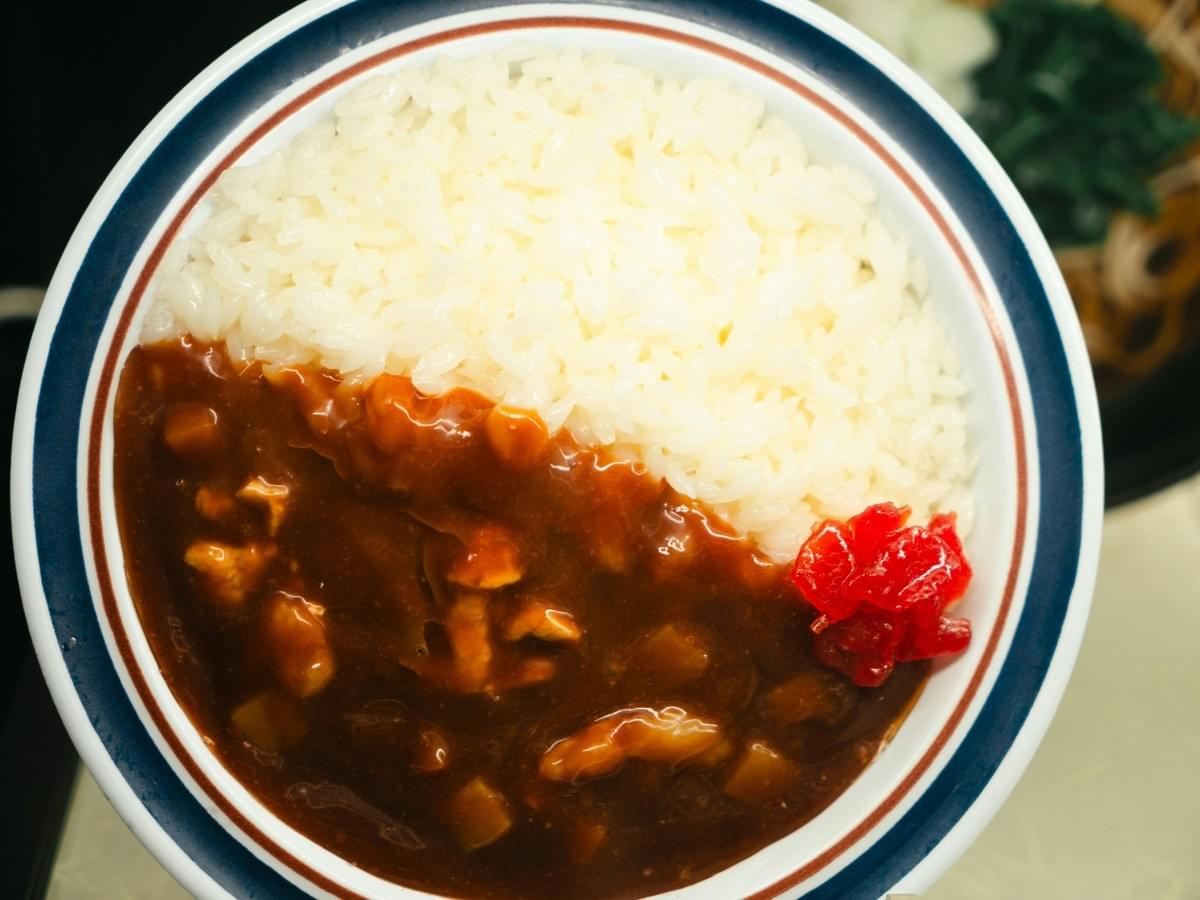
Unlike milder Japanese curry rice, Hokkaido soup curry features layered spice with aromatic heat from curry powder and garam masala, customizable spice levels, and complex broth flavors.
Its lingering warmth, rather than pronounced sweetness, may appeal to Singaporeans accustomed to sambal, peppery soups, curry gravies, and spicy noodles. Though Japanese in origin, its bold, warming profile has a familiar quality for Southeast Asian palates.
3. Singapore’s Multicultural Food Culture Encourages Culinary Curiosity Including Soup Curry Garaku
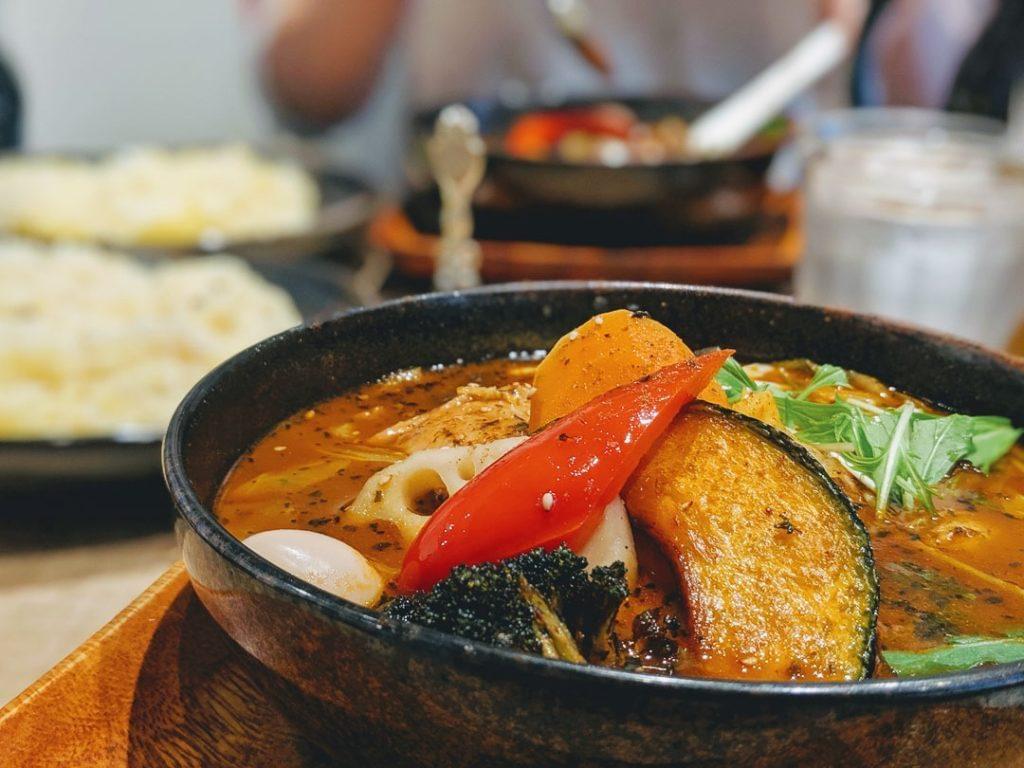
The dining landscape we share draws together Chinese influences, Malay flavors, Indian spices, Peranakan cooking, Japanese cuisine, and Korean dining culture in ways that reflect our collective tastes. This shared openness helps our community appreciate regional Japanese dishes more readily.
Rather than viewing soup curry as unusual, we've observed that local diners tend to approach it with genuine curiosity, particularly as our Japanese food scene continues expanding beyond the familiar sushi, ramen, donburi, and izakaya options. Soup curry fits naturally into our city's established comfort with culinary diversity and cross-cultural dining experiences.
For Singapore diners who have been curious about the dish and looking for soup curry restaurants, there is good news. Singapore’s first traditional Hokkaido soup curry concept, Soup Curry by Ki-setsu, is now open at Fortune Centre, bringing this regional style into the city's growing Japanese food scene. Its interpretation includes a chicken-bone broth simmered for more than six hours, separately served free-flowing rice, and vegetables prepared in the su-age style, adding another point of distinction to the experience of soup curry in Singapore.
4. Both Cultures Associate Soup With Restoration in Curry Soup
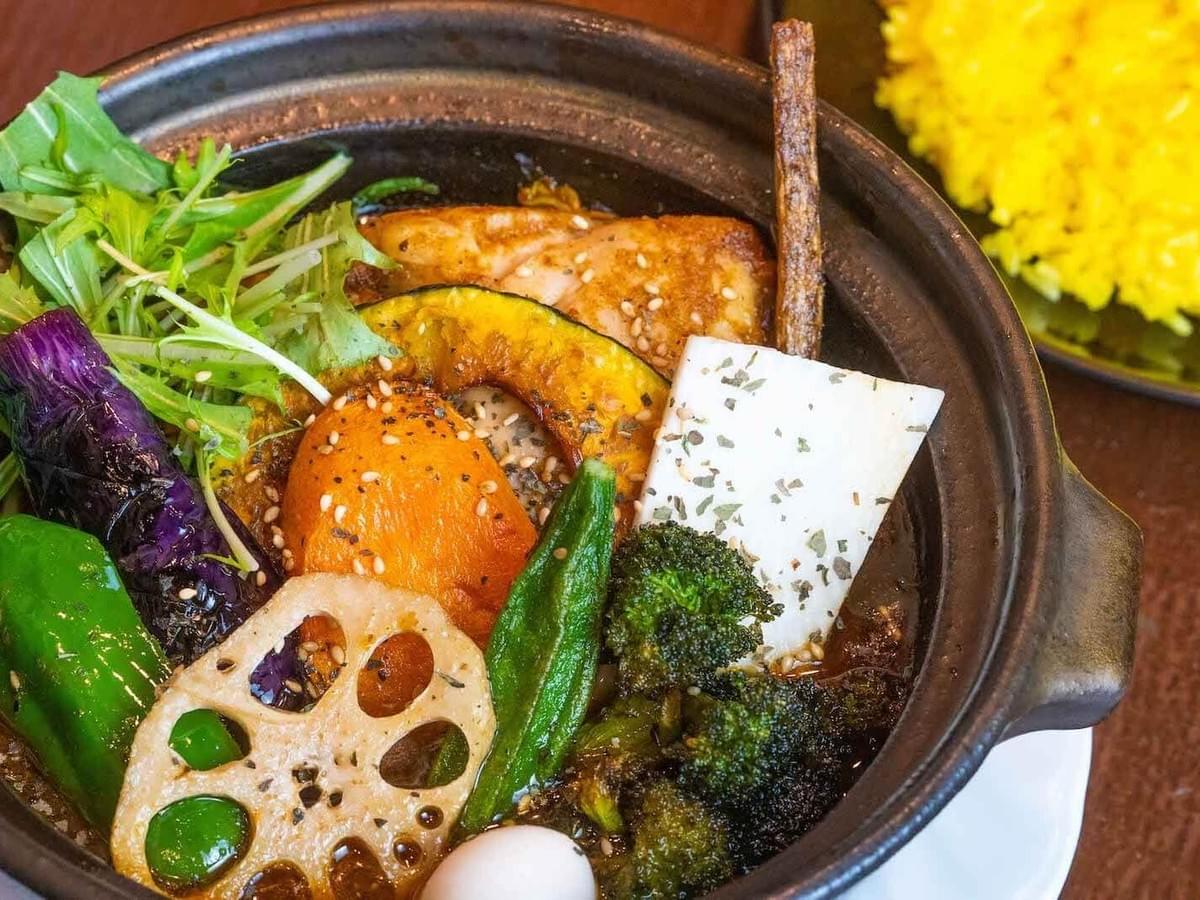
In Singapore, soup is rarely treated as just a side dish. It often represents recovery after illness, late-night comfort, nourishment, emotional warmth, and family care. Hokkaido soup curry carries a similar philosophy.
The story of this unique Sapporo soup curry begins in Sapporo, the capital city of Hokkaido, in the 1970s. The original soup curry was created in Sapporo in the early 70s, inspired by Chinese/Korean medicinal soups and various Southeast Asian and South Asian curries. With this inspiration, local chefs began experimenting with a new type of Japanese curry.
They wanted to create something different from the thick, roux-based traditional Japanese curry that was already a national staple. The result was a light, broth-like curry, a dish that celebrated the bountiful produce of Hokkaido soup cuisine. Over the next few decades, it evolved from a cult favorite into a signature dish of the region, a true expression of Sapporo’s culinary identity. While the ingredients may differ, the emotional role of soup feels deeply recognizable across both cultures.
5. Hokkaido Soup Curry Reflects a Shared Love for Slow, Layered Flavors in Curry Soup
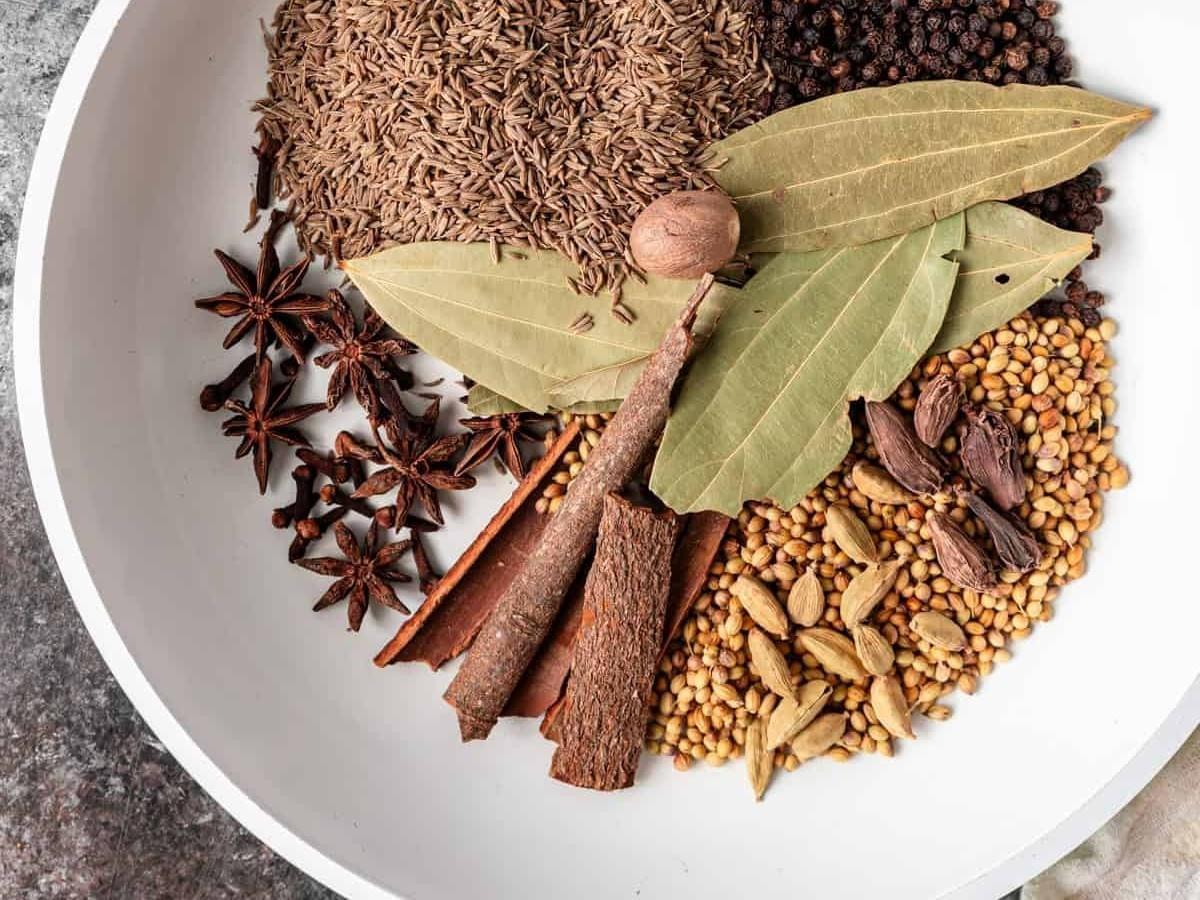
Singaporean food culture values bold flavors, and we also appreciate the care that goes into building them. Many of the dishes we love most rely on slow-simmered broths, carefully layered spices, patient cooking, and flavors that develop over time. Soup curry works in much the same way. The soup base is typically made from rich broth simmered with chicken bones, diced onion, tomato paste, and a blend of spices including curry powder, garam masala, and freshly ground black pepper.
6. The Vegetable-Forward Nature of Soup Curry with Fresh Vegetables and Deep Fried Vegetables Techniques Feels Increasingly Relevant
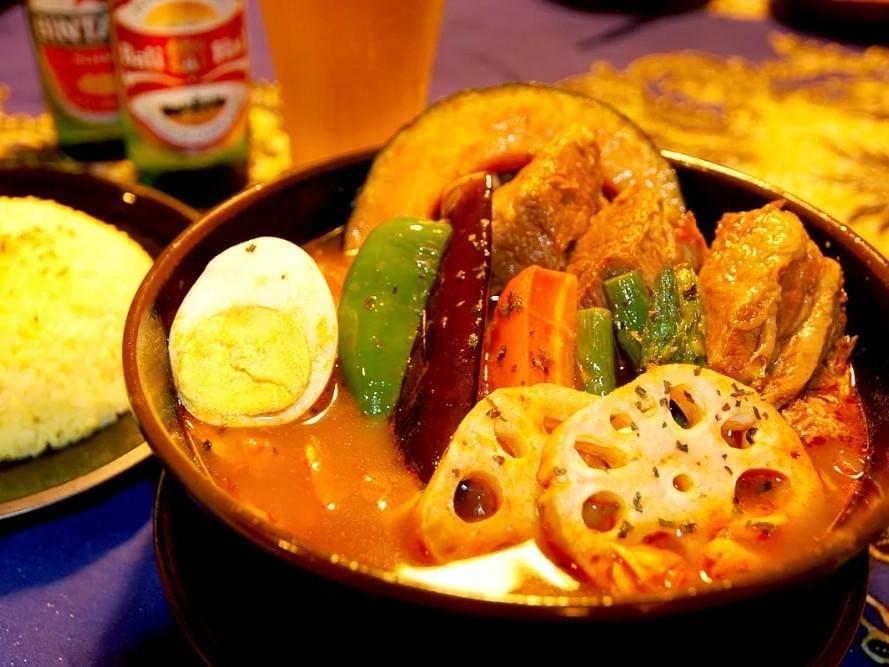
Traditional japanese recipes used in Hokkaido's signature soup curry include carrots, potatoes, eggplant, okra, lotus root, kabocha squash, and bell peppers. Potato is a key ingredient (like the garam masala for the soup) often featured alongside other root vegetables. The broth is simmered slowly to develop depth of flavor, often using a heavy bottomed pot or a multi cook appliance with pressure cooking or instant pot directions for convenience. Some recipes call for a gentle stir fry of the chicken thighs skin side down or bone in chicken leg pieces to achieve a golden brown surface before adding to the soup base, enhancing the taste through browning fry techniques.
The ingredients in soup curry are often chunky and not stewed into the sauce, allowing for individual flavors to be enjoyed.
In Singapore, where diners are becoming more health-conscious, this balance feels increasingly attractive as it offers a meal that is hearty without being excessively heavy, comforting without feeling greasy, and flavorful without relying entirely on fried elements. This approach aligns well with the growing preference for meals that feel both indulgent and restorative.
What Makes Japanese Curry Soup Stand Out?
What makes Sapporo soup curry so different from the familiar plate of typical Japanese curry, such as katsu curry or curry don? The most obvious distinction is its consistency. A typical Sapporo soup curry is a soupy dish that is thin and watery, unlike regular Japanese curry which is thick. Instead of being ladled over rice, it is served separately with Japanese rice.
The focus shifts to the individual ingredients, particularly the large, often whole, fresh vegetables that are simmered until tender but not mushy. The vegetables are often prepared using a Japanese su-age technique, a style of flash frying or deep fry without batter, resulting in crisp deep fried vegetables such as bell peppers, lotus root, eggplant, kabocha squash, pumpkin, okra, carrots, and potatoes. This method preserves the vibrant colors and original flavors of the fresh vegetables. It’s an interactive meal, one where you control the combination of flavors in every spoonful.
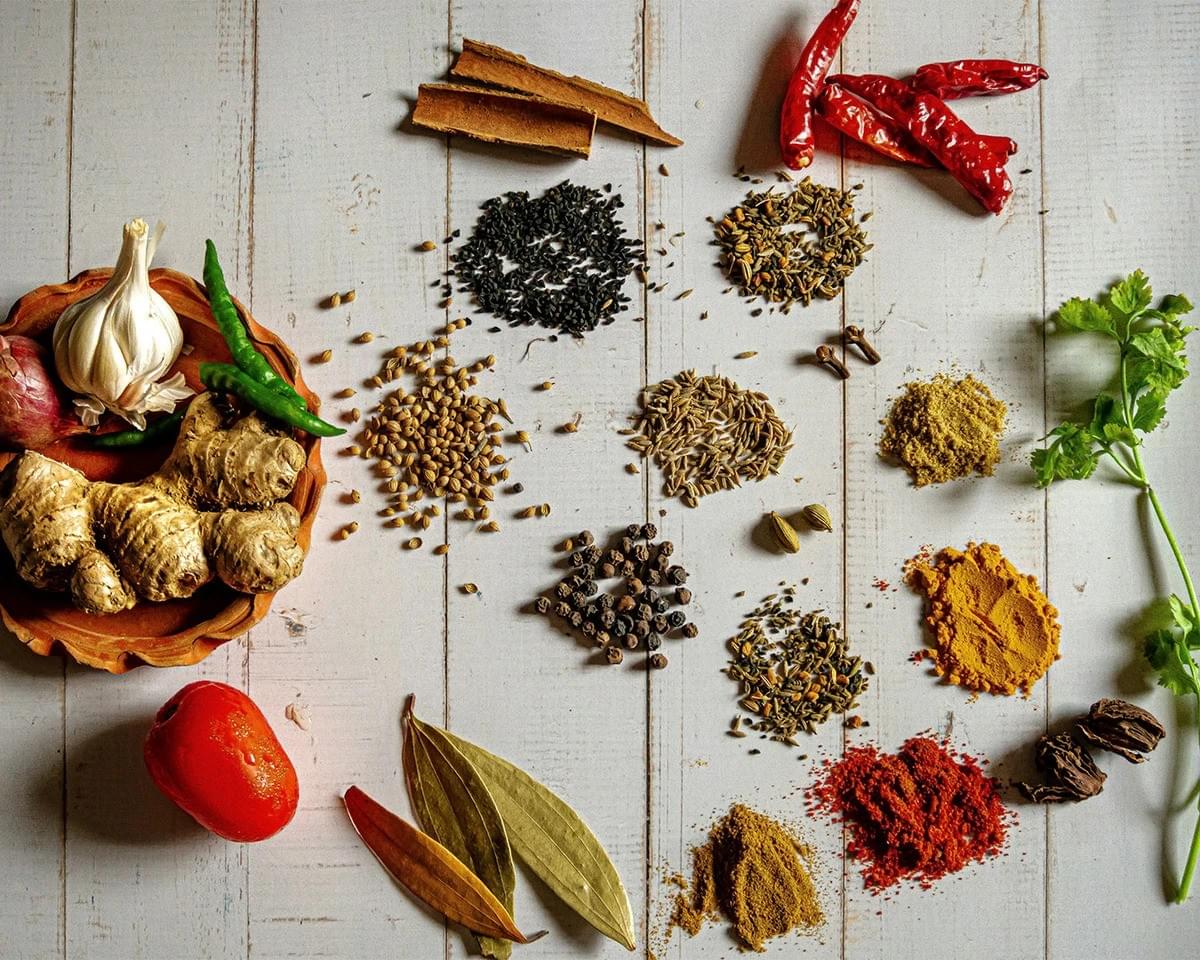
Soup, Spice, and Everything Nice in Hokkaido Soup Curry
Ultimately, the journey of Hokkaido soup curry from Sapporo and its relevence to Singapore's food culture is a beautiful story of cultural exchange. It shows how food travels with people, carrying memories and traditions with it, only to create new ones in a different land.
This soup dish serves as a bridge between two distinct cultures, a delicious reminder that a good meal can make you feel at home, no matter where you are. It is a testament to the quiet, everyday moments of connection that food makes possible; stories that continue to shape how we understand food.
Conclusion: Experience the Warmth of Hokkaido Soup Curry
Hokkaido soup curry stands out as a flavorful and comforting dish that beautifully showcases the rich culinary heritage of Singapore. Whether you’re enjoying it in the bustling streets of Sapporo or at a Japanese restaurant in Singapore, this soup curry offers a delicious journey into the heart of Hokkaido’s soul food culture. Embrace the warmth and spice, and let each bite tell the story of Japan’s northern capital.
If you’re curious about other styles beyond Hokkaido soup curry, explore our guide to the best Japanese curry in Singapore for comforting katsu curry and more.
