

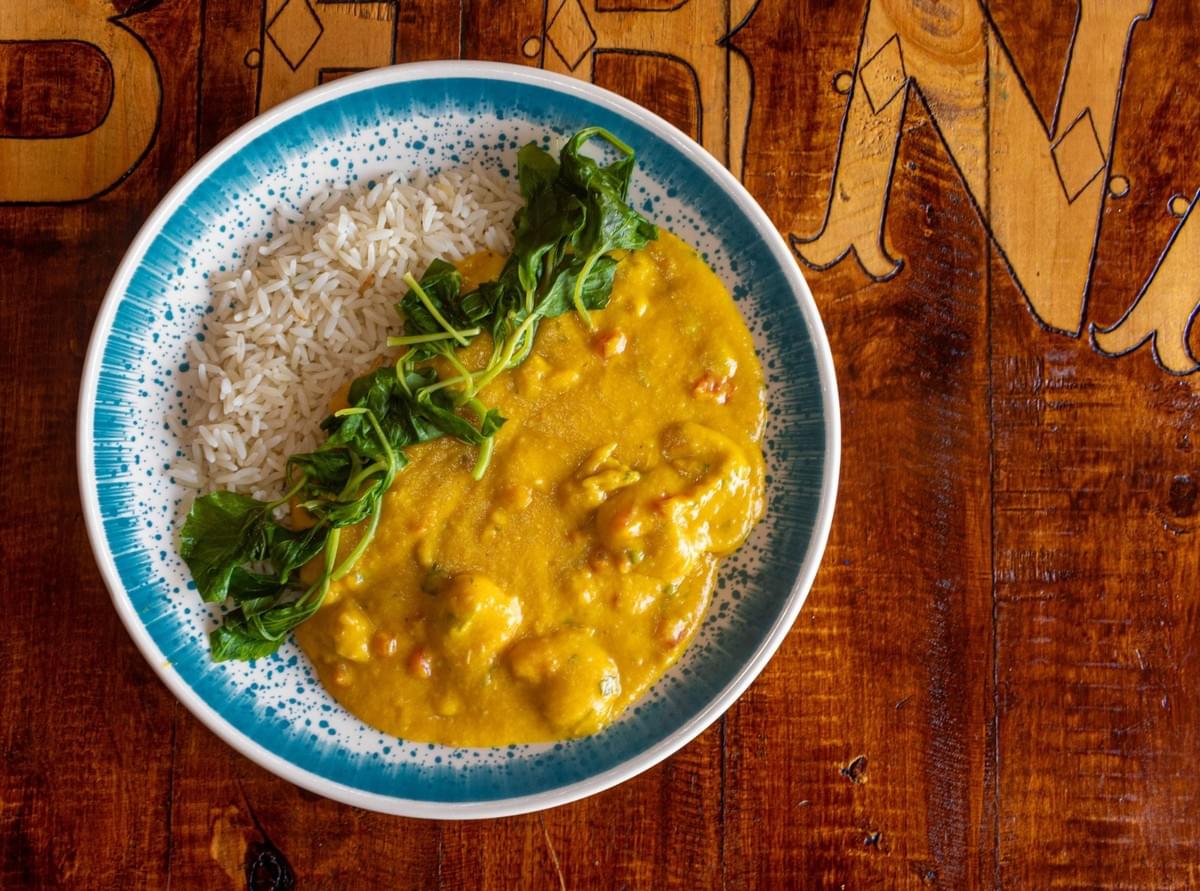
I don't remember the first curry I ever ate. I remember the smell instead.
It drifted out of a neighbour's kitchen long before dinner, carrying warm spices into the corridor like an invitation no one needed to write down. There was turmeric staining wooden spoons, onions softening until they almost disappeared, and coconut milk slowly turning a pot into something rich enough to gather everyone around the table.
For years, I thought curry was simply another dish that Singapore happened to do well. Then I started paying closer attention.
The more I cooked, the more I realised curry isn't a recipe you rush through. It's a conversation between ingredients. Ginger speaks before garlic. Spices bloom only after they meet hot oil. Curry leaves crackle for just a few seconds, but those few seconds change everything that follows. If you're impatient, the curry reminds you. If you give it time, it rewards you.
I've made plenty of mistakes trying to recreate the curries I grew up eating. I burned cumin seeds because I walked away to answer a message. I added coconut milk too early and wondered why the flavours felt flat. Once, I made a pot that looked beautiful but somehow tasted hollow, as though all the right ingredients had never actually met one another.
Those failures taught me something recipes never could. Curry isn't built by measurements alone. It's built by paying attention.
Maybe that's why every culture in Singapore seems to have its own way of telling the story. A Malay curry wraps you in creamy coconut richness. An Indian curry might begin with an orchestra of toasted spices before settling into remarkable depth. Peranakan curries often weave together influences that crossed oceans long before we did, blending spice pastes, herbs, and techniques into something that feels completely at home here.
I've found myself returning to My Taste of Singapore whenever I want to better understand these traditions beyond a single meal. The stories behind hawker stalls, family recipes, and neighbourhood favourites remind me that every bowl of curry carries a history as rich as its flavour.
None of them are trying to outshine the others. They're simply speaking different dialects of comfort.
What fascinates me most is how curry changes with time. A pot left overnight often tastes fuller the next day, as though the spices spent the evening getting acquainted while everyone else was asleep. It's one of the few dishes that seems to reward patience even after you've stopped cooking.
I've always loved that quiet magic.
Perhaps that's why curry appears during ordinary weeknight dinners just as naturally as it does during festivals and family gatherings. It doesn't need an occasion to feel meaningful. Sometimes all it asks for is a bowl of rice, a spoon, and enough time to sit without looking at your phone.
Whenever life feels especially busy, I find myself making curry again. Not because it's quick—it rarely is—but because it refuses to let me hurry. It asks me to stir, to smell, to taste, and to wait. Somewhere between those small actions, the noise in my head becomes a little quieter.
I've started believing that the best curries don't surprise you with something you've never tasted before. They remind you of something you've almost forgotten: a family dinner, rain tapping against the window, someone asking if you'd like another spoonful before you've even finished the first.
Maybe that's why some curries taste like they've been waiting for you.
Not because they've been simmering all day, but because they've been quietly holding onto memories until you were ready to taste them again.
💌 With curious taste buds,
Simon Lee's Flavor Notebook
