

When I first moved into my neighborhood and wandered into the local kopitiam, I confidently ordered "a coffee" and got a blank stare from the uncle behind the counter. In my experience, that's the moment every newcomer to Singapore hits: you realize kopi isn't just coffee, it's a whole language. I fumbled through my order that morning, ended up with something far sweeter than I expected, and spent the rest of the week figuring out what went wrong.
That's exactly why I wanted to put together this Singapore kopi guide. Whether you're new to the island or you've been quietly nodding along at the coffee counter for years without really understanding the difference between kopi o and kopi c, I think this breakdown will finally make it click. I've found that once you understand the logic behind the naming system, it stops feeling like a secret code and starts feeling like second nature.
Mind Where You're Headed: Cafes, Coffee Shops, and Kopitiams
In Singapore, coffee culture takes place across a range of venues, from traditional neighbourhood coffee shops to modern cafes. If you want to understand kopi in Singapore, it helps to know where locals actually find their favourite cup of kopi, and why a kopitiam experience feels very different from ordering coffee at a modern cafe.
- Kopitiams are traditional coffee shops found across Southeast Asia that serve local drinks such as kopi and tea, alongside simple meals and breakfast foods such as kaya toast, eggs, and toast. They are also everyday gathering places where people meet, eat, and catch up.
- Coffee shops is a broader term commonly used for casual neighbourhood eateries where kopi, tea, and affordable local dishes are served. In Singapore, the terms coffee shop and kopitiam often overlap, although most coffee shops don't necessarily use the name kopitiam.
- Cafes generally have a more modern format and may focus on espresso-based drinks, specialty coffee, or contemporary brewing methods. They often offer a wider range of coffee styles and food, with prices that tend to be higher than those at traditional kopitiams.
How the Singapore Kopi Guide System Actually Works
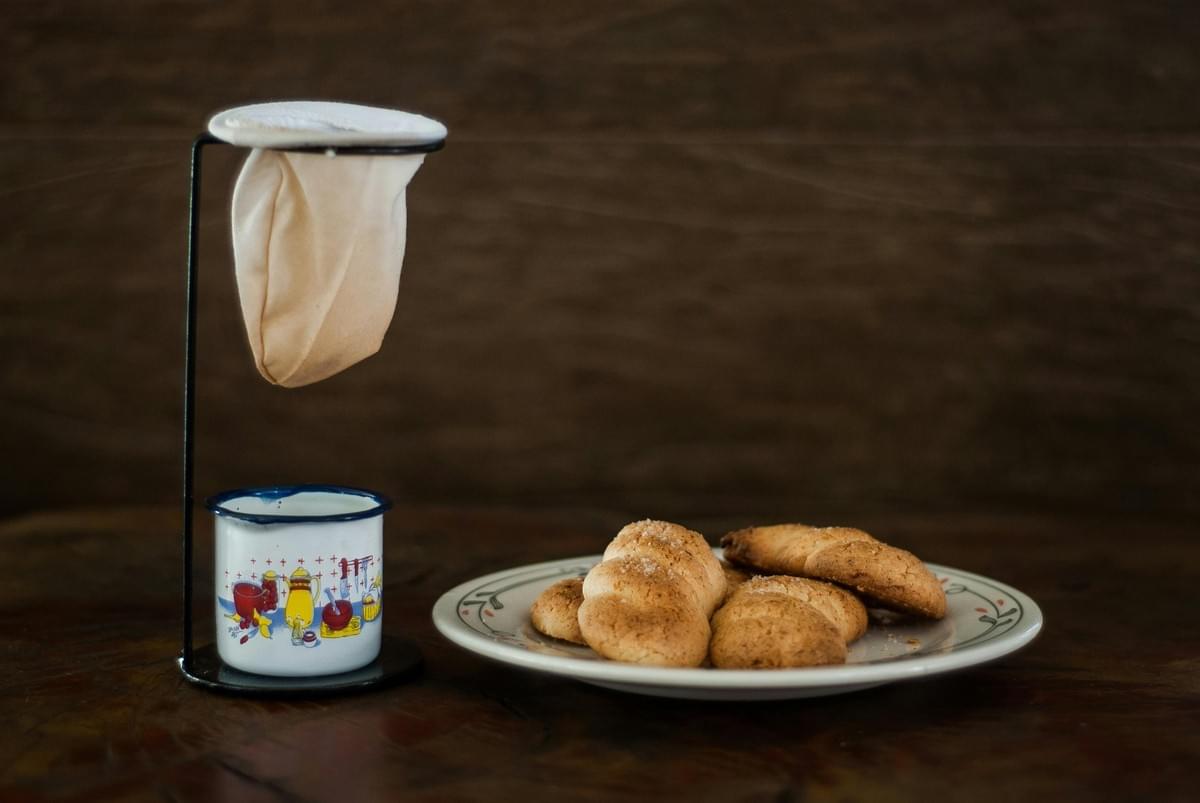
Local kopi (coffee) in Singapore is traditionally made with robusta coffee beans ground into coffee powder, roasted with sugar and sometimes a touch of margarine, then brewed through a cloth filter known as a "coffee sock." This gives kopi its distinctive smoky, slightly bitter depth, quite different from the specialty coffee commonly made with arabica beans you'd find at a third-wave café.
The brew is concentrated and full-bodied, which is why even a small cup can taste like strong coffee compared with many café-style drinks. Strength of flavour does not necessarily tell you exactly how much caffeine is in the cup, though, since that varies with the beans, quantity of coffee used, and brewing method.
What makes the ordering system so clever is that every word you add changes one specific thing: the milk, the sugar, the strength, or the temperature. Once you know the building blocks, you can mix and match to build your perfect cup. I think this is the part most guides skip over, and it's exactly the part that confused me most when I started.
Kopi, Kopi O, and Kopi C: What Is the Difference?
The base word "kopi" always includes coffee made from robusta beans and sugar. The difference between kopi, kopi o, and kopi c comes down to milk.
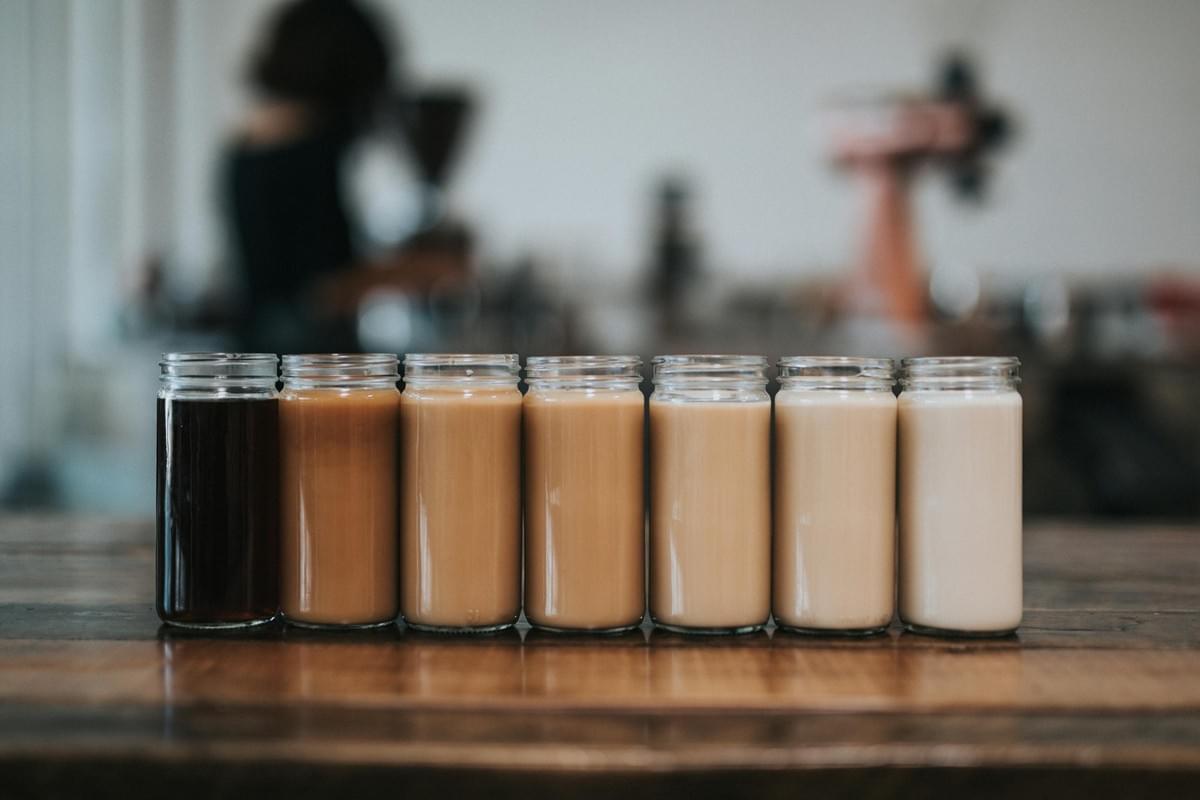
Kopi uses condensed milk, which gives it that thick, sweet, almost dessert-like quality locals grew up with. Kopi O, black coffee ("o" comes from the Hokkien word for black), skips the milk entirely and is just coffee with sugar. Kopi C uses unsweetened evaporated milk instead of condensed milk, giving you a lighter, less sweet cup with a cleaner dairy flavor. This one trips up a lot of visitors because evaporated milk and condensed milk sound almost interchangeable, but they taste completely different in a cup of coffee.
Kosong means empty or zero, used to remove sugar or milk from an order. For example, Kopi O Kosong is black coffee without any sugar or milk, offering a pure robusta flavor. Similarly, Kopi C Kosong is coffee with evaporated milk but no sugar, resulting in a lighter, cleaner taste. Knowing these building blocks helps you customize your kopi just the way you like it, making your coffee experience truly your own.
Adjusting Sweetness or Strength: Condensed Milk, Evaporated Milk, & The Art of Gah Dai and Siew Dai

Once you've got the milk sorted, you can fine-tune sweetness level and strength. Kopi Siew Dai means less sweet, while Kopi Gah Dai means extra sweet, which is useful if you're a sweet tooth and condensed milk alone isn't cutting it for you. Kopi Gao means a stronger, thicker brew, made by using more coffee grounds in the sock.
If you like your kopi strong and would prefer an even more concentrated old-school order, di lo means the coffee is poured without the usual added water, producing a thicker cup than regular gao. A classic example is Kopi O Kosong Di Lo: black coffee without milk, sugar, or dilution.
My Taste of Knowledge: Combine these freely. Kopi C Siew Dai Gao gets you a strong, evaporated-milk coffee that's less sweet than standard kopi c. It's one of my go-to drinks.
For iced kopi, simply add "peng" to any order. Kopi Peng is iced coffee with condensed milk, and you can still pair it with siew dai or kosong. There's also Kopi Gu You, a traditional Hainanese preparation where a small knob of butter is stirred into the coffee, giving it a rich, almost caramelized depth that's harder to find outside older kopitiams these days.
How to Order Kopi in Singapore Like a Local
- Start with your milk base: kopi, kopi o, or kopi c.
- Add your sweetness preference: standard, siew dai, gah dai, or kosong.
- Specify strength if you want it: gao for strong.
- Add peng if you want it iced.
- Say your full order in one breath, in that sequence.
- For takeaway, you may also hear ta bao, meaning to take away. Traditionally, local drinks were sometimes tied up in a plastic bag with a straw, although cups and other takeaway containers are now commonplace.
Kaya Toast and the Traditional Singapore Breakfast
No kopi order feels complete without kaya toast: charcoal-grilled toast spread with coconut jam and a thick slab of butter, traditionally paired with soft-boiled runny eggs seasoned with white pepper and dark soy sauce. This classic breakfast combo perfectly complements the rich and robust flavors of kopi, enhancing the overall kopitiam experience. The balance of sweet kaya and savory eggs alongside your chosen kopi style is a true taste of Singapore's coffee culture. Kopitiams and hawker centres across Singapore serve it daily, and if you're grabbing a quick coffee break near the CBD, our guide to Republic Plaza food for quick lunches and coffee breaks has a few reliable spots worth knowing.
Final Thoughts on Mastering Your Kopi Order
Learning to order my own kopi properly took me a fair number of awkward pauses at the counter, but it's become one of my favorite small rituals in Singapore. I'd encourage you to try a few combinations, get something "wrong," and figure out what actually suits your taste.
What We Tasted: Singapore's local coffee, or kopi, is ordered using a code of names that tell the stall exactly how you want your cup. "Kopi" means coffee with condensed milk and sugar, "Kopi O" is black coffee with sugar, and "Kopi C" uses evaporated milk instead of condensed milk. Add "peng" for iced, "gao" for strong, or "siew dai" for less sweet.
For more everyday food guides like this one, head back to My Taste of Singapore and keep exploring with
