

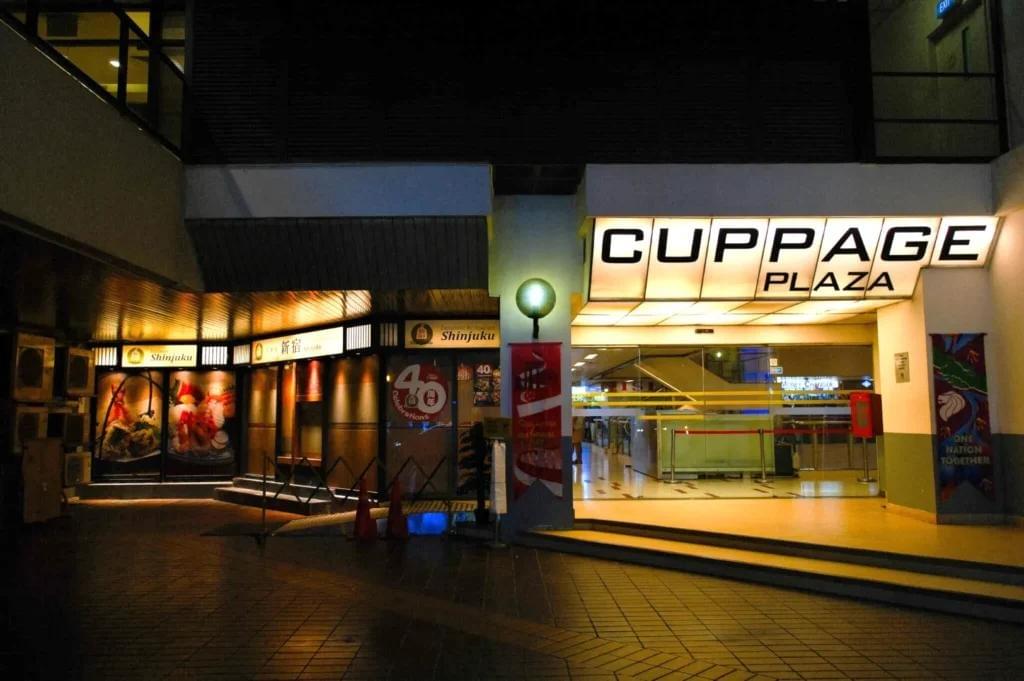
The first time a friend dragged me out of the house to a Cuppage Plaza restaurant one saturday, I genuinely thought he'd made a mistake. We stood outside this slightly weathered building, just a stone's throw from the gleaming malls of Orchard Road, and I remember thinking, "We came all this way for this?" The exterior looked tired, the corridors felt quiet, and half the doors looked permanently shut.
Then we climbed the stairs, pushed open one of those plain doors, and everything in my life changed. I sense sense smoke, sizzling skewers, the murmur of Japanese conversation, and a chef working the grill with the calm of someone who's done it for thirty years. That single dinner completely rewired how I think about eating Japanese food, after consuming more malay food in Singapore.
I've spent years exploring this building since then, and I want to save you the confusion I felt that first night. So let me explain exactly what makes Cuppage Plaza a good place for eating out while being so different, and how you can enjoy it like a regular instead of a lost tourist.
What Is Cuppage Plaza, Really? An Authentic Japanese Dining Experience
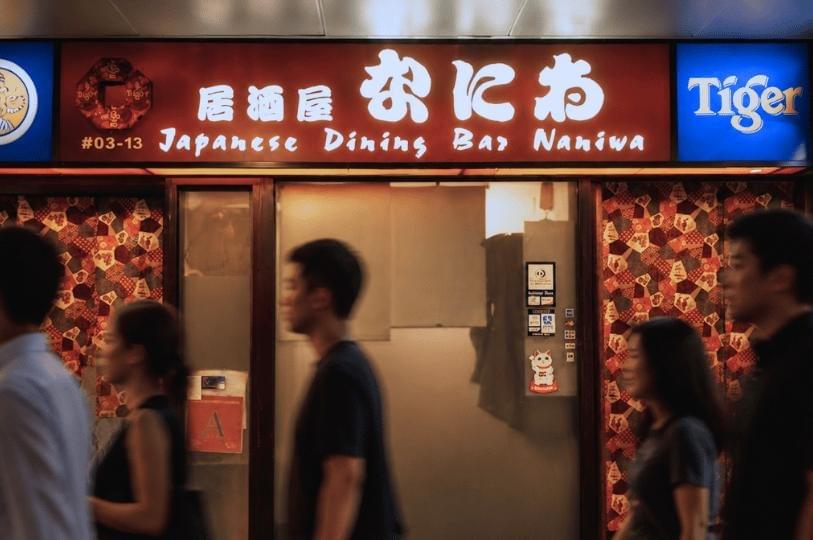
Here's the thing you need to understand straight away: Cuppage Plaza is not a shopping mall like Orchard Central. It's a Japanese dining enclave, often described as Singapore's very own "Little Tokyo." Tucked and located beside Somerset MRT, it's been a comfort zone for Japanese expats and salarymen for decades, offering a good rest to busy people and a truly authentic Japanese dining experience.
The biggest misconception I hear is that the dated building means cheap, casual food. That's just not true. Yes, you'll find affordable gyoza and ramen here, but you'll also find premium Cuppage Plaza sushi, refined yakitori, and intimate Japanese restaurants serving seasonal seafood flown in from Japan, sometimes directly from Toyosu Market.
Here's roughly what you'll spend:
- Casual meals: around S$10–S$20 per person, for tasty food like a hearty bowl of ramen or gyoza.
- Izakaya meals: roughly S$25–S$60 per person, depending on how much you drink and grill.
- Premium Japanese dining: considerably higher, especially for sashimi moriawase or omakase-style menus.
In my experience, the building's worn exterior is actually part of the charm. It keeps the crowds thin and the food honest.
How to Approach Your First Cuppage Plaza Restaurant
The single most important lesson I've learned is that Cuppage Plaza rewards diners who plan ahead. This isn't a place you wander into hoping to stumble onto something great. Here's the approach I'd suggest.
- Pick your restaurant before you go. Decide whether you want yakitori, ramen, sashimi, or izakaya comfort food. Each eatery specialises in something specific.
- Check the opening hours. Some places open mainly for dinner, and there's nothing worse than climbing the stairs to find shuttered doors. Many are open daily, but it's wise to confirm.
- Reserve for popular spots. Yakitori joints, izakayas, and omakase-style venues fill up fast, especially the counter seating. Book ahead for dinner.
- Bring a flexible budget. Small plates and sake add up quicker than you think once you settle in.
- Go in a small group. Many units are genuinely compact with small tables, so a party of two to four is ideal.
- Dress casual-smart for refined spots. You don't need to suit up, but the more polished restaurants appreciate a little effort.
Pro tip: Lunch is your friend if you want great value sets. Dinner is best for atmosphere, and late evening is when the izakayas really come alive with drinks and small plates. Choose your timing based on the experience you're after.
What to Look For in the Best Japanese Restaurants Here
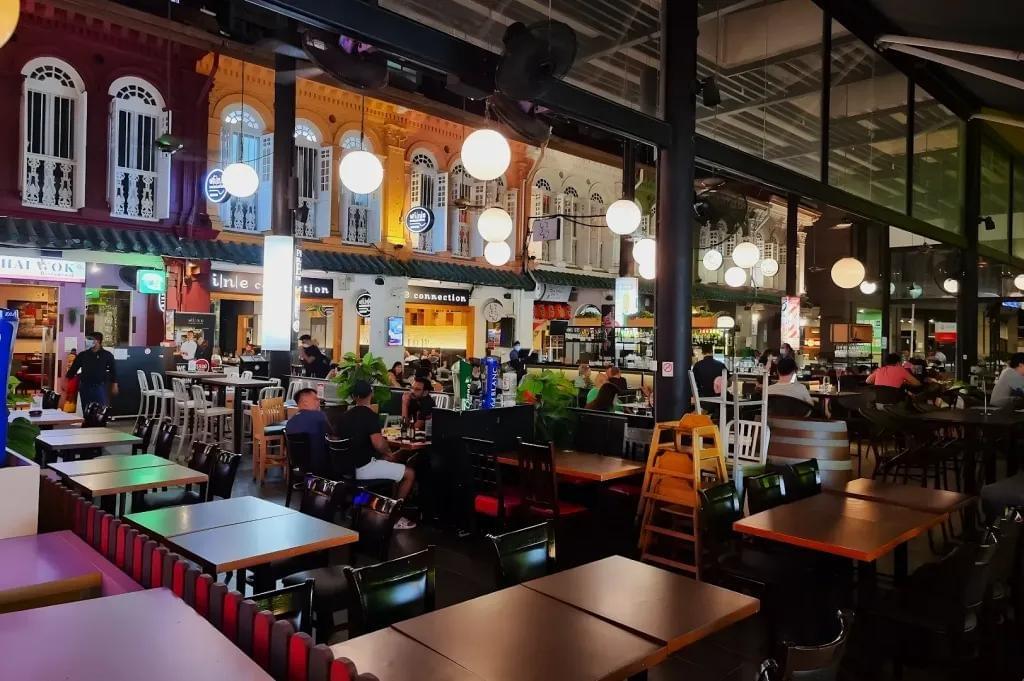
Once you've eaten here a few times, you start spotting the signs of a genuinely good spot. These are the quality indicators I always look for in the best Japanese restaurants here.
- Japanese-speaking staff or Japanese menus. A strong sign you've found the real deal for authentic Japanese dining.
- Counter seats facing the grill or chef. Watching the cooking is half the joy, and it usually means the food is fresh and made to order.
- Seasonal specials. A kitchen that changes its menu cares about ingredients, like offering fatty tuna when it's in season.
- A regular Japanese clientele. When Japanese expats keep coming back, trust them.
- Small, focused menus. A place that does only chicken grilled, yakitori, sashimi, gyoza, or obanzai usually does it brilliantly.
And the red flags? Here's what I steer clear of:
- Expecting food-court convenience and speed (you won't find it here).
- Assuming everything is budget-friendly just because the building looks old.
- Venues with no clear opening hours listed anywhere.
- Dinner-only spots that offer no way to reserve.
Where to Eat: From Cuppage Plaza Sushi to Yakitori by a Grill Masa
Let me get specific, because vague advice helps nobody. Here are a few venues I genuinely return to, along with the kind of evening they suit.
Kazu Sumiyaki — for yakitori and sake nights. This is my go-to when I want charcoal-grilling perfection. Grab a counter seat, order skewers and a flask of sake, and watch the grill masa (master) at work. It's lived-in, a slightly smoky space, and deeply satisfying. Perfect for slow, unhurried nights.
Izakaya Nijumaru — for old-school comfort. This place has been running since 1987, and when you step inside, it feels like a backstreet izakaya in Osaka. The retro decor is part of the appeal. I think it's the best spot for an after-work group dinner: order skewers, beer, sake, and a few comfort dishes, then settle in as the table is filled with small plates and chatter. It's cosy, slightly cramped, and full of character.
Gyoza no Ohsho — for a quick, casual meal. When I just want something tasty without paying premium Orchard prices, this is where I head. Crispy gyoza, tofu, generous ramen, and fried rice, usually around S$10–S$20 per person. It's ideal for a solo budget lunch or a fuss-free supper. Other great options for noodle dishes or curry rice can be found if you explore the different floors.
Insider knowledge: Picture two very different evenings. A group of friends books Kazu or Nijumaru, orders rounds of skewers and sake, and lingers for hours. Meanwhile, a solo diner pops into Gyoza no Ohsho, fills up on a S$15 meal, and leaves in forty minutes. Both are quintessential Cuppage Plaza experiences. The building flexes to fit your mood and your wallet.
Common Mistakes to Avoid on Orchard Road
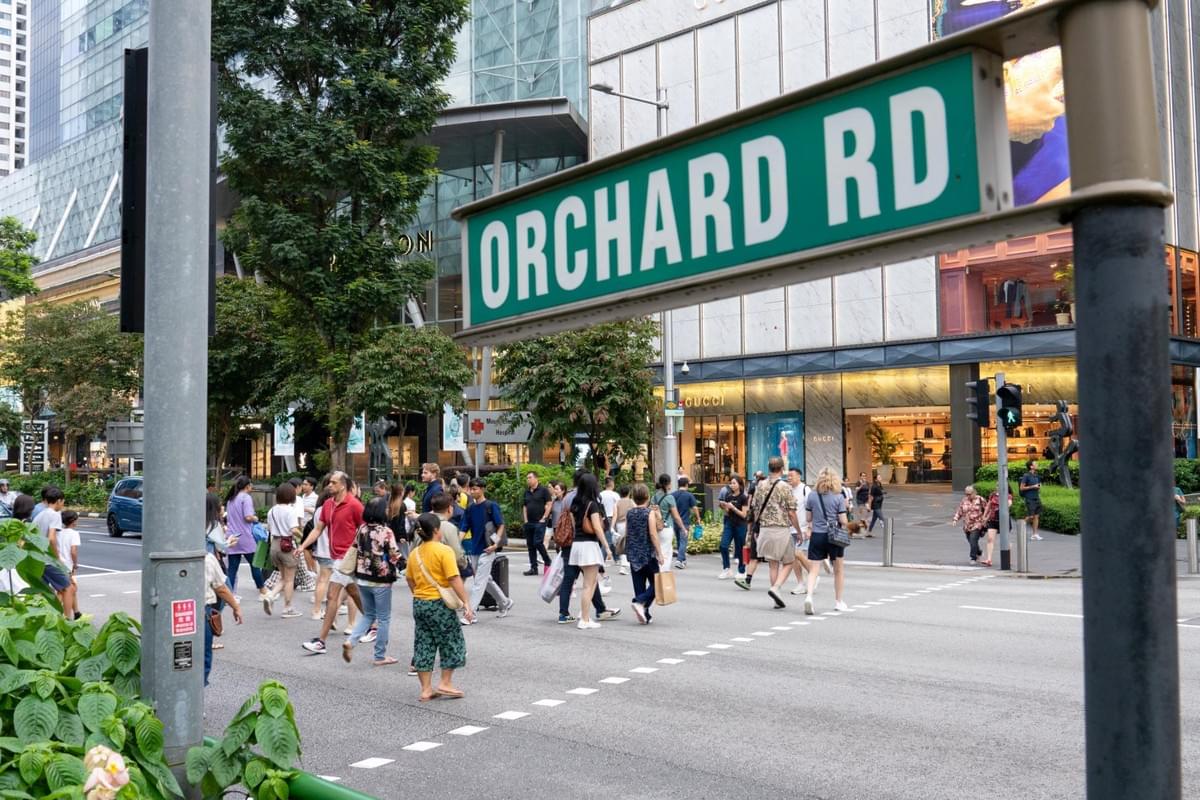
I've made plenty of missteps here, so learn from mine instead.
- Wandering in without a plan. My very first visit nearly ended in disaster because I expected obvious restaurant displays like a normal mall. Instead, I found quiet corridors and plain doors that looked closed. The best venues aren't visually loud. Research first, then go directly to your chosen spot.
- Assuming it's all cheap. The dated look fools people into expecting hawker prices everywhere. Some restaurants here, like those offering premium sashimi, are genuinely high-end and tastes like heaven, so check the menu before you commit.
- Showing up at peak dinner without a reservation. Counter seating is limited, units are small, and the popular spots fill fast. You'll likely be turned away from a busy eatery.
- Treating it like a food court. This building is older and far less intuitive than newer malls. Bring a little patience and embrace the intimate, slightly cramped style of its shops.
I'll be honest with you: Cuppage Plaza rewards prepared diners, not spontaneous browsers. That's not a flaw, it's simply how the place works.
Frequently Asked Questions
Is Cuppage Plaza really worth visiting?
Absolutely, if you love Japanese food and value substance over spectacle. It offers some of the most authentic Japanese dining experiences in Singapore, trusted by Japanese expats who know exactly what they're looking for. The main draw is the quality and flavour.
Is it mostly Japanese food?
Yes, the building has a strong Japanese dining identity, from casual gyoza and ramen to premium sushi and yakitori. You'll find a few other cuisines mix in, but Japanese cuisine is the heart of it.
Do I need reservations for a spot like Hanashizuku Japanese Cuisine?
For popular dinner spots like yakitori bars, izakayas (like Hanashizuku Japanese Cuisine), and omakase venues, I'd strongly recommend it. Counter seats especially go quickly. Casual places like Gyoza no Ohsho are easier for walk-ins. Check if a restaurant opens Tuesday to Sunday and plan accordingly.
Is it expensive?
It depends entirely on where you go. You can eat a delicious meal for S$10–S$20 at casual spots, spend S$25–S$60 at an izakaya, or go higher for premium sashimi like fatty tuna. The range is wide, and many find it offers great value for the quality.
Is it intimidating for first-timers?
A little, I won't lie. The plain doors and quiet corridors can feel daunting at first. But once you've picked a Cuppage Plaza restaurant in advance and walked through that first door, the warmth of the place takes over completely.
A Final Word: Treat It Like a Food Enclave
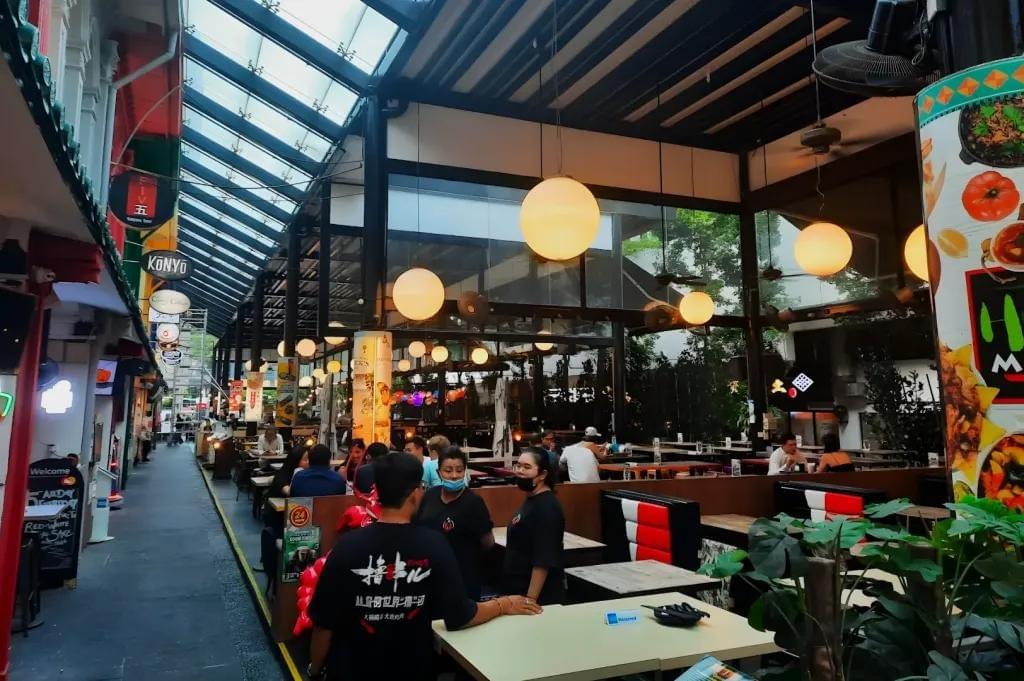
The mistake most people make is treating Cuppage Plaza like a shopping mall. It isn't one. Think of it instead as a pocket community, a food enclave where long-running restaurants quietly do what they've done well for decades.
Orchard Road outside is all polish, international brands, and trend-led dining. Cuppage Plaza is the opposite: older, quieter, and far more personal. Its identity is built on smoke, sake, small rooms, and the trust of regulars who've been coming for years.
So here's my encouragement to you. Pick a spot this week, do five minutes of research than a guess, and climb those worn stairs with confidence. Cuppage Plaza food is different precisely because it's less about spectacle and more about letting the food do the convincing. Go and let it convince you.
