

At a zi char table, the first thing that happens usually isn't eating. It's negotiating. Someone wants chicken, someone wants fish, someone insists on vegetables, and somehow a menu turns into a small conversation between people who know each other's habits.
I've always thought that conversation explains zi char better than any dish could. So this guide covers the food, how it's cooked, and what happens to people once the plates start arriving.
What is Zi Char, and Why Does It Feel So Familiar in Singapore?
Zi char, also spelled tze char, is a style of Chinese cooking where one kitchen prepares a wide medley of dishes to order. Most hawker stalls are built around one dish. Zi char eateries do the opposite. The same wok might send out seafood, meat, tofu, vegetables, rice, and noodles in a single evening. That's why the menus run long, and why tze char Singapore-style feels less like a cuisine and more like a way of eating.
The familiarity comes from the flexibility. At one zi char table, everyone can eat differently while still sharing the same meal. I find that quietly remarkable. Your aunt gets her fish head curry, your cousin gets his fried chicken, and nobody has to compromise on the main event, because there isn't one.
From the Shared Table: If you're new to zi char, order one dish per person, then add one more for the table. It's an easy rule that keeps the spread varied without overwhelming it.
How Zi Char Eateries Became the Neighbourhood Kitchen
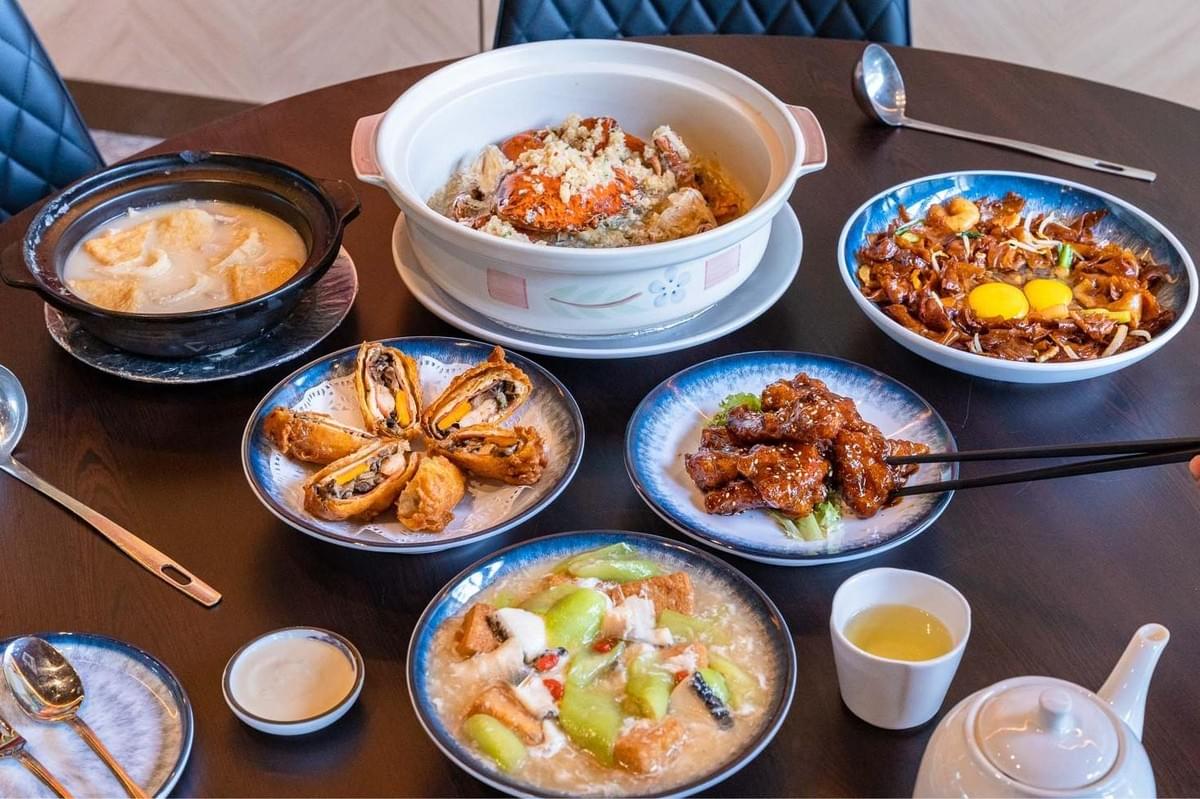
Zi char grew out of Singapore's coffeeshop and eating house culture. It offered freshly cooked Chinese dishes outside the home to families and working people who wanted a proper meal without cooking four dishes themselves. Some kitchens have grown well beyond their beginnings. Kok Sen, for example, developed from a coffeeshop stall into a restaurant. A handful of zi char kitchens have even appeared in MICHELIN's Bib Gourmand selection. Still, most zi char stalls remain simply part of the neighbourhood, tucked beneath HDB blocks where locals know the menu by heart.
What strikes me most is how closely a zi char spread mirrors a home-cooked Chinese dinner:
- Rice in the middle
- A mix of vegetables, meat, and fish arranged around it
- A bowl of soup somewhere on the side
I think the comfort of zi char comes from that structure more than from any particular restaurant. On an ordinary Tuesday, few families will cook a full spread at home. At the neighbourhood kitchen, that spread becomes possible again.
The Zi Char Dishes That Bring a Table Together
Typical zi char dishes make more sense when you think about the role each one plays:
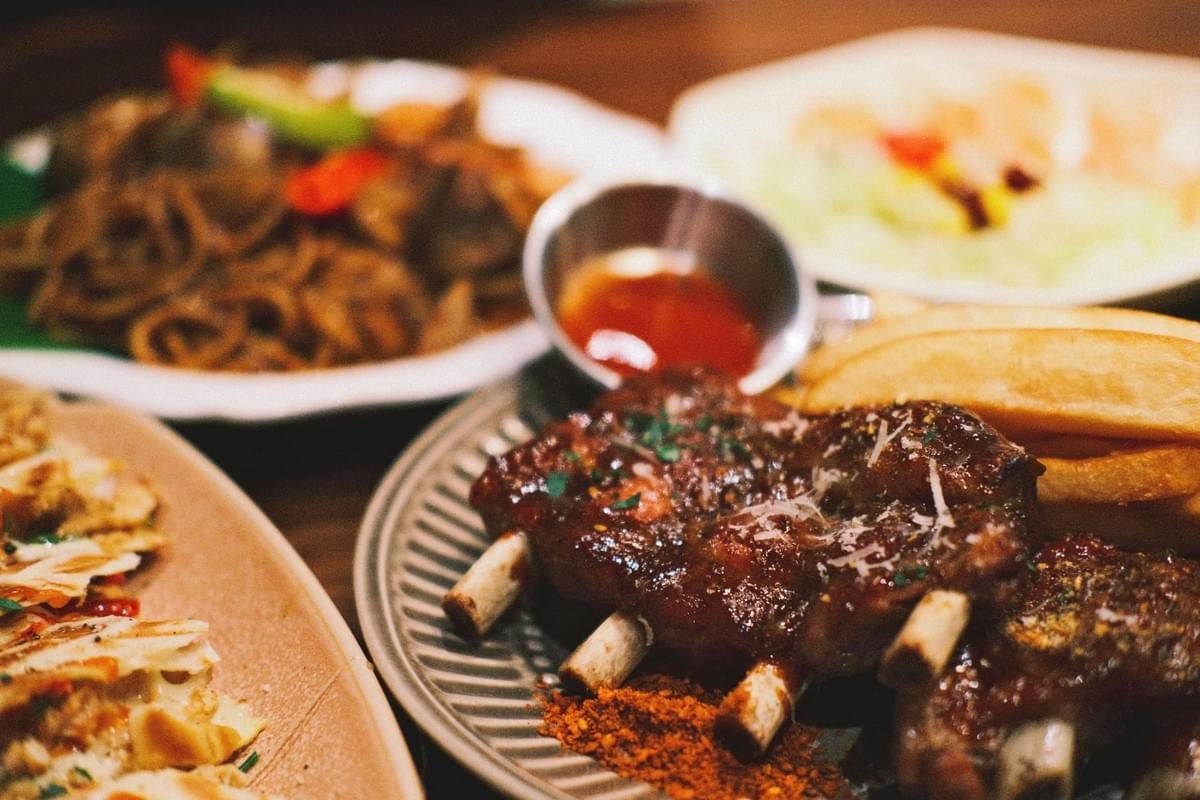
- The dish everyone reaches for is often prawn paste chicken. Fermented shrimp paste gives it a deep, funky savouriness, while frying turns the skin crisp, and the pieces divide easily among friends. Butter pork ribs and salted egg squid play a similar crowd-pleasing role.
- The dish that carries the gravy is usually hor fun. Its smooth, flat rice noodles sit in a silky, savoury sauce that contrasts with all the crunch elsewhere on the table. Sambal fried rice or a plate of fried bee hoon can do the same job of filling bellies.
- The dish that brings balance is a stir-fried green, like cabbage, kailan or kangkong. It's fresh, crunchy and a welcome pause between richer bites.
From the Shared Table: A common mistake is ordering three fried or sauced dishes in a row. Pair every rich plate with something steamed, soupy or green, and the whole meal tastes better.
Wok Hei, Zi Char, & the Quiet Skill Behind Singapore's Signature Dishes and Familiar Flavours
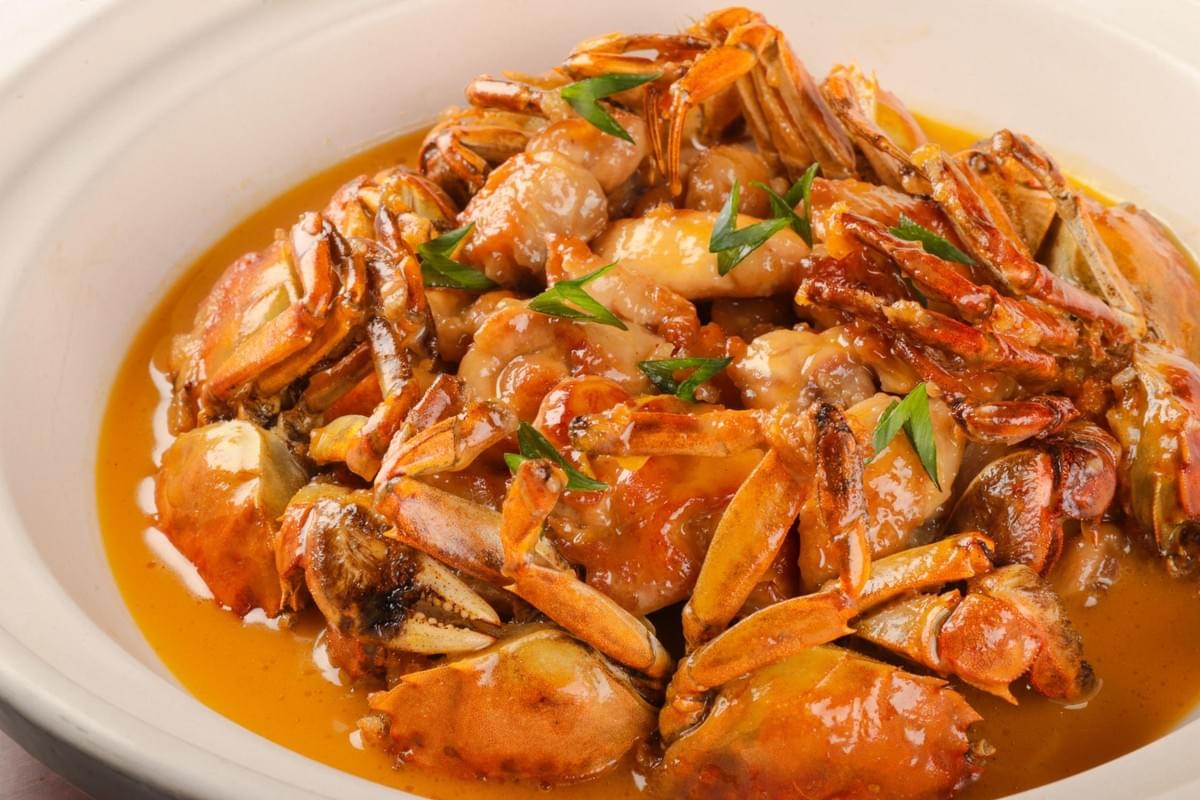
Wok hei is the roasted, slightly smoky aroma that comes from high-heat wok frying. It isn't an ingredient you can add. It depends on:
- Heat management
- How much moisture the ingredients carry
- Timing
- The cook's control of the wok
You'll often hear it before you taste it: the clatter of a metal spatula, the sharp hiss as noodles hit hot oil, then that delicious toasty smell drifting toward the tables.
From where diners sit, zi char chefs can make it look effortless. Yet each plate is a series of fast decisions about heat, seasoning, and timing. Fried rice and hor fun benefit from that fierce flame. Steamed fish, soups, and braised tofu prawns need a gentler, completely different touch. I've come to see a good zi char kitchen as one that knows when to push the fire and when to hold back.
The Quiet Rituals of Eating Together
This is the part of zi char I love most: Once the plates land, the table becomes everyone's responsibility. The person nearest the vegetables passes them along. Someone portions the fish. Another person asks whether there's enough rice, and a serving spoon wanders from plate to plate. Not every group does all of this, of course, but most tables find their own rhythm.
That rhythm changes how we relate to food. Instead of each diner receiving a complete individual meal, the table becomes a shared collection that everyone helps distribute. To me, it's one of the clearest expressions of how Singapore's gastronomic culture folds different cooking traditions into familiar, everyday social spaces.
Why Seafood Becomes the Centre of the Meal
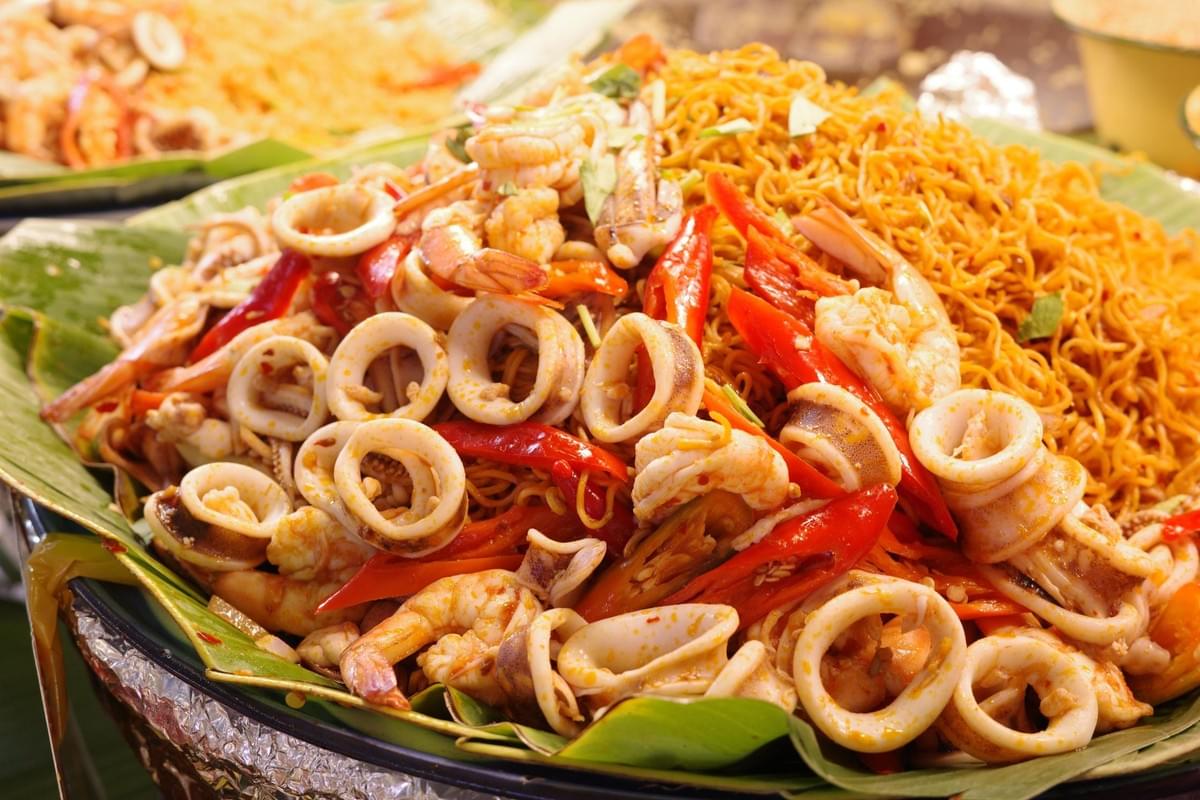
Ordering a plate of chicken is simple. Ordering a whole fish, big prawns, or crabs is a different decision altogether. Seafood dishes add another layer of sharing. The group chooses a preparation, divides the portions, and naturally slows down. Chilli crab is the classic example. The cracking takes time, hands get messy, and the gravy lingers on the table long after the shells are cleared. Curry fish head and fish head steamboat play the same unhurried role, pulling everyone toward one pot.
From neighbourhood kitchens to larger seafood restaurants in Singapore, whole fish and crabs remain the signature zi char dishes meant for sharing rather than eating alone. Their cost can surprise people, though, since these are often sold by weight at a seasonal price.
From the Shared Table: Before the kitchen starts cooking any fish or crab, ask for the weight and the total price. It's a normal question, and it saves an awkward moment when the bill arrives.
What Zi Char Places Tell Us About Singapore, and Why the Shared Table Still Matters
Names like Sik Bao Sin, Chuan Kee Seafood, and Kok Sen come up when locals talk about their favourites. Still, the larger story belongs to thousands of ordinary zi char places across the island. They've stayed relevant because they adapt. The same kitchen can serve a quick plate of fried rice to someone eating alone after work, then a ten-dish spread to a family celebrating a birthday.
I think that adaptability explains why zi char Singapore-style hasn't faded, even with endless dining options around us. It doesn't demand a special occasion. It simply makes room for whoever turns up, whether that's one person or a whole table of friends.
Most zi char meals aren't memorable on their own. Still, they add up over years of birthdays, reunions, and ordinary weeknight dinners. The next time you're passing the cabbage down the table or saving the last piece of chicken for someone, notice it. Those small gestures are the culture too, quietly carried from one plate to the next.
