

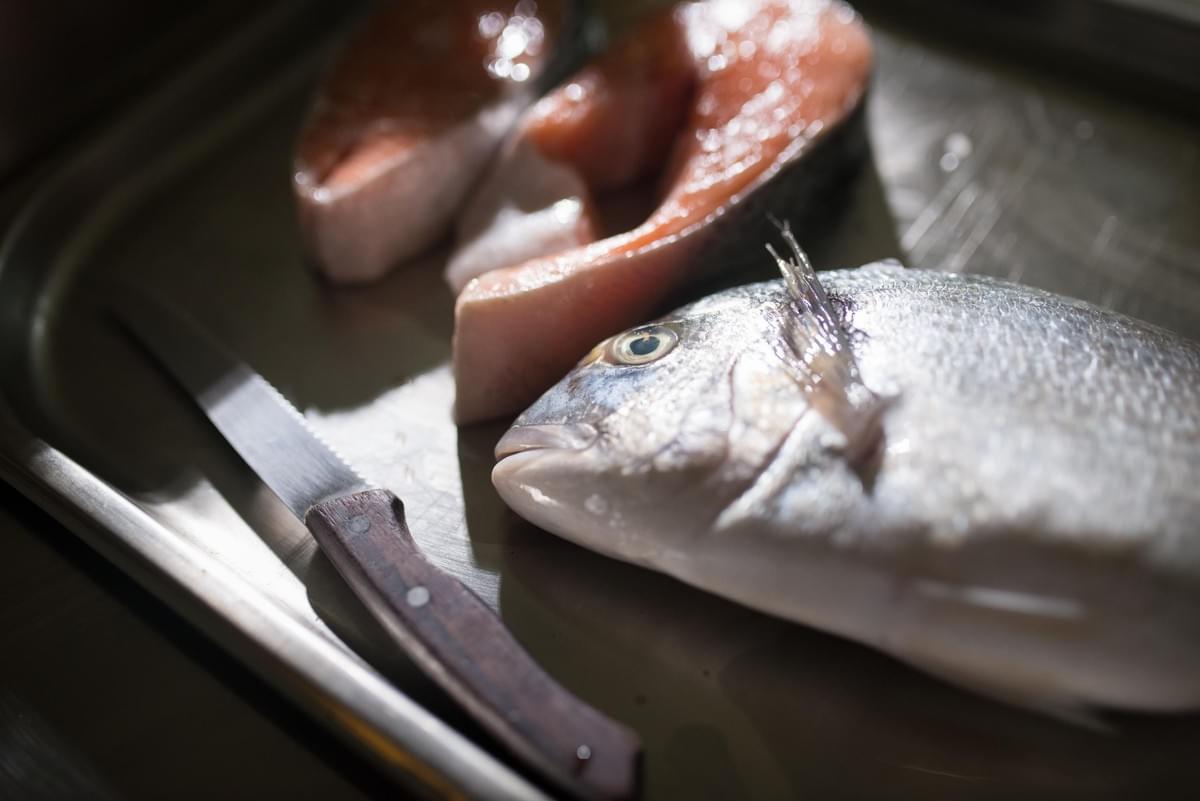
The first time I nearly made homemade sashimi, I was standing at my kitchen counter with a beautiful salmon fillet and a freshly sharpened knife.
It was bright orange, firm and smelled of nothing but the sea. I'd bought it that afternoon from a supermarket seafood counter. In my head, the plan was simple: slice it thin, chill it, eat it with a little soy and wasabi.
Then I flipped over the packaging. Nothing on it said the fish was meant to be eaten raw. It was sold for cooking.
I pan-fried it instead. It was a lovely dinner. But that small moment of hesitation taught me more about raw fish than any sushi counter ever had. Fresh and safe to eat raw are not the same thing.
If you're new to sashimi, sushi or yu sheng in Singapore, this is the guide I wish someone had handed me. It won't make raw fish risk-free, because nothing can. It will help you make better choices and enjoy that first piece with a little more confidence.
Is Eating Raw Fish in Singapore Safe?
Here's the honest answer. You can enjoy raw fish here, but it always carries some risk.
The Singapore Food Agency (SFA) treats ready-to-eat (RTE) raw fish as a high-risk food. There's no cooking process to kill harmful bacteria and parasites. Whatever is in the fish's flesh stays there.
What lowers that risk is everything that happens before the fish reaches you:
- Sourcing: fish intended for raw consumption, from suppliers with proper controls
- Proper cold chain management: chilled from boat to counter to plate
- Hygienic handling practices: clean knives, clean hands, clean boards
- Proper segregation: raw fish kept apart from other raw food meant for cooking
I think of it like this. A good sushi chef isn't just slicing fish. They're guarding a chain of decisions that started days earlier.
Cooking is still the most effective way to reduce the risk of food poisoning. Choosing well is the next best thing. If you're wondering where to find the best sashimi in Singapore, start with restaurants that take sourcing and proper handling seriously.
Marine Fish vs Freshwater Fish: What Can Be Eaten Raw?
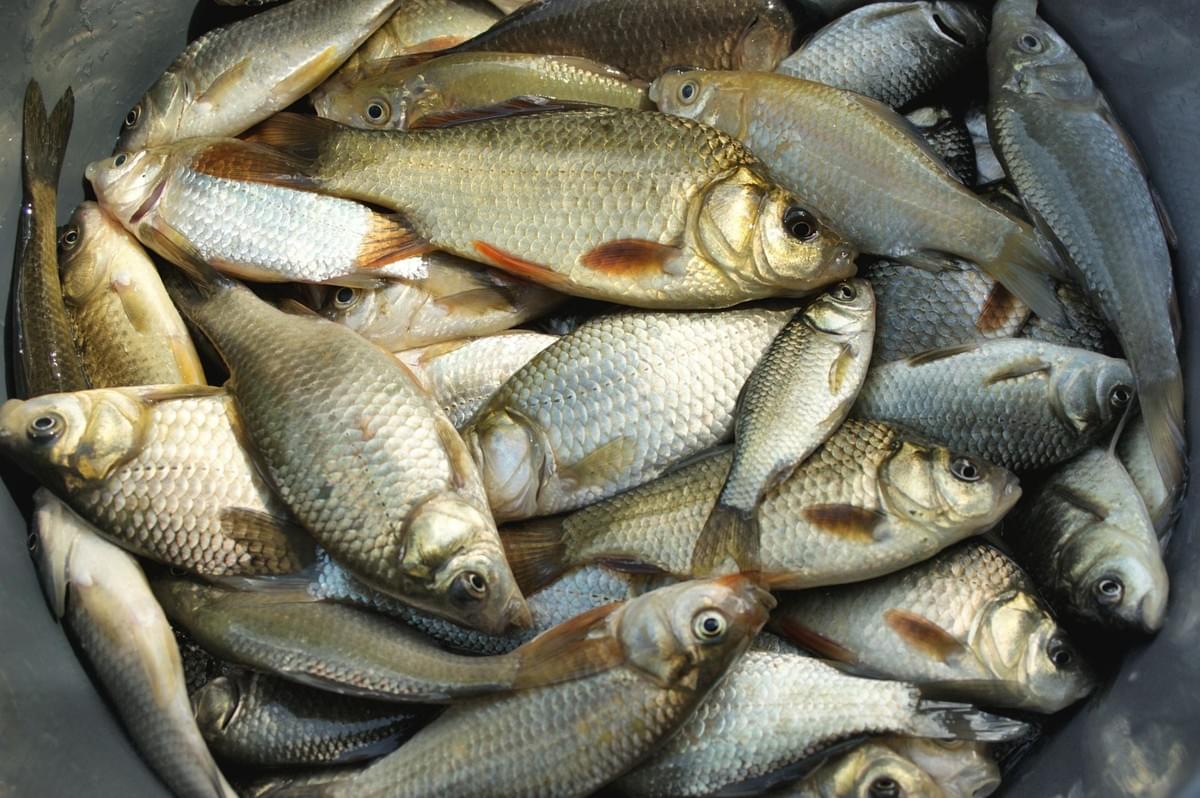
So what can you eat raw? In Singapore, raw dishes use saltwater fish intended for raw consumption. Think salmon, tuna and yellowtail.
SFA explains that suitable marine fish generally come from environments better suited to raw consumption and move through proper cold chain systems. SFA has also reminded food businesses that dishes like yu sheng must use saltwater fish intended for raw consumption.
But marine fish can still carry parasites and bacteria. The difference isn't that saltwater fish is safe and freshwater fish is dangerous. It's that suitable marine fish is permitted in raw dishes when the right controls are in place.
Fresh Fish Isn't the Same as RTE Raw Fish
This is the lesson from my salmon fillet.
Ordinary fresh fish is usually sold for cooking. RTE raw fish is sourced, stored and handled specifically so it can be eaten raw. They might sit side by side in a supermarket chiller and look almost identical.
What about "sushi grade fish"? I'd treat that phrase as marketing, not a certificate. The more useful question to ask a seller is:
"Is this fish intended for raw consumption?"
If they can't confirm it, cook it.
When you purchase RTE raw fish at a supermarket, check the label for raw-consumption suitability, the use-by date and the storage instructions. Clear eyes and bright red gills on a whole fish are good signs of freshness for cooking. They don't tell you the fish is safe to eat raw.
Is Farmed Salmon Safe to Eat Raw?
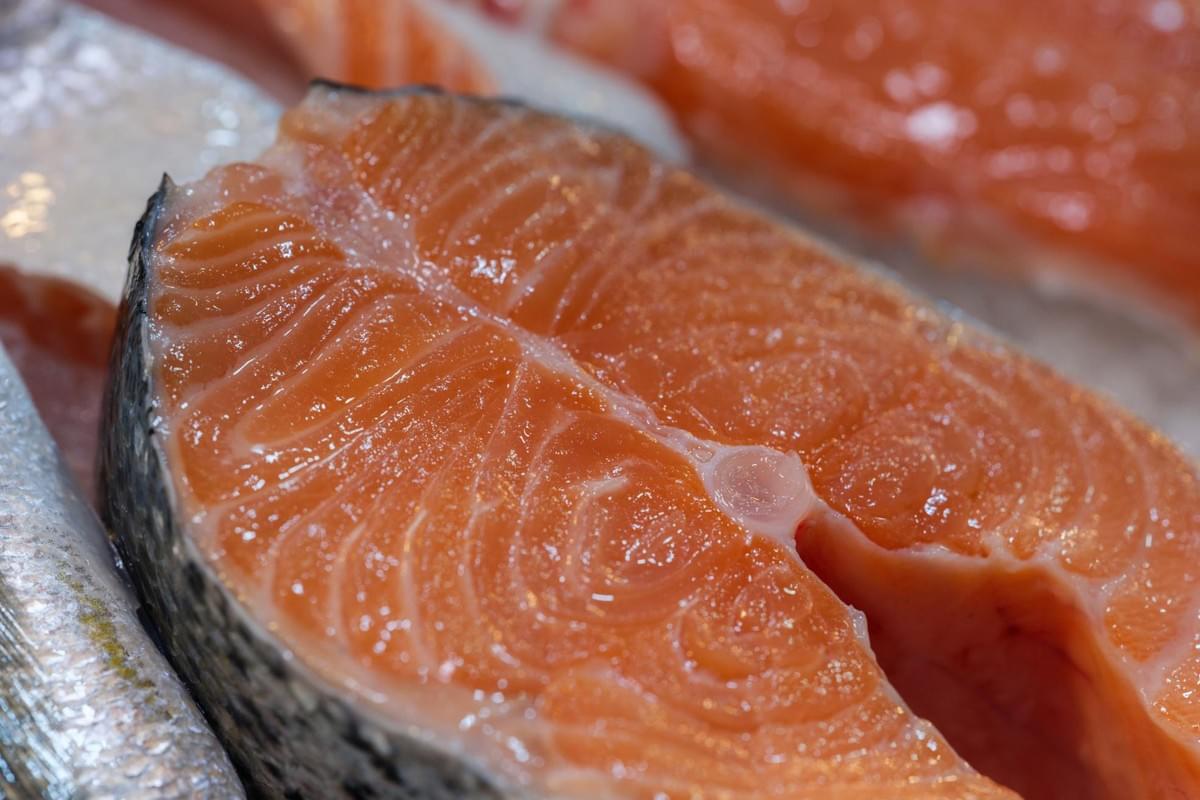
Salmon is where most of us start. It shows up in sashimi, nigiri, poke bowls, chirashi and plenty of yu sheng platters.
Some controlled farming systems can reduce exposure to certain parasites, depending on feed and conditions. But farmed salmon isn't automatically parasite-free or bacteria-free. Wild salmon isn't safe for sashimi just because it was freshly caught, either.
My rule is simple. I buy salmon that's explicitly sold for raw consumption, from a licensed retailer, or I let a restaurant handle it.
How to Start Eating Raw Fish: A Step-by-Step Guide
Here's how I'd suggest you ease in.
Step 1: Let a restaurant do the work. A licensed Japanese restaurant handles the sourcing, storage and slicing. You just show up hungry. Tanjong Pagar has one of the densest clusters of Japanese restaurants in the city, from casual counters to serious omakase bars.
Step 2: Start small and familiar. Salmon nigiri is my favourite first bite for beginners. The rice makes it feel less strange than a plain slice of fish. If you're nervous, try cooked sushi first, then one piece of sashimi.
Step 3: Know what you're ordering. Ask whether a dish contains raw fish, raw shellfish, seared fish or fully cooked seafood. Japanese menu names can be confusing at first.
Step 4: Eat it promptly. Raw fish doesn't like sitting around, especially in our heat.
Step 5: Watch your budget. You don't need omakase to find out if you like sashimi. Conveyor-belt sushi restaurants are a good starting point, especially if you're still figuring out what you enjoy. I usually check places mentioned on Japanese Table before deciding where to eat, but for a first casual meal, I'd plan on S$15 to S$30 per person.
Insider Note from My Taste of SG: Check whether prices are nett or "++". That little symbol means service charge and GST get added on top. Lunch sets are often the gentlest way to try a new place.
Preparing Raw Fish at Home: What I Learned the Hard Way
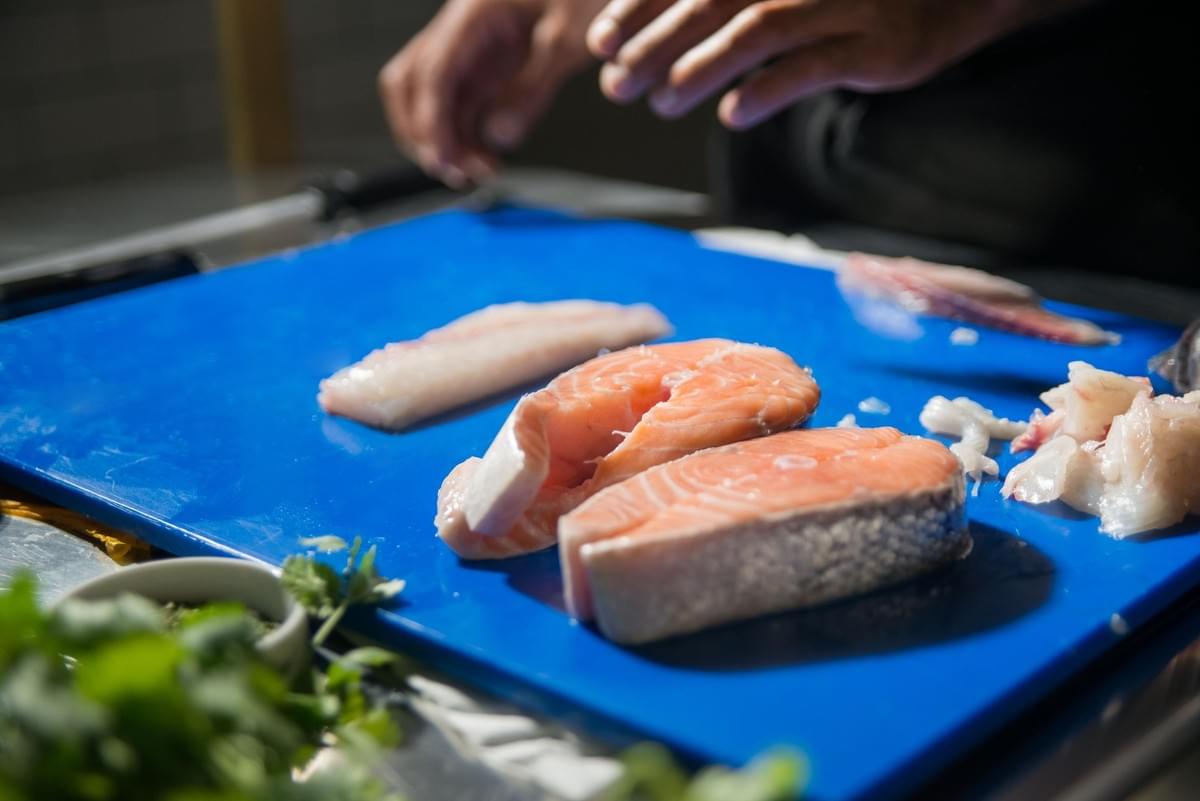
If you want to prepare RTE raw fish yourself, here's my routine now:
- Buy raw fish last. Make the sashimi counter your final stop. SFA suggests this too.
- Bring a cooler bag and ice packs. The goal is keeping the cold chain intact, not just keeping the pack cool to the touch.
- Refrigerate immediately at 0°C to 4°C.
- Clean everything first. Hands, counter, knife, board.
- Use dedicated equipment. To avoid cross contamination, keep a board and knife just for ready-to-eat food.
- Don't rinse the fish. Washing doesn't reliably remove bacteria and can splash contamination around your sink.
- Slice and serve. Very thin slices suit white fish. Thicker cuts suit salmon and tuna. Knife work changes texture, not safety.
- Follow the use-by date. If you're unsure how it was stored, let it go.
Common Mistakes to Avoid
- Buying sashimi before a day out. I once watched a friend carry a supermarket pack around Gardens by the Bay all afternoon. Please don't. Eat at the restaurant instead.
- Assuming aburi means cooked. Torched salmon is often raw in the centre.
- Trusting price or décor. An expensive, spotless dining room isn't proof of safe sourcing.
- Buying from home-based sellers. SFA prohibits home-based food businesses from selling RTE raw seafood.
- Assuming every hawker stall can sell raw fish. Food stalls and caterers need specific approval for RTE raw fish dishes.
One Last Thought
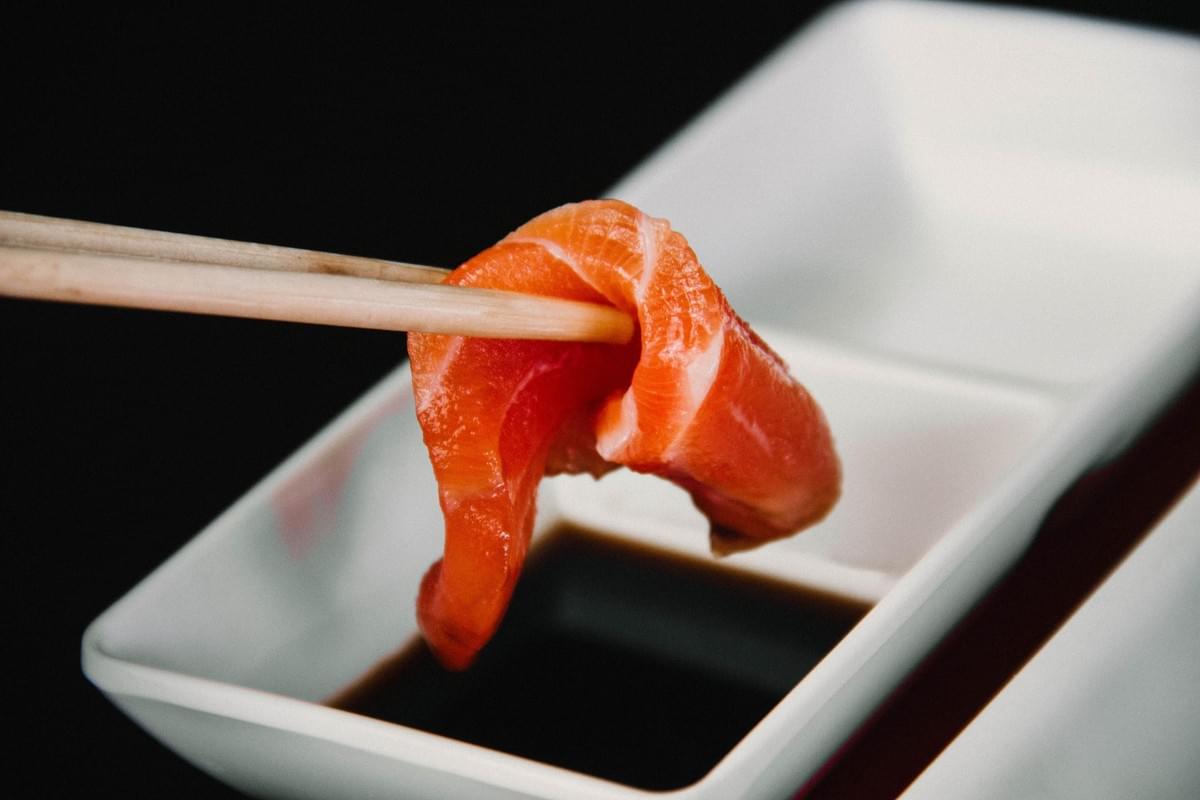
I still think about that salmon fillet on my counter. It looked perfect. It just wasn't meant for what I had planned.
That's really the whole lesson. Raw fish asks you to trust a chain of people you'll never meet, and to make a few smart choices yourself. Start at a good restaurant. Order a couple of pieces of salmon nigiri. Eat the first one slowly.
You might love it. You might not. Either way, you'll know, and you'll have made the choice with your eyes open.
Frequently Asked Questions (FAQs)
How can I tell whether fish is intended to be eaten raw?
Fish sold for cooking is not automatically safe to be consumed raw, even if it looks fresh. At supermarkets and other retail food establishments, check the label and storage instructions. A fish fillet should be clearly identified as raw food intended to be served raw; when in doubt, cook it.
What should I know about handling RTE raw fish at home?
Keep RTE raw fish chilled at 0°C to 4°C, follow the package directions and use it by the stated date. Wash your hands and utensils before preparation, and use separate equipment for raw fish and other foods. Businesses should practise proper segregation of raw fish intended for raw consumption from other raw food intended for cooking.
Who should avoid eating raw fish?
As a general precaution, vulnerable groups should avoid raw fish. This includes pregnant women, young children, elderly persons and people with chronic illness or weakened immunity. They may be more likely to become seriously ill if exposed to bacteria or parasites.
Can raw fish cause group B streptococcus or GBS infections?
Group B streptococcus (GBS) has been associated with raw freshwater fish in some food-safety advisories, including concerns about Asian bighead carp. Anyone choosing to consume raw fish should exercise caution, but vulnerable people should avoid it. If you develop symptoms after eating raw fish, seek medical advice.
