

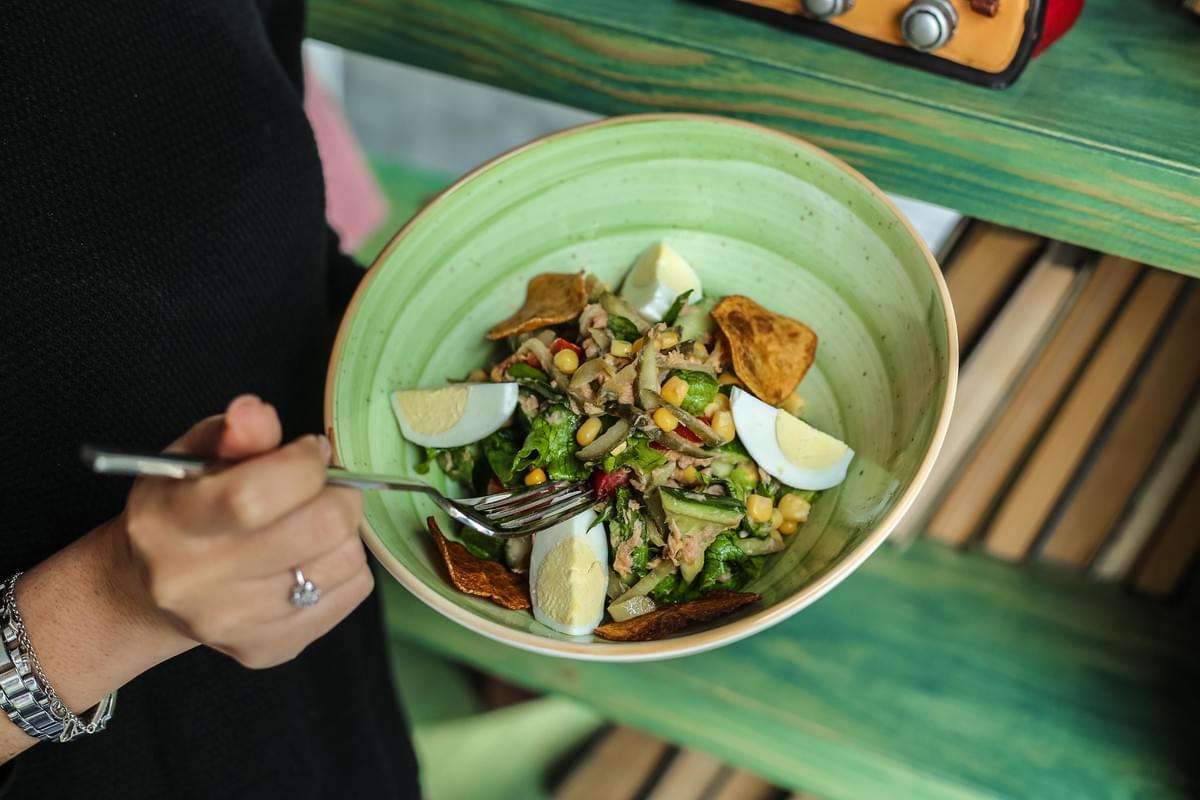
The first time I ate a properly good plate of vegetarian bee hoon and chai poh, I wasn't even looking for it.
I visited Fortune Centre, hungry and rushed, and joined the shortest queue I could find and it happened to be a little vegetarian hawker stall with a green sign and a lotus painted on the side. For about three dollars, the auntie handed me a plate of fried vermicelli, some braised tofu, a curry vegetable I couldn't name, and one lonely spring roll.
I remember thinking it would be forgettable. It wasn't. It was different, but delicious. Then I went to Chinatown the next week. This time, it's much easier to spot vegetarian stalls. It's practically packed with, of course, vegetables: mushrooms, cucumbers, bean sprouts, preserved radish. Not to mention the glutinous rice and pandan leaves for dessert.
That plate quietly changed how I saw hawker food in Singapore. I'd always assumed our hawker scene was built almost entirely on meat and seafood. Turns out I just hadn't been paying avettention to the many stalls offering good vegetarian options, the vegetarian hawker stalls that don't shout for it.
Yes, Vegetarian Hawker Food Is Everywhere (Once You Know Where to Look)
Most decent-sized hawker food centres have at least one dedicated vegetarian stall, and they're usually easy to spot. Look for signs saying Vegetarian, the Chinese characters 素食, or Buddhist Vegetarian. Many go for green signage or lotus imagery, which is exactly how I stumbled onto my first plate.
The dishes waiting for you are more varied than most people expect. Vegetarian bee hoon. Economic rice, where you point at what you want. Yong tau foo done meat-free with tofu. Thunder tea rice, curry rice, even vegetarian versions of laksa and mee rebus.
And to live healthy, we must know the budget to get the best value in the city:
- Bee hoon: S$2.50–4
- Economic rice: S$3–6
- Yong tau foo: S$5–8
- Thunder tea rice: S$5–8
- Vegetarian laksa: S$4–6
My Taste of SG Tip: When you're unsure, a dedicated vegetarian stall is always safer than asking a mixed stall to "remove the meat." The whole kitchen is already built for it, so you're not relying on one busy hawker to remember your request mid-rush.
Understanding Buddhist Vegetarian Food (It's Not Always Vegan)
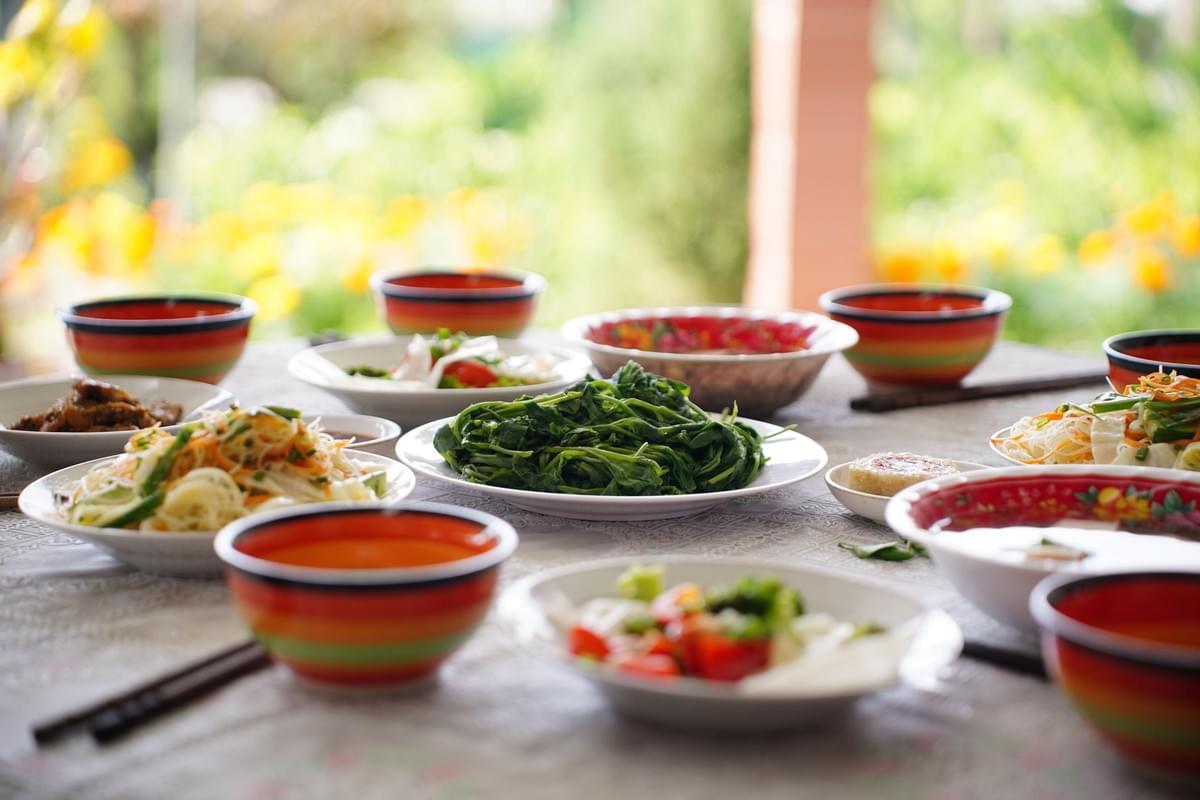
Many vegetarian hawker stalls follow Buddhist traditions and recipe. That means no meat and no seafood, which is wonderful. But it doesn't automatically mean it's a vegan street food like what Yi Xin Vegetarian offers. A lot of these stalls still use dairy, eggs, and sometimes honey. Some also skip onions and garlic entirely, following a stricter Buddhist practice.
So if you're vegetarian, you're in easy territory. If you're vegan and looking for vegan food or vegan options, you'll want to ask a couple more questions before you order.
You'll also meet a whole world of mock meat here, and I mean that fondly. Mock duck, mock char siew, mock chicken, even vegetarian "fish," mostly made from wheat gluten or soy. In Singapore, these aren't gimmicks. They're everyday food, cooked with real care, and some of them genuinely surprised me the first time I tried them.
My Taste of SG Tip: Don't dismiss the mock meats as novelty. A well-braised mock duck at a Buddhist stall can carry a plate of rice beautifully. I resisted them for years. I was wrong.
The Hidden Ingredients Worth Watching For
"No meat" and "vegetarian" aren't the same thing.
This trips up a lot of visitors, and it once tripped up me too. A plate of fried kangkong looks perfectly green and innocent, but the sambal underneath might be made with belacan, which is shrimp paste. Suddenly your vegetable dish isn't vegetarian at all.
Here are the usual culprits hiding in otherwise "meat-free" dishes at mixed hawker stalls and they are usually spices we are familiar of:
- Oyster sauce
- Fish sauce
- Shrimp paste (belacan)
- Dried shrimp
- Pork lard
- Chicken stock
And the safe friends:
- Tofu
- Tempeh
- Mock duck and gluten meats (usually fine)
A few simple phrases go a long way. "Is this vegetarian?" "No meat, no seafood?" "Can make without egg?" Most hawkers understand basic English, and a quick question saves you the quiet disappointment I once felt halfway through a bowl.
The Best Times to Go at Vegetarian Restaurants and Hawker Centres
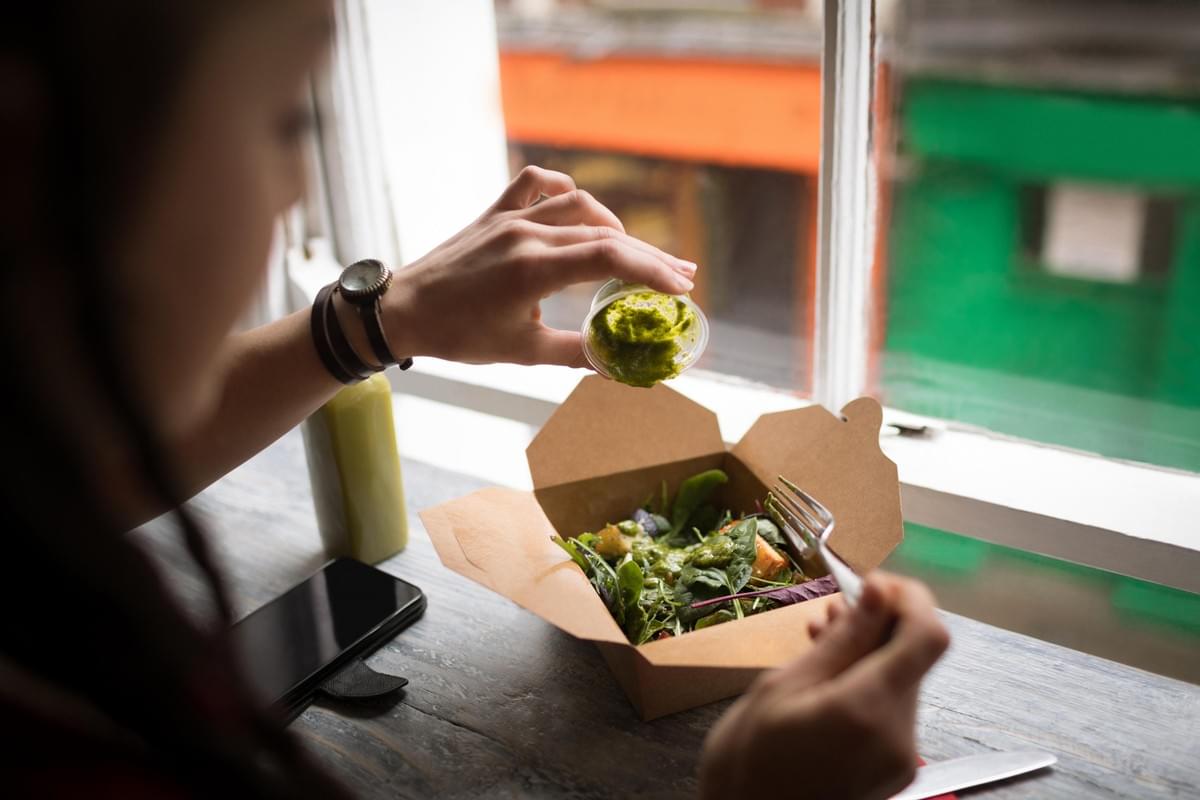
Timing matters more than you'd guess.
I've learned this the hard way, arriving at 1:30pm to find the good vegetables already gone and the stall winding down. Many Buddhist vegetarian stalls run mainly during breakfast and lunch, and some close surprisingly early in the evening.
Here's my rough guide:
- 8–10am: fresh breakfast options, first pick of everything, including steamed rice cakes and roti prata, often served with curry.
- 11–11:30am: strong selection before the lunch crowd arrives
- After 1pm: popular snacks may already be sold out
- Evening: some vegetarian stalls are closed, so don't count on them
If you only take one thing from this section, let it be this. Go earlier than you think you need to.
My Taste of SG Tip: Bring a little cash, around S$10–20 in small notes. Plenty of hawker stalls now take QR payments, but the older aunties and uncles sometimes still prefer cash, and you don't want to be the person holding up the queue.
Real Scenarions: Yes, This Happened
Breakfast at Maxwell Food Centre. Arrive around 8:30am and you'll spot a vegetarian bee hoon stall without much effort. For roughly S$3.50 you can build a plate of bee hoon, curry vegetables, tofu, and a spring roll. Come back at 10am and the queue has doubled. The lesson is simple: early birds eat better here.
Office lunch at Lau Pa Sat. If you work in Raffles Place, don't waste your precious lunch hour wandering. Head straight for the vegetarian rice, the Indian cuisine in Singapore especially the vegetarian stalls, or the yong tau foo. A solid lunch runs around S$5.50, and knowing exactly where to go is worth its weight in gold during the noon crush.
Ordering laksa as a vegan. I once watched a friend assume laksa was automatically vegetarian. It often isn't. She asked, "No coconut milk? No seafood?" and the stall explained theirs used coconut milk with no seafood. Crisis averted, purely because she asked instead of assumed.
Building an economic rice plate. This is my favourite way to eat vegetarian at a hawker centre. Point at tofu, cabbage, eggplant, a bit of mock meat, and rice. Total came to about S$4.80 last time. Same plate at a café? Easily double, with less character.
Common Mistakes to Avoid: Little India or Tiong Bahru? Roti Prata or Mock Meat?
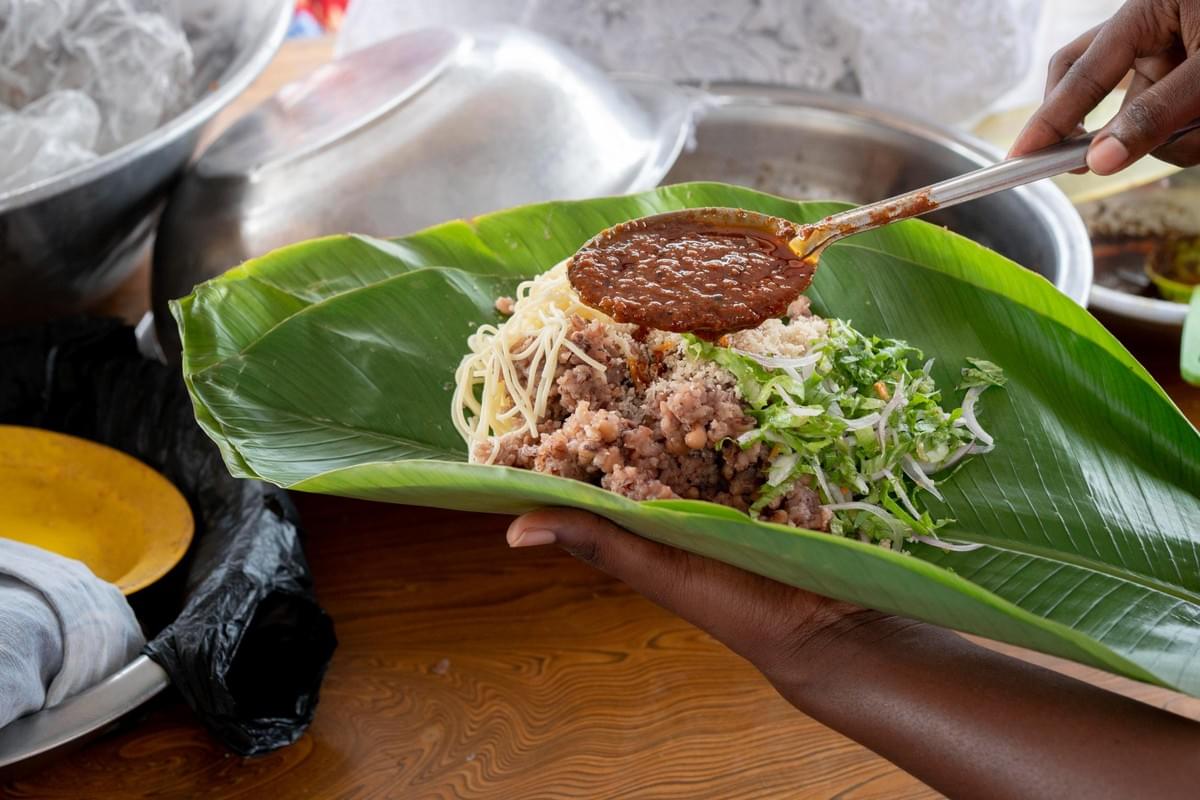
Assuming every green stall is vegan. Many are Buddhist vegetarian, which still uses eggs and dairy. Check if it matters to you.
Thinking "no meat" means safe. The hidden ingredients above are real. Sauces and stocks are where dishes quietly stop being vegetarian.
Arriving too late. By mid-afternoon, the best options thin out fast. This is the mistake I still make when I'm not careful.
Skipping the Indian vegetarian stalls in Little India. Please don't. Some of the most satisfying, protein-rich hawker meals I've had came from a South Indian stall, all dosai and dhal and quiet generosity.
Forgetting the etiquette. After you eat, return your tray. It's expected now, not optional. And if you want to reserve a seat while you order, you can chope it with a packet of tissues left on the table. It looks odd the first time you see it, but it's completely normal here.
My Taste of SG Tip: During festival seasons like Vesak Day and Lunar New Year, many Singaporeans eat vegetarian, so expect bigger crowds and, happily, expanded menus with special seasonal dishes. Go early, be patient, and treat the queue as part of the experience.
Frequently Asked Questions: Vegetarian Options at Food Courts and Hawker Centres
Is vegetarian food easy to find at hawker centres?
Easier than you'd think. Most larger hawker centres have at least one dedicated vegetarian stall, usually marked with a green sign or lotus symbol.
What's the difference between vegetarian and vegan stalls?
Vegetarian stalls, especially Buddhist ones, avoid meat and seafood but may still use eggs, dairy, or honey. Truly vegan stalls are less common, so ask if it matters to you.
Can I ask for a dish without meat at a regular hawker stall?
You can, but be careful. Sauces and stocks like oyster sauce, fish sauce or chicken stock can still contain animal ingredients even after the meat is removed.
Are Buddhist vegetarian stalls vegan?
Sometimes, but not always. Many use dairy and eggs. A quick question clears it up.
Is vegetarian hawker food affordable?
Very. Most meals stay under S$6, and even premium specialties rarely climb past S$8–10.
One Last Thought Before You Go to Vegetarian Hawker Stalls
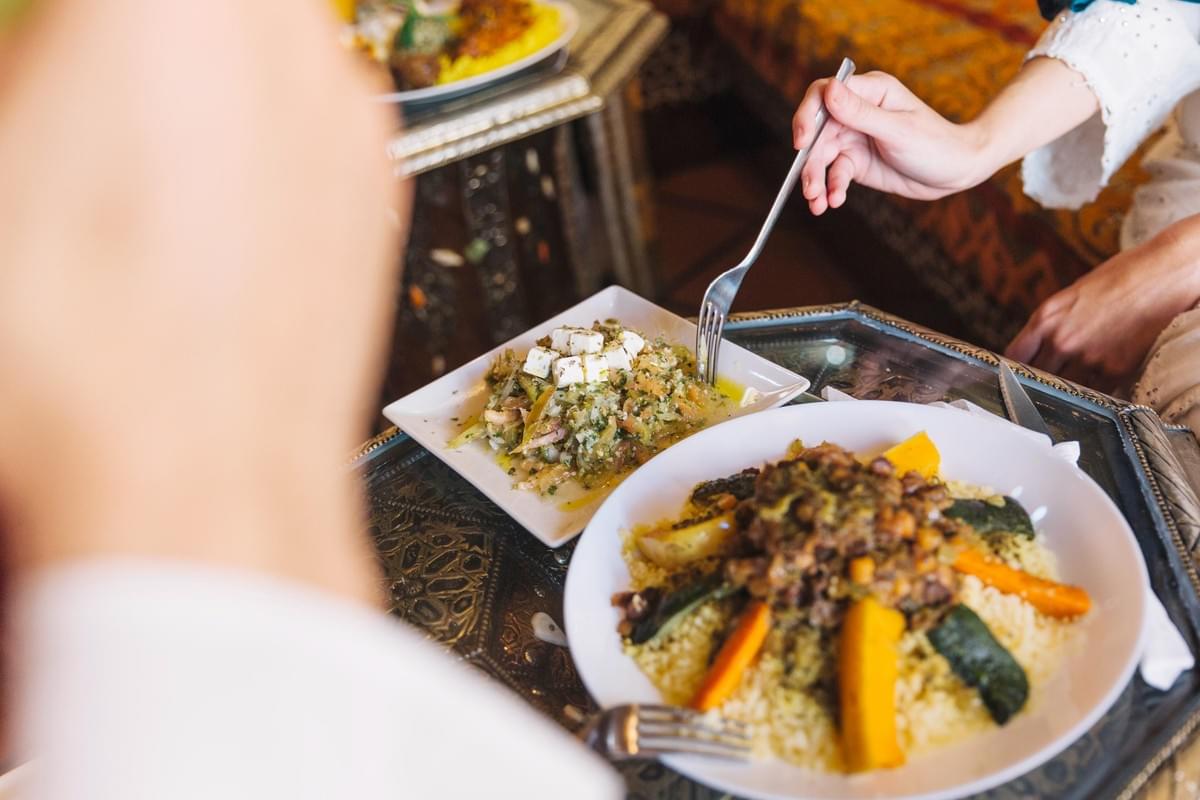
I still think about that first plate of bee hoon.
Not because it was fancy, because it wasn't. But because it opened a door I didn't know was there. Since then, I've eaten my way through vegetarian stalls I would once have walked straight past, and each one taught me something about how varied and generous our hawker culture really is.
Chinese Buddhist cooking, Indian cuisine vegetarian traditions, Peranakan flavours, newer vegan ideas. It's all here, quietly waiting, tucked between the char kway teow and the roast meats.
So go early. Ask your questions. Try the economic rice first, then wander further once you've found your feet.
And when a simple three-dollar vegetarian food plate makes you pause mid-bite, come back and tell me. I'd love to know which one did it for you.
