

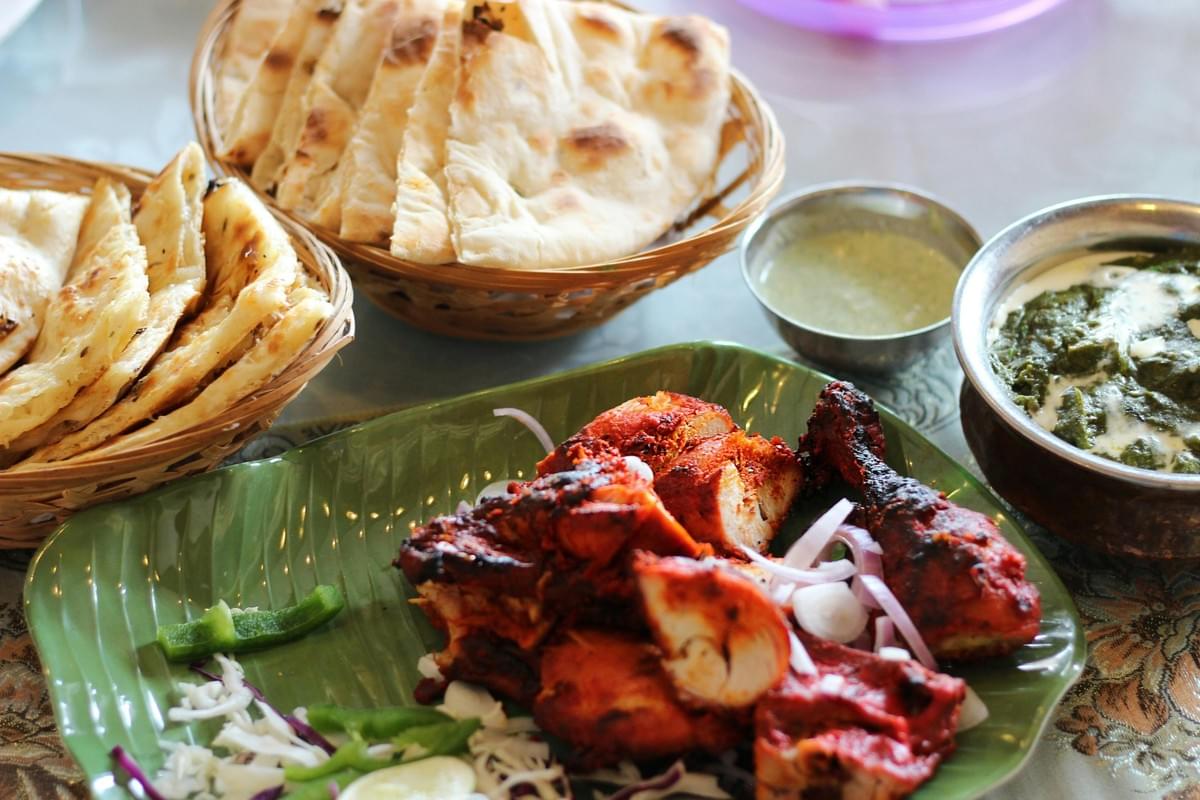
I still remember my first attempt at ordering Tamil food in Singapore. Near Little India on a humid Tuesday, I stood before a glass display of over twenty trays. Steam rose from rich curries, and the smell of cumin and curry leaves filled the air. Panicking, I pointed at three dry, deep-fried items and plain white rice. The stall owner pityingly ladled dhal over my rice and charged $5.50.
Taking my first bite, I understood why, the dhal tied everything together. It was a humbling, delicious lesson.
“Indian food” in Singapore is a broad label. While North Indian butter chicken and biryanis exist, everyday Singaporean meals are rooted in Tamil cuisine. Brought by migrants from Tamil Nadu, it adapts to local rhythms.
After years of banana leaf meals, hawker stalls, and prata joints, I’ve made ordering mistakes so you don’t have to. Here’s a practical guide to Tamil food in Singapore.
Common Questions & Concerns About Indian Cuisine in Singapore
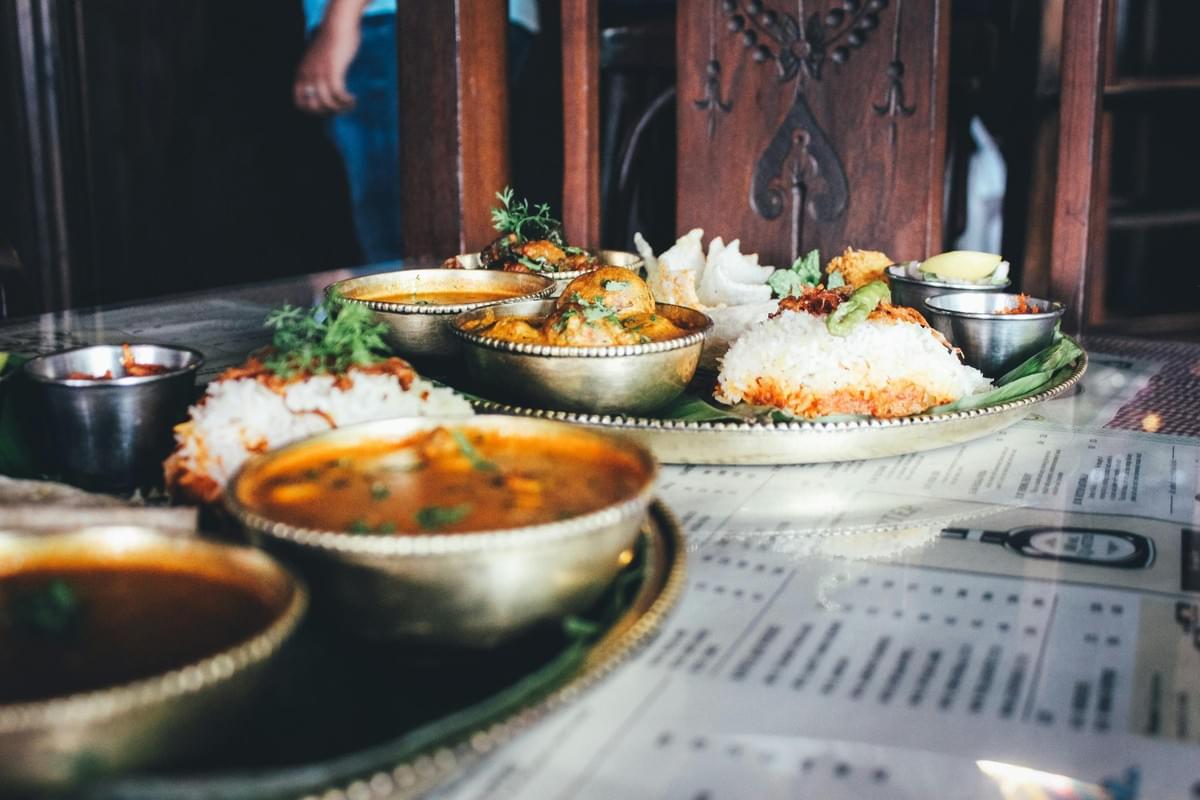
When I take friends out for their first South Indian meal in Little India, I usually hear the same questions and anxieties. It can feel intimidating, but it doesn't have to be.
What exactly is Tamil food in Singapore?
Tamil food, a cornerstone of Indian cuisine in Singapore, originates from Tamil Nadu in South India. Unlike the rich, creamy gravies and wheat breads like plain naan typical of North Indian fare, Tamil cuisine is lighter and emphasizes rice as the staple. Imagine a steaming mound of fluffy white rice, perfectly paired with tangy sambar, a lentil and vegetable stew simmered with curry leaves and tamarind. Or the crisp, golden dosa, made from fermented rice flour and urad dal, with a delicate crunch that gives way to a soft interior. Traditional dishes also include idli, soft, steamed rice cakes, and hearty side dishes like coconut chutney, made from freshly grated coconut, green chilies, and a hint of ginger.
Is Tamil food always vegetarian?
Not at all! While many traditional Tamil foods served near temples are vegetarian, Tamil cuisine offers a vibrant array of meat dishes. Think tender chicken masala simmered in a fragrant gravy of tomatoes, onions, garlic, and other spices, or slow-cooked mutton curry infused with cinnamon, black pepper, and coconut milk. These dishes reflect the rich culinary heritage of South India and have been lovingly adapted to local tastes in Singapore food culture.
Isn’t Tamil food too spicy?
This is the biggest misconception about Indian food here. Tamil cuisine uses a complex layering of spices—mustard seeds, coriander, turmeric, black pepper, and curry leaves—to build depth of flavor rather than just heat. Some dishes are hot, but many are mild and comforting. For example, kootu, a mild lentil and vegetable stew, offers gentle warmth, while the cooling homemade yogurt raita balances spicier curries.
My Taste of Tips:
If you’re new to South Indian flavors, order sambar or kootu as your side dishes. Their tangy, soothing nature acts as a creamy coconut sanctuary amid richer, spicier curries.
Practical Information for Navigating Tamil Foods in Singapore
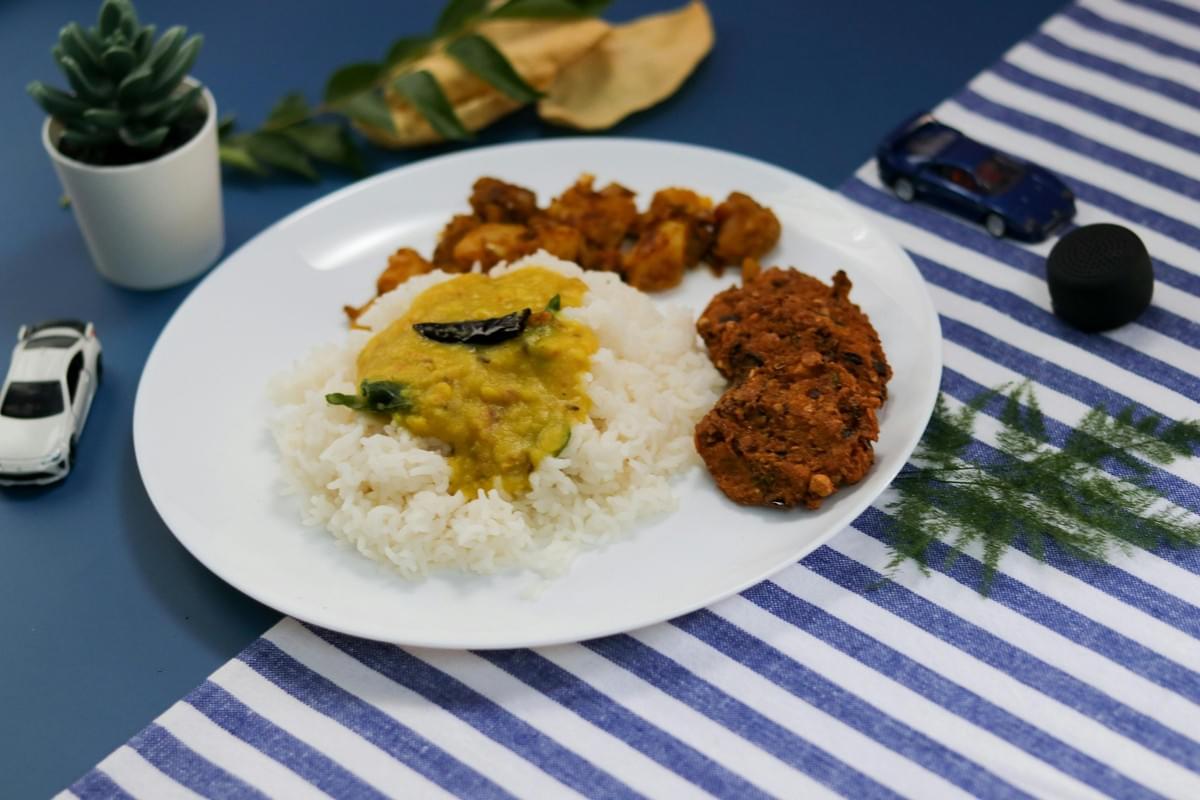
Mastering the art of ordering at a Tamil mixed-rice stall, often styled like nasi padang, is essential for enjoying authentic Indian cuisine in Singapore.
Step 1: Start with Your Base
Most hearty meals revolve around a generous serving of plain white rice, steamed to fluffy perfection. For breakfast or lighter meals, you might opt for dosa or prata, both made from rice flour or wheat flour and cooked on a hot griddle until crispy outside and soft inside.
Step 2: Choose 2–3 Complementary Dishes
Balance is key. A well-rounded plate often includes:
- A wet curry, such as chicken curry or vegetable stew simmered with tomatoes, onions, garlic, and other spices
- A dry dish, like fried cabbage seasoned with mustard seeds and curry leaves or crispy fried chicken
- A gravy to drizzle over rice, such as dhal or fish curry gravy rich with coconut milk and lemon juice
Step 3: Add Your Side Dishes
Never skip papadum, crispy lentil crackers that add a satisfying crunch. Also try a small scoop of Indian pickles (achar) for a sharp, sour kick. Don’t forget the homemade coconut chutney, a fragrant blend of grated coconut, green chilies, and sesame seeds that perfectly complements dosa and idli.
Typical Costs and Expectations
Tamil food in Singapore is remarkably accessible:
- Hawker centers and food courts: $4–$8 per meal
- Casual air-conditioned restaurants: $8–$15 per person
- Sit-down traditional banana leaf restaurants: $15–$30+, depending on premium meats and dishes
Timing Your Meals
- Breakfast (7 AM – 10 AM): Best for soft idli, crispy dosa, and savory vadai snacks
- Lunch (12 PM – 2 PM): Prime time for hearty rice meals with an array of side dishes; avoid peak queues at 12:30 PM
- Late Night (10 PM onwards): Prata shops come alive with flaky flatbreads dipped in spicy fish curry, paired with hot teh tarik drinks
Expert Insights on Enjoying Tamil Cuisine in Singapore
Over the years, I’ve observed the uncles and aunties at my favorite stalls, learning what makes a meal truly satisfying.
Etiquette and Norms
Eating with your hands is traditional and enhances the experience, allowing you to mix rice, curry, and vegetables for a perfect bite. Use only your right hand if you choose this method. Utensils are always available, and no one judges if you prefer them.
Quality Indicators
Look for stalls with high turnover; the trays are constantly refilled, ensuring fresh, hot food. Gravies should be balanced, neither oily nor watery.
Red Flags
Avoid food that looks greasy or fried snacks that are stiff and dried out. Crusty edges on trays mean the food has been sitting too long, time to find another stall.
My Taste of Tips:
Don’t pour all curries onto one spot on your rice. Pour different curries onto separate corners to savor their distinct flavors before mixing.
Real Examples of Tamil Food Experiences in Singapore
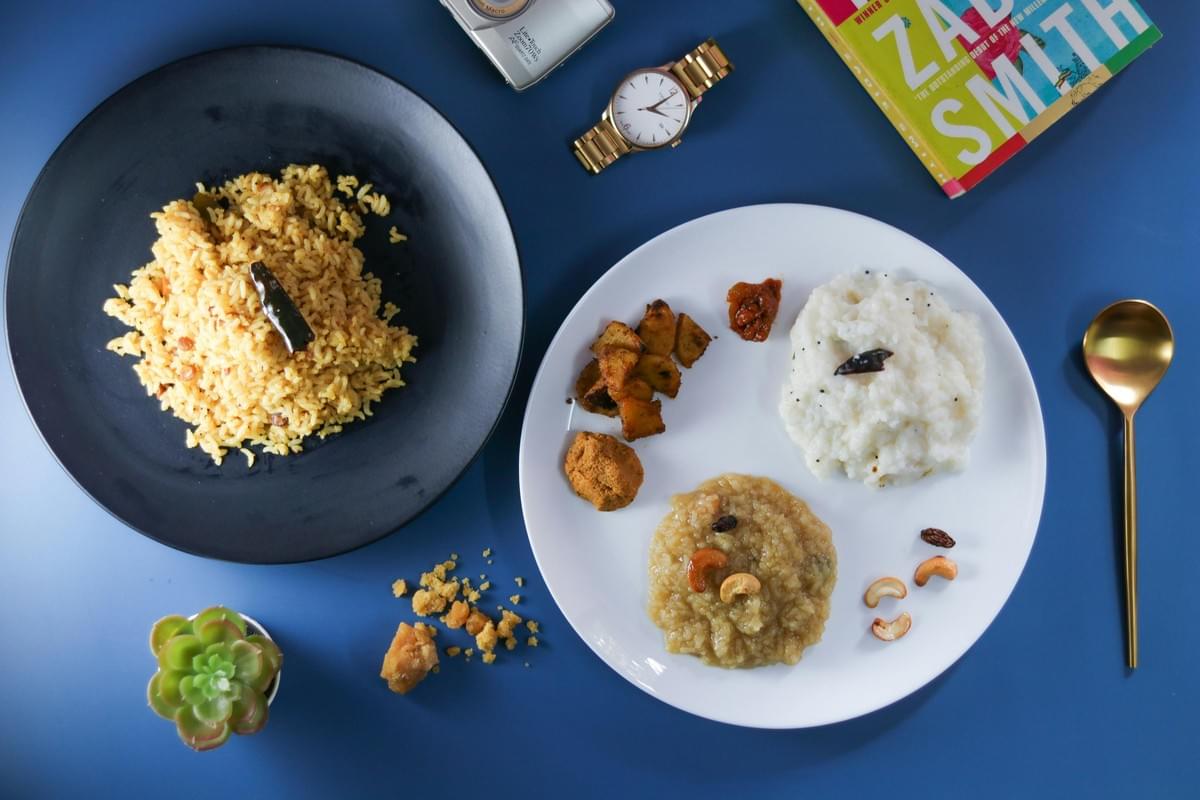
1: First-Timer at a Little India Stall
My colleague Sarah was overwhelmed by the variety at a Buffalo Road hawker center. I advised her to start simple: plain rice, mild chicken curry, stir-fried cabbage, and dhal. The $6 meal was comforting and flavorful. After a month, she confidently ordered spicy fish curry and okra, a quick learning curve fueled by good Indian food.
2: Weekday Lunch Regular
For busy office workers, Tamil food is survival fuel. My typical Tuesday lunch at a CBD hawker center includes white rice, two vegetable side dishes (spinach and pumpkin), and chicken curry gravy. It’s fast, balanced, filling, and under $5.50.
3: Late-Night Prata Culture
Prata shops blend Tamil food with Singapore’s nightlife. At midnight, friends gather to share plain and egg pratas, dipping them in hot, spicy fish curry while sipping sweet teh tarik. It’s more than food, it’s a social ritual.
Local Context: Tamil Cuisine’s Role in Singapore Food Culture
Understanding Singapore means appreciating how Tamil cuisine anchors the local food scene. Shaped by South Indian migration, it has adapted to local tastes and integrated into hawker culture.
Traditional banana leaf meals, where dishes are served on fresh green banana leaves, connect diners to centuries-old customs. Festivals like Deepavali showcase Tamil foods with sweets and communal feasts.
But Tamil food is also everyday fare: a $2 breakfast dosa before the bus, a budget lunch between meetings, or a comforting late-night prata snack.
Explore Tekka Centre in Little India or neighborhood prata shops in the heartlands to experience this vibrant culinary tradition.
Common Mistakes to Avoid When Enjoying Tamil Foods
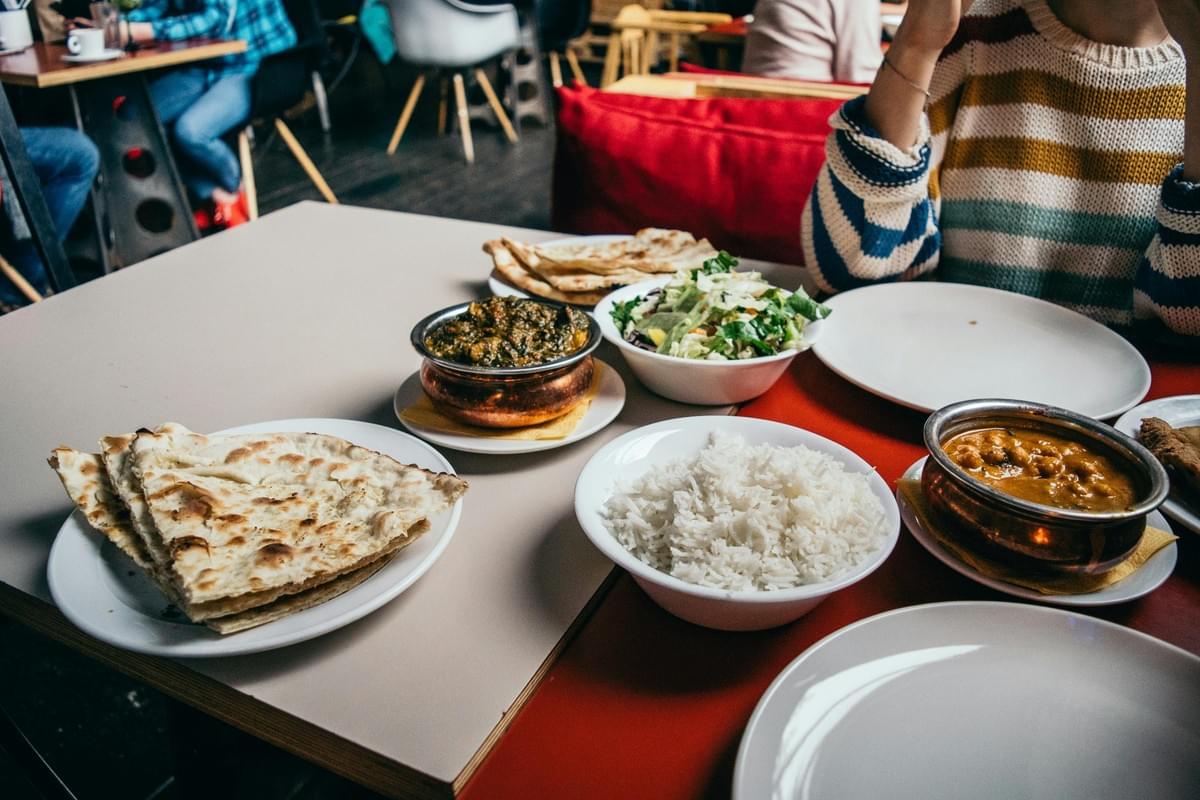
Learn from my missteps to enhance your experience:
- Ordering a dry plate: Rice needs moisture. Always ask for gravy (“curry juice”) to splash over rice, even with fried chicken or dry vegetables.
- Over-ordering meats: Tamil food is hearty. Avoid piling mutton, chicken, and fish all on one plate. Stick to one protein and load up on vegetable side dishes.
- Skipping yogurt: If things get too hot, plain yogurt or raita cools the palate immediately.
FAQ About Tamil and South Indian Cuisine in Singapore
Can I eat Tamil food if I’m strictly vegan?
Absolutely. South Indian cuisine is very vegan-friendly. Just ask if dosai or vegetables were cooked in ghee (clarified butter). If vegetable oil is used, you have many plant-based options like idli, sambar, and dry vegetable stir-fries.
How do I know what dishes are called if there are no signs?
Most hawker stalls don’t label every dish. Don’t hesitate to ask, “Uncle, what is this?” They’re used to questions and will gladly explain if it’s chicken, fish, or vegetables.
Do I clear my own banana leaf?
At traditional banana leaf restaurants, fold your leaf in half toward yourself when finished to signal you enjoyed the meal. Staff will take it away.
Where can I find the best restaurants for authentic Tamil foods in Singapore?
Little India is the heart of South Indian cuisine in Singapore, with many renowned restaurants offering traditional dishes and great service. Hawker centers like Tekka Centre and Newton Food Centre also serve excellent, affordable options.
For those interested in other dining experiences, Singapore also boasts the best izakaya in Singapore, offering a delightful Japanese culinary journey.
Conclusion
Tamil cuisine anchors the Singaporean plate because it’s practical, customizable, and satisfying. It’s not a rare novelty or expensive occasion, it’s a reliable, brilliant system of eating. If you’ve been intimidated by vibrant colors, strong aromas, and fast queues, just step up to a stall this week. Point at dishes that look good, ask for a splash of dhal, and dig in the My Taste of Singapore. It might change how you eat forever.
