

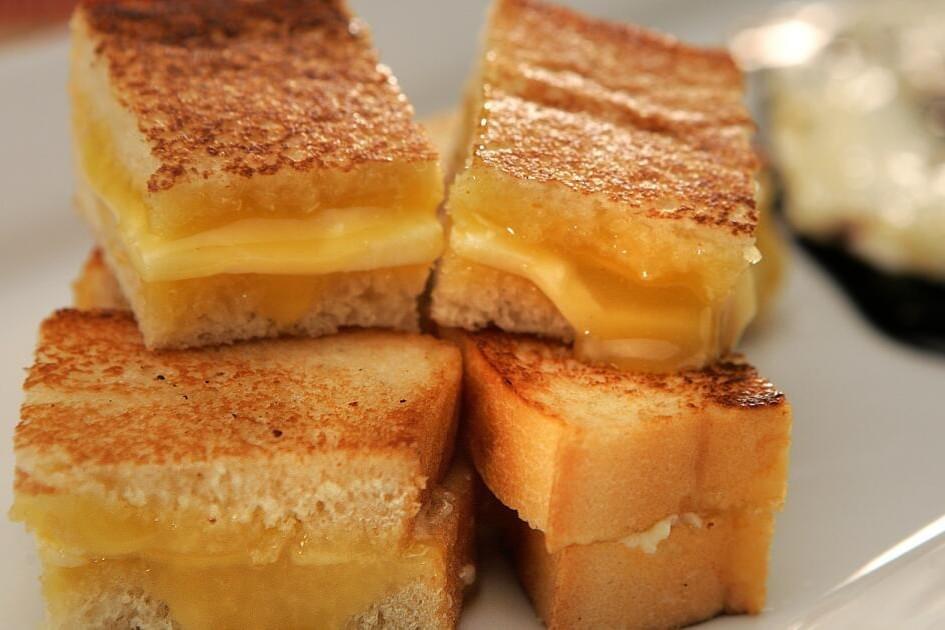
The morning air in a Ya Kun Kaya Toast outlet has a quality all its own. It is a warm, comforting blend of aromas; the nutty scent of coffee beans being brewed, the sweet fragrance of coconut and pandan from the kaya, and the unmistakable, slightly smoky smell of bread being toasted over a charcoal grill. This is the starting point for many Singapore meals, a simple yet profound ritual that awakens the senses and prepares you for the day ahead.
The Ya Kun Story: A Legacy of Humility and Hard Work
The story of Ya Kun Kaya Toast is a story of Singapore itself. It begins in 1944 with a Hainanese immigrant named Lau Ah Koon. He started with a humble coffee stall, serving the early morning crowds of laborers and merchants. Through sheer hard work and a commitment to quality, his little stall gained a reputation for its excellent coffee and fragrant kaya toast Singapore would come to adore.
The name "Ya Kun" is the hanyu pinyin translation of Ah Koon’s name, a nod to his Chinese roots. For decades, it remained a single, beloved stall. It was only in the late 1990s that his son, Adrin, expanded the business, transforming the cherished family-run stall into the iconic chain we know today. Yet, despite its growth, Ya Kun has managed to hold onto the nostalgic charm and traditional flavors that made it famous.
What Makes Ya Kun's Kaya Toast Special?
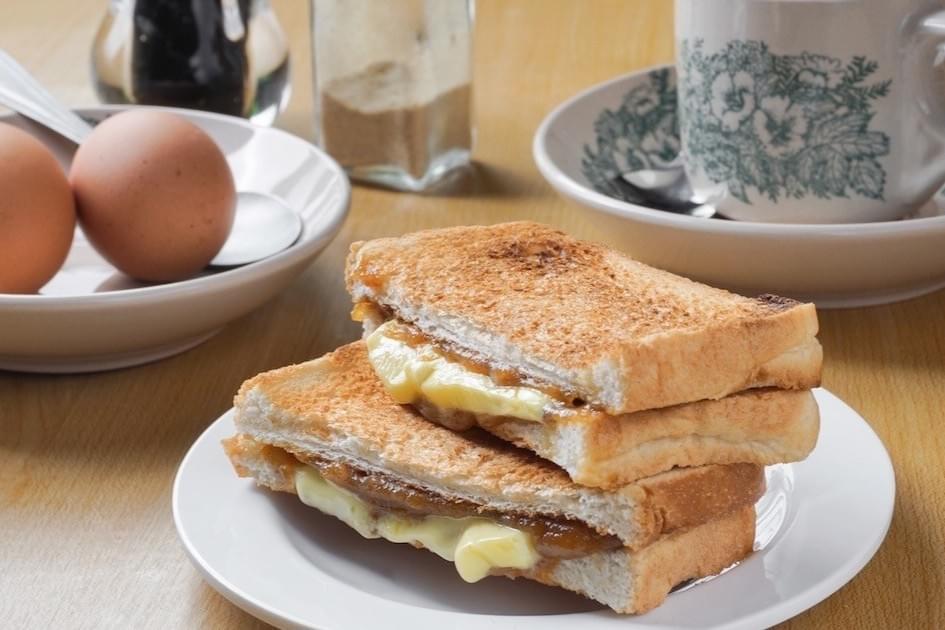
At first glance, kaya toast seems simple. It is just bread, coconut jam, and butter. But what makes the Ya Kun version so special lies in the details of its preparation, a method that has remained largely unchanged for over 70 years. The bread, a traditional thin-sliced brown loaf, is grilled over charcoal until it is perfectly crisp. It is a delicate process that imparts a subtle smokiness you cannot get from a modern toaster.
Once toasted, the slices are lovingly slathered with Ya Kun’s signature kaya, a rich, fragrant jam made from coconut milk, eggs, sugar, and pandan leaves. Then comes the magic touch: thin, cold slices of salted butter are placed on the hot toast. When you bite into the kaya butter toast, you experience a wonderful contrast of temperatures and flavors: the warm, crispy bread, the sweet, aromatic kaya, and the cool, savory butter that melts just so. It is a perfect symphony in every bite.
Of course, no traditional breakfast Singapore style is complete without soft-boiled eggs. At Ya Kun, they are cooked to perfection, with runny yolks and just-set whites. The local way to eat them is to crack them into a saucer, add a dash of dark soy sauce and a sprinkle of white pepper, and mix it all together. You can then dip your toast into this savory concoction, adding another layer of flavor to your meal.
The Morning Ritual and Kopitiam Culture
A visit to Ya Kun Kaya Toast is about more than just the food; it is an immersion into kopitiam culture. These coffee shops are the social heart of our neighborhoods. In the morning, you will see uncles reading the newspaper while sipping their kopi-o (black coffee with sugar), office workers grabbing a quick bite before heading to the CBD, and families enjoying a leisurely start to their weekend.
There is an unspoken rhythm to the experience. You queue up, place your order using the unique Singaporean coffee lingo (Kopi C Siew Dai, anyone?), and find a marble-topped table. The clatter of ceramic cups, the chatter of conversations, and the efficient movements of the staff create a comforting, energetic backdrop. This shared morning ritual is one of the most beloved Singapore food traditions, a way for us to connect with our community before the day's hustle begins.
Breakfast Pairing for an Adventurous Morning Ritual
While kaya toast with soft boiled eggs and kopi is the quintessential Singapore breakfast, why not take your morning adventure a step further? At Ya Kun and other kopitiams, you can find a delightful range of local dishes to pair with your kaya toast, turning a simple breakfast into a full-on Singaporean feast.
Pairings 1: Chicken Rice and Singapore Chili Crab
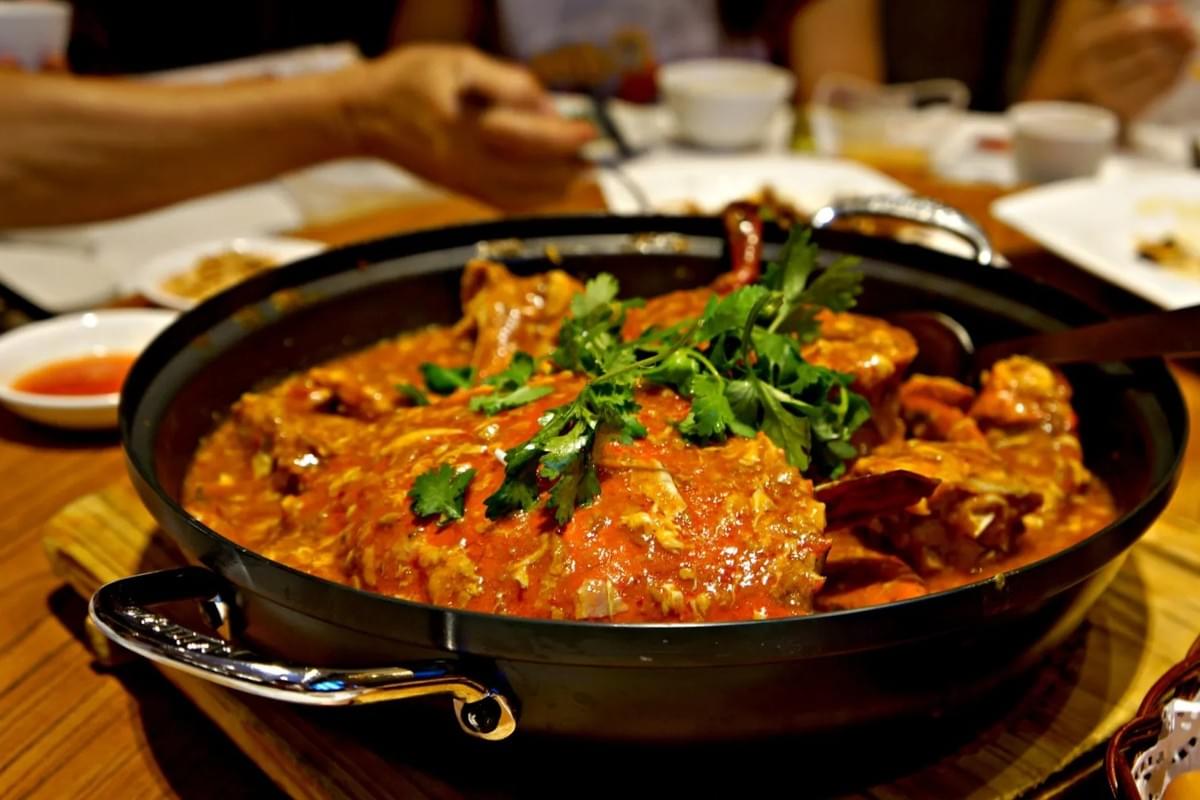
For those who want to start the day with a hearty meal, the fragrant chicken rice is a perfect companion. Poached chicken served with aromatic steamed rice cooked in chicken broth offers a comforting and savory contrast to the sweet kaya toast. If you're feeling bold, a small serving of Singapore chili crab, yes, the iconic chilli crab cooked in a rich, tangy, and slightly spicy sauce, brings a flavorful kick that awakens your taste buds early.
Pairings 2: Carrot Cake (Chai Tow Kway) and Char Kway Teow

Craving something with a bit more texture? Try a plate of carrot cake, or chai tow kway, a beloved hawker classic made from steamed rice cakes stir fried with eggs, preserved radish, and a savory chilli sauce. It’s a wonderful balance of soft and crispy, sweet and spicy, that pairs beautifully with your morning coffee. For noodle lovers, char kway teow, a popular noodle dish made with flat rice noodles, Chinese sausage, bean sprouts, and egg, stir fried in pork lard with shrimp paste and chilli sauce, adds a smoky, savory depth to your breakfast spread. This dish is often served dry, highlighting the intense flavors of the ingredients.
Pairings 3: Fried Hokkien Mee and Bak Kut Teh
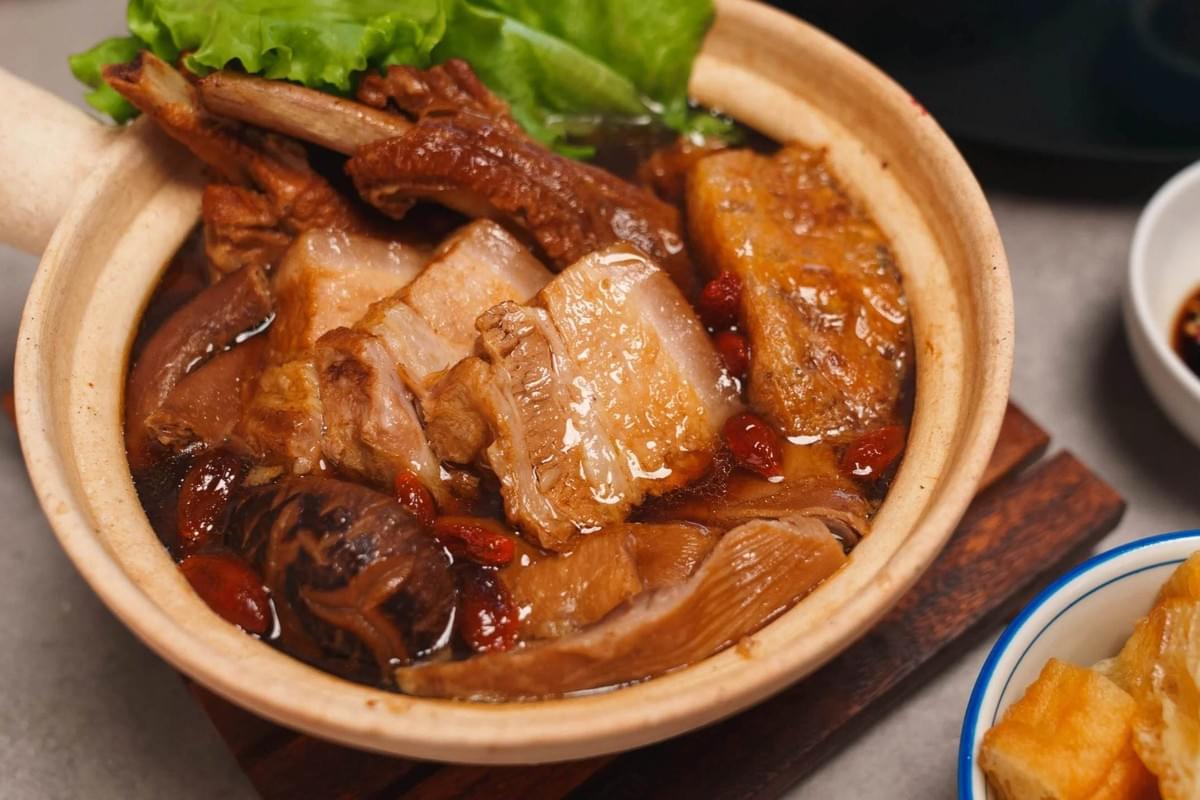
For those who prefer seafood flavors, fried hokkien mee is a satisfying choice. This popular dish combines stir fried egg noodles and rice noodles in a rich prawn stock with prawns, squid, and bean sprouts, delivering a rich prawn stock flavor that fills you up without weighing you down. And if you want to embrace the full spectrum of Singaporean breakfast flavors, a bowl of bak kut teh, a fragrant pork ribs herbal soup often enjoyed with a side of yong tau foo and fried tofu, offers warmth and depth, perfect for those cooler mornings.
Additional Local Pairings to Explore
Beyond these pairings, many dishes reflect the melting pot of cultures in Southeast Asia that influence Singapore’s cuisine. For example, nasi lemak, a fragrant rice dish cooked in coconut milk and pandan leaves, is often served with sambal chili sauce, crispy pork belly, and other accompaniments. The balance of spicy, savory, and aromatic flavors makes it a beloved choice any time of day.
Similarly, dishes featuring minced pork, whether in dumplings, stir fries, or as part of a hearty meal, are common staples across local food stalls and hawker centres. And when enjoying your kopi, remember that one cup can be customized to your taste, whether sweetened or served with less sugar, perfectly complementing the diverse flavors of your meal.
Considering the fact that you can be a traditionalist or an adventurous eater, pairing kaya toast with these iconic Singapore meals makes for a breakfast that’s as diverse and vibrant as the city itself. It’s the kind of morning ritual that I call a true “taste of Singapore,” where every bite tells a story and every sip connects you to our rich culinary heritage.
A Practical Guide to Your Ya Kun Experience
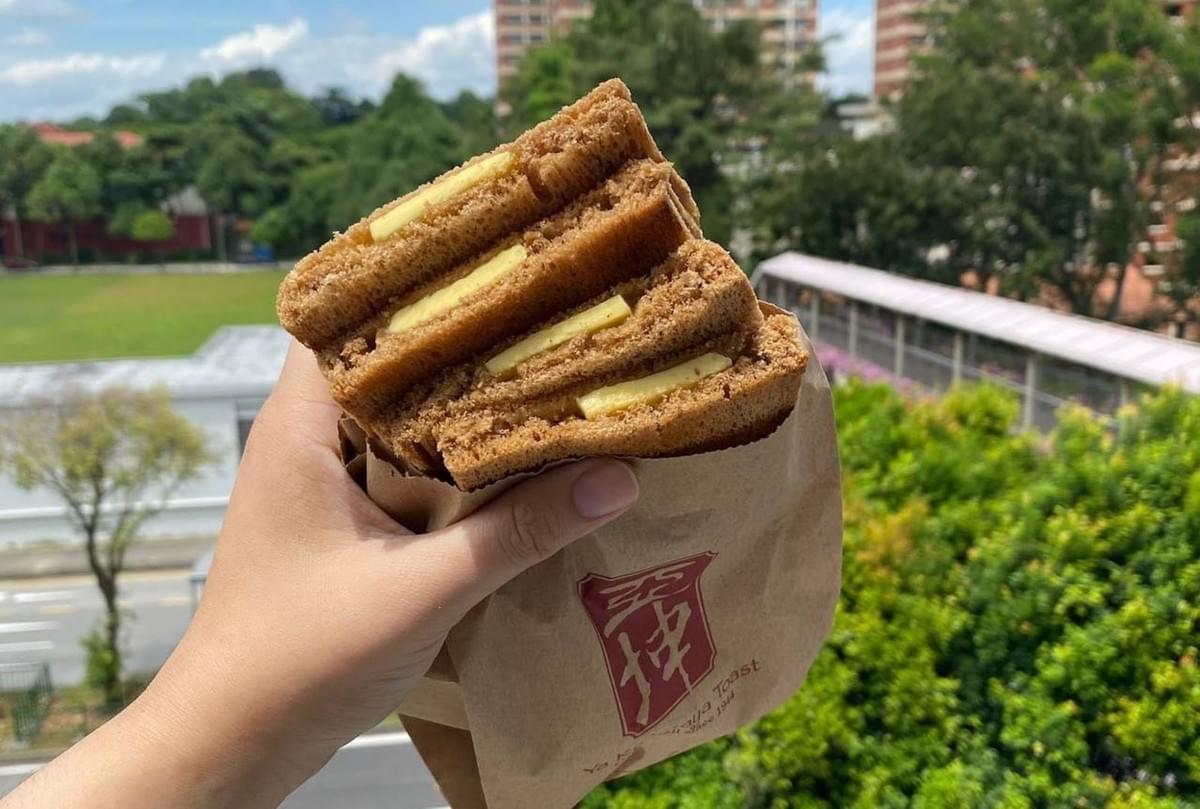
For first-timers, ordering might seem a little daunting, but it is quite simple. The easiest way is to order a set meal, which typically includes kaya toast, two soft-boiled eggs, and a hot coffee or tea; staples of local food in Singapore. This will usually cost between $5 and $8, making it one of the most affordable and satisfying Singapore meals.
- What to Order: The classic "Kaya Toast with Butter Set" is a must-try. If you prefer something different, they also offer French toast with kaya jam, steamed kaya bread (kaya butter toast), and other local dishes featuring coconut cream and pandan leaves that bring out the authentic flavors.
- Popular Locations: You are never far from a Ya Kun in Singapore. Popular and easily accessible outlets can be found at Hawker Centres, Clarke Quay Central, Bugis Junction, and ION Orchard. Each location offers a unique atmosphere, from bustling food courts to quieter neighborhood kopitiams, perfect for enjoying your kaya toast and local coffee.
- Coffee Tips: Be sure to specify how you like your coffee. "Kopi" is coffee brewed with condensed milk and sugar, delivering a rich and sweet taste. "Kopi C" uses evaporated milk and sugar, while "Kopi O" is black coffee with sugar. Adding "siew dai" means less sugar, and "kosong" means no sugar at all. This traditional coffee culture is an essential part of Singapore meals and kopitiam experiences.
A Taste of Home
Ya Kun Kaya Toast represents the best of our food culture. It is a reminder that the most memorable Singapore meals are often the simplest ones, prepared with care and steeped in tradition. It is a taste of nostalgia, a warm hug in a cup of coffee, and a connection to the generations who have started their day in the very same way.
So, the next time you are looking for a truly authentic Singaporean experience, step into a Ya Kun. Take a moment to savor the crispy toast, the rich kaya, and the fragrant kopi. We invite you to share your favorite Ya Kun outlet or your own breakfast memories with us. After all, these shared stories are what make our food culture so special.
