

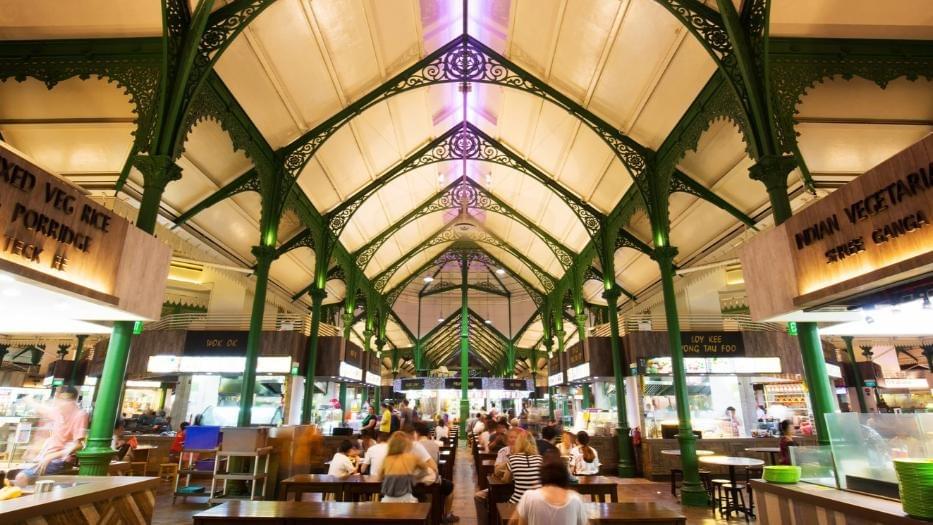
Walk into any bustling food center in Singapore today, and you are greeted by a symphony of senses. The clatter of plates, the rhythmic chopping of cleavers, and the intoxicating aroma of frying garlic and simmering broths fill the air. It is a well-organized, sanitary, and vibrant hub of culinary delight. Yet, this structured paradise of affordable eats is a relatively recent phenomenon. The story of how Singaporeans eat is a fascinating journey of transformation, taking us from the chaotic, dusty streets of the colonial era to the celebrated UNESCO-recognized culture we cherish today.
The Early Days: Life on the Streets (1800s-1960s)
Long before the fluorescent lights of the modern Singapore food center, the city’s food scene was mobile and makeshift. In the 19th and early 20th centuries, street food vendors known as hawkers were the lifeblood of the city’s streets. These hawker stalls were run by immigrants (Chinese, Malay, and Indian) seeking a livelihood in a new land. With little capital required, selling home-cooked food from pushcarts was an accessible way to survive.
Introduction of the Best Satay and Char Kway Teow
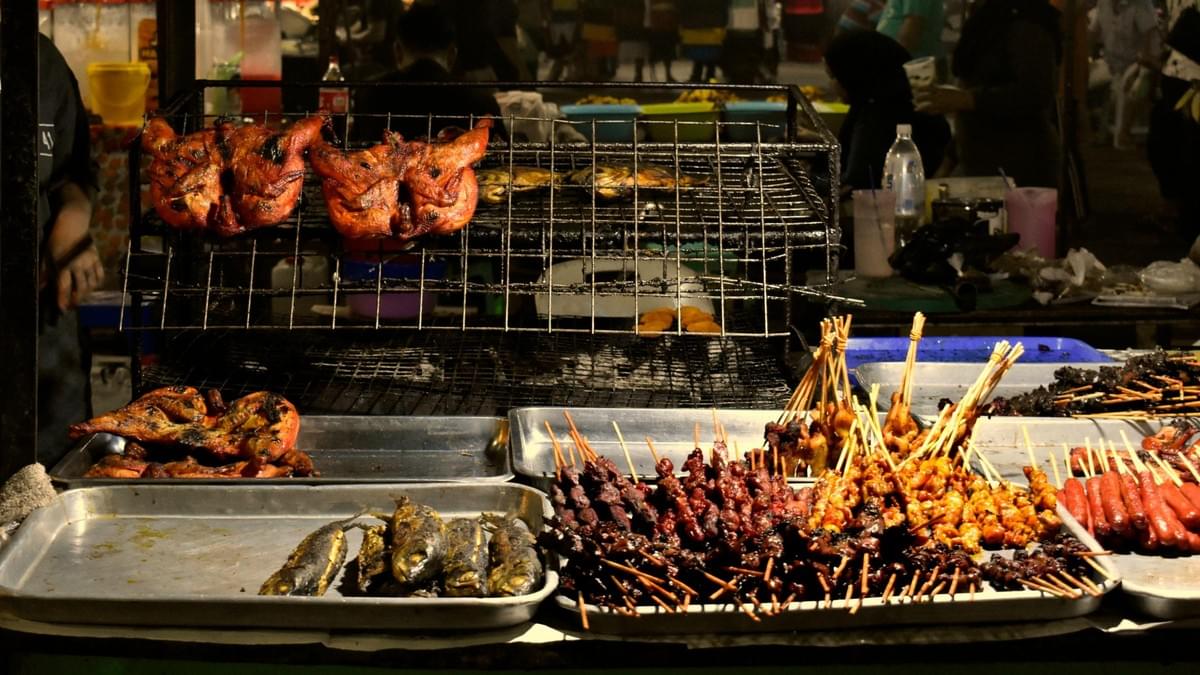
These hawkers roamed the streets, balancing bamboo poles with baskets of food or pushing heavy wooden carts. They set up shop along five-foot ways (covered walkways), street corners, and open fields. A simple call or the rhythmic striking of a bamboo block would announce their arrival. The menu was diverse and reflected Singapore’s multicultural heritage. You could find bowls of flat rice noodles like char kway teow and kway teow, satay grilling over charcoal fires on Satay Street, and icy treats to beat the tropical heat, all served right on the roadside.
The Challenges of Street Hawking
While romantic in hindsight, the reality of street hawking was gritty and problematic. Post-war population growth caused severe congestion, with carts and makeshift tables clogging city roads.
Hygiene was a major concern. Without running water or proper drainage, hawkers washed dishes in murky buckets and discarded food scraps onto streets, attracting pests and risking diseases like cholera and typhoid. The government recognized that although street food was essential for affordable food and dining, the chaotic conditions were unsustainable and hazardous to public health.
The Great Resettlement: Moving Indoors (1960s-1980s)
By the 1960s, independent Singapore began a massive urban transformation. A key part of this was the hawker resettlement program, which aimed to clear the streets of itinerant hawkers and move them into purpose-built, stationary food centers. This was the birth of the modern food center and hawker centers as we know them today.
The transition was gradual and involved registering thousands of hawker stalls and constructing new buildings equipped with proper amenities such as running water, electricity, drainage, and waste disposal systems. These open air food courts provided hawkers with a stable place to operate, protected from the tropical rain and sun. For the public, it meant they could enjoy their favorite dishes like Hainanese chicken rice, char kway teow, and roast duck in a cleaner, safer environment.
Early Food Centres
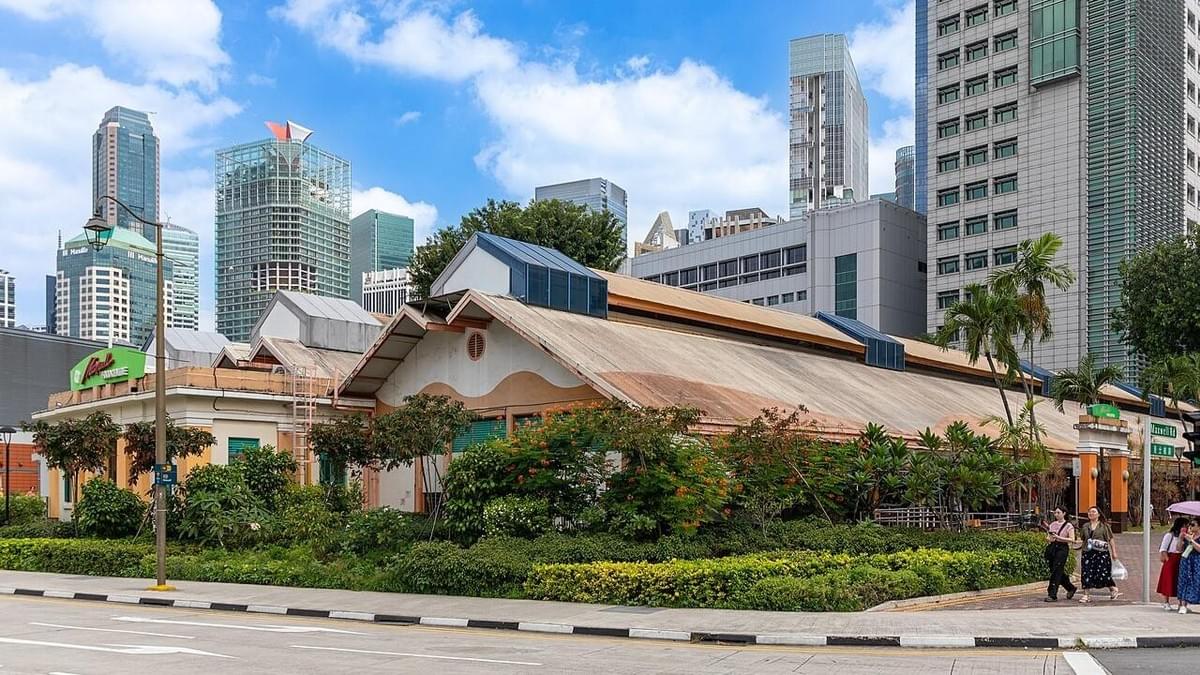
This move laid the foundation for iconic hawker centers such as Maxwell Food Centre and Lau Pa Sat, which later became cultural landmarks in Singapore's hawker culture. These centers also integrated wet markets and food stalls selling diverse cuisines, including Indian food and Malay dishes, reflecting Singapore's multicultural heritage.
By relocating hawkers to centralized food centers, Singapore preserved the rich culinary traditions and ensured affordable food remained accessible to all. This transformation also allowed hawker culture to flourish, eventually leading to global recognition and the UNESCO inscription of Singapore's hawker centers as an intangible cultural heritage.
Birth of the Modern Hawker Centers
The 1970s and 80s saw the rapid construction of many hawker centers across Singapore, often integrated into new public housing estates (HDBs) and wet markets. The design was functional and egalitarian, with standardized stalls and communal seating that encouraged strangers to share tables.
This era defined the Singapore hawker centre model, a centralized food center offering a wide variety of affordable food options, making it a one-stop destination for breakfast, lunch, and dinner. The government implemented strict hygiene grading systems, ensuring that food safety standards were met across many hawker stalls. While the romantic chaos of street vendors was replaced, it gave way to reliability and comfort.
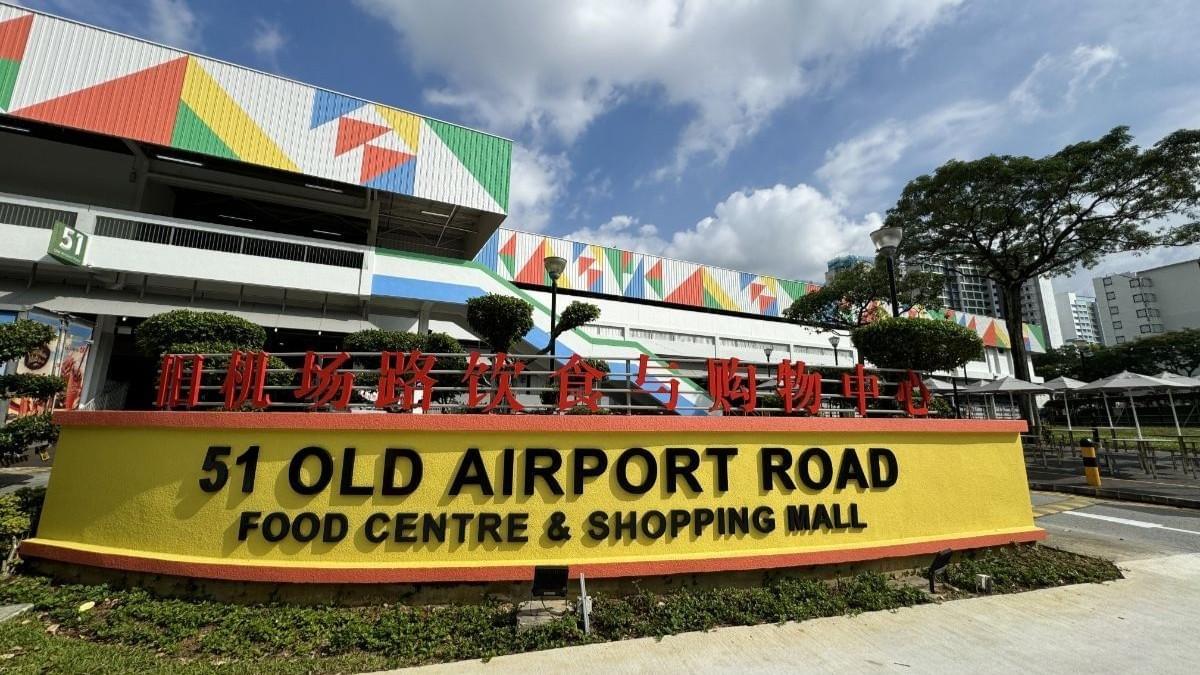
Iconic food centers such as Maxwell Food Centre, Tiong Bahru Food Centre, and Old Airport Road Food Centre emerged during this period, becoming beloved landmarks. These centers housed many stalls serving classic hawker food like Hainanese chicken rice, char kway teow, carrot cake (including the famous Heng carrot cake and black carrot cake) roast duck, and claypot rice from vendors like Ben Ji Claypot Rice.
This structure allowed hawker culture to thrive and scale, becoming an integral part of the Singaporean lifestyle and cementing the food center’s role as a vibrant social hub. It also helped preserve culinary heritage, from Tian Hainanese Chicken Rice, championed by Anthony Bourdain and Gordon Ramsay, to popular dishes like chilli crab and satay from Satay Street on Boon Tat Street.
The modern food center remains a place where office workers from the Central Business District mingle with locals over plates of roti prata, chicken curry, and fresh produce from the wet market. It is a testament to Singapore’s rich hawker market culture and the enduring appeal of great food adventures in a clean, safe environment.
Preserving Heritage in a Concrete Jungle
Critics initially feared that moving hawkers indoors would kill the spirit of the food center and authentic hawker culture, losing the cherished "kampong" atmosphere. However, the opposite occurred. The food center became a vibrant hub for culinary heritage and hawker food.
With stable, low rental costs, the government ensured hawker food remained affordable. This allowed many stalls to perfect their craft and preserve recipes passed down through generations. The smoky "wok hei" of char kway teow, rich laksa broth, and savory roast duck and chicken rice flavors survived the move indoors, proving heritage lives in the skills of the cook, not the street corner.
Iconic food centers like Maxwell Food Centre and Chinatown Complex became cultural landmarks where many stalls serve classic dishes such as Hainanese chicken rice, claypot rice, and carrot cake. The integration of wet markets and food stalls offering Indian food, Malay dishes, and Chinese specialties like sliced fish, Chinese sausage, and xiao long bao showcase Singapore's multicultural hawker culture. These centers attract office workers from the Central Business District and locals alike, making them essential social hubs.
The rise of hawker culture in these food centers helped Singapore preserve its culinary traditions while adapting to modern urban life. This transformation also paved the way for international recognition, including the prestigious Michelin Bib Gourmand award received by several hawker stalls. Today, food centers continue to evolve, blending traditional recipes with new influences, ensuring that vibrant hawker food culture thrives for generations to come.
A Cultural and Social Hub
Today, the food center is more than just a place to eat; it is the community's living room and a vibrant social hub where social barriers dissolve effortlessly. CEOs dine next to taxi drivers, retirees share tables with students, and everyone queues equally for iconic dishes like Hainanese chicken rice.
These centers anchor neighborhoods, where residents catch up over kopi or teh tarik. The multicultural fabric of Singapore shines here, with tables often holding Indian roti prata from Tekka Centre, Malay nasi lemak, and Chinese economic rice. The bustling atmosphere, with many stalls offering diverse hawker food, reflects the rich heritage preserved in these open air food courts.
Whether you visit the famous Maxwell Food Centre near Chinatown Station, the historic Tiong Bahru Market, or the lively Lau Pa Sat with its Satay Street on Boon Tat Street, you'll experience a melting pot of flavors. From char siew and roasted meat to flat rice noodles like char kway teow and hokkien mee, these food centers showcase the best of Singapore's culinary scene.
The food centers operate with many stalls opening during off peak hours, ensuring accessibility for all. Popular treats such as Maxwell Fuzhou oyster cake, dough fritters, and sweet red bean desserts are staples that draw locals and tourists alike. The vibrant hawker culture, recognized by UNESCO, continues to thrive as a place where everyone can enjoy affordable food and great company.
UNESCO Recognition: A World-Class Culture
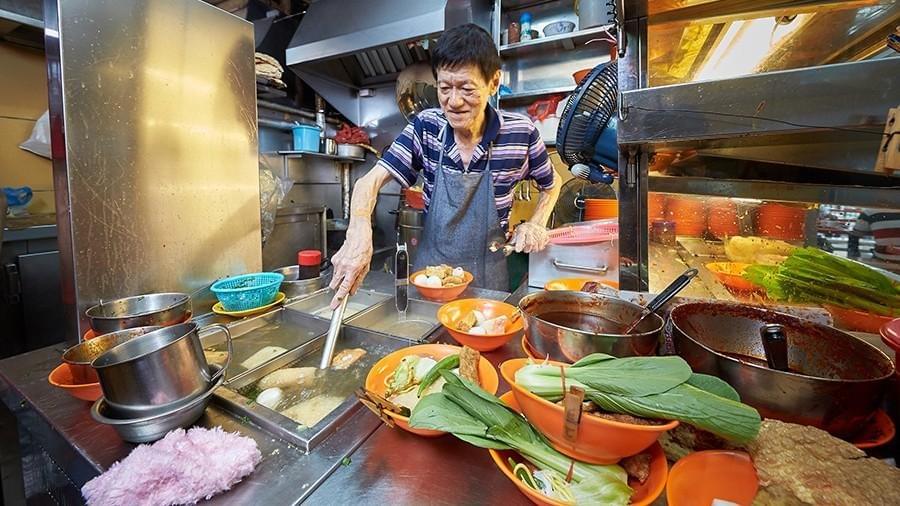
In December 2020, Singapore's hawker culture was honored by being inscribed on the UNESCO Representative List of the Intangible Cultural Heritage of Humanity. This recognition celebrated the mastery of hawkers, community dining practices, and the diverse food heritage central to Singapore’s identity. It transformed the perception of hawker food from simple "cheap eats" to a valued cultural asset, highlighting the importance of food centers and the hardworking people behind many stalls.
Modern Challenges and the Future
Despite the accolades, Singapore's hawker centre scene faces challenges. The pioneer generation of hawkers is aging, with many retiring without successors. Long hours, demanding work, and rising ingredient costs deter younger Singaporeans.
However, hope remains. Programs support new hawkerpreneurs who blend traditional recipes with modern business practices, keeping iconic dishes like Hainanese chicken rice and satay accessible and preserving Singapore's food center culture.
The challenge for the future is balancing the need to keep prices affordable while ensuring hawkers earn a dignified living. As you visit famous food centers like Maxwell Food Centre, Newton Food Centre (popularized by Crazy Rich Asians) and Lau Pa Sat with its vibrant Satay Street on Boon Tat Street, you support this evolving hawker culture. The continued success of many stalls and other stalls alike depends on this delicate balance, preserving Singapore’s culinary heritage for generations to come.
Beyond traditional hawker fare, modern culinary gems like Sushi Masa by Ki-setsu have also captured food lovers' hearts, with their nigiri being the most sought-after bite in Singapore.
A Legacy Served Daily
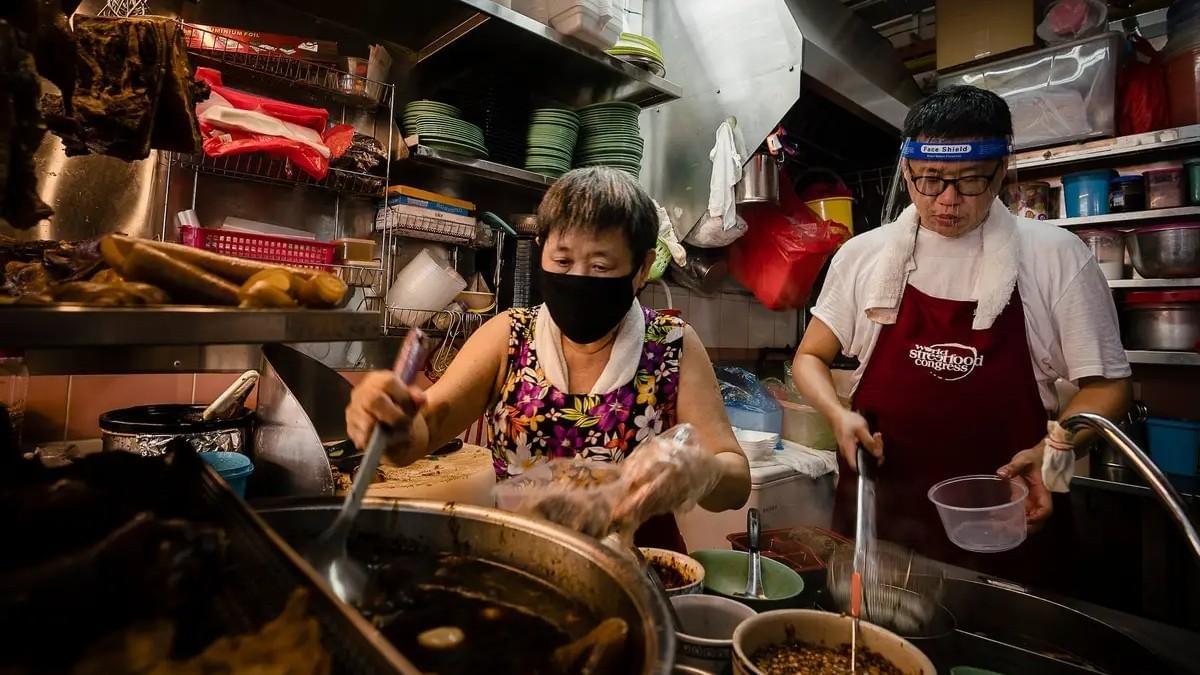
The evolution from a wooden pushcart on a dusty road to a bustling, hygienic food center is a uniquely Singaporean story. It reflects the nation's ability to embrace pragmatic modernization without losing its soul. We didn't just clean up the streets; we built a permanent home for our heritage in iconic food centers like Maxwell Food Centre and Newton Food Centre.
Every time you visit a food center, whether you are there to beat the heat with an ice kacang or start your day with a morning ritual of kaya toast, you are participating in this rich history. The food center remains a testament to resilience, diversity, and the simple, unifying joy of a good meal. From the smoky aroma of char kway teow and the crispy delight of chicken wings to the savory flavors of roast duck and the sweet satisfaction of Jian Bo Shui Kueh, these centers showcase the best of Singapore's hawker food.
Visiting Singapore's hawker centers offers more than just a meal; it is an immersion into a vibrant culture where many stalls operate during off peak hours, ensuring accessibility for all. Whether you're savoring the best satay on Satay Street at Lau Pa Sat or enjoying a plate of Hainanese chicken rice near Marina Bay Sands, every bite connects you to a legacy that is served fresh, hot, and delicious, every single day.
