

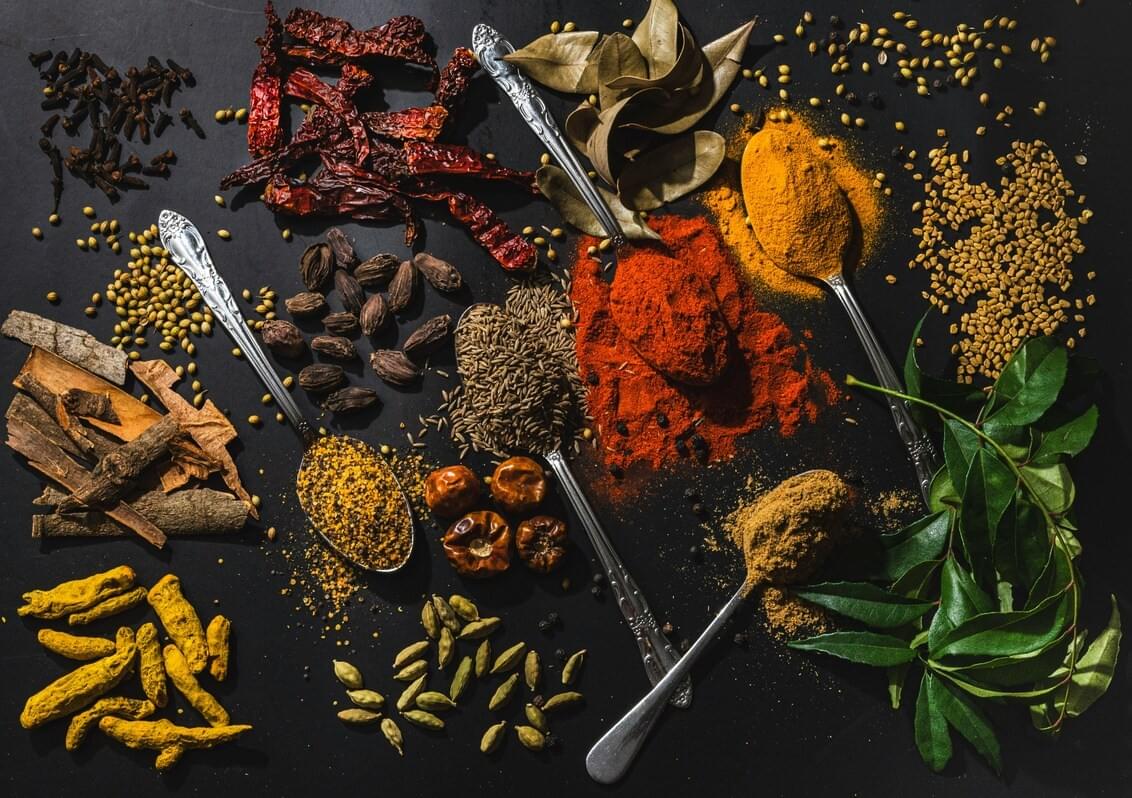
When you savor the complex flavors of a spicy curry or a rich, buttery cake in Singapore, you are tasting centuries of history. While Chinese, Malay, and Indian influences are widely celebrated, a lesser-known but profound impact comes from Portugal. Long before Singapore became the bustling metropolis it is today, Portuguese explorers and traders sailed the seas, forever changing the spice trade and leaving an indelible mark on the local cuisine in Singapore.
This culinary journey takes you back to the Age of Discovery, exploring how these European pioneers introduced ingredients like chili peppers and coconut milk, sparking a fusion that delights palates today. Portuguese influence is a fascinating chapter in Singapore's rich food heritage, adding another delicious layer to the local cuisine in Singapore.
From the introduction of chili sauce and vinegar-based marinades to the adoption of fragrant rice cooked with spices and the use of Portuguese bread and rice noodles, these elements have become staples in local dishes. Traditional Portuguese dishes adapted locally often feature Portuguese sausage, fried fish, and grilled chicken, reflecting a blend of European techniques and Southeast Asian flavors.
Today, the legacy of Portuguese cuisine can be tasted in Singapore’s vibrant food scene, from hawker centres serving char kway teow and carrot cake to portuguese restaurants offering dishes inspired by the Portuguese diet. This rich heritage is celebrated through food tours that highlight the fusion of flavors, showcasing how traditional Portuguese foods like pastel de nata custard tarts and caldo verde kale soup have been adapted with local ingredients such as egg noodles, fried tofu, and fried potatoes to create a truly unique culinary experience.
A New Era: The Portuguese Arrival in Southeast Asia
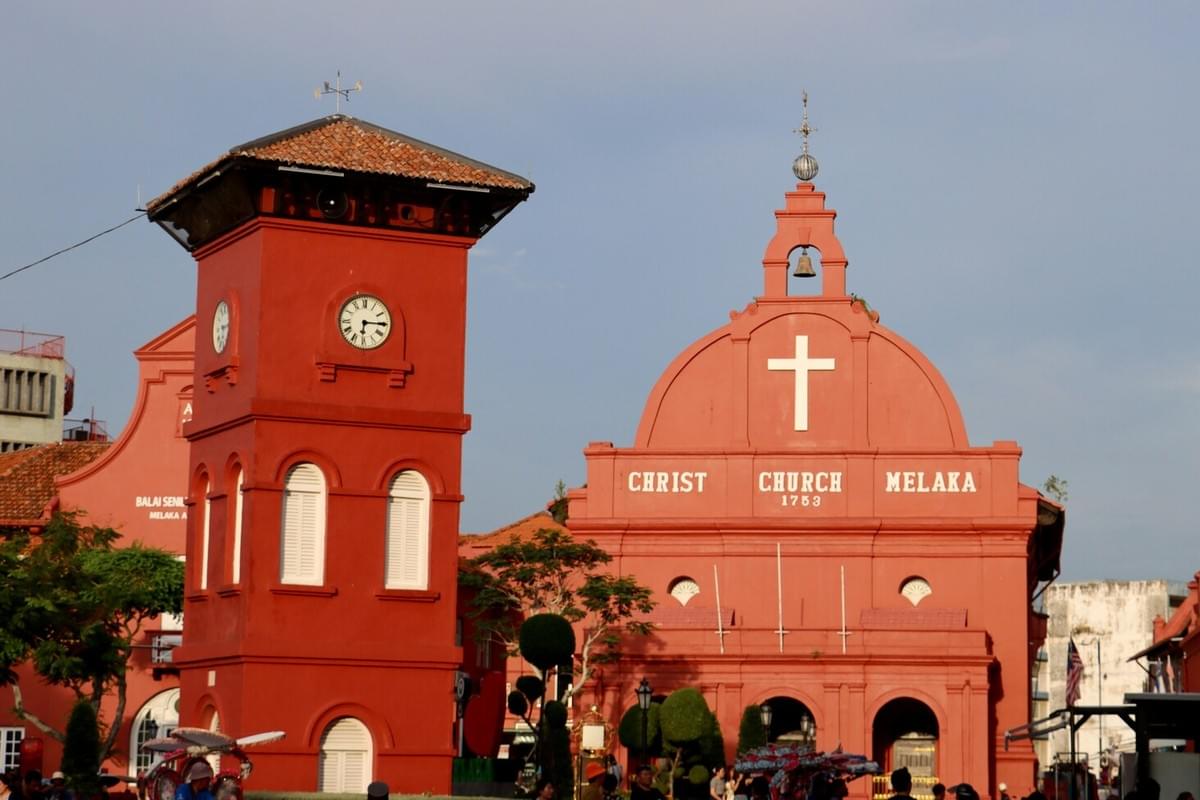
The story begins over 500 years ago when Portuguese explorers, aiming to control the spice trade, voyaged eastward. In 1511, Afonso de Albuquerque led a fleet to conquer Malacca, a key trading port on the Malay Peninsula, establishing a fortified post that controlled spice routes for over a century.
This European presence significantly influenced regional commerce and traditional Portuguese cuisine. The Portuguese introduced new ingredients from their colonies, such as chili peppers, pineapples, and cashews, which transformed local flavors and culinary traditions. This exchange laid the foundation for fusion cuisines blending traditional Portuguese dishes with local ingredients, shaping the local cuisine in Singapore.
Shaping the Spice Routes and Singapore's Palate
The Portuguese presence in Malacca reshaped the spice trade by disrupting existing networks and creating new sea routes connecting Asia and Europe. This increased spice accessibility and expanded their global culinary influence. Although Singapore was not a major Portuguese outpost, its strategic location meant it was affected by these trade and cultural shifts.
Portuguese traders introduced cooking methods like baking, stewing, and vinegar preservation. These techniques blended with local ingredients and styles, giving rise to unique culinary creations that became part of the typical Portuguese food legacy in the region.
This fusion is central to the evolution of local cuisine in Singapore. The introduction of chili peppers, a significant Portuguese contribution, brought the fiery kick of chili sauce now essential in Singaporean food. Other staples like coconut milk and rice noodles also influenced traditional Portuguese dishes adapted locally.
Portuguese cooking techniques using olive oil and vinegar enhanced local flavors. The use of fragrant rice cooked with spices, along with fried potatoes and fried tofu, reflects this blend. These elements shaped a unique local cuisine merging traditional Portuguese foods with Southeast Asian flavors.
Today, Portuguese cuisine’s legacy is evident in Singapore’s diverse food scene, from street food to portuguese restaurants. Food tours celebrate this heritage, showcasing traditional Portuguese dishes adapted with local ingredients like fried chicken, grilled sardines, and rice cakes for a truly unique culinary experience.
The Delicious Legacy of Portuguese Food
The most tangible evidence of Portuguese influence is found in Eurasian cuisine, a unique culinary tradition born from the intermarriage of European settlers and local Asian women. As explored in "Eurasian Cuisines in Singapore: The Forgotten Culinary Heritage," this community created a distinct style of Portuguese food adapted with local flavors. Many of these dishes remain beloved staples today.
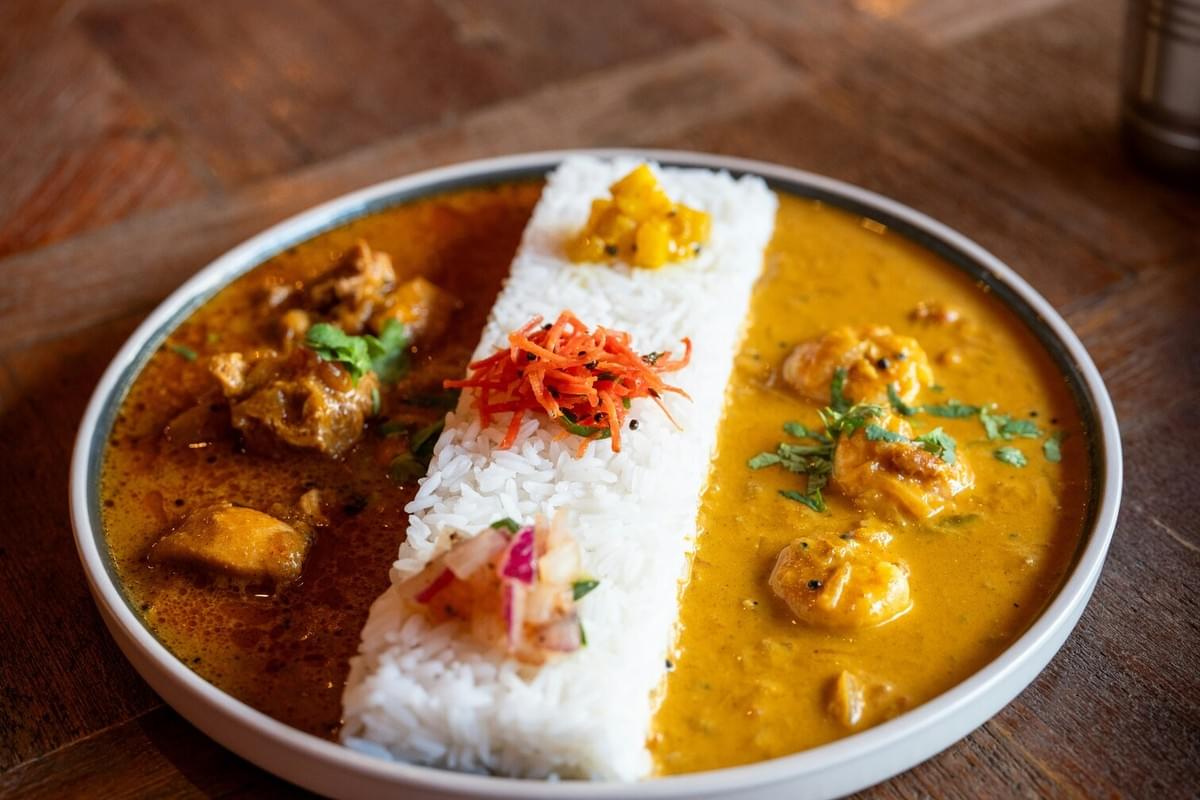
- Curry Devil (Debal Curry): A fiery, tangy curry from Eurasian cuisine, traditionally made with vinegar, mustard seeds, and chili sauce. It reflects the fusion of traditional Portuguese foods with local Southeast Asian ingredients.
- Beef Smore: A hearty beef stew slow-cooked in a style reminiscent of European stews introduced by Portuguese colonists. Served with flavorful rice or french fries, it blends traditional Portuguese cuisine with local tastes.
- Sugee Cake: A rich, buttery semolina cake enjoyed in the Eurasian community, blending European baking with flavors like butter, almonds, and lemon juice. Often paired with coffee in local coffee shops, showing Portuguese influence on local cuisine in Singapore.
- Vindaloo: Derived from the Portuguese carne de vinha d'alhos (meat in wine vinegar and garlic), this spicy curry from Goa spread regionally, exemplifying how traditional Portuguese dishes like salted cod and piri piri chicken influenced local flavors.
- Oyster Omelette: This popular hawker dish combines Chinese and Portuguese culinary traditions, featuring fresh oysters in a crispy egg batter with spicy sauce. It highlights Portuguese techniques fused with local ingredients like bean sprouts and fish cake, making it a beloved part of the local cuisine in Singapore.
- Salted Cod (Bacalhau): A staple in traditional Portuguese dishes, salted cod or bacalhau is prepared with olive oil, garlic, and herbs. It reflects the culinary legacy of Portuguese sailors and is enjoyed in various adaptations throughout the region.
- Chinese Sausage and Minced Pork: Often incorporated into fusion dishes blending Portuguese and local traditions, such as carrot cake and fried rice, highlighting Singapore’s diverse local cuisine.
- Basmati Rice and Glutinous Rice: Different types of rice, including basmati and glutinous, reflect the diverse culinary heritage influenced by Portuguese explorers who introduced new ingredients and cooking methods.
- Beef Rendang: Primarily a Malay dish, beef rendang’s rich, spiced flavors have been enhanced by Portuguese spices and techniques, showcasing cross-cultural fusion in Singapore.
- Vinho Verde: This Portuguese wine, known for its light, crisp taste, is enjoyed in Singapore’s Portuguese restaurants and food tours, symbolizing ongoing cultural and culinary ties.
- Fried Egg: Often served atop dishes like bitoque or nasi lemak, fried eggs add rich texture and are common in dishes influenced by Portuguese and local culinary traditions.
The influence of Portuguese food also extends to Peranakan food and hawker centres, which share ingredients and techniques. The use of chili and certain pickling methods in Nyonya cooking reflects this historical cross-pollination of culinary ideas. This blending of flavors is what makes the local cuisine in Singapore so dynamic and unique.
Finding Portuguese Flavors in Modern Singapore
While there are no purely "Portuguese" restaurants in the same way there are Italian or French ones, the legacy of Portuguese food is alive and well within Singapore's Eurasian community and local cuisine. To experience these unique flavors, you need to know where to look.
Restaurants specializing in Eurasian cuisine are the best places to start. Establishments like Quentin's the Eurasian Restaurant serve authentic dishes such as Curry Devil, Sugee Cake, and vindaloo, offering a direct taste of this rich heritage. These restaurants are custodians of a culinary tradition that has been traditionally cooked and passed down through generations, blending traditional Portuguese dishes with local ingredients like pork belly, chili sauce, coconut milk, and rice noodles.
You can also find hints of this Portuguese influence in food fairs and community events hosted by the Eurasian Association of Singapore. These gatherings offer a great chance to sample homemade dishes and connect with the community preserving these traditions. Exploring these flavors is essential for anyone interested in local cuisine in Singapore, featuring dishes with Portuguese smoked sausage, fried chicken, and fragrant rice cooked with spices.
Fusion and Local Dishes Inspired by Portuguese Cuisine

1. Grilled Sardines
- Grilled sardines are a popular Portuguese-inspired seafood dish found in Singapore, celebrated for their smoky flavor and simple seasoning. These small, oily fish are often cooked over charcoal, seasoned with olive oil and lemon juice, capturing the essence of traditional Portuguese coastal cooking while appealing to local tastes. They are typically served with crusty Portuguese bread or a Portuguese roll, making them an absolutely delicious street food favorite.
2. Carrot Cake
- Carrot cake in Singapore is a popular hawker dish influenced by Portuguese and local culinary traditions. Made from rice flour and daikon, it is stir fried with egg, garlic, and sometimes preserved radish. The use of pork lard adds rich flavor, making it an incredibly tasty snack often enjoyed with chili sauce on the side.
3. Grilled Chicken
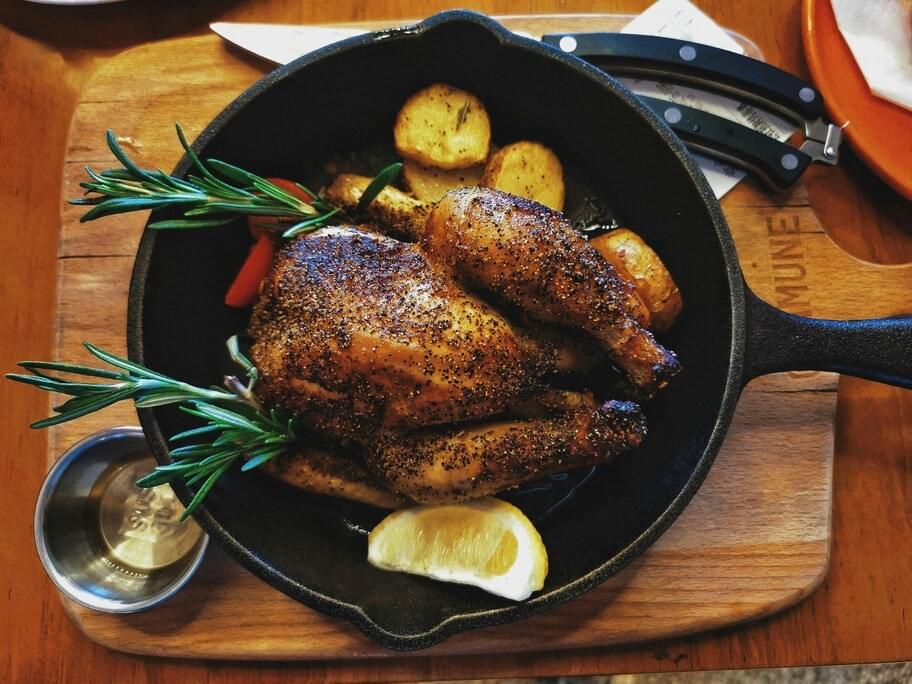
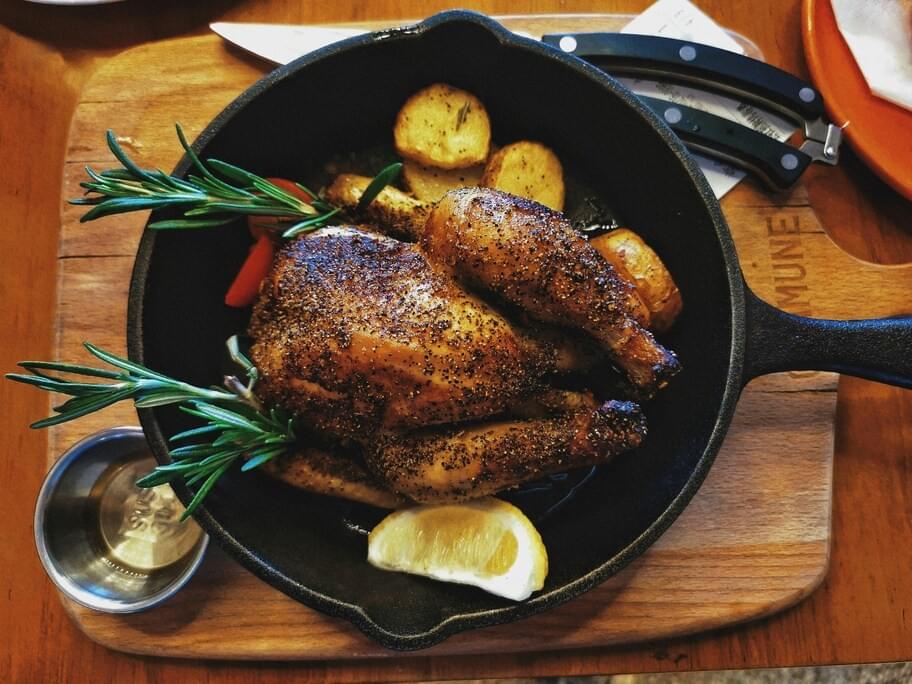
- Grilled chicken, often marinated with spices and herbs introduced by Portuguese explorers, is a staple in Singapore’s hawker centres and seafood restaurants. The marinade typically includes olive oil, vinegar, and piri piri chili, reflecting the Portuguese influence on this flavorful and tender dish. Served with a spicy sauce and accompanied by french fries or fragrant rice cooked with spices, it is a classic Portuguese dish adapted to local tastes.
4. Duck Rice
- Duck rice is a hearty dish blending Portuguese techniques with local flavors. Tender duck meat is served with fragrant rice cooked in rich broth, accompanied by savory sauces like soy and dark soy sauce. This fusion of European and Southeast Asian tastes is common in hawker centres and Portuguese restaurants.
5. Kale Soup (Caldo Verde)
- Caldo verde, or kale soup, is a traditional Portuguese dish that has been embraced and adapted in Singapore. Made with potatoes, kale, Portuguese smoked sausage, and pork bones, this soup reflects the melding of Portuguese culinary heritage with local ingredients and tastes. It is typically served with crusty bread or rice cakes and is a hearty dish enjoyed in local cuisine.
6. Chicken Rice
- Chicken rice is a quintessential Singaporean dish with subtle Portuguese influences, especially in the fragrant rice cooked with garlic, pandan leaves, and spices. Typically served with poached or roasted chicken, chili sauce, and dark soy sauce, it remains a city favorite. Hawker centres like Maxwell Food Centre showcase this enduring legacy of Portuguese culinary impact.
Discovering these culinary gems not only enriches your palate but also connects you to the fascinating history of Portuguese sailors and their impact on the local cuisine in Singapore.
A Lasting Contribution to Singapore's Food Heritage
The Portuguese presence in Southeast Asia was brief but impactful, profoundly shaping the local cuisine in Singapore. They transformed the spice trade and introduced new ingredients and cooking techniques, creating a lasting East-West culinary fusion. Next time you savor spicy curry or sugee cake, remember you're tasting Singapore's rich multicultural history. Explore Eurasian dishes to experience this vibrant heritage firsthand.
