

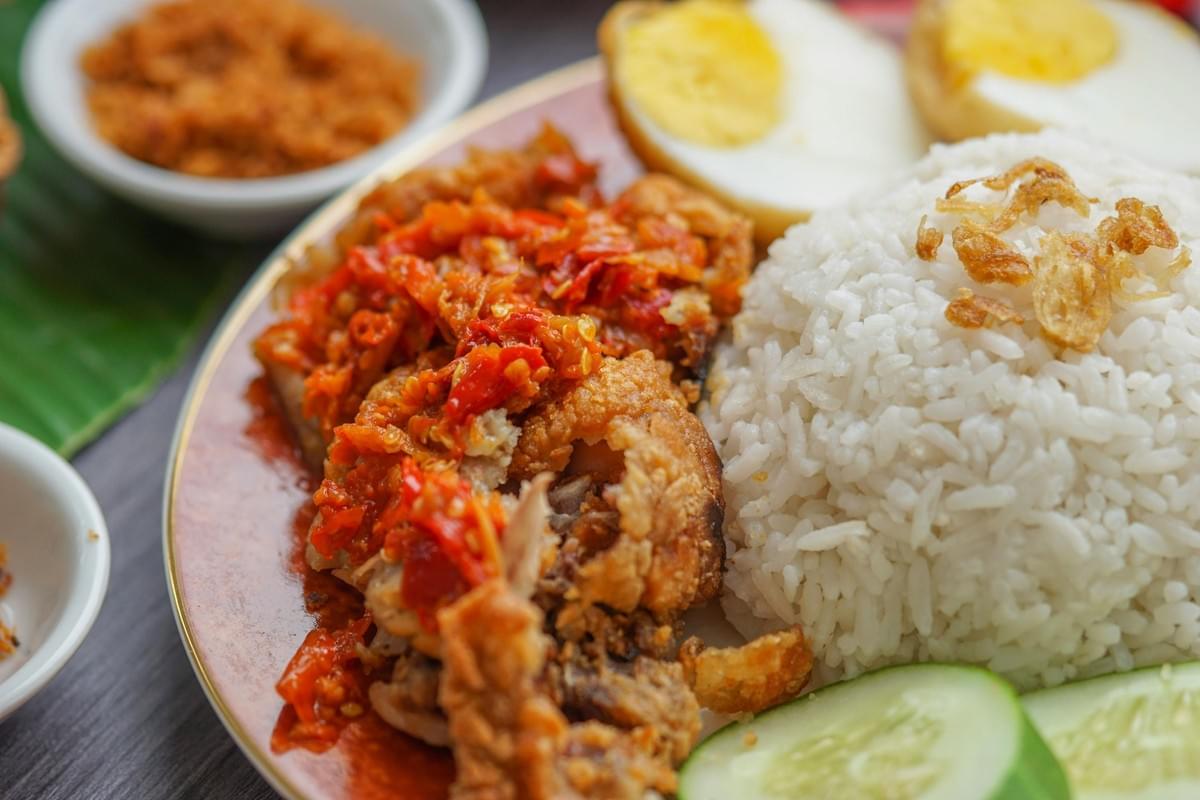
Mention the words "Hainanese food" in Singapore, and one dish immediately comes to mind: fragrant, succulent chicken rice. It is, without a doubt, a national icon and a titan of Singapore local food. But to limit the culinary contribution of the Hainanese people to this single dish would be to miss out on a rich and diverse story of innovation, adaptation, and flavor. The Hainanese influence on Singapore’s palate is far broader and more nuanced than many realize.
This journey goes beyond the beloved plate of chicken and fragrant rice. We will explore the historical context that shaped their unique culinary style, uncover a treasure trove of other delicious Hainanese dishes, and celebrate the lasting legacy of the Singapore Hainanese community. Get ready to discover a side of Singaporean food history that is as inventive as it is delicious.
Boiling Chicken Stock: A History Forged in Kitchens
The Hainanese were among the last Chinese dialect groups to migrate to Singapore in the late 19th and early 20th centuries. Originating from Hainan island, they found many established trades taken, leading them to work in British colonial kitchens, military bases, hotels, and restaurants.
This role gave them insight into Western culinary techniques like baking, roasting, and stewing, as well as sauce and soup making, including rich, clear chicken broth and aromatic rice dishes. They adapted these methods by blending ginger garlic mixtures, sesame oil, and light soy sauce with Western styles, creating a unique fusion that defines much of Singapore local food today.
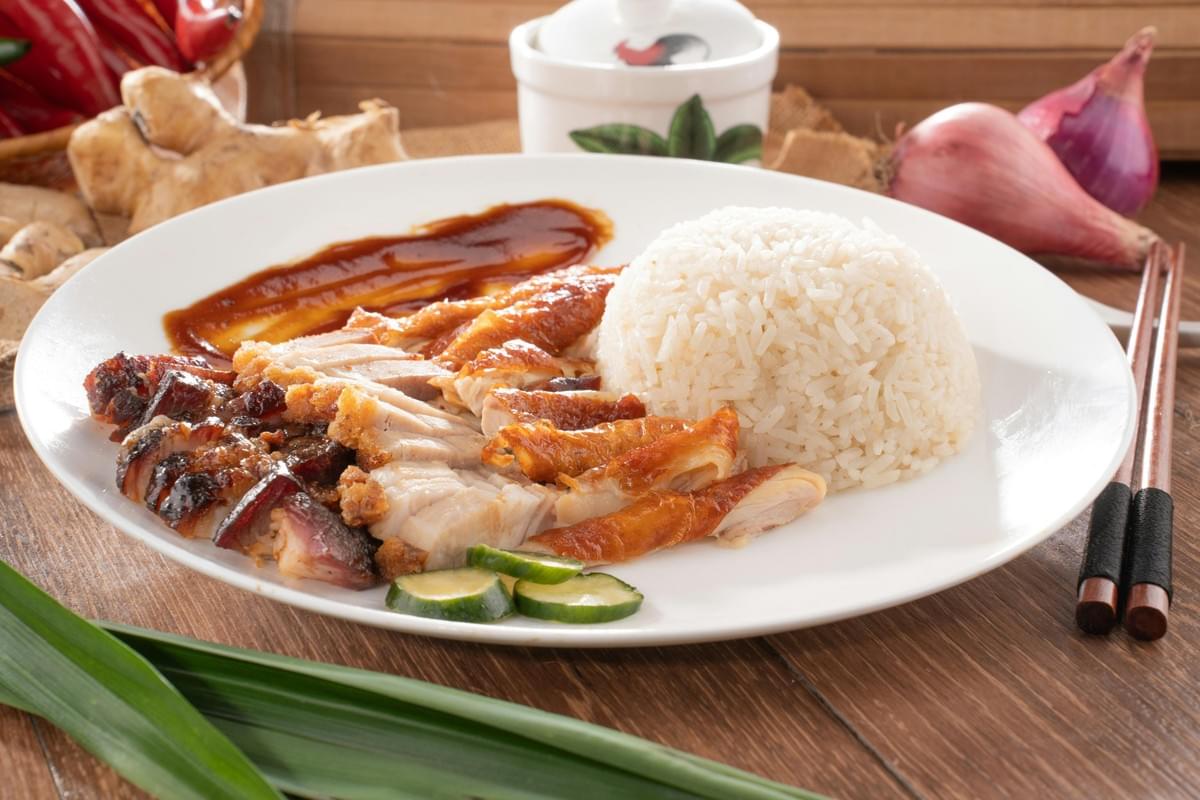
Their expertise extended to preparing perfectly cooked whole chicken and steamed chicken with tender chicken breast and gelatinous chicken skin, often served with fragrant rice cooked in chicken stock and chicken fat. They also innovated in cooking rice using rice cookers, enhancing the rice's aroma with pandan leaves and spring onions. The Hainanese skillfully combined minced garlic and ginger mixture in small frying pans to produce signature sauces, including chili sauce and dark soy sauce, that accompany dishes like hainan chicken rice.
This culinary ingenuity not only elevated Singapore local food but also introduced new cooking techniques and ingredients, such as peanut oil and the use of poultry hooks for hanging chicken to dry after an ice bath. Their influence is evident in many beloved national dishes and popular street food found at hawker centres and food courts, including chopped chicken served with aromatic rice and accompanied by sliced cucumber. The Hainanese legacy continues to shape the rich, diverse flavors of Singapore local food today.
More Than Just Hainanese Chicken Rice: A Feast of Hainanese Dishes
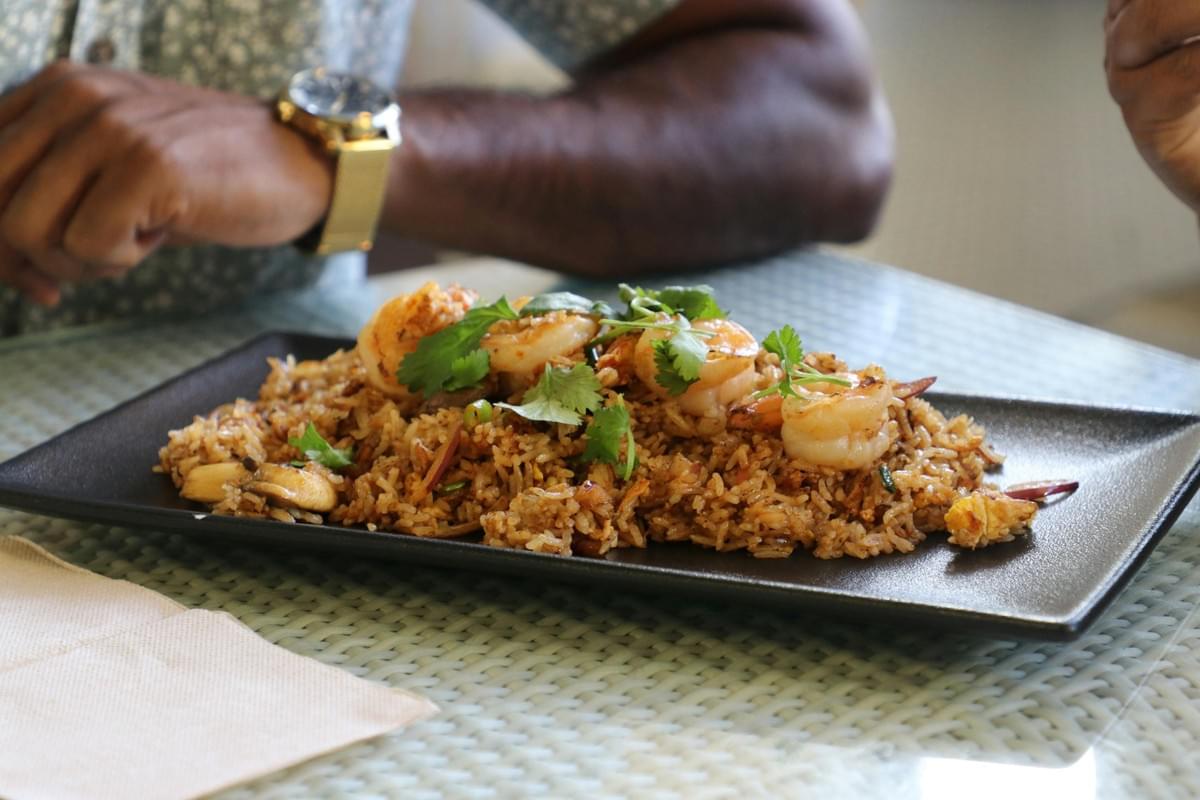
While Hainanese chicken rice is the undisputed star, the supporting cast of Hainanese dishes is equally impressive. These creations showcase the community's culinary creativity and their ability to turn simple ingredients into extraordinary meals.
Hainanese Pork Chop
A perfect example of East-West fusion, the Hainanese pork chop is a nostalgic comfort food for many Singaporeans. The pork loin is marinated, coated in crushed biscuit crumbs for an extra crispy texture, and deep-fried in vegetable oil. It is then drenched in a tangy tomato-based gravy, often with onions and green peas, and served with fries. This dish reflects the Hainanese skill in adapting Western cooking processes and sauces to local tastes, making it a popular street food at hawker stalls.
Hainanese Curry Rice
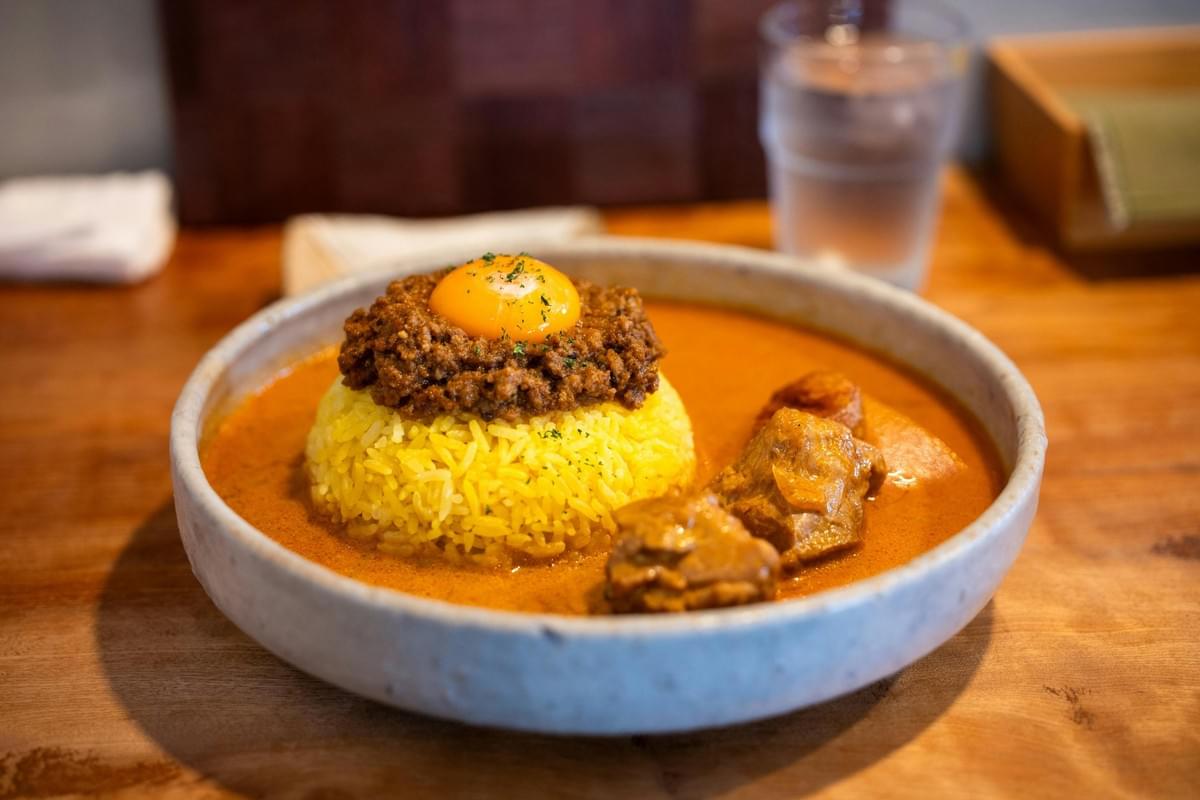
Visually messy but incredibly delicious, Hainanese curry rice features steamed rice topped with a mild, aromatic curry gravy made with coconut milk and spices. The fragrant rice cooked with chicken fat and chicken broth absorbs the rich flavors beautifully. It is then topped with a variety of ingredients such as crispy fried chicken, braised cabbage (chap chye), and a fried egg. This dish exemplifies the Hainanese mastery of combining Chinese cuisine elements with Southeast Asia influences.
Hainanese Kaya Toast and Coffee Culture
The traditional Singaporean breakfast of kaya toast, soft boiled eggs, and kopi (coffee) was perfected by the Hainanese. They established many of the iconic kopitiams (coffee shops) that still exist today. Their method of toasting bread over a charcoal fire, slathering it with coconut jam (kaya) and a slab of cold butter, and brewing robust coffee using a food processor to grind the beans is a cherished morning ritual. The use of sesame oil in some recipes adds a unique aroma to this breakfast staple.
Hainanese Oxtail Stew
Another dish born from colonial kitchens, Hainanese oxtail stew is a rich and hearty dish. Oxtail is slow-braised for hours in a savory, tomato-based chicken stock broth with carrots, potatoes, and spices until the meat is fall-off-the-bone tender. It is a comforting and soulful stew, often enjoyed with a side of crusty bread to soak up the delicious chicken soup and gravy.
These dishes, alongside the iconic Hainanese chicken rice recipe featuring poached chicken served with fragrant jasmine rice cooked in chicken stock and chicken fat, light soy sauce, and accompanied by chili sauce and dark soy sauce, highlight the Hainanese legacy in Singapore local food. Whether enjoyed at hawker centres or food courts like Maxwell Food Centre, these dishes represent the rich culinary heritage and innovation of the Hainanese community in Southeast Asia.
The Art of Hainanese Innovation: Where East Meets West
The true genius of the Singapore Hainanese culinary style lies in its innovative fusion. Their unique position allowed them to act as a bridge between Eastern and Western culinary worlds. They took the techniques they learned, like baking and stewing, and applied them to local ingredients and flavor profiles.
This fusion was not just about adding soy sauce to a Western dish. It was a thoughtful and creative process. They understood the principles of both cuisines and found clever ways to merge them. For instance, the use of cream crackers or soda biscuits as a coating for fried pork chops was a resourceful adaptation when breadcrumbs were not readily available. This created a uniquely crispy texture that has become a signature of the dish.
This spirit of innovation had a lasting impact on Singapore’s hawker culture. The Hainanese were pioneers in creating accessible, affordable versions of Western-style food. Their "Western food" stalls in hawker centres, selling everything from chicken cutlets to fish and chips, introduced a new genre of Singapore local food that remains popular today.
A Lasting Cultural Legacy
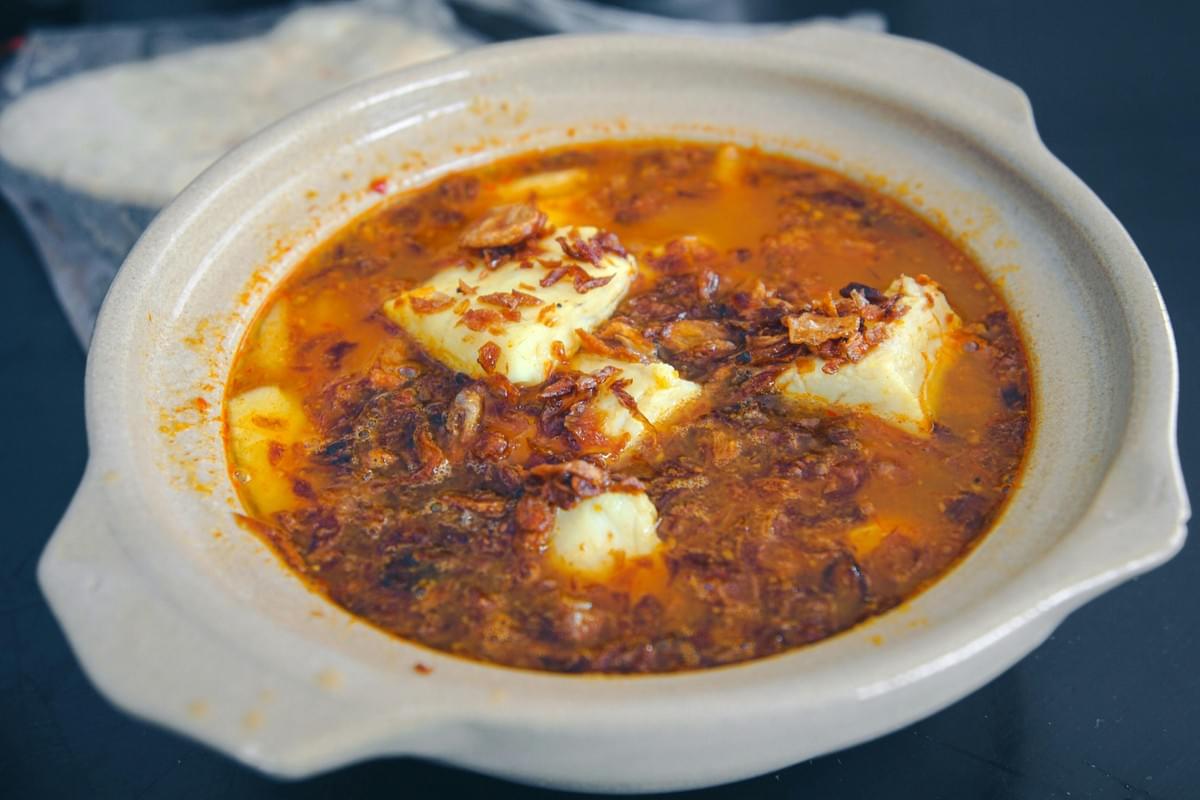
The Hainanese community’s role in shaping Singapore's food identity cannot be overstated. They did not just cook food; they established entire culinary institutions. Many of Singapore’s oldest and most famous food establishments were founded by Hainanese immigrants, from legendary kopitiams to restaurants that have been serving classic dishes for generations. These places are living museums, preserving culinary traditions and telling the story of a community's journey.
Today, younger generations of Hainanese chefs and entrepreneurs are keeping this legacy alive. Some are meticulously preserving their family recipes, while others are innovating, putting a modern spin on classic dishes. Their efforts ensure that the Hainanese culinary heritage continues to evolve and remain relevant in Singapore’s dynamic food scene. This dedication is a vital part of protecting the diversity of Singapore local food, including beloved dishes like hainanese chicken rice served with chilli sauce, fragrant rice cooked with chicken fat, and accompanied by dark soy sauce. The use of traditional techniques such as poached chicken at room temperature and cooking rice in a rice cooker with chicken stock exemplify their culinary mastery.
Moreover, these establishments often feature other Singapore local food favorites such as char kway teow, a popular stir fried noodle dish made with flat rice noodles, egg noodles, bean sprouts, and Chinese sausage. The vibrant hawker centres and food courts where these dishes are served remain the best hawker stalls to experience authentic flavors. The Hainanese influence also extends to desserts like shaved ice, often served with tropical toppings, showcasing the community’s versatility.
Their commitment to quality and tradition is evident in every small saucepan used for preparing sauces and the careful preparation of ingredients, such as roughly chopping spring onions and lime juice to enhance flavors. This blend of heritage and innovation keeps the Hainanese culinary tradition at the heart of Singapore local food culture.
A Heritage Worth Savoring
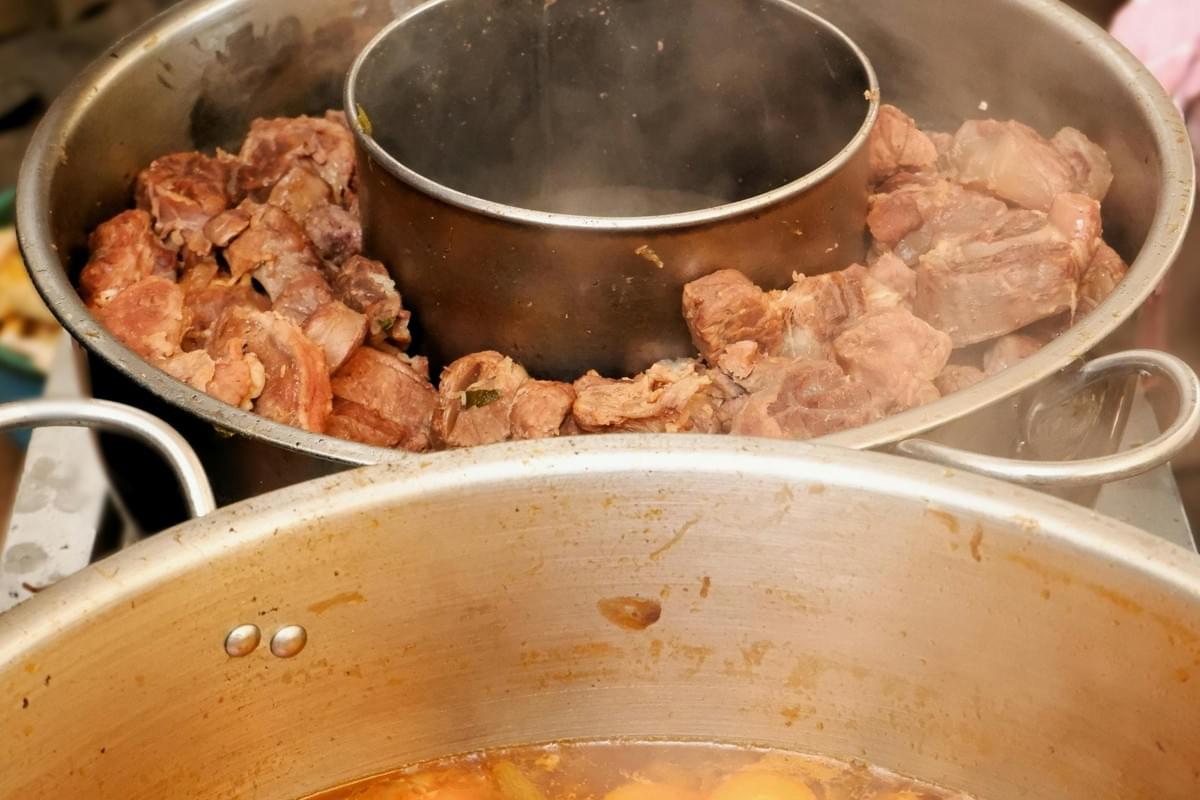
The Hainanese contribution to Singaporean cuisine is a rich and flavorful story that extends far beyond a single, albeit famous, dish. From hearty stews and crispy pork chops to the comforting ritual of breakfast at a kopitiam, their influence is woven deeply into the nation's culinary DNA. Their legacy is a testament to the power of adaptation, creativity, and the delicious things that happen when cultures connect.
The next time you eat Hainanese chicken rice, remember that this beloved dish is just one part of the broader Singapore local food landscape shaped by the Hainanese. Alongside the iconic hainanese chicken rice recipe featuring poached chicken served with fragrant rice cooked in chicken stock and chicken fat, be sure to try other specialties like Hainanese curry rice made with coconut milk and basmati rice, or a delicious bowl of oxtail stew rich with chicken broth and spices.
Exploring Singapore local food means savoring a variety of dishes that showcase the Hainanese mastery of blending East and West. Whether enjoying rice cakes at a hawker centre or dipping into chili crab with its rich, tangy sauce, each dish tells a story of heritage and innovation. So, venture beyond the chicken's cavity and discover the full spectrum of flavors that the Hainanese have contributed to Singapore’s vibrant food scene today.
