

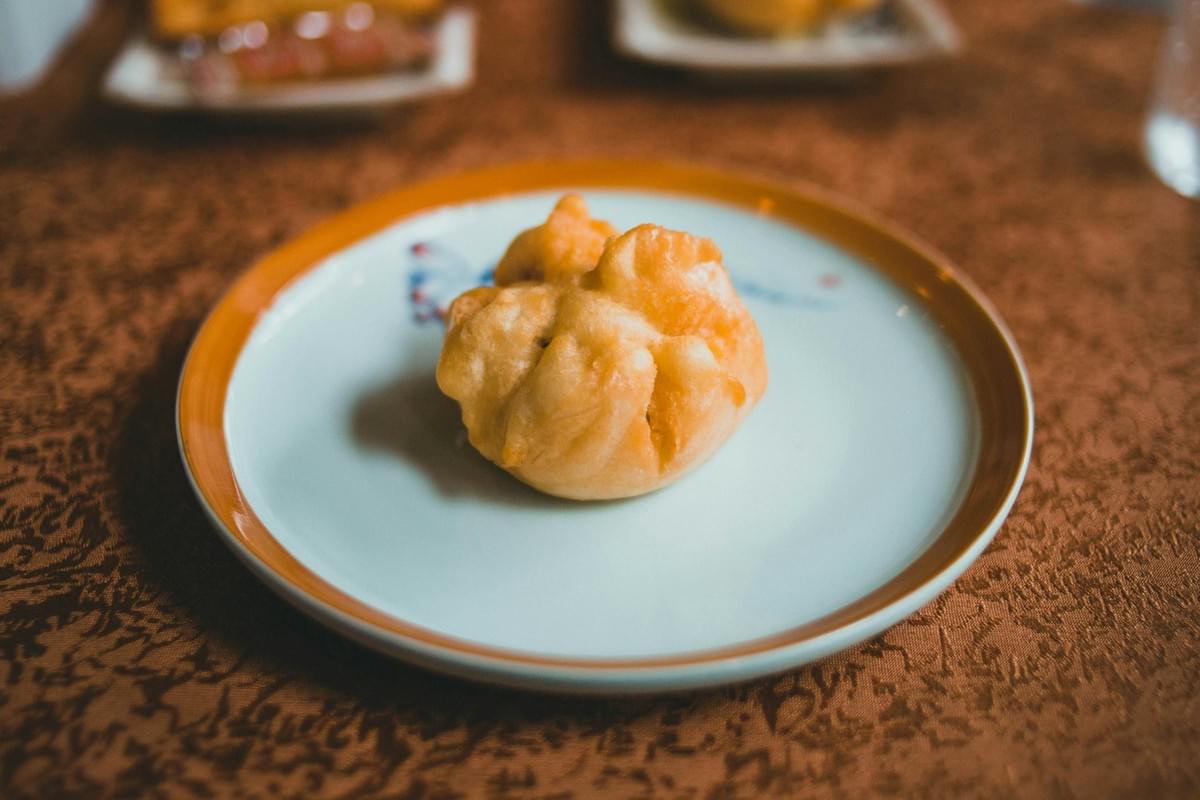
There is always that one piece.
At our family table, it might be the last crisp-edged piece of ngoh hiang, still carrying a little sheen of oil. Or the final prawn in a claypot, sitting stubbornly beneath a tangle of spring onions. Everyone has seen it. Everyone knows it is there.
And suddenly, nobody is hungry.
“Take lah.”
“No, no, you eat.”
“I’m full already.”
This can continue for an unreasonable amount of time.
I have watched the same small performance unfold at zi char tables, hawker centres, and family dinners across Singapore. Chopsticks move quickly at first. Rice disappears. Soup gets passed around. Someone reaches across for chilli. Someone else turns the plate so the good bits face an older relative.
Then we arrive at the last piece, and the rhythm changes.
It becomes the paiseh piece.
Paiseh carries embarrassment, shyness, and a reluctance to impose, but around food, I think it becomes something gentler. Taking the final piece means admitting you want it. Leaving it means giving somebody else the chance.
That tiny hesitation tells me almost as much about Singapore food culture as the dish itself.
Growing up around family cooking taught me that eating together has its own quiet rules. The nicest piece of fish might be nudged towards a grandparent. A child gets asked whether she wants another chicken wing before the adults reach for it. Someone divides the remaining tofu into two smaller pieces, solving the problem through mathematics.
Nobody announces these rules. We simply learn them by watching.
Perhaps that is why I notice the choreography whenever I eat with other people. A serving spoon hovering for half a second. Someone pretending not to see the last dumpling. The person who finally takes it only after asking the table twice.
Singapore keeps changing around these tables. Recipes travel between generations. Hawker stalls disappear and new kitchens take their place. Techniques cross cultures, flavours shift, and what feels traditional today may once have been somebody’s adaptation.
Yet some habits survive without ever appearing on a menu.
The paiseh piece is one of them.
I used to think leaving the last piece was simply politeness. Now I think it is also a tiny negotiation between appetite and consideration. We want, we hesitate, we offer, we insist.
And eventually someone says, “Okay lah, I eat.”
The plate is cleared.
Everyone looks relieved.
💌 With curious taste buds,
Maia Tan
