

In Singapore, a wedding is more than just a union of two people; it is a community celebration. Nowhere is this clearer than at a traditional Malay wedding, where food takes center stage. The wedding feast, or kenduri, showcases hospitality, generosity, and culinary artistry, offering a delicious glimpse into local cuisine in Singapore. This vibrant spread is about more than feeding guests. It shares blessings, strengthens bonds, and honors traditions passed down through generations.
This article explores the cultural significance of the Malay wedding feast, highlights iconic dishes, and delves into the flavor traditions that make Malay cuisine so beloved. Prepare for a flavorful journey celebrating love, community, and the enduring power of food.
Cultural Significance of Malay Food in Wedding Feasts
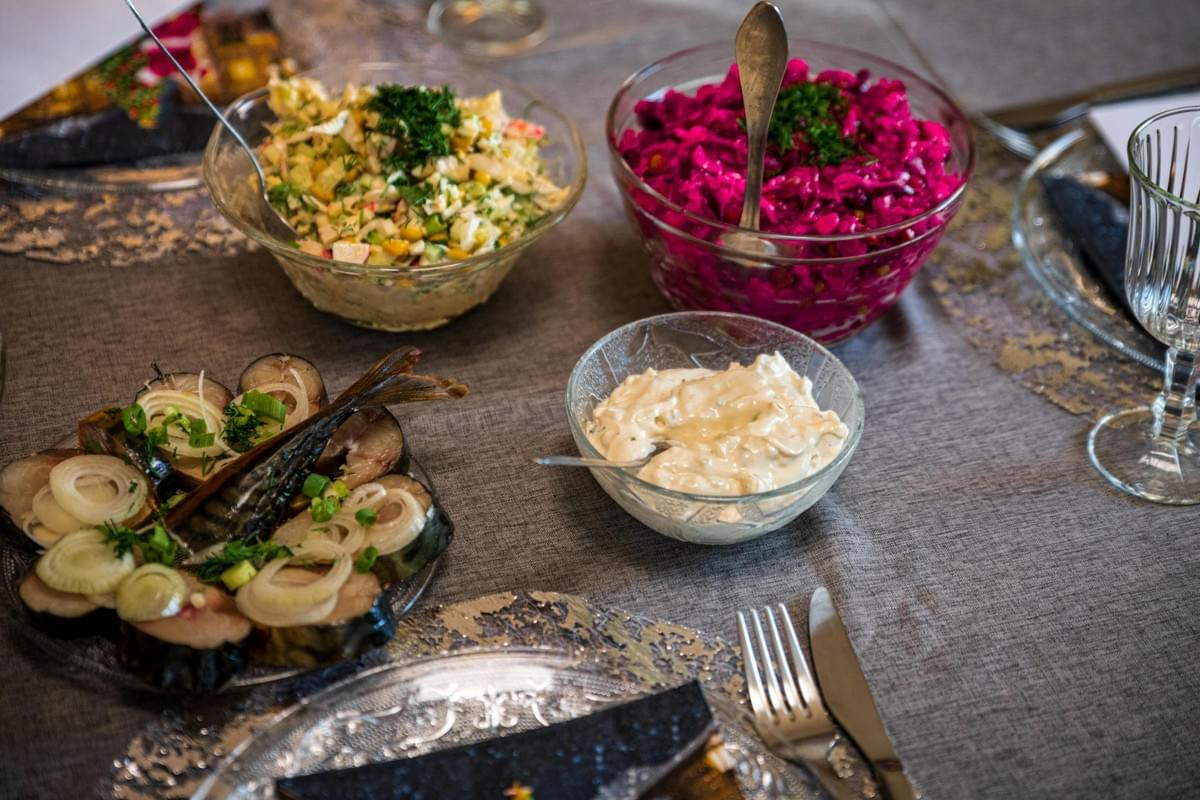
At a Malay wedding, the feast is a profound expression of key cultural values. The concept of gotong-royong, or communal spirit, is central to the celebration. Traditionally, entire villages would come together at the local food centre to prepare a magnificent spread of authentic Malay cuisine. This collective effort symbolized community support for the new couple and highlighted the essence of Malay cooking.
Today, while caterers often handle the preparations, the spirit of hospitality remains. Providing an abundance of food signifies the family's generosity and joy. The feast is open to all, sometimes hosting hundreds or thousands of guests. This inclusive nature reflects Malay culture, with food serving as a universal language that connects people and strengthens community bonds.
The wedding spread typically features a melting pot of Malay dishes, including classic dishes like beef rendang, ayam masak merah (red-cooked chicken), and nasi briyani or nasi minyak (fragrant rice cooked with rich coconut milk and spices). Complementing these are popular dishes such as satay with spicy sauce, ketupat (compressed steamed rice cakes wrapped in banana leaves), and an assortment of kuih-muih made from rice flour and coconut cream. The inclusion of these dishes showcases the rich coconut milk and prawn paste flavors characteristic of Malay cuisine, alongside vibrant vegetable salad and condiments like sambal goreng and chili sauce.
This feast is not just about the food but also about the experience of sharing traditional flavors such as the sweetness of palm sugar, the umami of shrimp paste, and the tang of lime juice. It often includes well-known staples like chicken curry, fried tofu, and fish cake, served alongside rice noodles or yellow egg noodles, sometimes stir fried with dark soy sauce and Chinese sausage for added depth. The presence of side dishes like bean sprouts, fried anchovies (ikan bilis), and fish balls further enriches the spread.
Drinks such as teh tarik, a frothy milk tea made with condensed milk, are commonly served to complement the meal. The entire feast, often held in bustling hawker stalls or food centres, embodies the essence of local cuisine in Singapore, blending tradition and community spirit in every bite.
Iconic Malay Dishes at Wedding Feasts
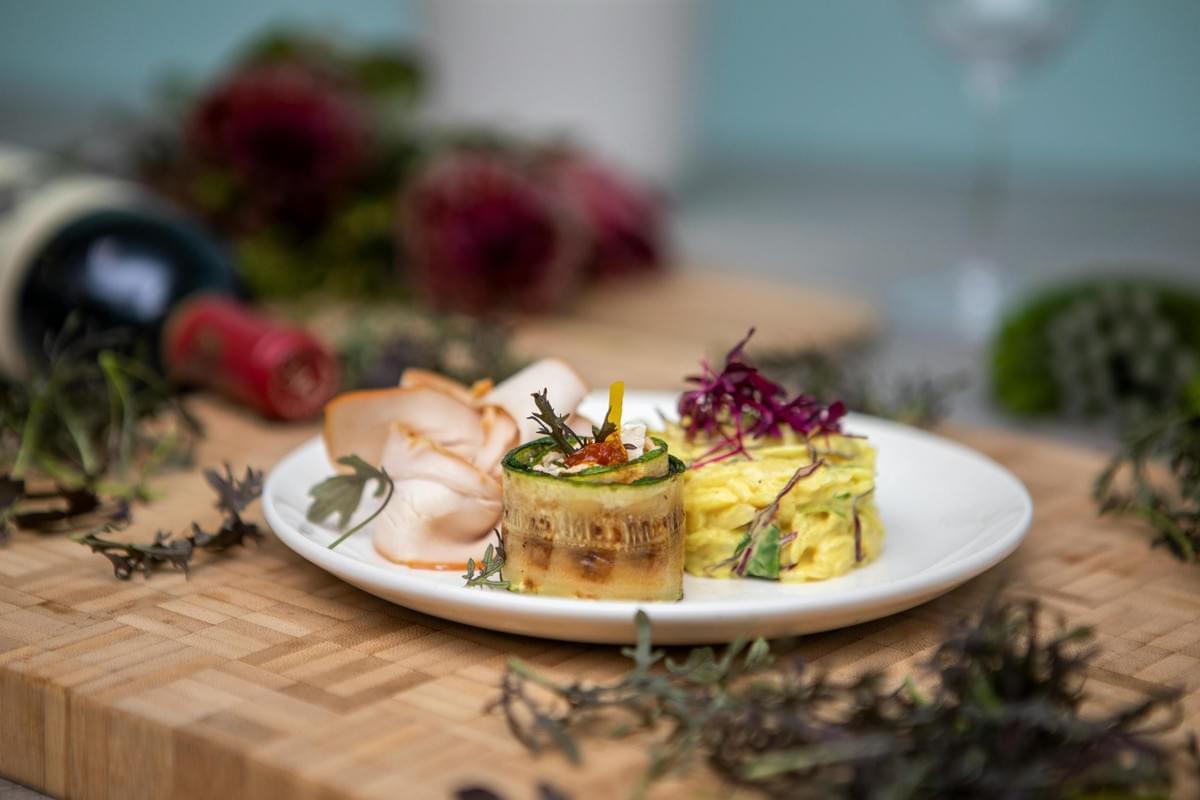
The centerpiece of any Malay wedding is the spectacular array of dishes. This is where you will find some of the most authentic and beloved examples of Malay food Singapore has to offer. Here are a few of the must-have dishes that define the feast.
Nasi Briyani or Nasi Minyak
The star of the show is almost always the rice. Nasi Briyani, a fragrant basmati rice dish cooked with a rich blend of spices, meat (usually mutton or chicken), and yogurt, is a crowd favorite. Another popular choice is Nasi Minyak, or "oiled rice," which gets its name from the use of ghee. This fluffy, aromatic rice is cooked with spices like star anise, cinnamon, and cloves, giving it a subtle yet delicious flavor.
Beef Rendang
No Malay feast is complete without Beef Rendang. This iconic dish involves slow-cooking chunks of beef in a mixture of coconut milk and a complex spice paste until the liquid evaporates and the meat is incredibly tender. The result is a rich, dry curry with layers of flavor that are both spicy and aromatic. It is a true labor of love and a highlight of any spread of Malay food.
Ayam Masak Merah
Meaning "red-cooked chicken," Ayam Masak Merah is another wedding staple. Pieces of chicken are fried until golden and then simmered in a spicy and slightly sweet tomato-based sauce. The vibrant red color and bold flavors make it a visually appealing and delicious complement to the fragrant rice.
Kuih-Muih
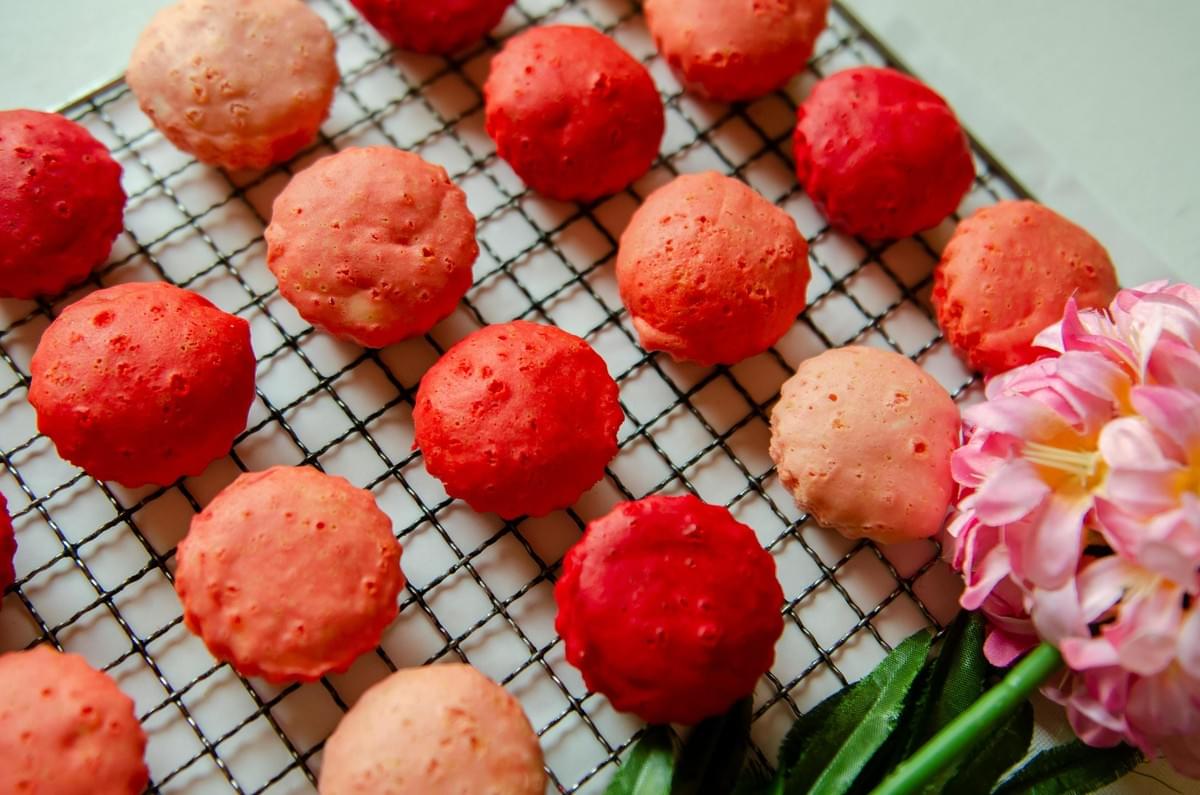
A colorful assortment of traditional Malay cakes, known as kuih-muih, provides a sweet end to the meal. These bite-sized treats are often made with glutinous rice, coconut milk, pandan, and palm sugar (gula melaka). Popular varieties include the layered kuih lapis, the chewy ondeh-ondeh, and the savory kuih cara berlauk.
Flavor Profiles and Cooking Techniques in Malay Cuisine
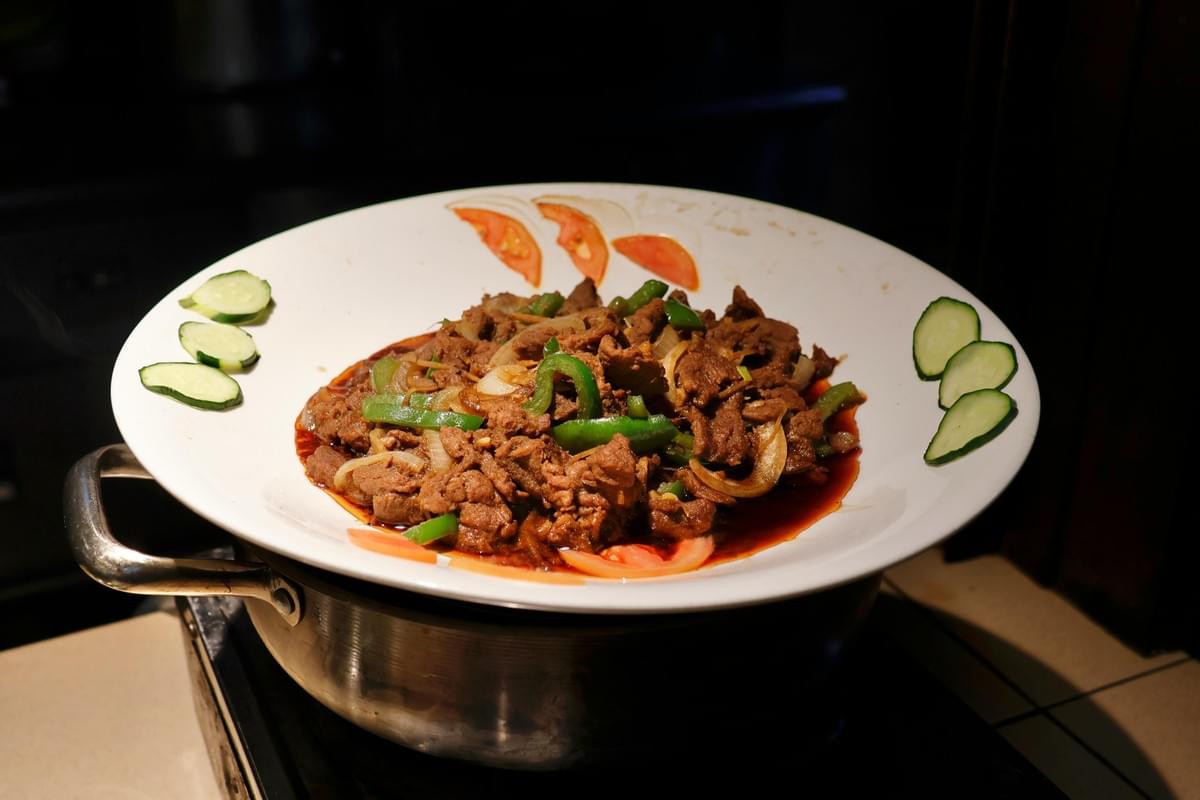
Malay cuisine is celebrated for its bold and complex flavors, which are achieved through a masterful blend of spices and fresh herbs. The foundation of many dishes is the rempah, a spice paste made by grinding together ingredients like chilies, shallots, garlic, ginger, galangal, lemongrass, and turmeric. This paste is then slowly sautéed until fragrant, releasing its aromatic oils and forming the flavor base of the dish.
The flavor profile of Malay food is a delicate balance of spicy, sweet, savory, and sour notes. The heat from the chilies is often balanced by the creaminess of coconut milk or the sweetness of palm sugar. Tamarind pulp provides a sour tang, while ingredients like shrimp paste (belacan) add a deep, savory umami flavor. These flavors are characteristic of authentic Malay cuisine found in hawker centres and food centres throughout Singapore.
Traditional cooking methods are central to achieving these incredibly tasty and authentic tastes. Slow cooking, or mereneh, is a common technique used for dishes like beef rendang, allowing the meat to become tender while absorbing all the flavors of the spices. Grilling over charcoal, as seen with satay, imparts a unique smoky aroma that cannot be replicated by modern ovens. Stir fried or wok fried dishes such as char kway teow and hokkien mee showcase the skillful use of high heat and quick cooking, often incorporating yellow egg noodles, bean sprouts, and other seasonings. These time-honored techniques are essential to the enduring appeal of these dishes.
Malay cuisine often features staples like fragrant rice cooked with pandan leaves and coconut cream, as seen in nasi lemak, which is considered a national dish and a must try for anyone exploring local cuisine in Singapore. This dish is typically served with sambal chili paste, fried anchovies (ikan bilis), boiled or hard boiled egg, and crushed peanuts. Other popular Malay dishes include nasi padang, a flavorful rice dish accompanied by an assortment of side dishes such as chicken curry, fried chicken, and vegetable salad.
In addition to rice dishes, noodle dishes like mee rebus and soto ayam are widely enjoyed, often served with fish sauce and other seasonings to enhance their rich flavors. Traditional Malay desserts, such as those made with glutinous rice and coconut milk, are complemented by refreshing drinks like teh tarik and shaved ice desserts topped with red beans and condensed milk.
Overall, Malay food is a melting pot of flavors and textures, reflecting the rich cultural heritage of Southeast Asia and the unique culinary traditions that make Malay cuisine a beloved part of the local cuisine in Singapore.
Evolution and Modern Adaptations: Beyond Chicken Curry
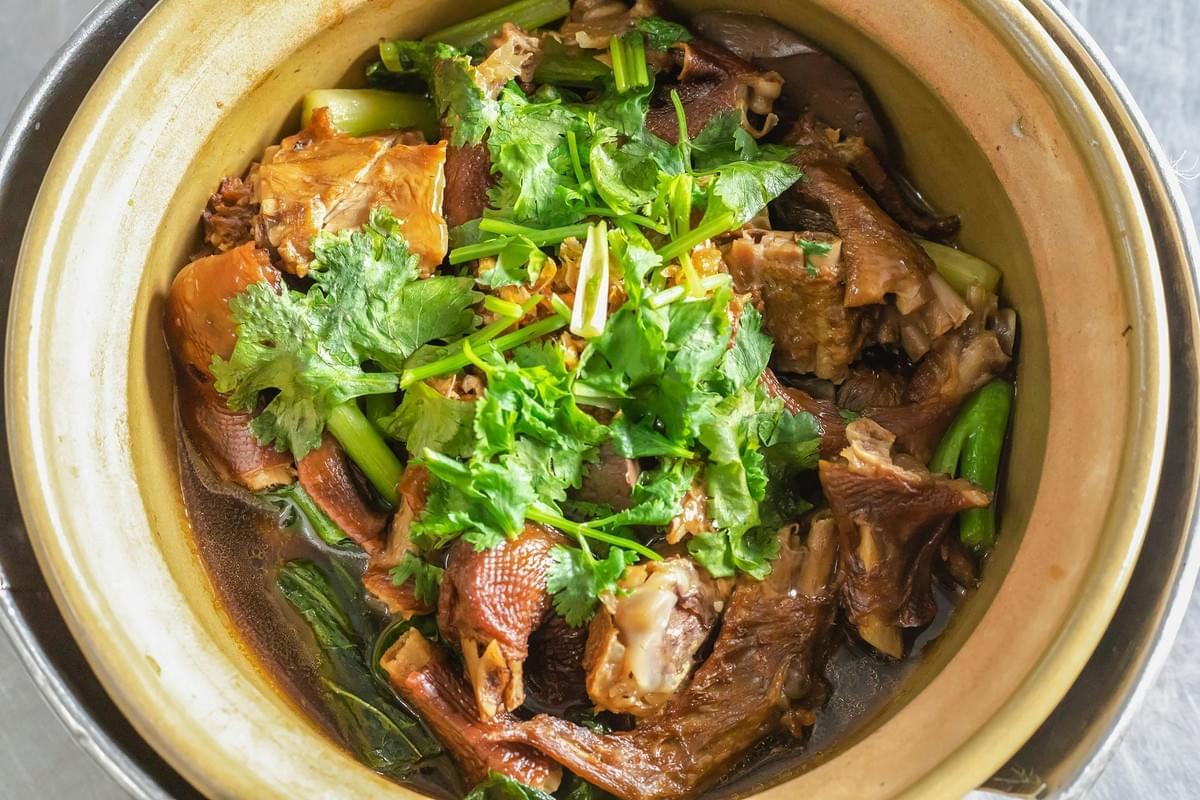
While the core traditions of the Malay wedding feast remain strong, they have also evolved with the times. Today, most families engage professional caterers instead of cooking everything themselves, making hosting a large-scale feast more manageable. However, the emphasis on quality and authenticity in Malay food Singapore remains paramount. Many well known stalls and caterers specialize in replicating traditional, home-cooked flavors on a massive scale, ensuring that the essence of local cuisine in Singapore is preserved.
Modern adaptations can also be seen in the presentation and variety of food. Some weddings might feature "live" cooking stations, where guests can watch chefs prepare dishes like satay or noodles on the spot. There might also be a wider variety of dishes to cater to diverse palates, sometimes including Western or other Asian options alongside the traditional Malay fare. Despite these changes, the heart of the feast, which includes classic dishes like beef rendang, nasi briyani, and ayam masak merah, remains firmly rooted in tradition.
This evolution also embraces unique Malay dishes such as lemak siput sedut, a rich coconut milk-based delicacy rarely found outside special occasions. Staples like nasi lemak with fragrant rice cooked in coconut cream and pandan leaves, typically served with sambal chilli paste, fried anchovies, boiled eggs, and crushed peanuts, continue to be must try dishes. The inclusion of roti canai and dishes influenced by Minangkabau cuisine also highlights the melting pot nature of Malay cooking, reflecting influences from southern Thailand and beyond.
The use of white rice as a base for many dishes, paired with flavorful sides like chicken curry, fried tofu, and vegetable salad, exemplifies the balance and richness of Malay cuisine. These enduring flavors and cooking techniques ensure that the Malay wedding feast remains a vibrant celebration of local cuisine in Singapore, blending history and modernity in every bite.
The Enduring Legacy of the Kenduri
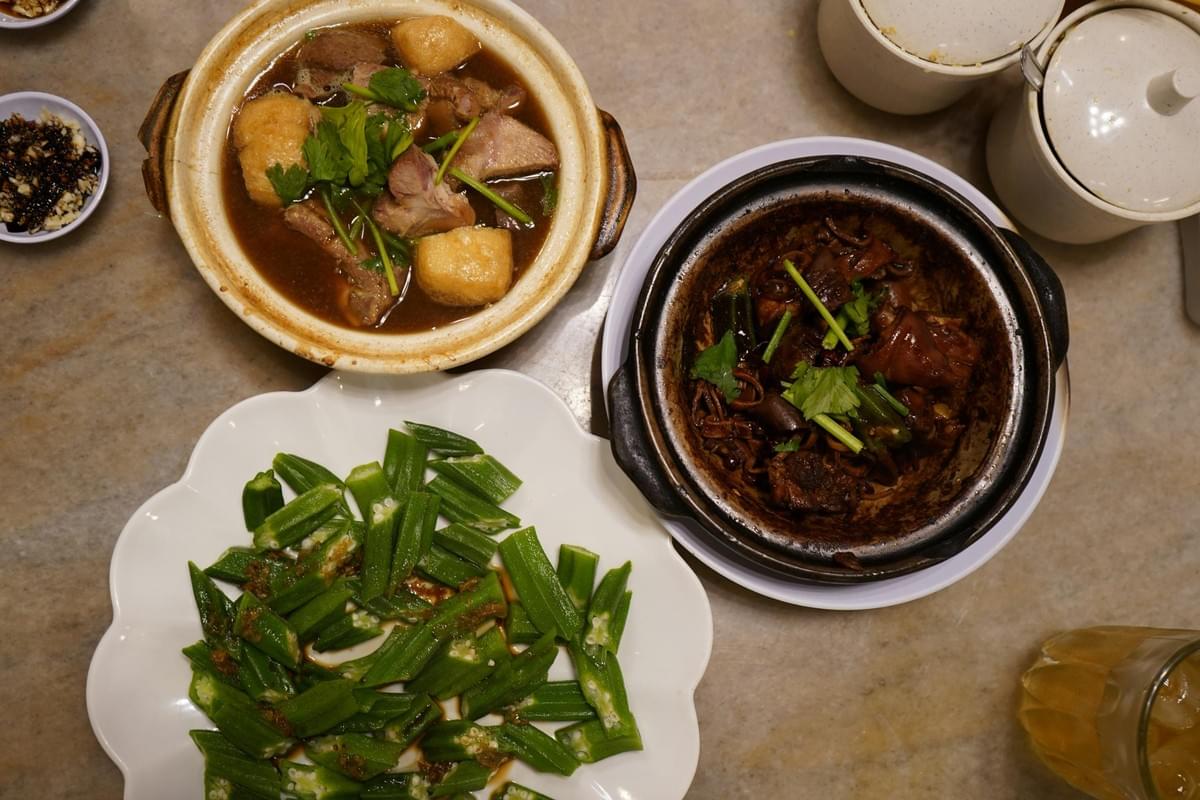
The Malay wedding feast is more than just a meal; it is a living, breathing celebration of culture, community, and culinary heritage. It is a vibrant thread in the rich tapestry of local cuisines in Singapore, showcasing a tradition where food is synonymous with love, generosity, and togetherness. The enduring popularity of these feasts ensures that the precious recipes and cooking techniques are preserved and passed on to future generations.
The next time you have the honor of being invited to a Malay wedding, I encourage you to immerse yourself fully in the experience. Savor each dish, appreciate the effort behind the preparation, and embrace the warm spirit of community. In doing so, you are not just enjoying a delicious meal; you are participating in a beautiful tradition that lies at the very heart of Singaporean culture.
For more cuisines in Singapore, check our article on: Eurasian Cuisines in Singapore: The Forgotten Culinary Heritage.
