

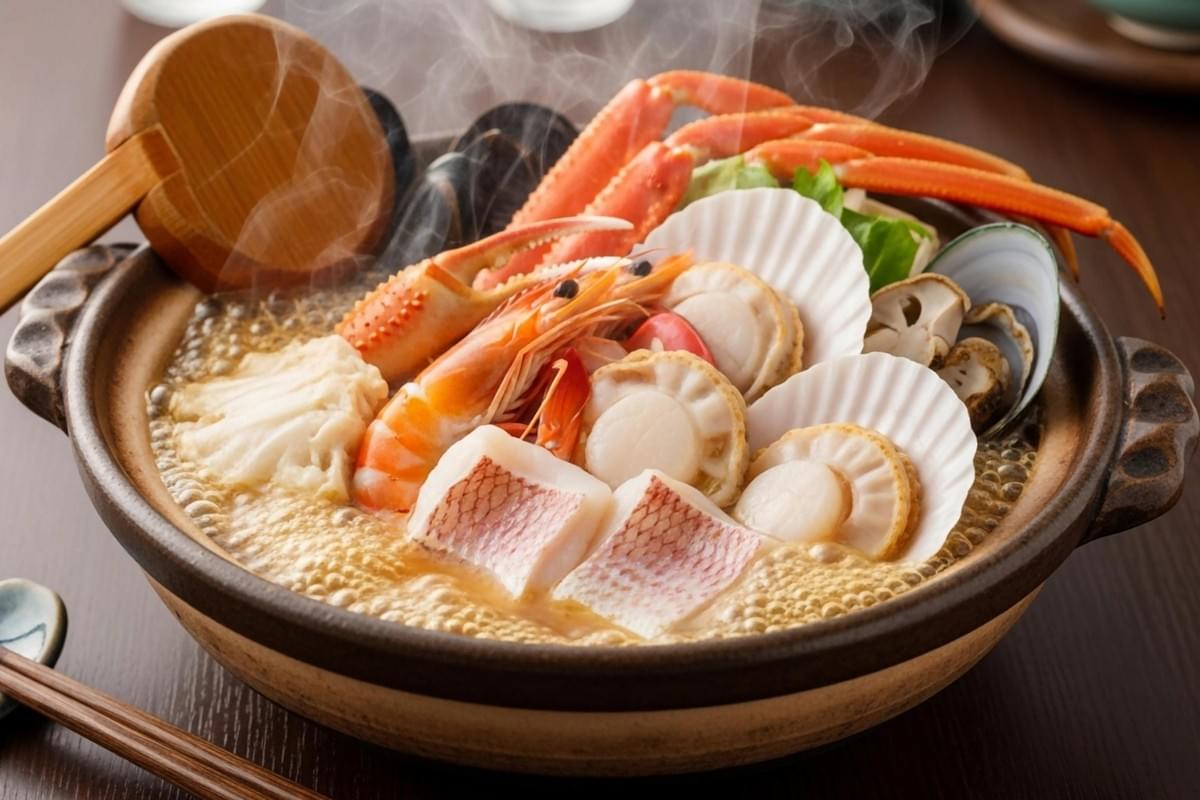
Why does the reunion dinner feel different when that heavy pot arrives at your door? The answer lies in understanding what's actually happening here. That carefully wrapped delivery isn't just convenience; it's a modern solution to an ancient tradition. The pot arrives warm, ready to serve, carrying with it the same cultural weight it's held for generations.
Here's what makes this interesting: pen cai delivery has become the bridge between our busy lives and our need to maintain family traditions. The television hums in the background, chopsticks get arranged, and family members naturally gravitate toward the table. This gravitational pull? It's not accidental. It's how Chinese New Year traditions work; they create these moments of gathering, whether the pot was cooked in your kitchen or a professional one.
Understanding Pen Cai as a Layered Dish
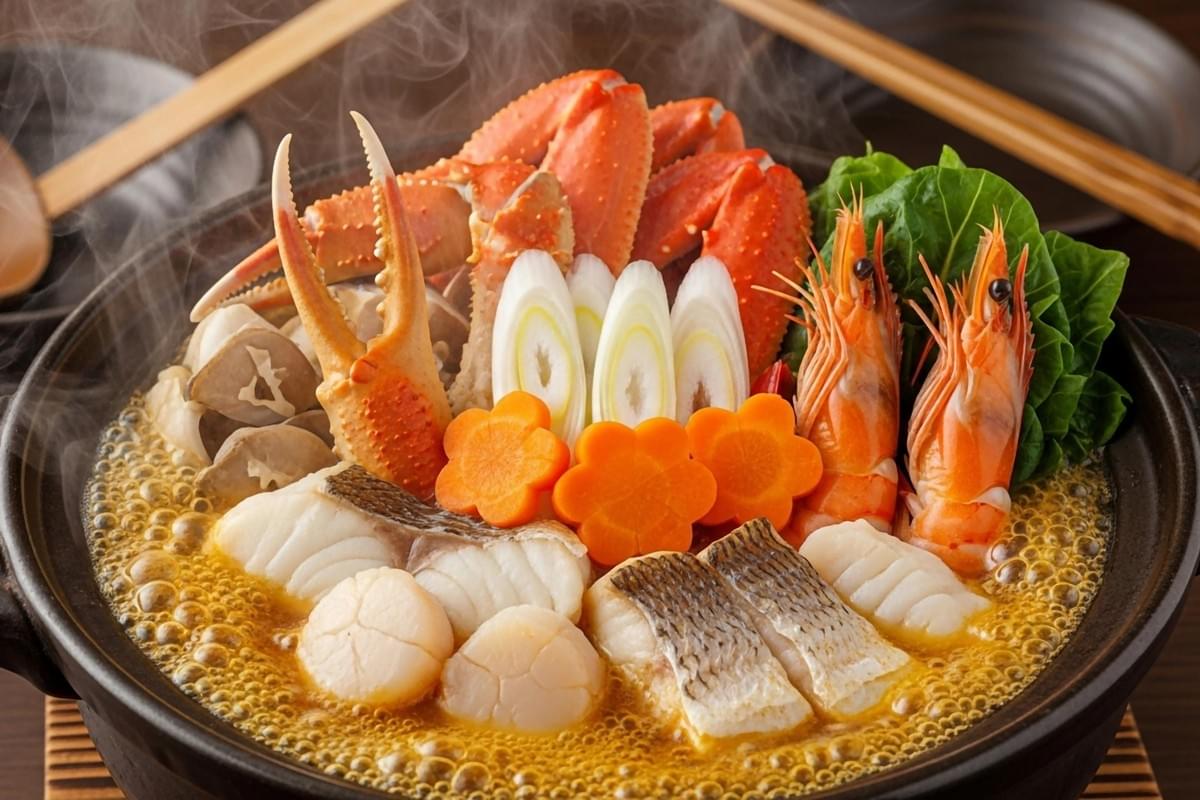
What exactly makes pen cai different from other communal dishes? The answer is all about intentional layering. Think of it as edible architecture. The less expensive ingredients sit at the bottom; they're not there by accident. They absorb flavors from everything above them, becoming the foundation that supports the entire dish.
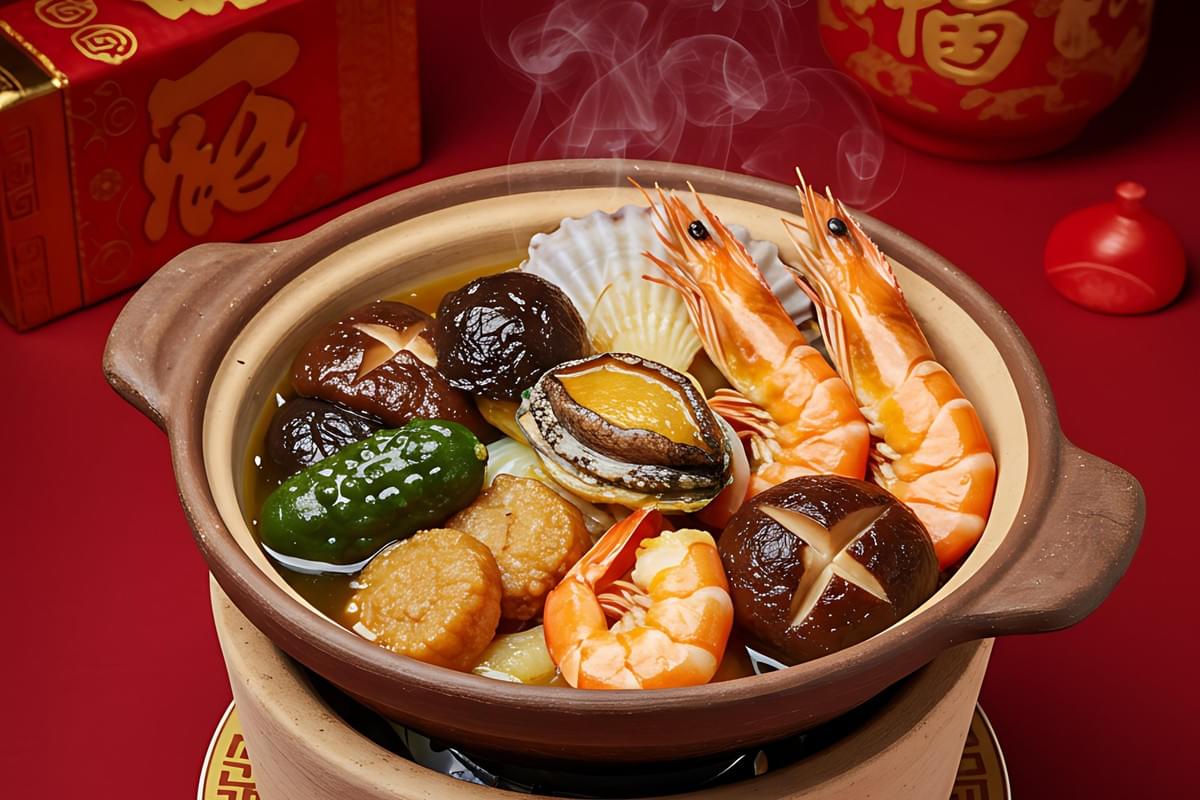
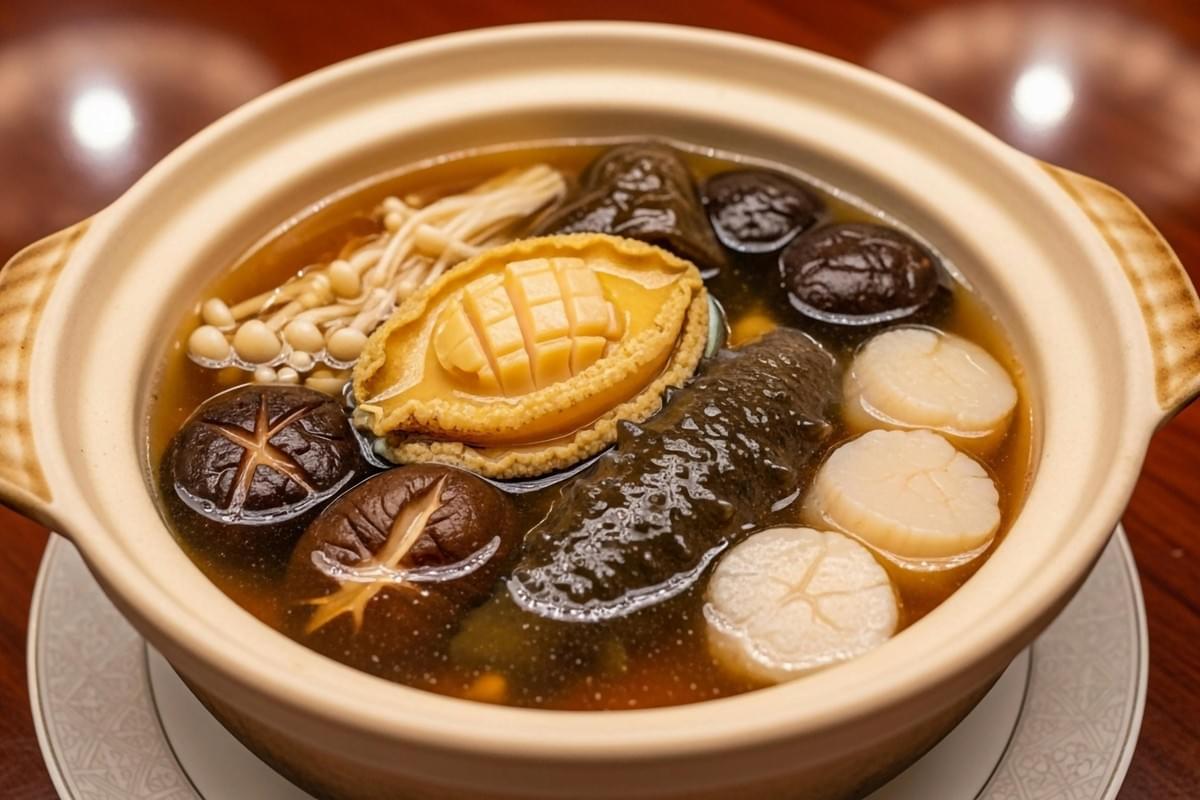
Then come the premium players: plump mushrooms, tender abalone, six head whole abalone, dried scallops, dried oysters, Hokkaido scallops, bird's nest, and rock lobster. Each layer represents something specific: abundance, prosperity, good fortune. Why does this layering system work so well? Because it turns eating into discovery.
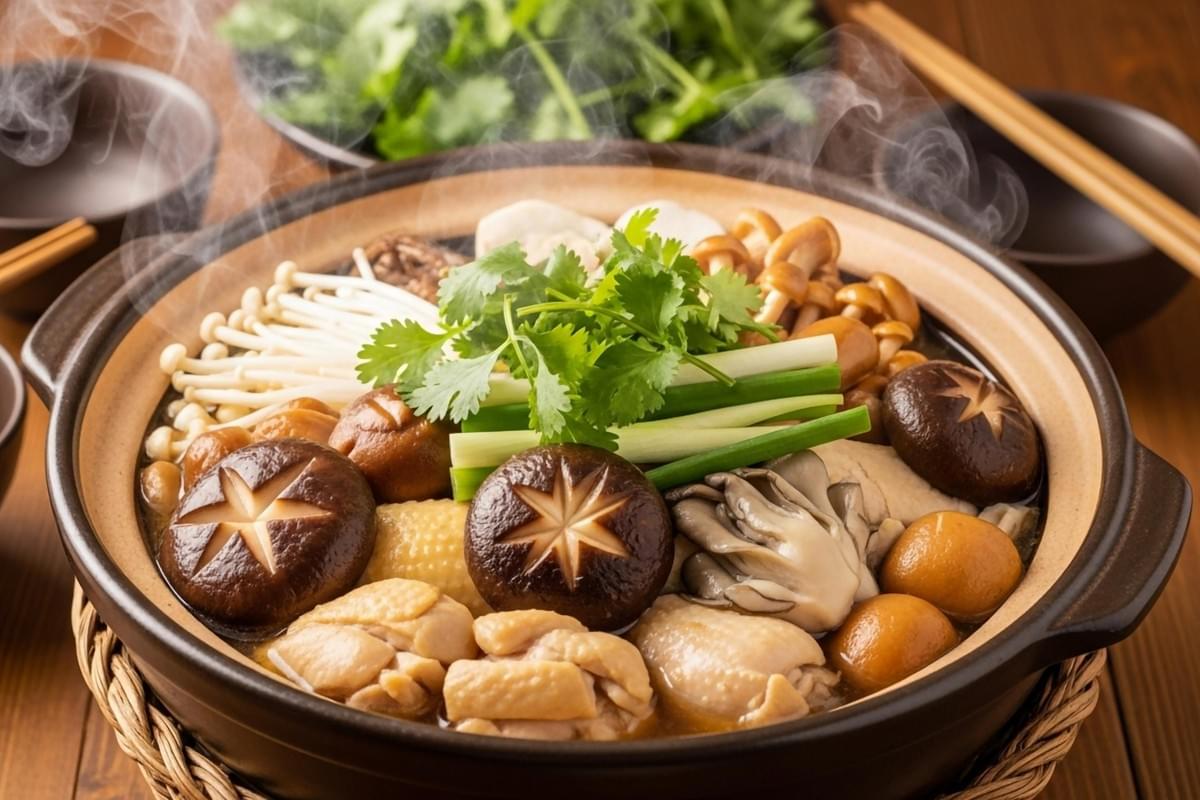
When you lift that lid, you're not just uncovering food. You're revealing a carefully constructed experience. The steam carries scents of oyster sauce, conpoy, and Chinese sausage, these aren't random flavors. They're the building blocks of Cantonese comfort food, designed to trigger recognition and satisfaction.
Here's the key insight: pen cai forces you to eat slowly and socially. You can't rush through layers. You have to explore them together, which is exactly what Chinese New Year celebrations are designed to encourage. Moreover, Pen cai is also known as Poon Choi, is a traditional Cantonese dish that symbolizes harmony and abundance during Chinese New Year, and is often served as a centerpiece dish during the celebrations.
Pen Cai and Family Dynamics
Want to understand how Chinese family hierarchy works? Watch who gets served first from the pen cai pot. The choreography isn't random; it's a social system in action. Elders get the prime pieces: abalone for grandmother, braised sea cucumber for grandfather. This isn't just politeness; it's visible respect that reinforces family structure.
But here's where it gets interesting: everyone else's turn reveals individual family histories. The younger cousin hunting for roasted pork belly, the aunt seeking taro at the bottom, these preferences tell stories. Why does this matter? Because pen cai becomes a living map of family relationships, played out through food choices.
The communal eating aspect works because it requires negotiation. You can't hoard the good stuff. You have to share the space, coordinate your chopsticks, and time your moves. It's social training disguised as dinner.
It's easier for most family to now embrace the convenience of fuss-free CNY delivery or takeaway set menus that include the iconic pen cai, as also discussed by Rubbish Eat Rubbish Grow. This ensures enough food to feed both smaller and larger groups without the hassle of cooking. Ordering a takeaway bundle with premium ingredients such as six head whole abalone, bird's nest, fish maw, goose web, dried scallops, sea cucumber, conpoy, and Chinese sausage has become a popular way to celebrate Chinese New Year with loved ones in the comfort of their own home.
CNY Takeaway: Delivery Menus and More
Alongside the pen cai, festive season delivery menus often include prosperity abalone yu sheng or the golden horse abundance yusheng: a vibrant dish topped with crunchy pulled pork and fortune bags, symbolizing abundance and good fortune.
Many reputable outlets, including Pan Pacific Singapore and Man Fu Yuan at Intercontinental Singapore, offer these exquisite dishes as part of their year takeaway menu, with options for self collection or islandwide delivery. Yang Ming Seafood is also a top choice for CNY delivery, providing reunion dinner takeaway sets that cater to 8–10 people and feature dishes like steamed fish.
This modern approach to the reunion dinner blends tradition with convenience, allowing families to enjoy a glorious feast featuring sakura chicken, curry chicken, and spring onion-infused dishes without compromising on quality or meaning. Early bird orders are highly recommended to secure these sought-after takeaway menus during the festive season, especially from approved advertisers like White Restaurant, known for their golden harmony pork knuckle and unique yu sheng creations.
Whether you choose a la carte or party sets, these delivery orders bring the warmth of Chinese New Year celebrations directly to your doorstep or select outlet, making it easier than ever to gather and feast with loved ones while honoring time-honored customs.
Chinese New Year Takeaway as Modern Continuity
Why has CNY delivery become so popular? Because it solves a real problem without breaking tradition. Families want the full reunion dinner experience, but cooking everything from scratch takes days. The solution? Professional kitchens that understand the eight-hour braising process, the proper ingredient ratios, the timing required for perfect pen cai.
Here's what hasn't changed: the gathering itself. The pot still arrives whole and warm. The family still assembles around it. The social dynamics remain the same whether you cooked it yourself or had it delivered. What matters is the shared experience, not the location of the stove.
The key insight? Modern convenience can actually strengthen tradition when it removes barriers to participation. Pre-ordering pen cai and prosperity abalone yu sheng means more families can maintain these customs, even with busy schedules.
The pot contains the same premium ingredients: five head abalone, bird's nest, bamboo pith, black moss, dried scallops, fish maw, conpoy, and Chinese sausage, regardless of where it was prepared. Quality doesn't depend on location; it depends on understanding the dish's requirements.
Many families now opt for CNY takeaway set menus that include these glorious pen cai treasure pots, along with accompanying dishes such as golden horse abundance yusheng, which includes yu sheng topped with crunchy pulled pork and fortune bags from collaborations with brands like Bee Cheng Hiang.
The Meaning of Layers Beyond the Pot
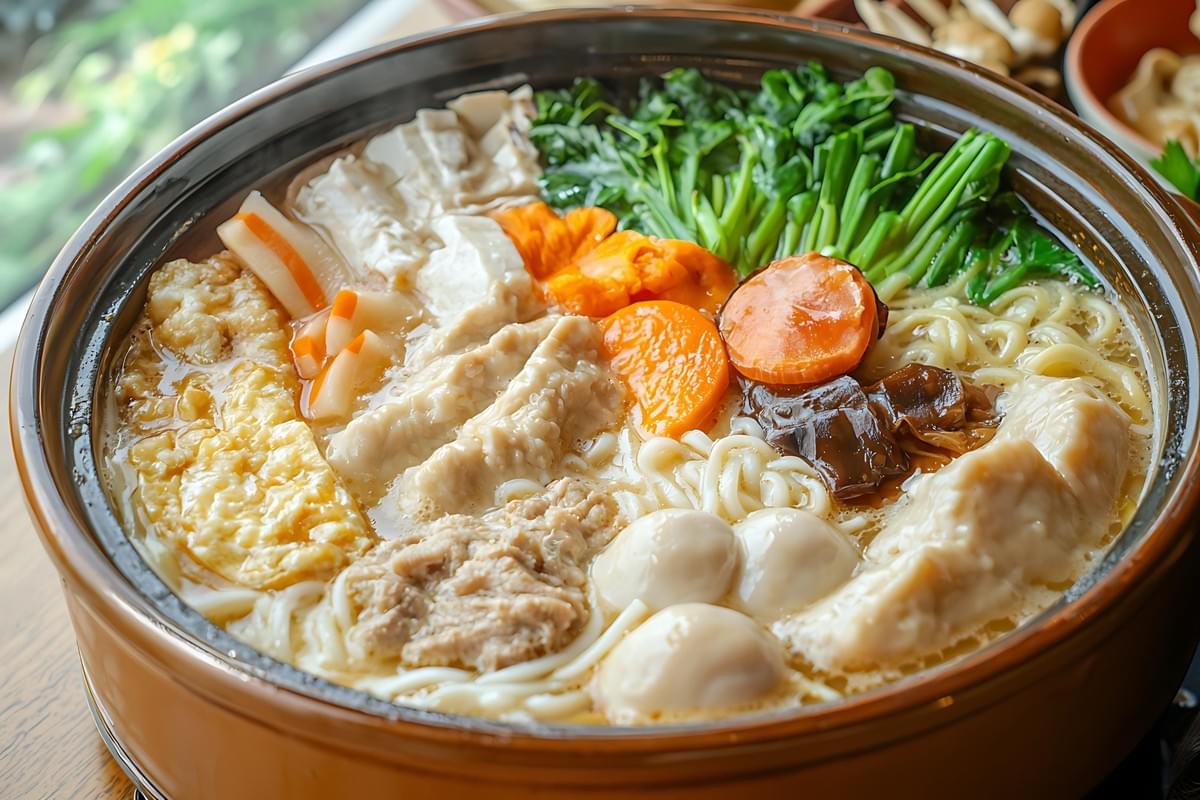
What do those layers actually represent? More than just cooking technique; they're a system of meaning. The mushrooms soaked for hours, the broth simmered for days with oyster sauce, enriched by conpoy and Chinese sausage. Even when professionals handle this process, families understand what it represents: time, care, and intention.
Each family adds their own interpretation to these flavors. The stories change, but the structure remains. Why does this work? Because pen cai provides a framework for meaning-making while allowing personal adaptation.
Here's a useful way to think about it: pen cai mirrors Singapore's approach to multiculturalism. Different elements maintain their distinct qualities while contributing to a unified whole. Everything shares the same pot, the same space, absorbing influences while remaining recognizable. This isn't accidental; it's how harmony gets built, one layer at a time.
The educational value lies in understanding that togetherness doesn't mean sameness. The ingredients stay distinct while creating something greater together. That's the real lesson of Chinese New Year celebrations: unity through diversity, structure through flexibility. Eventually, the pot empties. Tea appears, conversations continue, and satisfaction settles over the table.
Many families choose to enjoy this feast not only at home but also at a dine in outlet, mostly during a Chinatown night food crawl. This flexibility caters well to smaller groups or large gatherings alike, ensuring everyone can partake in the tradition. Alongside the pen cai, dishes like prosperity abalone yusheng and fragrant fried rice complete the celebration, whether dining in or enjoying the feast at home.
But here's what actually happened: the family just participated in a cultural transmission exercise. They practiced hierarchy, sharing, patience, and appreciation. Chinese New Year moves forward by repeating these patterns, carrying the lessons of this glorious pen cai feast into the coming year.
