

The first time I paid full dinner price at a hotel seafood buffet, I made almost every mistake you can make.
I arrived hungry, which felt smart. I loaded my first plate with warm bread rolls and a mound of sushi rice, because they were right there and they smelled good. By the time I got to the oyster station at this popular buffet restaurant, I was already slowing down. The lobster came out fresh, glossy, and beautiful. I managed one and a half tails before my stomach quietly gave up.
I'd paid a premium for the fresh seafood I barely touched, and filled up on bread I could've eaten anywhere for two dollars.
That night taught me something. The question of lunch versus dinner buffet isn't really about the food. It's about knowing what you actually eat, and being honest with yourself before you book.
So here's what I've learned since, shared the way I'd tell a friend over kopi.
What Actually Changes Between Lunch and Dinner at a Buffet Restaurant
Let's clear up the biggest myth first. Many people assume lunch and dinner are the same spread at different times. In Singapore, that's rarely true.
Dinner buffet usually brings out the heavy hitters:
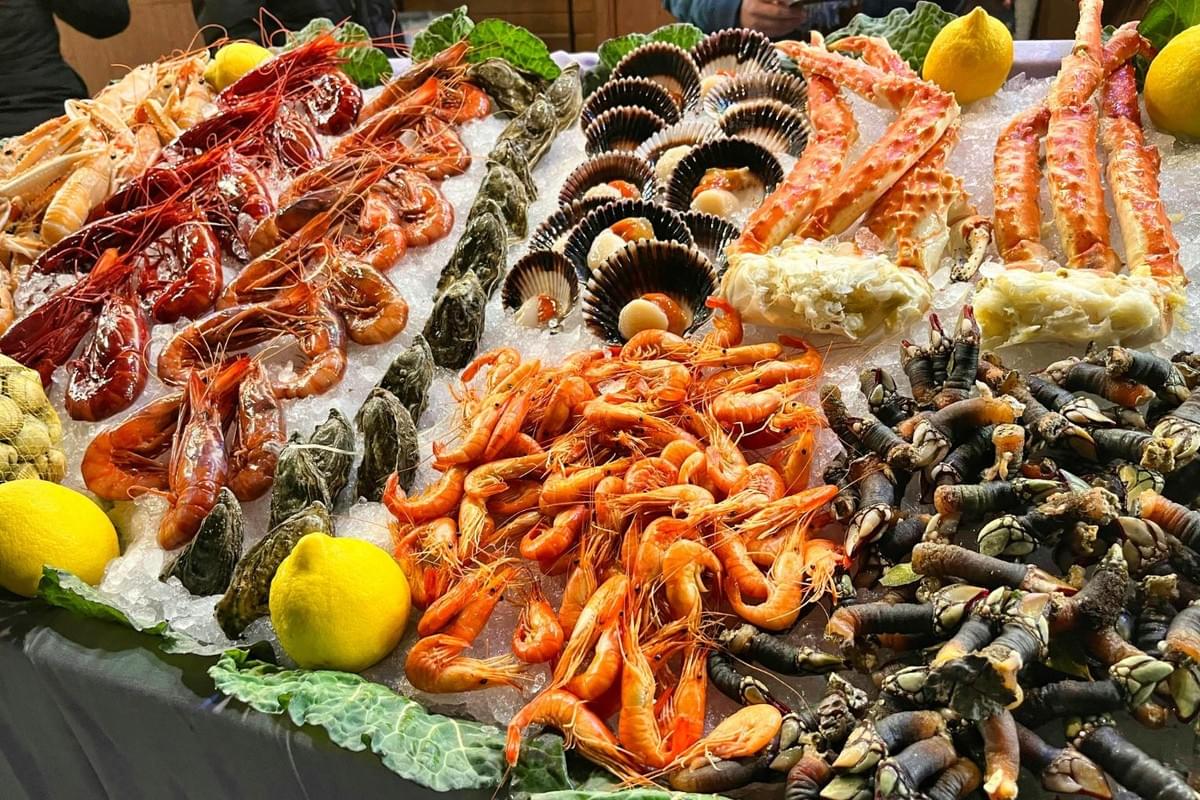
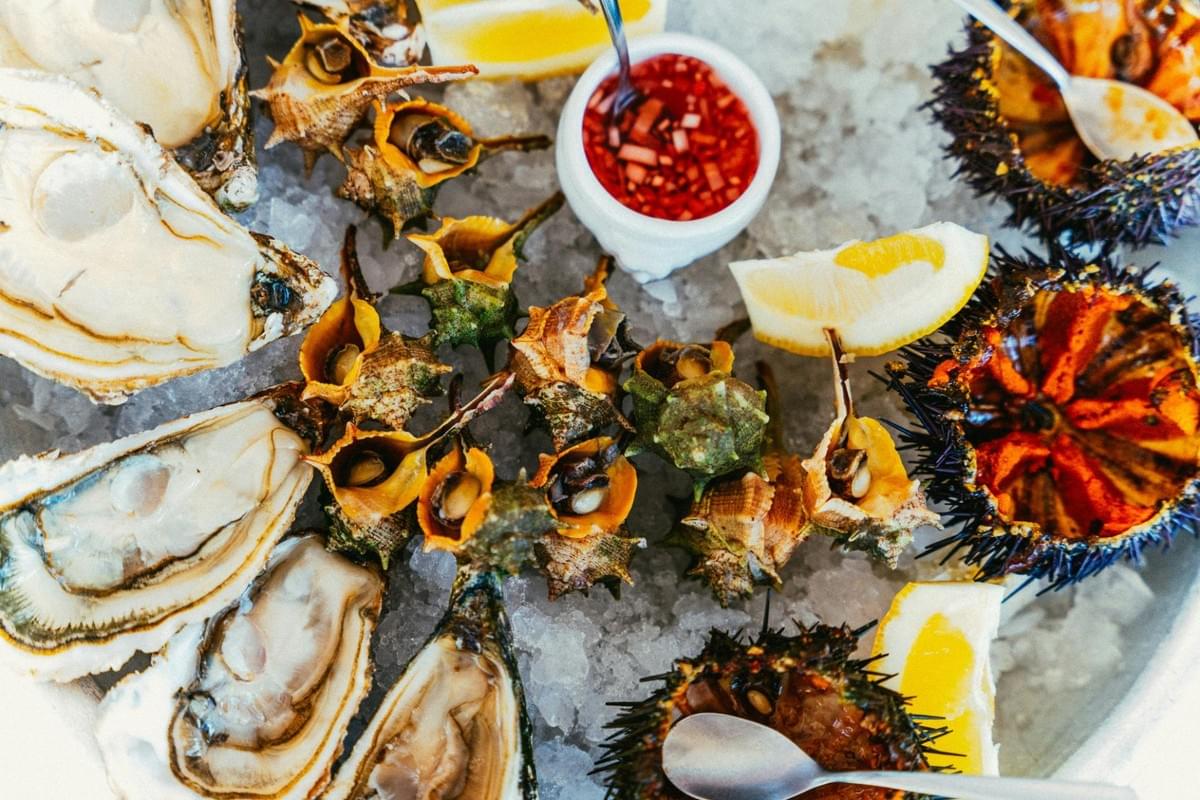
- Fresh oysters and snow crab
- Lobster, depending on the venue
- Premium seafood including crab preparations
- More sashimi varieties and fresh sashimi
- Live cooking stations and teppanyaki stations
- Fancier desserts like butter pudding
Lunch tends to keep the reliable, still-lovely stuff:
- Cold seafood on ice
- Mussels, prawns, clams
- Basic sushi and local dishes
- Standard desserts
inspired by Singapore's famous hawker culture. If you're curious about the classics often recreated in hotel buffets, explore our guide to Maxwell Heritage Stalls. Standard desserts round out the spread.
But here's the part that surprises people. Dinner doesn't usually double the food. In my experience it's more like 10 to 25 percent more dishes. The higher buffet prices mostly reflect premium ingredients, longer service, and more staff, not sheer quantity.
And no, lunch isn't leftover dinner. That idea just isn't right. Reputable hotels replenish seafood continuously through every service. What changes is the selection and the premium items, not the freshness.
Insider knowledge: If you rarely eat oysters or lobster, dinner buffet is often paying more for things you'll walk past. The cold seafood, prawns, and crab you actually love are usually there at lunch too.
My Way to Decide on Buffet Dinner vs Lunch in Buffet Singapore
I run through this quietly every time before booking. It takes five minutes and saves real money.
- Set your budget honestly. Lunch at Singapore hotels usually runs S$50 to S$120++ depending on how luxe the venue is. Dinner buffet prices sit higher, roughly S$80 to S$220++, with the top luxury spreads climbing further. Remember those little plus signs. They matter more than you think.
- Check both menus. Don't assume. Pull up the lunch and dinner menus side by side and look specifically for lobster, oysters, snow crab, king crab, premium sashimi, wagyu, and grilled seafood. Some buffet restaurants redesign the menu completely between services. Others barely change it.
- Estimate what you'll really eat. Be truthful here. If you're the type who eats twenty oysters and works through three crab varieties, dinner buffet earns its keep. If you mostly enjoy prawns, cold seafood, and a bit of sashimi, lunch gives you nearly the same joy for far less.
- Hunt for promotions. This one's big in Singapore. Credit card discounts, bank partnerships, weekday specials, and one-for-one deals can completely change the value equation. Lunch promotions are often especially strong.
- Reserve early. Saturday and Sunday lunch and dinners on Friday and Saturday evenings can fill up weeks ahead, particularly during festive seasons and public holidays. Book before you get attached to a date.
My Taste Tips: Before you commit, do a quick search for your chosen hotel's name plus your bank's dining programme. I've saved 15 to 25 percent this way more times than I can count. The deal is often sitting there, quietly waiting.
Realistic Prices and Dining Experience at Buffet Singapore Venues like Holiday Inn and Orchard Road
Here's roughly what you're looking at before service charge and GST.
Lunch tends to fall between S$50 and S$120++ per person, depending on whether it's mid-range or a luxury property. Dinner spans $80 to $220++, sometimes more at the higher end.
Now the important bit. Most advertised buffet prices exclude the 10 percent service charge and 9 percent GST. That's nearly 20 percent added to your bill. A dinner listed at S$150++ lands closer to S$179 per person once everything's tallied. Multiply that across a family, and the gap between lunch and dinner becomes very real.
I learned to always do that mental math before booking. It changed how I felt about a lot of "great deals."
Timing and When to Go for the Best Fresh Seafood and Live Stations
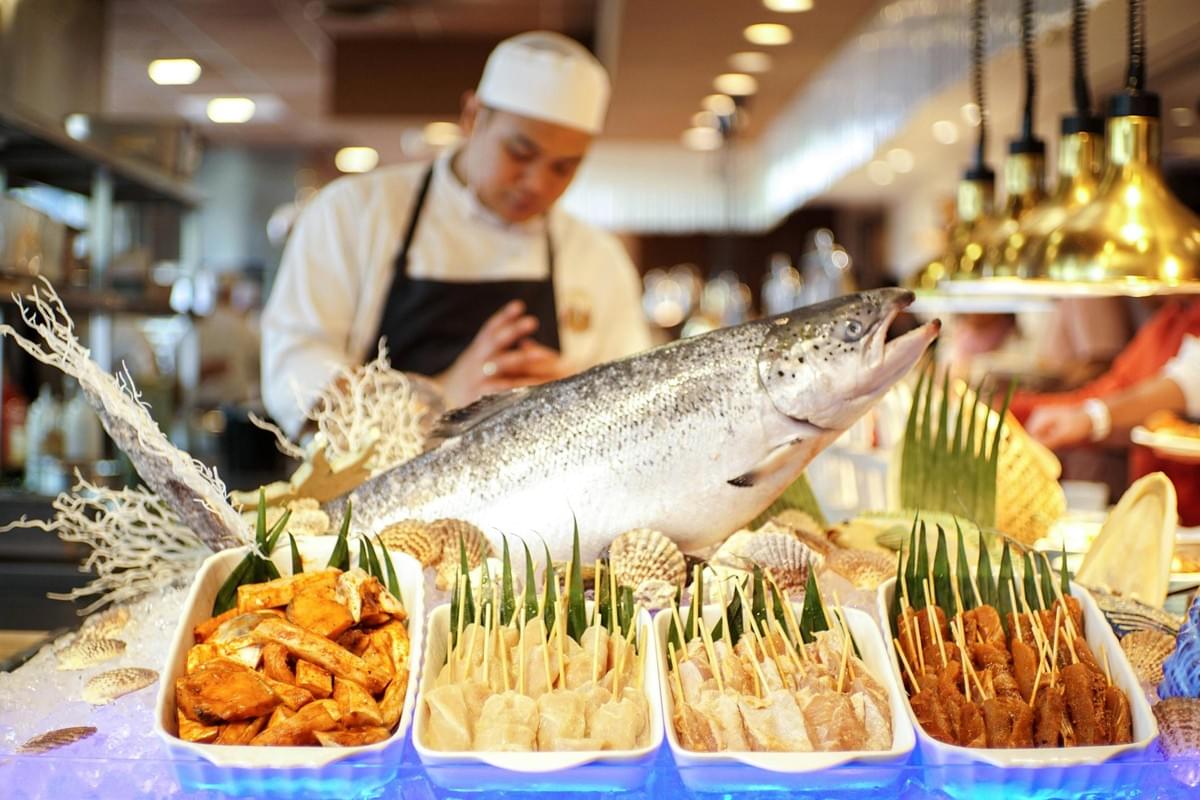
For lunch, guests get served usually from 12:00 PM to 2:30 PM. I'd suggest arriving within the first thirty minutes, when the seafood stations are freshly laid out and the trays are full.
For dinner buffet, expect 6:00 PM to 10:00 PM. Arrive right as service begins. The premium stations look their best early, before the peak crowd works through the oysters and crab.
On crowds: lunch draws office workers, families, and smaller groups. Dinner pulls in celebrations, tourists, and birthday tables. Weekend dinners on Saturday evenings are the busiest of all.
My honest strategy? Friday lunch or a weekday dinner buffet. You dodge the heaviest crowds and often catch better pricing too.
Mistakes I've Made So You Don't Have To at International Buffet and La Carte Options
Filling up on carbs. My original sin. Bread, rice, and pasta are the enemy of value at a seafood buffet. f you're craving noodles instead of seafood, you'll probably enjoy our Singapore Ramen Guide for Noodle Lovers another day rather than using precious buffet stomach space on carbohydrates.
On the other hand, they're filling, cheap to produce, and they steal the room you need for the expensive stuff. Start with oysters, crab, lobster, and sashimi. Save the carbs for the very end, if at all.
Skipping promotions. I once booked a buffet dinner at full price, then found out afterwards my card had a one-for-one deal running that same week. Painful. Always check first.
Taking too much, too fast. Piling your plate high feels efficient, but seafood loses its charm when it's sat there going warm. Take small portions of everything first, then go back for what you genuinely loved. It also cuts down on waste, which I care about more these days.
Overestimating my appetite. Most of us fill up faster than we expect. After oysters, sashimi, crab, and prawns, you're usually done. Don't book dinner assuming you'll eat enough lobster to "recover" the price. You probably won't, and that's okay.
A Few Real Scenarios in Buffets in Singapore Featuring Local Dishes and International Buffet Choices
I think about it in terms of who's at the table.
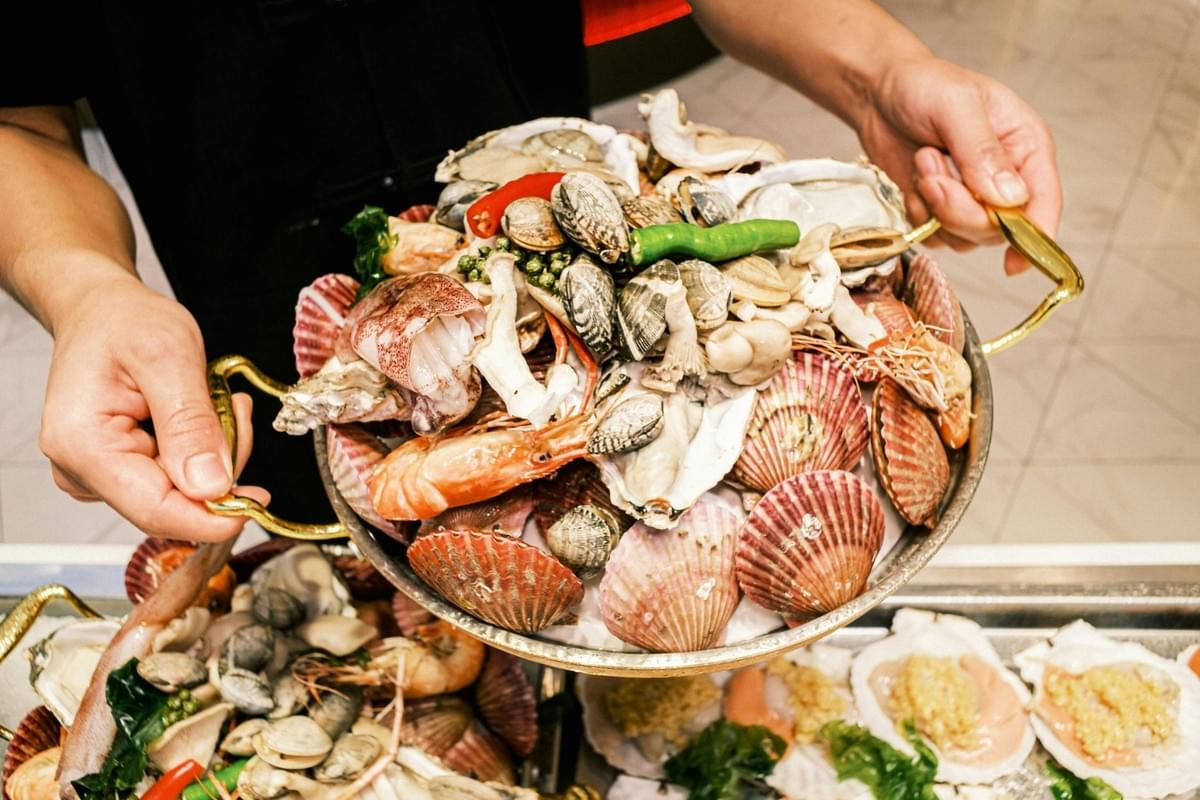
If it's an anniversary and you both love oysters and lobster, a buffet dinner is worth every dollar. The premium seafood items are the whole point.
If it's a family with young kids who mostly want fried rice, pasta, and fried seafood, lunch can save you over a hundred dollars for nearly the same experience. The little ones won't touch the king crab anyway, and many buffet restaurants now offer a dedicated kids buffet counter to keep them happy.
If it's a work lunch, weekday midday wins easily. Easier reservations, faster service, gentler buffet prices.
And if you're a genuine seafood enthusiast who'll happily work through crab after crab, dinner rewards you. You'll actually consume the exclusive items other diners leave behind.
How to Spot a Good Buffet Singapore Dining Experience While You're There with Live Stations and La Carte Options
A few things I look for.
Oysters should smell clean, sit cold on a proper ice bed, and taste of the Mediterranean sea flavours, not of nothing. Crab meat should be moist and sweet, pulling easily from the shell. Sashimi should look bright and firm, never dull or fishy. Prawns should be springy, not mushy.
Warm, dry, strong-smelling seafood or long-empty trays tell you the kitchen isn't keeping up. Good buffets in Singapore replenish constantly and don't let food sit uncovered, with of course, a wide array of options.
Frequently Asked Questions About Buffet Dinner and Fresh Seafood at Buffet Singapore Venues
Are lunch and dinner actually different?
Usually, yes, in Singapore. Dinner tends to add oysters, lobster, premium crab, and more sashimi to include international dishes. But always check both menus, because some hotels change very little.
Is lunch seafood less fresh?
No. Reputable hotels replenish throughout service. The difference is selection and premium ingredients, not freshness. Singapore's strict food safety regulations, overseen by the Singapore Food Agency, help ensure that licensed establishments maintain proper food handling and temperature control.
Can I go back to the buffet as many times as I want?
Yes, that's the whole idea. Just take reasonable portions each trip so food doesn't go to waste. Nobody's judging you for a fifth plate of prawns, honestly.
What should I wear?
Smart casual works almost everywhere. Skip swimwear, sleeveless athletic tops, and beach sandals at the luxury hotels like the Ritz Carlton or Shangri La Singapore.
When's the best time to avoid crowds?
Friday lunch or a weekday dinner buffet. Weekend dinners, especially on Saturday evenings and public holidays, are the busiest, especially during festive periods like Christmas and Chinese New Year, when prices climb too.
One Last Thought on Buffet Singapore Dining Experience and Choosing Between Lunch and Dinner Buffet
Here's what all those buffets in Singapore taught me. The best value isn't about getting the most food. It's about matching the meal to who you are and what you truly enjoy.
For most people, most of the time, weekday lunch quietly wins. You get much of the same spread, gentler buffet prices, and fewer crowds. Dinner earns its place when the occasion calls for it, or when premium seafood is genuinely the reason you came.
So before your next booking, pause. Check both menus. Look up the promotions. Be honest about your appetite. Then start with the oysters, not the bread.
Do that, and whichever you choose, you'll leave full in the way that counts.
