

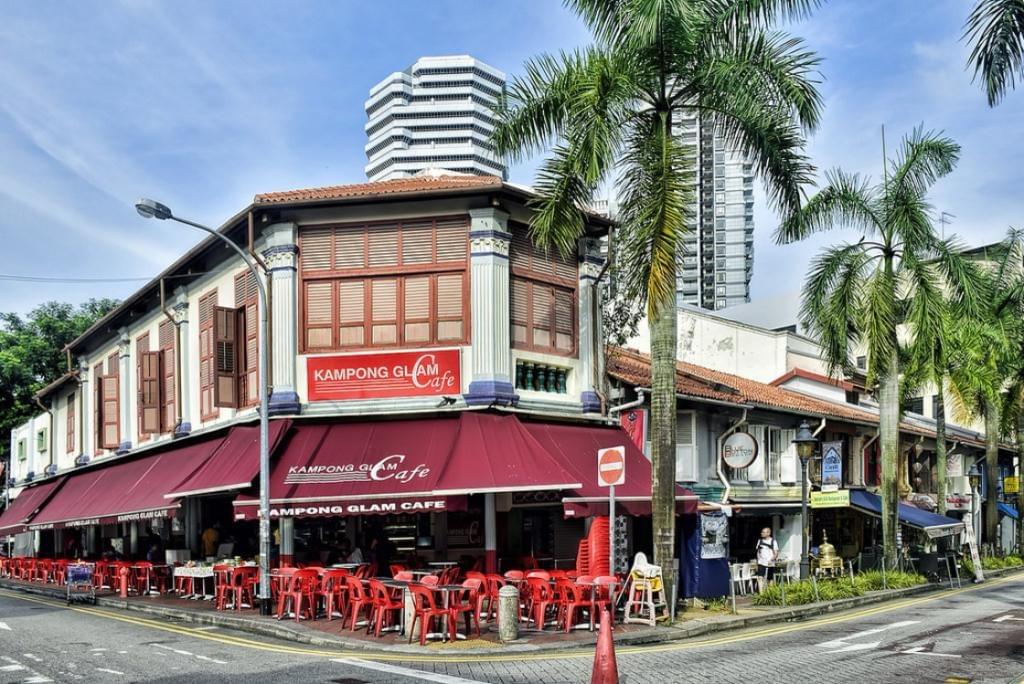
We visited Kampong Glam Cafe on a humid Tuesday evening around 7 PM, and our senses were immediately on high alert. The majestic golden dome of the Sultan Mosque was glowing right down Bussorah Street, but our attention was completely hijacked by the smell of toasted coriander, simmering coconut milk, and fried shallots. We had heard locals rave about this casual eatery for years, and our stomachs were rumbling before we even crossed the threshold.
If you want a polished, air-conditioned dining experience with plush seats, you should probably keep walking. Kampong Glam Cafe is unapologetically raw, loud, and bursting with energy. We immediately knew this was our kind of place. It felt less like a commercial restaurant and more like a neighborhood gathering spot where the food takes center stage.
Malay Dishes in Singapore at a Kampong Glam Table
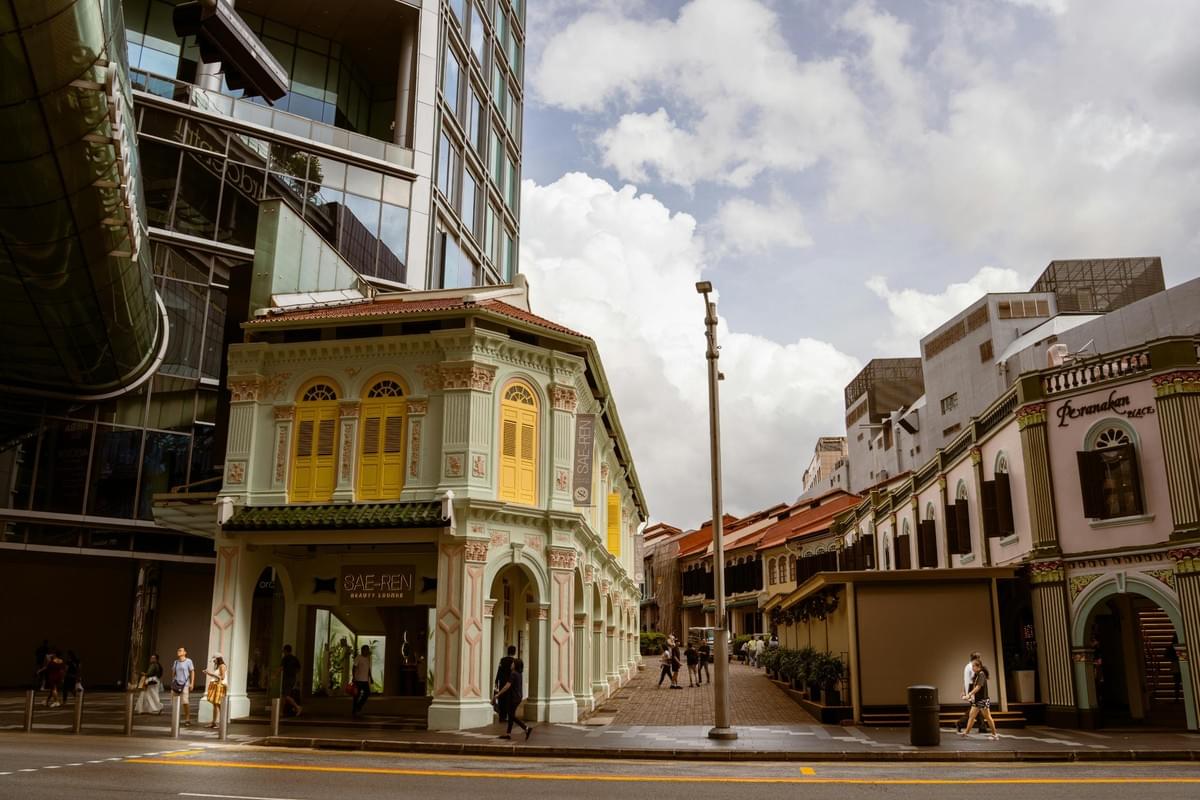
The moment we stepped up to Kampong Glam Cafe, just off Bussorah Street and within sight of the iconic Sultan Mosque, we felt the neighbourhood’s tempo immediately: chatter spilling across tables, plates landing fast, and the smell of spice, stock, and toasted aromatics hanging in the air. Kampong Glam Cafe sits at 17 Bussorah Street, right in the historic Kampong Gelam precinct, one of Singapore’s oldest urban quarters and a long-standing centre of the Muslim community here.
This is not one of the polished trendy cafes people visit for silence and soft lighting. It is a cafe with lived-in energy: plastic chairs, tight tables, and ceiling fans pushing warm Southeast Asia air around the room. We had to edge past a family mid-feast to get to our seats, and once we settled in, that closeness started to feel like part of the point. Sitting near the street, we watched people stream along Arab Street and Bussorah Street, with the dome of the magnificent mosque nearby anchoring the whole scene.
What stays with us is the old-school charm. You catch the scent of simmering coconut milk, fried shallots, and grilled meat before the food even arrives. For anyone looking for Malay dishes in Singapore that still feel grounded in community rather than trend cycles, this remains a must visit.
The Plate Parade: Heritage Food at Kampong Glam Cafe
Kampong Glam Cafe has an extensive menu, and that matters because Malay food rarely tells its full story through one plate. We came with friends precisely so we could order without restraint.
The Legendary Nasi Ambeng
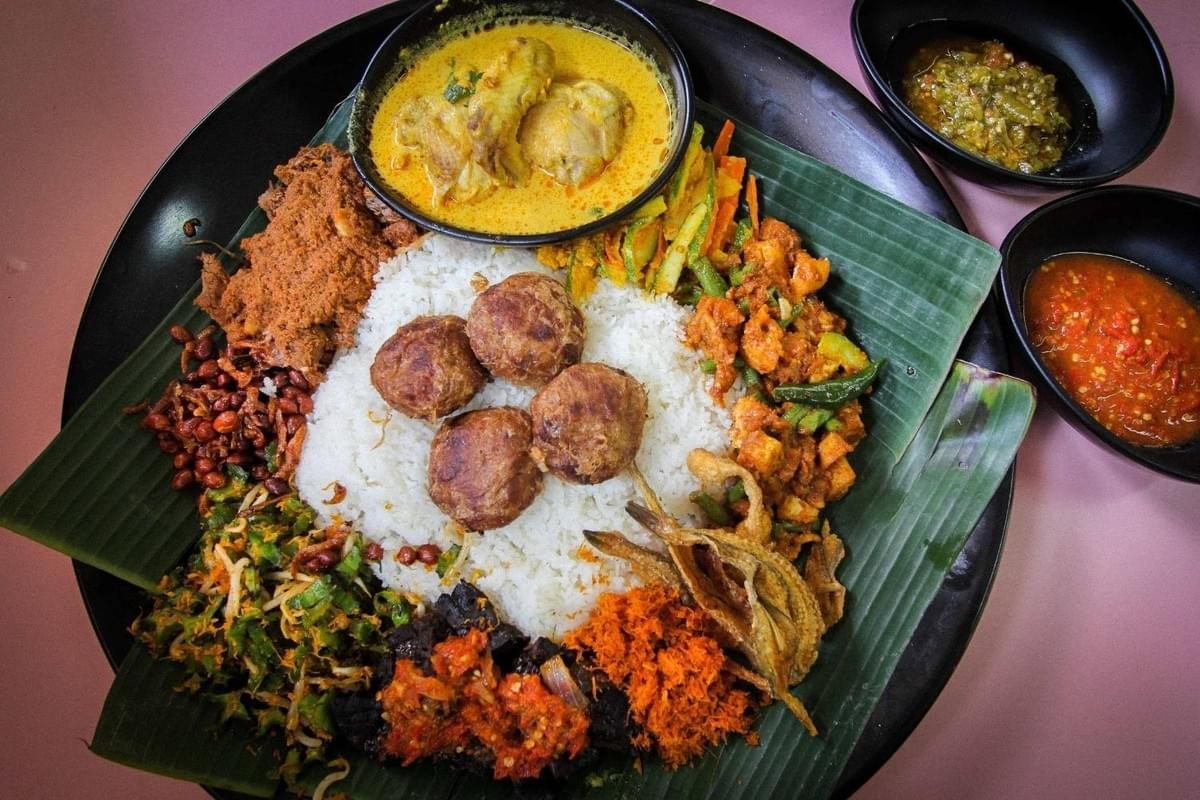
Our table began with nasi ambeng, a communal tray that feels less like a single dish and more like a family gathering in edible form. At the centre sat steamed rice, ringed by side dishes meant for sharing.
What stood out most:
- Beef rendang with deep spice and slow-cooked tenderness. The sauce was thick, dark, and glossy, with that rounded richness that comes from long cooking and coconut milk.
- Serunding, dry and aromatic, bringing a toasted, almost fibrous contrast to the wetter components.
- Sambal goreng and fried potato sides that added heat and familiarity, even if the potatoes on our visit had cooled a little.
This is one of those dishes that reminds us how broad Malay dishes in Singapore really are: communal, generous, layered, and tied to memory as much as appetite.
Mee Rebus, Mee Soto, and Other Bowl Comforts
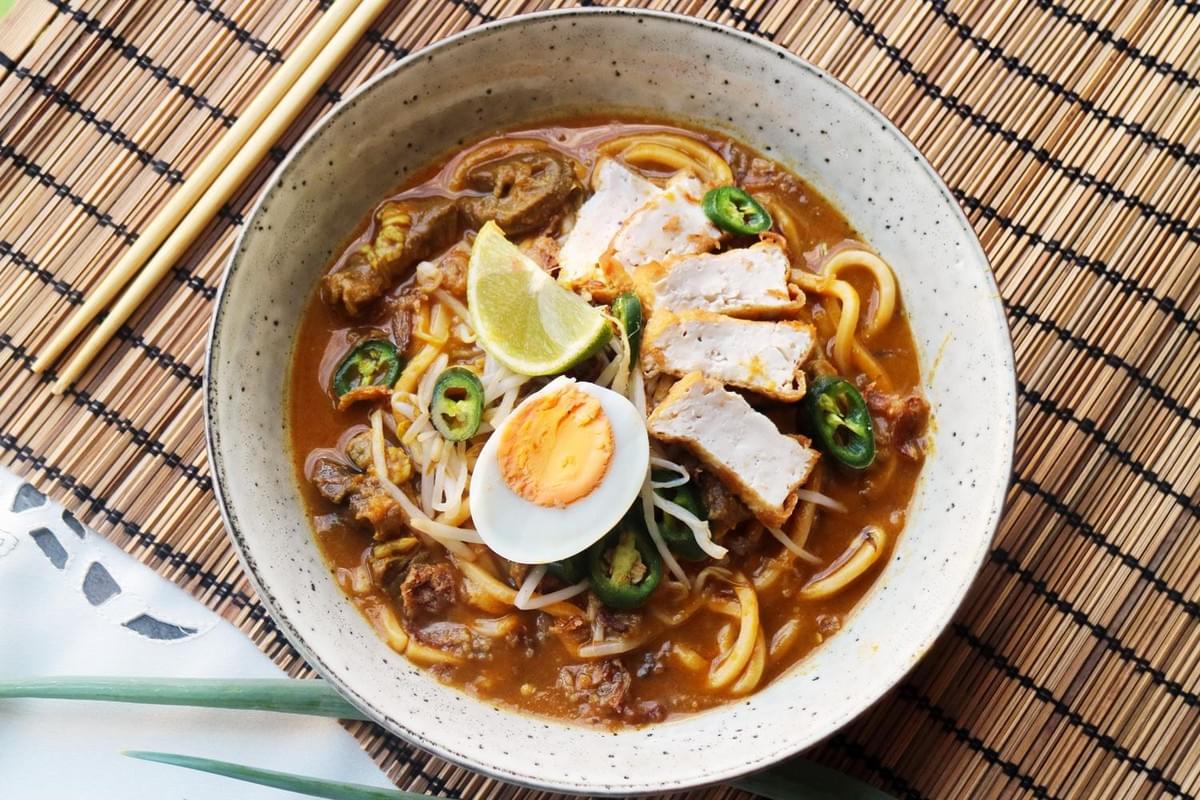
We moved next to mee siam, whose broth came bright with tamarind and a gentle sweet-sour balance. The vermicelli drank up the gravy fast, and a squeeze of lime sharpened everything. It had that lightly tangy, lightly spicy comfort that makes you understand why people crave it any time of day.
Then came the noodles we kept circling back to:
- Mee rebus, with thick gravy coating the noodles in a soft, almost velvety blanket. It leaned earthy and sweet rather than fiery, with egg and fried shallots adding texture.
- Mee soto, clearer and more aromatic, with shredded chicken in a spiced broth that felt lighter on the tongue.
- Variations like chicken bee hoon mee and chicken bee are part of the broader Malay-Muslim noodle tradition around the area, and you can feel that same logic here: broth, noodles, garnish, comfort.
I remember one spoonful of mee rebus in particular because it landed exactly the way a good comfort dish should: thick without being gluey, warm without being heavy, familiar without becoming flat.
The Queue Survival Kit
Service here is brisk, practical, and built for turnover. That is not a complaint; it is the rhythm of the place.
A few things we noticed:
- Expect a wait at busy meal periods. Our queue was around 15 minutes, though food came quickly after ordering.
- Staff were focused, but not cold. When something needed correcting, it was handled fast.
- Dress for heat. The setting is casual, and the room can feel warm when it fills up.
- Prices stay accessible, which is part of why the place remains popular.
We would not drive here unless we had to. Parking around North Bridge Road, Arab Street, and nearby stretches can be frustrating, so a short walk from Bugis MRT is the easier choice. Kampong Glam Cafe is also close enough to the rest of Kampong Gelam that it works well as a meal stop inside a larger neighbourhood walk.
Beyond the Table: Arab Street, Haji Lane, and the Back Alleys
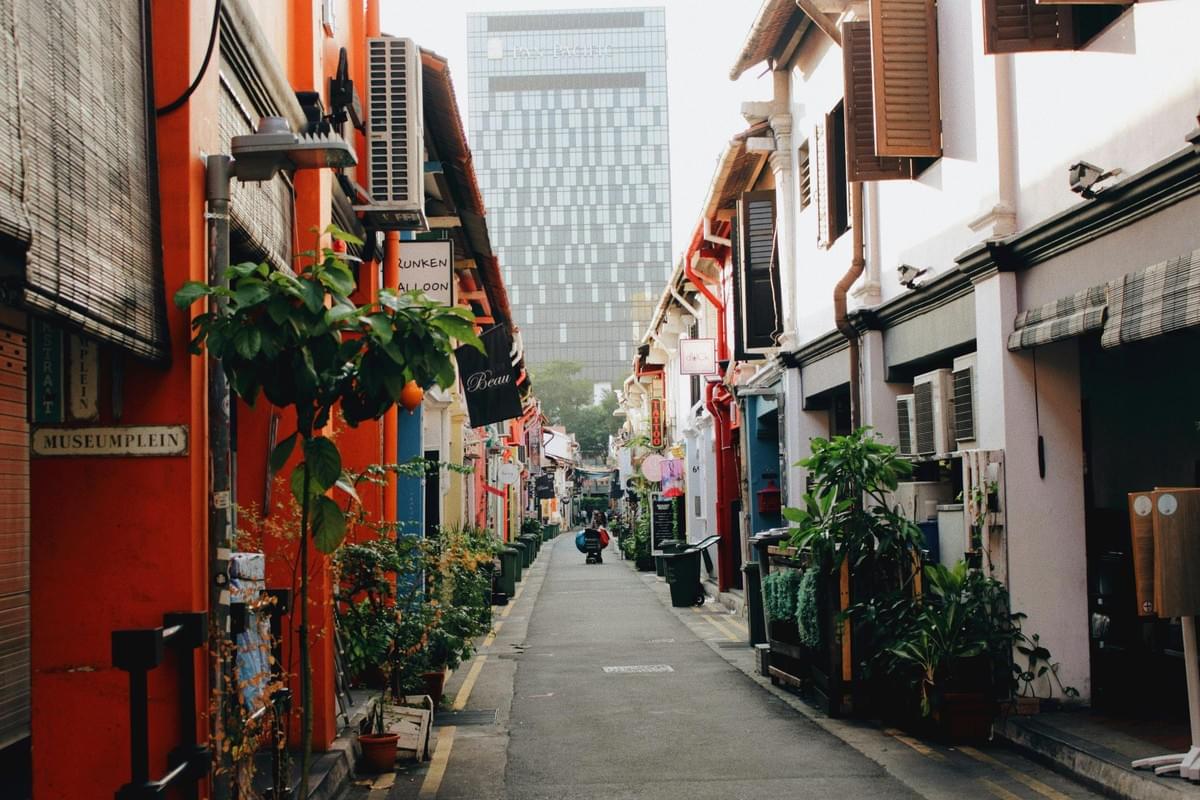
What makes this area linger in our minds is that the meal does not end when you leave the table.
A short wander opens into the broader Kampong Glam district, where the rich history of Singapore’s Muslim community sits beside boutiques, murals, and independent businesses. The precinct includes Bussorah Street, Muscat Street, Baghdad Street, Bali Lane, Kandahar Street, Haji Lane, and nearby Beach Road, all within a compact, walkable stretch.
A few places worth folding into the same outing:
- Sultan Mosque: the visual anchor of the district, and one of the area’s defining landmarks.
- Malay Heritage Centre: currently closed for revamp, with reopening announced for 25 April 2026. It remains central to understanding the district’s role in Malay history and the wider Muslim community in Singapore.
- Haji Lane and the surrounding streets: known for indie shops, indie boutiques, vintage apparel, colourful decor, and layers of street art by both local and international artists. The area around Gelam Gallery is especially associated with work by local artists and international artists.
- Aliwal Arts Centre near Beach Road: an arts hub linked to performances and creative programmes, and a natural stop if you want the neighbourhood’s cultural side after lunch.
- Vintage Cameras Museum: not on Bussorah Street itself, but nearby on Jalan Kledek. It is Singapore’s first and only camera museum, and a fun detour for anyone who cares about photography, whether you grew up with film, digital cameras, or both.
More Hidden Gems for the Next Visit
If your next visit stretches into a full neighbourhood crawl, Kampong Gelam gives you plenty to work with.
For food:
- Coconut Club on Beach Road is one of the area’s better-known names for nasi lemak, often paired with fried chicken and a carefully cooked fried egg.
- Mother Dough is a familiar stop in the district for bread and pastries.
For drinks and browsing:
- Bar Stories on Kandahar Street is known for bespoke cocktails, making it a good late stop if you want to shift the night away from kopi and teh tarik.
- Stores like Goodluck Bunch add to the area’s independent retail character, especially if you enjoy vintage apparel and a curated selection that feels a little less generic than chain shopping.
- The district’s side lanes and back alleys also hold smaller hidden gems: mural corners, tiny shops, and the kind of cosy café or record stop people mention casually to friends. Names like Musicology Records, Christmas Records, and Solace Studios are part of that broader, constantly evolving neighbourhood conversation, though what’s open can shift over time.
Fun fact: the official spelling today is Kampong Gelam, though many people still say Kampong Glam in everyday speech.
What we like most is that the district never feels one-note. In the span of a single evening, you can move from traditional Malay food Singapore to Middle Eastern storefronts, from heritage streets to mural-lined lanes, from a practical neighbourhood menu to a carefully mixed drink. That range is exactly why this remains one of the most rewarding parts of Singapore to revisit.
Last Moment at the Table
Our meal at Kampong Glam Cafe was exactly what we wanted it to be: loud, deeply flavorful, and unapologetically authentic. This is a kitchen that clearly respects traditional Malay recipes and knows how to feed a crowd.
This spot is absolutely perfect for groups of friends or families who want to share a massive Nasi Ambeng. It is also brilliant for tourists exploring the Sultan Mosque area who want a genuinely local, budget-friendly meal. The communal vibe makes it a fantastic place to soak up the local culture.
My Taste Singapore would probably avoid it if you are looking for a quiet, intimate dining experience or if you expect fine-dining service. The crowds can be overwhelming, and the noise level makes deep conversations a bit difficult.
Overall, Kampong Glam Cafe delivers a classic, comforting experience. The next time you find yourself wandering down Bussorah Street, skip the fancy tourist traps and grab a plastic chair here instead. Order the Mee Siam, share the rendang, and enjoy the beautiful chaos.
