

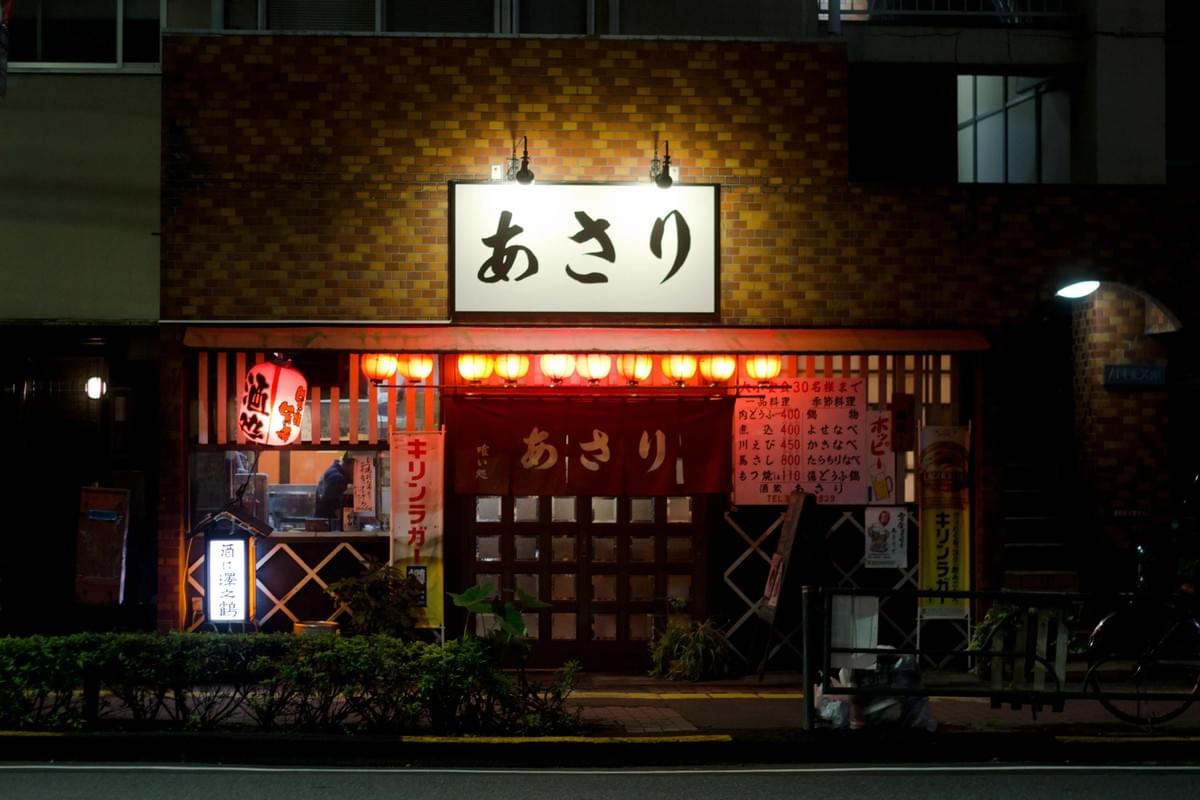
The evening rarely begins with food. It begins with a glass. A crisp cold beer lands on the table. Someone says “otsukaresama,” that untranslatable nod to a day’s hard work. Glasses meet. Laughter rises. A plate of grilled skewers sizzles somewhere behind the counter. You’re in an izakaya, and the first real decision isn’t what to eat, but what to drink.
That detail explains almost everything about izakaya culture in Singapore. The drinks are not background noise. They are the engine. The rhythm. The izakaya spirit that defines the atmosphere and energy of these casual Japanese restaurants. The reason the evening unfolds the way it does. So let’s unpack it properly. Why does alcohol sit at the center of this tradition? How does it shape the meal and the food pairing? And why has this style of dining taken root so naturally in Singapore’s vibrant dining scene?
For those eager to dive deep into these culinary adventures and discover what makes each experience genuinely special, check out this ultimate guide to the best izakaya in Singapore by Luxury Dining. You'll walk away understanding not just where to eat, but why these places and their genuine flavors matter. Whether you crave classic izakaya fare like fresh seafood, wagyu beef, or grilled fish, or innovative dishes like tokyo hummus and kfc bao, these restaurants offer an extensive menu that covers the perfect balance of Japanese cuisine, izakaya food, and local influences.
What Is an Izakaya? More Than Just a Japanese Pub

At its simplest, an izakaya is a Japanese gastropub. The word combines i (to stay) and sakaya (sake shop). Originally, these were sake shops where customers could drink on-site. But that definition misses the point. An izakaya is a cultural experience embodying the izakaya spirit, especially vibrant in izakaya culture in Singapore. It’s where colleagues decompress, ideas are exchanged, and hierarchy softens over shared plates of classic izakaya fare. For many, it is less about formal eating and more about connection.
The structure is different from a typical restaurant. You don’t order a starter, main, and dessert. Instead, small plates arrive gradually: grilled skewers, sashimi, grilled fish, fresh vegetables, and fried chicken. The izakaya food supports the drink, not the other way around. The dishes are designed to enhance alcohol—salt to sharpen the palate, fat to soften bitterness, and acidity to refresh. Nothing is random; everything is built for food pairing, creating the perfect balance between sake and Japanese cuisine.
Nothing is random. Everything is built for pairing. For example, sparkling sake and cold beer often kick off the meal, refreshing the palate and setting the lively atmosphere typical of izakayas like izakaya hikari and public izakaya spots in Fortune Centre. Sake pairs beautifully with most Japanese dishes, from fresh seafood and sashimi to wagyu beef and aged cheese or fresh goat cheese, thanks to its rich amino acids that complement umami flavors. Varieties like junmai ginjo and yamahai sake offer diverse profiles, while nigori sake’s creamy sweetness contrasts well with grilled items and spicy dishes like tokyo hummus or kfc bao.
For those interested in exploring more about Japanese fine dining, check out https://luxurydining.com.sg/michelin-omakase-singapore-starred-japanese-fine-dining-experiences/ for a guide to Michelin omakase experiences in Singapore. Also, discover a unique fusion where omakase meets local flavors like laksa at My Taste of Singapore.
Izakaya Culture in Singapore: Why It Feels So Natural
Why has this concept thrived here? Because Singapore already loves communal eating. Hawker centres and shared family meals have a similar, familiar rhythm that aligns perfectly with the izakaya spirit.
What sets izakaya culture in Singapore apart is the drink-first philosophy combined with local adaptation.
- Climate & Drinks: Given Singapore's warm climate, cold beer and chilled drinks dominate. You’ll find lighter, chilled sake styles such as sparkling sake and junmai ginjo, crisp highballs, and Japanese craft beers featured prominently on extensive menus at izakaya singapore venues like izakaya hikari and sake works.
- Atmosphere: The vibe is often casual and boisterous, blending traditional japanese food elements with the lively social energy of Singapore. Conversations flow easily among friends, solo diners, and groups, with English, Japanese, and Singlish mingling in the air. This casual atmosphere enhances the enjoyment of classic izakaya fare like fresh seafood, wagyu beef, grilled skewers, grilled fish, sashimi, and fresh vegetables, all designed for optimal food pairing with sake and other drinks.
- Pricing: Expect to pay more than in Japan. While izakayas in Japan can be very affordable, Singaporean izakayas often range from mid-tier to premium, especially those with extensive menus that cover everything from tokyo hummus and kfc bao to aged cheese and fresh goat cheese. A whole meal for two can range from $80 to $200+, depending on the venue and drinks chosen.
How to Drink Sake: A Beginner’s Guide
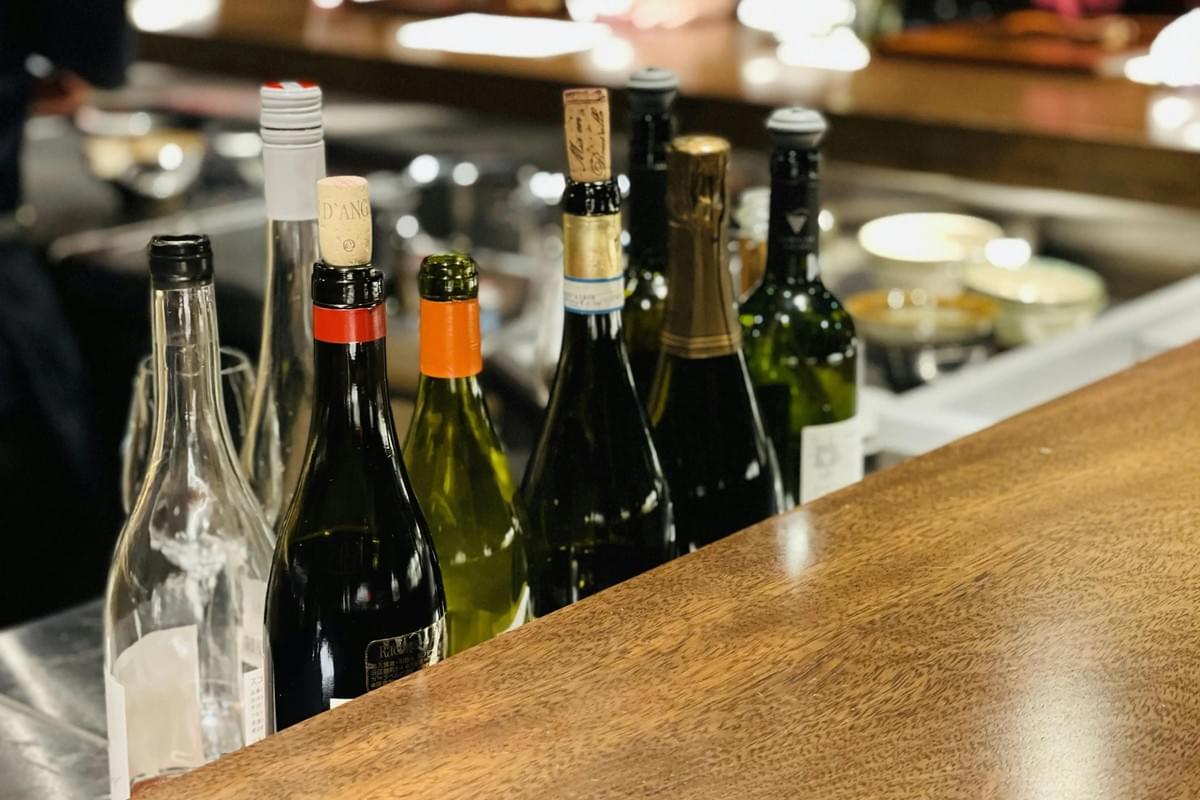
Sake can seem intimidating, but it doesn't have to be. It's a brewed alcoholic beverage made from rice, water, yeast, and koji mold. The brewing process creates umami, which is why sake pairs so effortlessly with food. Here’s a practical guide to the main styles:
Junmai
- Flavor Profile: "Pure rice" sake. Fuller body, savory, earthy.
- Best Served: Warm or at room temperature.
Ginjo
- Flavor Profile: Lighter, more aromatic, often fruity or floral.
- Best Served: Chilled, to preserve its delicate aromas.
Daiginjo
- Flavor Profile: The most polished; very delicate and elegant.
- Best Served: Chilled. Often enjoyed on its own or with sashimi.
Nigori
- Flavor Profile: Cloudy and lightly filtered. Creamy and sweet.
- Best Served: Chilled. A great entry point for beginners.
Sparkling
- Flavor Profile: Carbonated, lively, and refreshing.
- Best Served: Chilled. Perfect with fried foods like tempura.
Hot vs. Cold Sake?
- Cold Sake (Hiyazake): Chilling preserves the delicate, fruity, and floral aromas of premium sake like Ginjo and Daiginjo.
- Warm Sake (Atsukan): Warming is best for fuller-bodied, earthy sake like many Junmai types. It enhances savory notes and can be very comforting.
When in doubt, ask the staff for a recommendation based on what you’re eating.
What to Expect: How to Order Like a Pro

An izakaya evening has a natural flow. Here’s how to navigate it:
- Start with a Drink: The first order is almost always a drink. A round of beer or highballs is a classic way to start and say "cheers."
- Order Food in Waves: Don't order everything at once. Start with a few light dishes ("toriaezu" or "for now" dishes) like edamame or a small salad.
- Move to Heavier Dishes: As you order more drinks (perhaps moving from beer to sake), progress to grilled items (yakitori), fried foods (karaage, tempura), and sashimi.
- Finish with a "Shime": The final dish, or "shime", is typically a carb to round out the meal, like a rice ball (onigiri) or a bowl of ramen.
Many Japanese drink beer first. It refreshes. It resets the palate. After that, highballs made with Japanese whisky offer brightness and lift. Shochu and other spirits appear, depending on the crowd. Don’t be afraid to ask for help. Tell the staff what flavors you enjoy (light or rich, dry or sweet). They can guide you to the perfect drink to match your food.
Ordering with Confidence: A Practical Example

Ordering with Confidence: A Practical Example
Imagine this scenario.
You’re paying attention to the menu. You’re having sashimi, yakitori, maybe some tempura and vegetables.
What do you do?
Start simple. Tell the staff what flavors you enjoy. Light or rich? Dry or sweet? Curious or cautious?
If you like Sauvignon Blanc, try junmai ginjo.
If you prefer fuller Chardonnay styles, go junmai.
If you want something lively, try sparkling sake.
If you enjoy funkier natural wines, experiment with yamahai sake.
This is your ultimate guide principle: Describe taste, not terminology.
Why Izakaya Culture Still Matters
Why does this tradition endure? Because it transforms eating into a shared experience. Because small plates encourage conversation. Izakaya culture reminds us that dining is not just about consumption. It is about pacing, attention, and letting flavor build, course by course.
The next time you step into an izakaya in Singapore, don’t just scan the food list. Study the drink selection. Let the evening unfold through the glass in your hand. You are not just having a meal. You are participating in a living tradition. And it begins with a glass.
To truly appreciate the pinnacle of Japanese dining in Singapore, one must explore what makes the nigiri at Sushi Masa by Ki-setsu the most sought-after bite in the city: https://www.mytasteofsingapore.com/blog/sushi-masa-nigiri-singapore?categoryId=687603
