

Havelock Road Cooked Food Centre bends in an L, and the turn changes everything. Walk one arm of this compact L-shaped hawker centre and you pass a wok, a braising pot, a pot of prawn broth, a laksa stall, and a fishball counter, all within a few dozen steps. That short stretch makes choosing surprisingly hard for foodies, because every stall offers something different, and there's only so much you can eat in one visit.
I love that about food in Havelock, though. Sitting between the familiar food neighbourhoods of Tiong Bahru and River Valley, not far from the better-known Tiong Bahru Market, this little corner of Singapore has its own hawker traditions worth exploring.
The five stalls below aren't competing versions of one dish. Instead, each one shows a different hawker tradition still cooking around Havelock Road.
Eating Around Havelock: Five Food Stops for a Good Feed
- Meng Kee Fried Kway Teow: moist, slightly sweet char kway teow cooked in small batches with wok hei
- Covent Garden Kway Chap: a build-your-own spread of braised ingredients with rice sheets in broth
- Covent Garden Prawn Noodle: a lighter, old-school prawn mee with roots in the 1960s
- Guang Fa Laksa: home of the Only Cockles Laksa
- Khin Kee Fishball Kway Teow: gently seasoned fishball noodles, soup or dry
1. Meng Kee Char Kway Teow: The Wok Has the Final Say
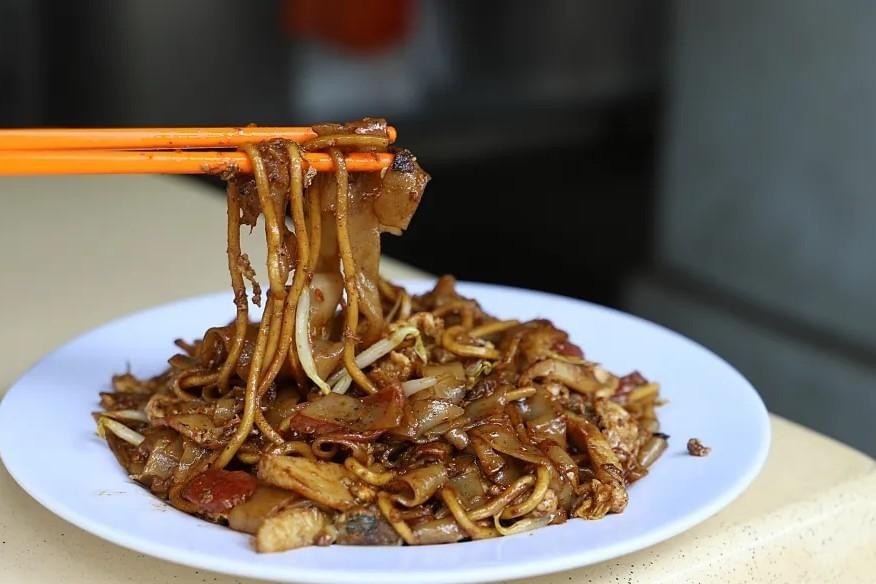
Char kway teow uses familiar ingredients, so what separates one plate from another is the cook. At Meng Kee, a long-running family stall, plates are cooked individually or in small batches. That matters. A smaller batch gives the cook more control over heat, sauce, and timing, and diners keep coming back to the same result: wok hei, that smoky, roasted aroma that only a properly handled wok produces. Flat rice noodles and yellow noodles are tossed in with egg, cockles, Chinese sausage, and pork lard, all prepared over high heat. The lap cheong adds a sweet, fatty note, the cockles bring flavourful briny pops, and the crispy pork lard gives you crunch between soft strands.
The flavour is slightly sweet and savoury, and the texture is moist rather than bone-dry. I think that's the key to knowing whether this plate is for you. If you like your char kway teow glossy and a touch sweet, this is your stall. If you prefer a very dry, sharply charred style, you may want to look elsewhere. For bigger appetites, they prepare both regular and larger servings, so generous portions are an option.
- Where can I find it? #01-07, 22A Havelock Road, Singapore 161022
- When should I pay a visit? Monday to Saturday, around 9am to mid-afternoon; closed Sunday.
2. Covent Garden Kway Chap: A Breakfast Built One Ingredient at a Time
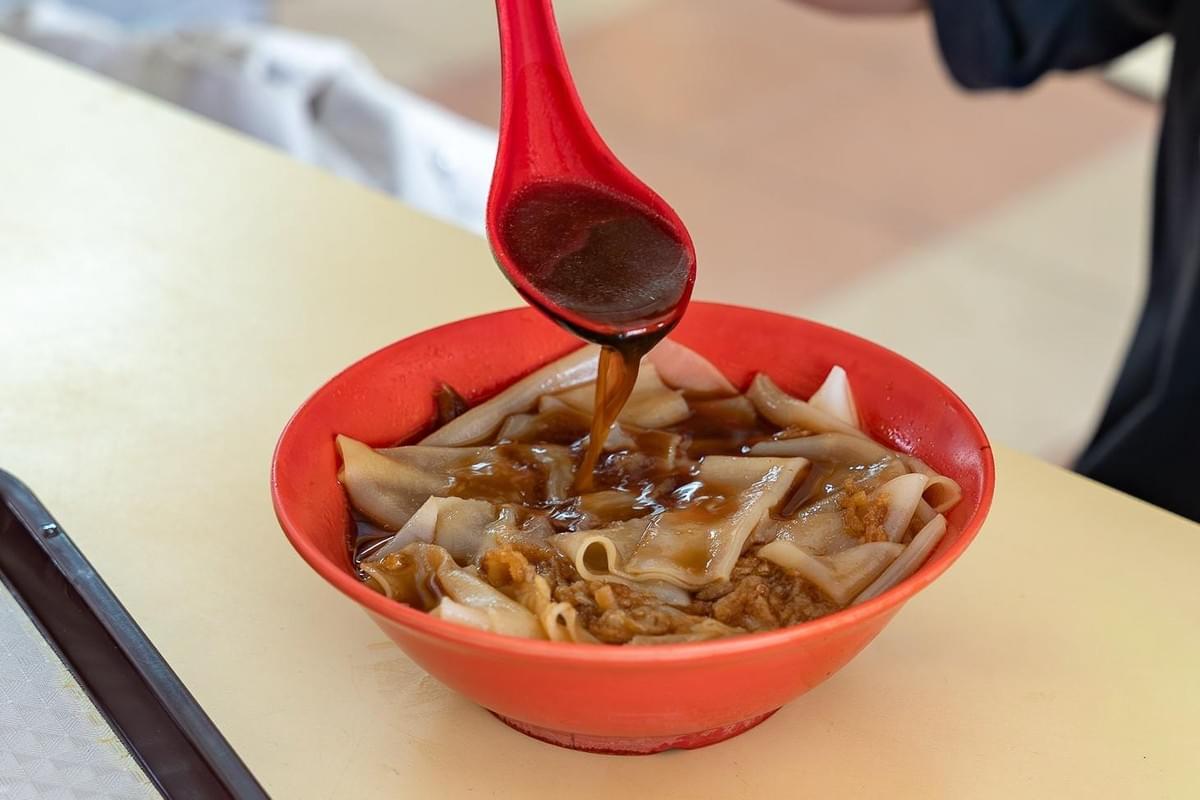
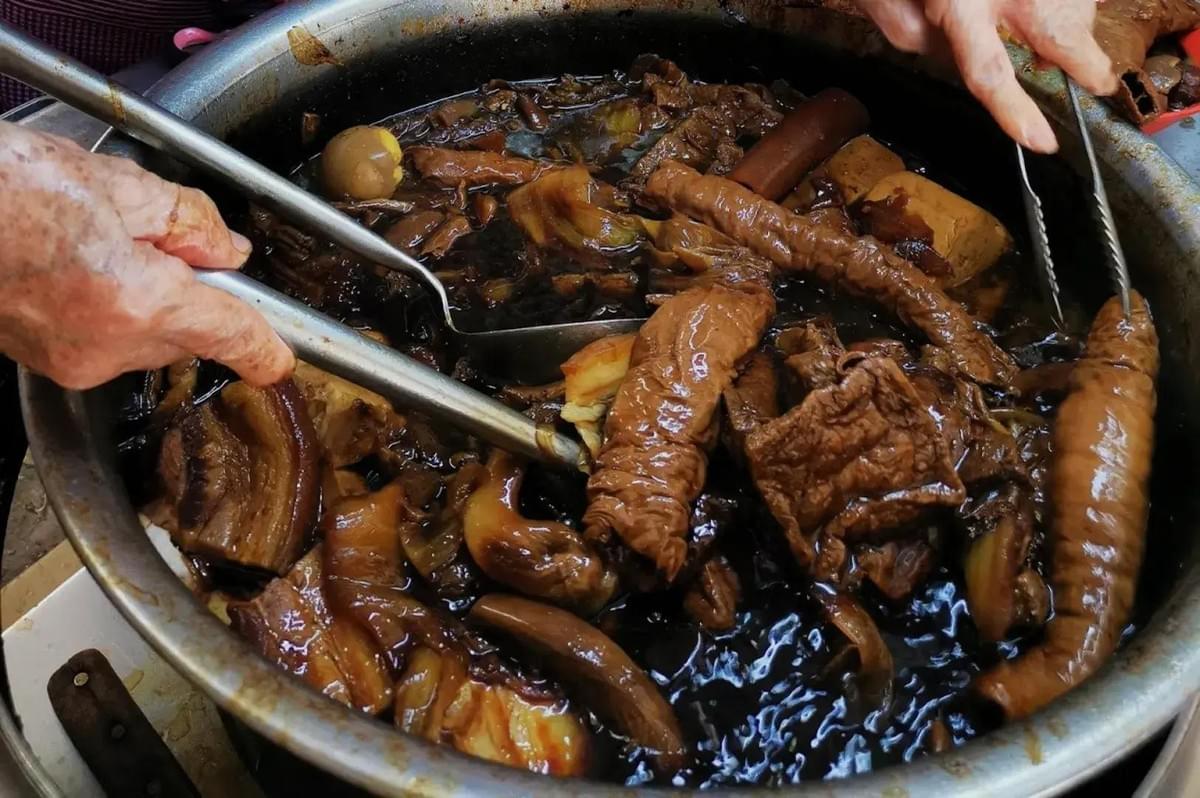
Most hawker dishes arrive finished. Kway chap asks you to take part. At Covent Garden Kway Chap, a longstanding traditional stall, you get a bowl of flat rice sheets in broth, then choose what goes on the plate beside it. The line-up includes pig intestines, stomach, tofu, tau pok, braised eggs, and fish cake, all braised in a soy-based liquid. You don't have to accept a fixed combination. Someone who loves offal can load up on intestines and stomach, while a more cautious eater can stick to eggs, tau pok, and tofu.
I find that ordering ritual quietly charming. It feels like a small conversation with yourself about what kind of morning you're having. The textures do a lot of the work. The rice sheets are soft and slippery, the tau pok soaks up the braise like a sponge, the eggs turn dark and savoury, and the intestines add a delicious chew. The broth is almost gently herbal, a calm counterpoint to the richer braised items. The stall has also passed through a family succession, which fits a dish so tied to traditional breakfast habits.
- Where can I find it? #01-05, Havelock Road Cooked Food Centre
- When should I pay a visit? Tuesday to Saturday, morning to around 1:30pm; closed Sunday and Monday.
3. Covent Garden Prawn Noodle: The Old-School Hokkien Mee Bowl Still Has Its Place
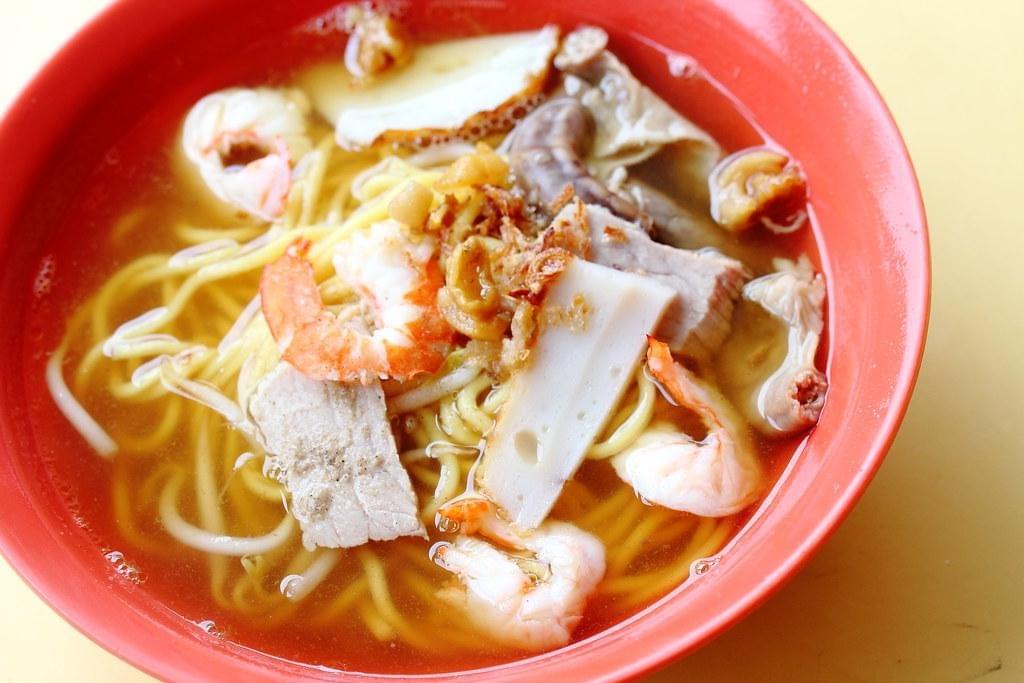
Plenty of modern prawn noodles chase intensity, with broths so concentrated they taste almost like reduced shells. Covent Garden Prawn Noodle makes a gentler case. Its roots go back to the 1960s, with its prawn broth maintaining its relatively light rather than heavily concentrated flavour profile, which I think is exactly what keeps this bowl relevant to many Singaporean diners to this day.
What fills the gap is variety in the menu. Alongside prawns, toppings include sliced pork, fish cake, pig skin, pig intestines, and fried shallots, with pig's tail as an optional extra. Some versions add pork lard and sambal. You can have it as soup or dry, and noodle choices include mee kia and mee pok. The pork additions give the bowl body without forcing the broth to shout. If you grew up with this style of hokkien mee, it may feel like home.
If you only know the bold, modern versions, it shows how prawn noodles can satisfy through balance. It belongs to Singapore's long love of shellfish, from humble hawker bowls to the bigger platters found across Singapore's wider seafood dining scene.
- Where can I find it? #01-24, Havelock Road Cooked Food Centre
- When should I pay a visit? Published schedules conflict. It's mainly a morning and early-lunch stall, so check before you go.
4. Guang Fa Laksa: A Bowl That Lets the Cockles Speak
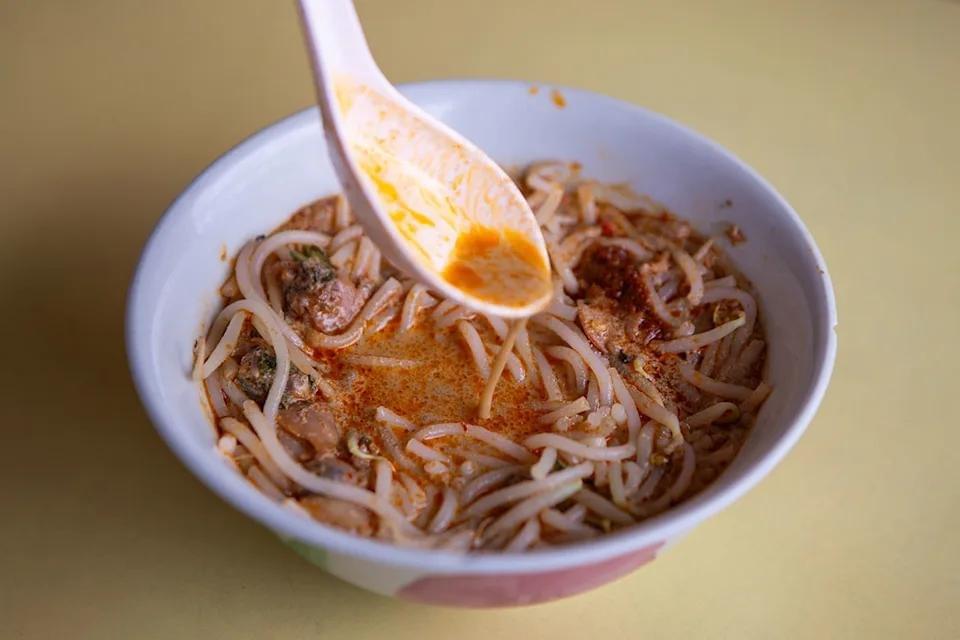
Guang Fa Laksa shows how much a dish can change when you shift the balance of its toppings. The regular laksa spreads its attention evenly. Cockles share the bowl with tau pok, fish cake, and beansprouts over thick bee hoon, while sambal adds heat and a dried-shrimp savouriness. Then there's the Only Cockles Laksa, which swaps that mix for a much heavier focus on cockles. Seafood stops being one part of the bowl and becomes the whole point.
I find that idea quite brilliant in its simplicity. Same gravy, same noodles, completely different personality. The gravy itself depends on who you ask. Half of a table may find it rich and coconut-based, while the other half may find it lighter and more spice-forward, so expect a bowl that may surprise you either way. The Only Cockles Laksa is priced at S$6 to S$7, while other options start from around S$4. If you love cockles, this is where you can really indulge. If you're less sure about them, the regular laksa offers a gentler introduction without making cockles the centre of every spoonful.
- Where can I find it? #01-08, Havelock Road Cooked Food Centre
- When should I pay a visit?Monday, Tuesday, Thursday, and Saturday, around 8am to 1:30pm; Friday may close earlier. Closed Wednesday and Sunday, and it may sell out early.
5. Khin Kee Fishball Noodles: When the Fishballs Come First
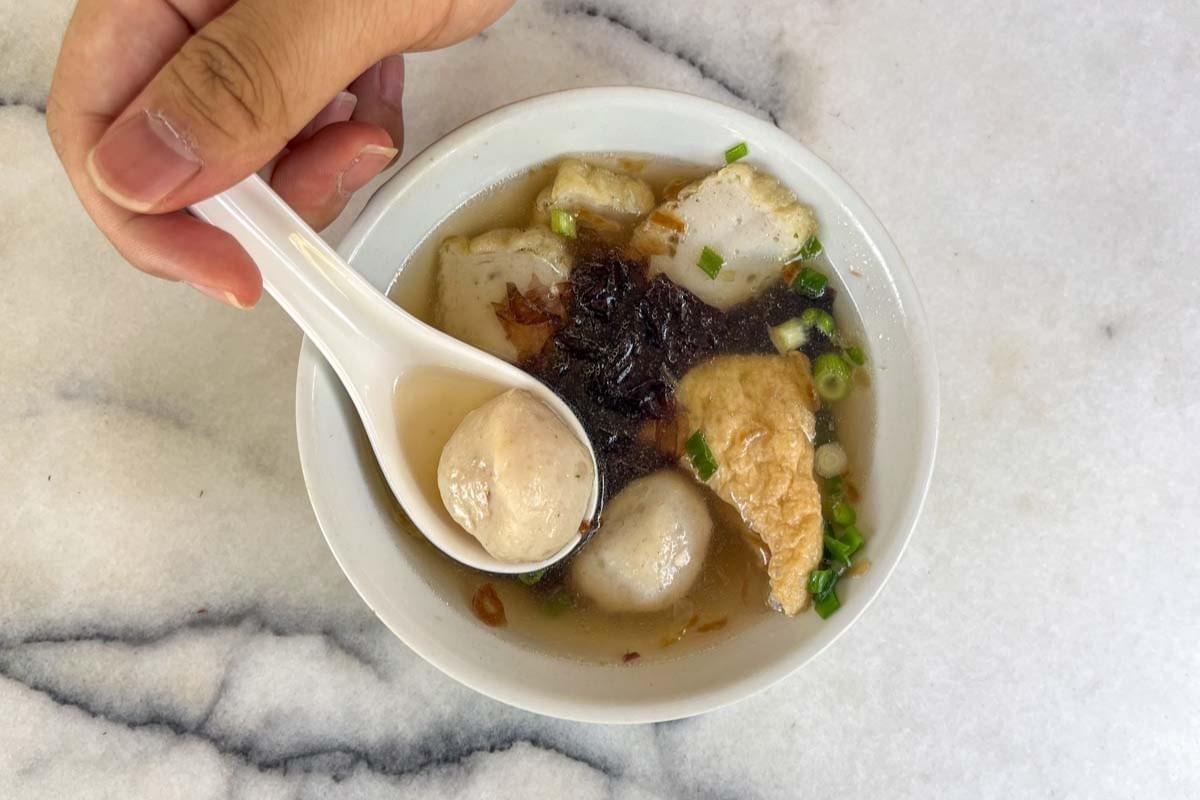
After the wok smoke and sambal heat, Khin Kee Fishball Kway Teow feels like a deep breath. This stall specialises in fishball noodles, and here the fishballs aren't a side note to the noodles. They're the reason to order. Fishballs and fish cake are its established offerings, served with kwy teow or mee pok, in soup or dry. The fishball noodle seasoning is relatively restrained, which keeps your attention on texture and the clean flavour of the fish.
The soup and dry versions feel like two different meals. The soup is gentle and soothing, letting the fishballs sit quietly in the broth. The dry version comes alive with chilli and vinegar, adding tang and heat to the noodles while the fishballs stay the steady centre. The Fishball Khin name has historically been linked to handmade fishballs and earlier locations around Singapore, a reminder of how long this style has fed the island. On a morning when you want something simple, this is the bowl I'd point you to.
- Where can I find it? #01-06, 22A Havelock Road, Singapore 161022
- When should I pay a visit? Published directories conflict, so check before visiting.
A Small Centre That Holds Many Traditions: From Havelock Turtle Soup to Fish Soup
The best thing about Havelock food is how much history fits into such a small space. At Havelock Road Food Centre, one turn around its L-shaped layout takes you from the heat of a char kway teow wok to the slow patience of braised kway chap, then past bowls of prawn noodles, laksa, and fishball soup. There are roast meats, fish soup, and tutu kueh to discover along the way, too.
And there's so much more beyond these five favourites. You Yi Fish Soup serves seafood soup with fresh fish slices, prawns, tofu, and minced meat, while Hong Kong Jin Tian Roast Meat offers roast pork belly, roast duck, char siew, and chicken rice. You'll even find Havelock Turtle Soup and traditional tutu kueh among the other stalls worth discovering.
Many of them cater to the breakfast and lunch crowd, so arriving outside peak hours, before the midday sun brings in more diners, gives you a better chance of beating packed, long queues. It's the kind of place that reminds me why I keep exploring Singapore's hawker centres for My Taste of Singapore. The recipes may be old-school, but the hands preparing them are keeping those traditions very much alive, one plate and bowl at a time.
